
The allure of a friendly poker night, the thrill of a well-timed bluff, and the camaraderie of gathering with friends – these are the ingredients for a memorable evening. While the glitz and glamour of casinos like the Bellagio or Caesars Palace in Las Vegas might spring to mind, creating your own exciting poker experience at home is remarkably accessible and rewarding. This guide is your passport to mastering the art of hosting a Texas Hold’em night, transforming your living room into a sophisticated card room, and ensuring everyone, from seasoned players to curious newcomers, has a fantastic time.
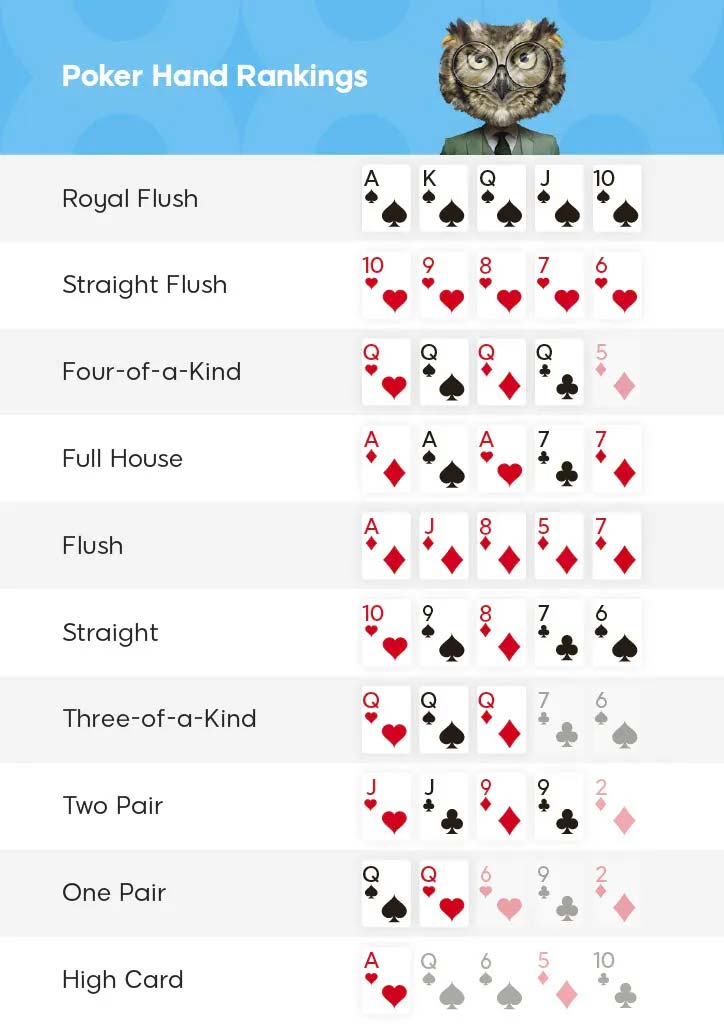
Texas Hold’em, the most popular variant of poker, is celebrated for its simple rules and deep strategic complexity. It’s a game that can be learned in minutes but takes a lifetime to master. Whether you’re planning a casual get-together or a more competitive tournament, understanding the fundamentals is key. This guide will walk you through everything you need to know, from the essential equipment to the finer points of gameplay, all within the context of creating a welcoming and enjoyable atmosphere for your guests.
Setting the Stage: Your Home Casino Essentials
Before the first card is dealt, the foundation of a successful poker night lies in proper preparation. Just as a discerning traveler researches the best boutique hotels in Paris or plans their itinerary for exploring the ancient ruins of Machu Picchu, setting the scene for your poker game is crucial. Think about the ambiance, the comfort of your guests, and the practicalities of the game itself.
The Card Table and Seating
The heart of any poker game is the table. While a dedicated poker table is ideal, it’s not a necessity for a home game. A sturdy dining table or even a large coffee table can suffice, provided it offers enough space for cards, chips, and players. If you’re using a standard table, consider investing in a felt poker mat. These mats provide a smooth surface for shuffling and dealing, prevent cards from sliding too much, and can often be found with marked betting areas, adding a professional touch. Ensure there’s enough comfortable seating for all your players. Chairs should be at a height that allows players to comfortably reach the table and manage their chips and cards. Good lighting is also paramount; you want to be able to clearly see the cards without glare.
Essential Equipment
Beyond the table, a few key items will elevate your poker night:
- Playing Cards: Standard 52-card decks are used. It’s a good idea to have at least two decks available. This allows the dealer to shuffle one deck while the other is in play, speeding up the game and preventing delays. Look for cards with a good feel and durability, such as those from brands like Bicycle or Copag.
- Poker Chips: These are essential for betting. You don’t need a professional-grade set to start. A basic set with different colors representing different denominations will work perfectly. The number of chips needed depends on the number of players and the structure of your game (e.g., cash game vs. tournament). A good starting point is around 100-150 chips per player. If you’re aiming for a more sophisticated experience, consider sets from brands like Gamer’s Edge or Brybelly.
- Dealer Button: This is a crucial marker used to indicate who is the dealer for the current hand. In Texas Hold’em, the role of the dealer rotates clockwise after each hand. This ensures that the blinds, which are forced bets made by the players to the left of the dealer, also rotate, making the game fair.
- Optional Extras: For added flair, consider small scorecards for tournaments, a small bell to signal the start of a round, or even themed decorations to match a specific lifestyle.
Creating the Atmosphere
The ambiance can significantly enhance the experience. Think about what kind of experience you want to create.
- Music: Choose background music that is engaging but not distracting. Jazz, blues, or instrumental music often works well, setting a sophisticated or relaxed tone, much like the ambiance you might find in a cozy apartment rental during a budget travel trip.
- Refreshments: Offer a variety of snacks and drinks. Keep it simple but appealing – chips, dips, finger foods, and a selection of beverages. This is part of the tourism aspect of your home entertainment; providing good food and drink makes the experience more enjoyable.
- Comfort: Ensure the room is a comfortable temperature and free from excessive noise. Good amenities extend beyond just physical items to the overall comfort of the space.
The Flow of the Game: Understanding Texas Hold’em Rules
Once your setup is complete, it’s time to dive into the gameplay. Texas Hold’em is played with one or more players (ideally 2-10 for a home game) and a standard 52-card deck. The objective is to win chips by having the best five-card poker hand at showdown or by causing all other players to fold before the showdown.
Objective and Hand Rankings
The core of poker lies in its hand rankings. Players aim to form the best possible five-card hand using a combination of their two private “hole” cards and the five community cards dealt face-up on the table. The standard hand rankings, from highest to lowest, are:
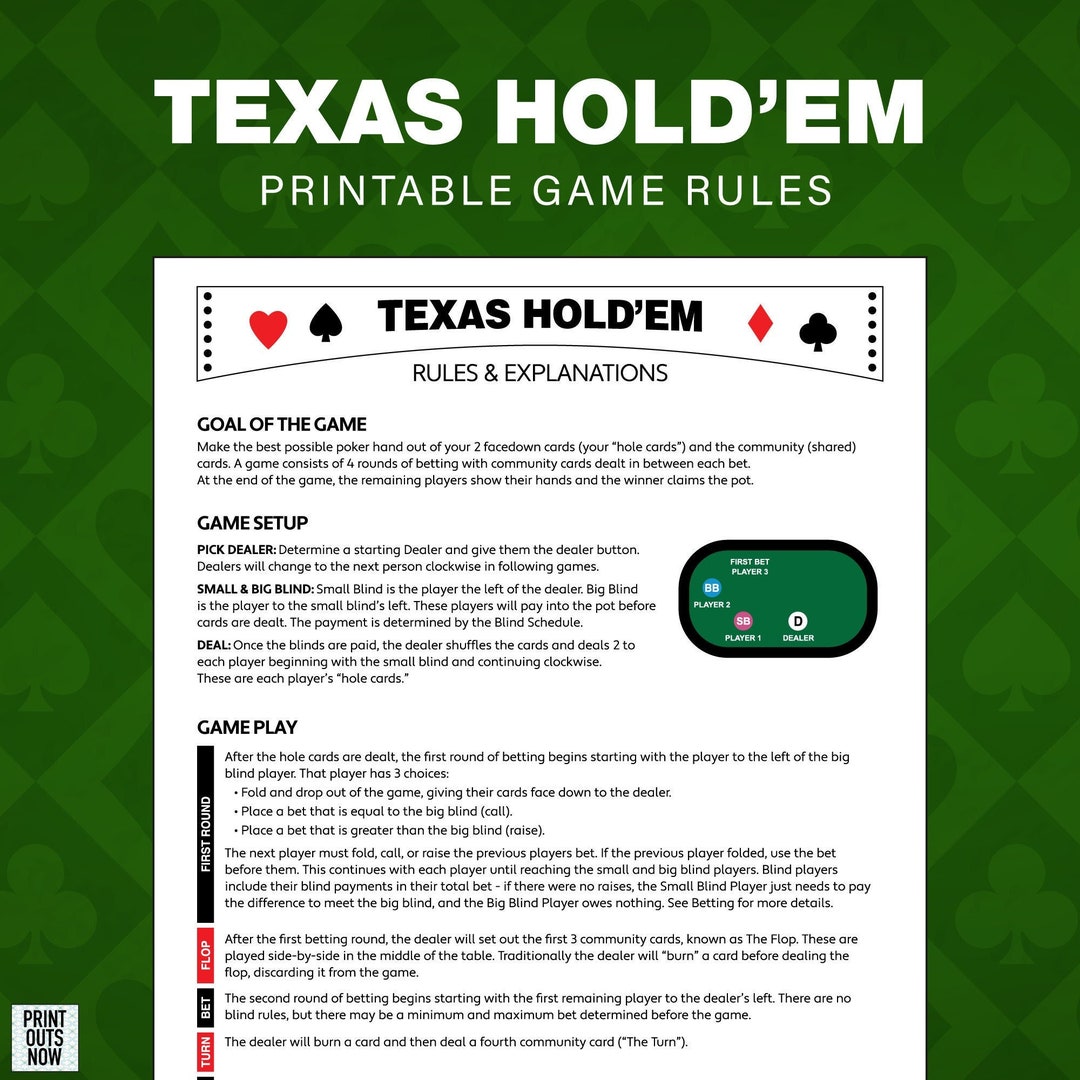
- Royal Flush: A, K, Q, J, 10 of the same suit.
- Straight Flush: Five cards of the same suit in sequential order (e.g., 9, 8, 7, 6, 5 of hearts).
- Four of a Kind: Four cards of the same rank (e.g., four Kings).
- Full House: Three cards of one rank and two cards of another rank (e.g., three Queens and two 7s).
- Flush: Five cards of the same suit, not in sequential order.
- Straight: Five cards in sequential order, but not all of the same suit.
- Three of a Kind: Three cards of the same rank and two unrelated cards.
- Two Pair: Two cards of one rank, two cards of another rank, and one unrelated card.
- One Pair: Two cards of the same rank and three unrelated cards.
- High Card: When no player has any of the above hands, the player with the highest card wins.
Understanding these rankings is fundamental. If two players have hands of the same rank (e.g., both have a pair of Kings), the kicker card (the highest-ranking card in the remaining three) determines the winner.
Betting Rounds and Actions
Texas Hold’em involves multiple betting rounds. Each round begins with players deciding to “fold” (give up their hand and any chips already bet), “call” (match the current bet), or “raise” (increase the bet).
- Pre-Flop: The first betting round occurs after players receive their two hole cards. The player to the left of the big blind acts first.
- The Flop: After the first betting round, three community cards are dealt face-up in the center of the table. This is called the flop. A second betting round follows, starting with the player to the left of the dealer button.
- The Turn: A fourth community card is dealt face-up. This is called the turn. Another betting round ensues, again starting with the player to the left of the dealer.
- The River: The fifth and final community card is dealt face-up. This is called the river. The final betting round takes place, starting with the player to the left of the dealer.
- Showdown: If there are two or more players remaining after the final betting round, a showdown occurs. Players reveal their hole cards, and the player with the best five-card hand using any combination of their two hole cards and the five community cards wins the pot (all the chips bet in that hand).
Blinds and the Dealer Button
The game is structured around the concept of blinds and the dealer button.
- Small Blind: The player immediately to the left of the dealer button posts the small blind, a predetermined minimum bet.
- Big Blind: The player to the left of the small blind posts the big blind, which is typically double the small blind. These forced bets ensure there’s always something to play for in each pot.
- Dealer Button: The dealer button moves one position clockwise after each hand. This ensures that the positions of the blinds and the players who act first and last also rotate, leading to a fair distribution of advantages and disadvantages.
Mastering the Game: Strategy and Etiquette
Playing Texas Hold’em at home is more than just knowing the rules; it’s about developing strategies and maintaining good etiquette to ensure a fun and respectful environment. Think of it like exploring a new city; understanding the local customs and best practices will lead to a richer experience, whether you’re navigating the bustling markets of Marrakech or the serene landscapes of the Swiss Alps.
Basic Strategy Tips for Home Games
While professional poker strategy can be incredibly complex, a few fundamental principles can significantly improve your game and make it more enjoyable for everyone:
- Play Fewer Hands, But Play Them Aggressively: Don’t feel compelled to play every hand. Focus on starting hands that have good potential. When you do decide to play, bet or raise rather than just calling. This puts pressure on your opponents and allows you to win pots uncontested.
- Pay Attention to Your Opponents: Observe their betting patterns, their reactions, and how they play their hands. Are they cautious or aggressive? Do they bluff often? This information can be invaluable in deciding how to play your own hands.
- Position is Key: Acting later in a betting round gives you more information about your opponents’ actions, making it easier to make informed decisions. Try to play more hands when you are in late position (closer to the dealer button).
- Know When to Fold: Sometimes, the best move is to cut your losses. If you have a weak hand and face significant betting, folding is often the smartest play, saving you chips for more opportune moments.
Poker Etiquette for a Harmonious Game
A smooth and enjoyable poker night relies heavily on good etiquette. When playing at home, you are both the host and a player, so setting a positive example is important.
- Be Respectful: Treat all players with courtesy, regardless of their skill level. Avoid taunting or making negative remarks.
- Don’t Discuss Hands You’ve Folded: While the hand is still in play, avoid giving advice or commenting on the cards dealt to others. This can be seen as providing an unfair advantage.
- Act in Turn: Wait for your turn to bet, check, or fold. Impatience can disrupt the flow of the game.
- Keep Your Cards Visible: Ensure your hole cards are visible to other players, but not so much that they can be easily seen by more than one opponent at a time.
- Handle Chips Properly: When betting, clearly announce your action and place your chips in the pot in a single motion. Avoid excessive chip stacking or distracting movements.
- Be a Gracious Winner and Loser: Celebrate wins with humility and accept losses with grace. A friendly game is about more than just the money; it’s about the shared experience.
By following these guidelines, you can ensure that your home Texas Hold’em games are not only fun and competitive but also a testament to good sportsmanship and enjoyable lifestyle choices. It’s about creating lasting memories, much like a well-planned family trip to a new destination or a relaxing stay in a luxurious resort. So gather your friends, deal the cards, and enjoy the strategic thrill of Texas Hold’em right in your own home.
LifeOutOfTheBox is a participant in the Amazon Services LLC Associates Program, an affiliate advertising program designed to provide a means for sites to earn advertising fees by advertising and linking to Amazon.com. Amazon, the Amazon logo, AmazonSupply, and the AmazonSupply logo are trademarks of Amazon.com, Inc. or its affiliates. As an Amazon Associate we earn affiliate commissions from qualifying purchases.