
Navigating the process of applying for unemployment benefits in Texas can feel like charting an unknown territory, especially when you’re already dealing with the stress of job loss. While the primary focus of Texas as a travel and tourism hub revolves around its vibrant culture, breathtaking landmarks, and diverse lifestyle offerings, understanding the state’s unemployment system is a crucial aspect of lifestyle for its residents. This guide aims to demystify the qualifications for receiving unemployment benefits in the Lone Star State, ensuring you can access this vital support system when you need it most.

The Texas Workforce Commission (TWC) is the state agency responsible for administering unemployment benefits. To qualify, you must meet specific requirements related to your past employment and the reason for your job separation. These requirements are designed to ensure that benefits are provided to those who are out of work through no fault of their own and are actively seeking new employment. Think of it as a safety net, designed to catch you when you unexpectedly fall from your professional perch, much like how a well-planned itinerary can cushion the impact of unforeseen travel disruptions.
Understanding these qualifications is as important as knowing the best resorts in the Hill Country or the must-visit attractions in Austin. It’s about preparedness and ensuring you have the resources to maintain your lifestyle while you transition to your next career opportunity.
Understanding the Core Eligibility Requirements
At its heart, qualifying for unemployment in Texas hinges on demonstrating a history of sufficient earnings and meeting specific criteria regarding your separation from your previous employer. The Texas Workforce Commission looks at your work history over a defined period, known as the “base period,” to determine your eligibility. This base period is typically the first four of the last five completed calendar quarters before you file your claim.
Past Employment and Earnings
The fundamental requirement is that you must have earned a certain amount of wages during your base period. This is often referred to as “sufficient wages.” The TWC uses a formula to calculate this, but generally, you need to have earned wages in at least two different calendar quarters within your base period, and your total wages in the base period must meet a minimum threshold. This threshold is subject to change, so it’s always best to check the latest figures on the TWC website.
Think of this like planning a luxury travel experience. You need to have the financial resources (sufficient wages) to support your trip. If your earnings are too low, even if you have a desire to travel, the experience might not be feasible. Similarly, insufficient wages in Texas can prevent you from qualifying for unemployment benefits.
Furthermore, you must have earned wages in at least one quarter that is greater than or equal to either 30 times your weekly benefit amount or $1,000. This ensures that you haven’t just had sporadic, low-paying work but have a more consistent employment history.
Reason for Separation
Beyond earning enough, the TWC also scrutinizes the reason you are no longer employed. Generally, to qualify for unemployment benefits, you must have been laid off or lost your job through no fault of your own. This includes situations like:
- Lack of Work: Your employer had to reduce staff due to economic reasons, a downturn in business, or the completion of a project. This is a very common reason for tourism sector employees in Texas who may experience seasonal fluctuations.
- Discharge for Reasons Other Than Misconduct: If you were fired, it cannot be for substantial misconduct connected with your work. The TWC will investigate these claims, and “misconduct” is typically defined as a willful or deliberate violation of company rules or standards of behavior that harm the employer.
- Voluntary Quit for Good Cause: In certain situations, if you quit your job, you might still qualify. This usually applies if you quit for “good cause” connected with the work. Examples of good cause can include:
- The employer failing to provide a safe working environment.
- Significant changes in your job duties or working conditions that are detrimental.
- An employer requiring you to move more than a certain distance for work without adequate compensation.
- Harassment or discrimination.
If you quit your job voluntarily without good cause, or if you were discharged for misconduct, you will likely be disqualified from receiving unemployment benefits. The TWC will contact your former employer to verify the reason for your separation. It’s crucial to be truthful and accurate in your application regarding the circumstances of your departure. Just as you wouldn’t want to misrepresent your travel preferences when booking a hotel, being honest about your employment separation is vital.
Availability and Actively Seeking Work
Another critical component of qualifying for unemployment in Texas is demonstrating your availability for work and your active efforts to find new employment. This requirement is in place because unemployment benefits are intended as a temporary support while you seek a new job, not as a permanent income replacement.
- Availability: You must be physically able to work, available for full-time work, and able to accept suitable work if offered. This means you cannot be out of the labor market due to illness, injury, vacation, or other reasons that would prevent you from taking a job.
- Actively Seeking Work: You are generally required to actively search for work each week you claim benefits. The TWC provides guidelines on what constitutes an active work search, which can include:
- Registering with the Texas Workforce Commission job search website.
- Contacting employers about job openings.
- Attending job fairs.
- Submitting resumes and applications.
- Participating in interviews.
You will be required to report your work search activities when you request your weekly payment. Failure to demonstrate a sufficient work search can result in the denial of benefits for that week. The TWC may also have specific requirements based on your occupation and the local job market. For example, if you’re a seasoned tour guide in San Antonio, your job search might focus on similar roles within the tourism industry, exploring historical landmarks and local attractions.
The Application Process: Step-by-Step
Once you understand the core requirements, the next step is to actually file a claim. The process is designed to be accessible, and the Texas Workforce Commission offers multiple ways to submit your application.
Filing Your Initial Claim
You can file your initial claim for unemployment benefits online through the Unemployment Benefit Services portal on the TWC website. This is generally the fastest and most convenient method. You can also file by phone, though wait times can be longer.
When filing your claim, you will need to provide a significant amount of information, including:
- Your Social Security number.
- Your Texas driver’s license or ID number.
- Your mailing address and phone number.
- Your employment history for the past 18 months, including employer names, addresses, dates of employment, and your reason for leaving each job.
- Information about any wages you have earned or expect to earn.
- Details about any severance pay or vacation pay you received.
- If you are not a U.S. citizen, information about your work authorization.
It’s important to gather all this information beforehand to ensure a smooth and efficient application process. Think of this like packing for a trip to Galveston; having all your essentials ready makes the journey much more enjoyable.
During Your Claim: Weekly Certifications and Work Search
After you file your initial claim, you will need to request payment for each week you are unemployed and wish to receive benefits. This is done through the Unemployment Benefit Services portal or by phone. During this weekly certification, you will be asked questions to confirm that you were available for work, actively seeking work, and did not refuse any suitable job offers.
As mentioned earlier, you must also report your work search activities. Keep detailed records of your job search efforts, including dates, employer names, contact information, and the outcome of your search. This documentation is crucial if the TWC needs to verify your job search efforts.
The TWC may also require you to participate in reemployment services, such as career counseling or job training programs. Engaging with these services can help you find employment more quickly and may be a condition of receiving benefits. This is akin to taking a guided tour of a new city; it provides valuable insights and can lead you to hidden gems you might otherwise miss.
Appeals Process
If your claim is denied, you have the right to appeal the decision. The TWC will send you a written notification of the denial, outlining the reasons for the decision and the deadline for filing an appeal. The appeals process typically involves an initial hearing with an appeals tribunal. It’s vital to present your case clearly and provide any supporting documentation that can help your appeal. Understanding the appeal process is as important as knowing how to navigate different accommodation options when planning a budget travel excursion.
Special Considerations for Texas Unemployment
While the general rules apply broadly, there are a few specific considerations for Texas unemployment that are worth noting, particularly for those whose livelihoods are often tied to fluctuating industries like tourism and hospitality.
Benefits for Self-Employed or Gig Workers
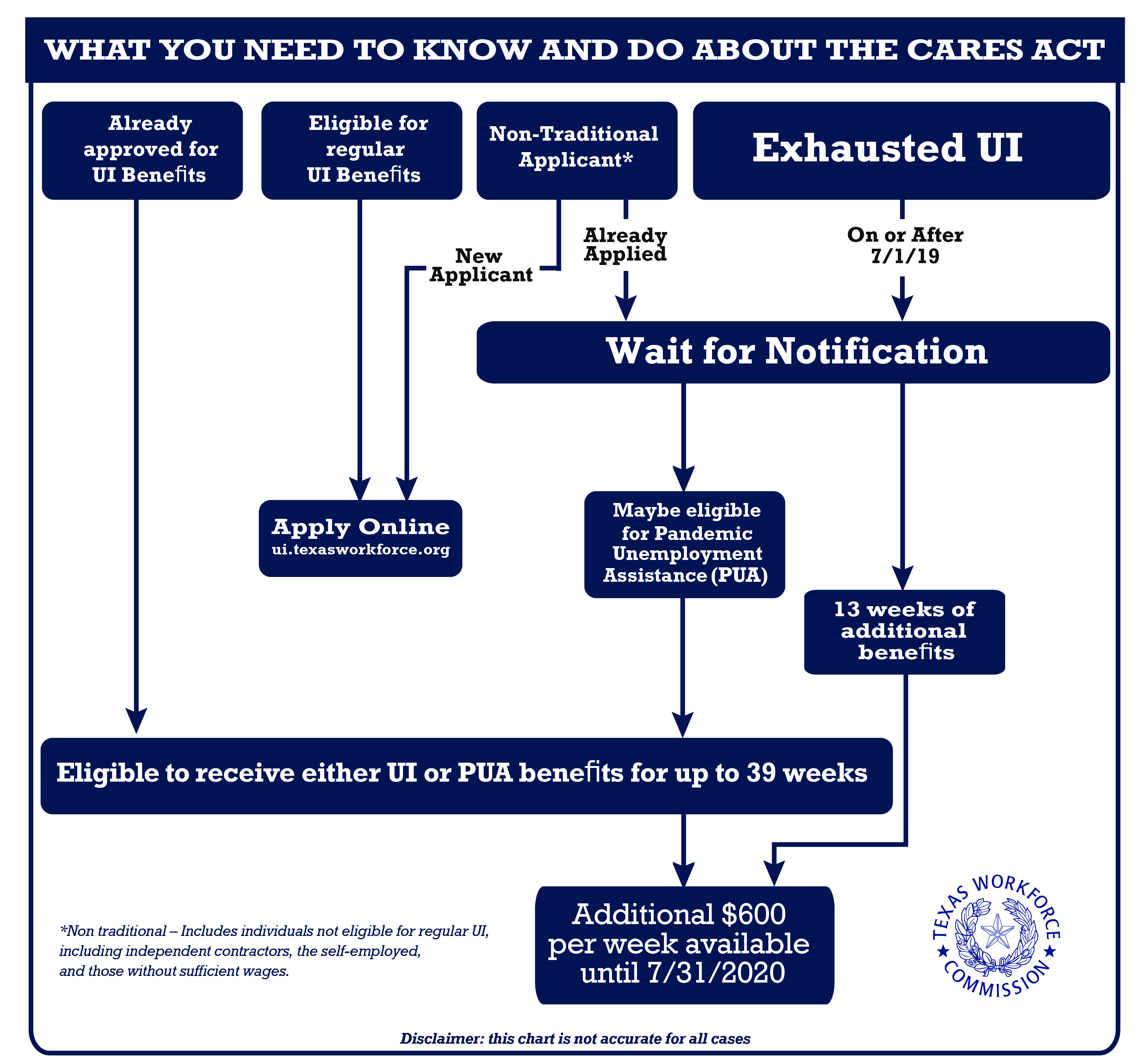
Historically, unemployment benefits in Texas were primarily for traditional employees. However, due to federal legislation, programs like the Pandemic Unemployment Assistance (PUA) have expanded eligibility to include self-employed individuals, independent contractors, and gig workers who were out of work due to the COVID-19 pandemic. While PUA has largely concluded, it’s always advisable to check the TWC website for any updates or new programs that may extend benefits to a wider range of workers. These programs can be a lifeline for those who don’t fit the traditional employer-employee mold, much like finding a charming boutique hotel when your usual resort is fully booked.
Impact of Severance and Other Payments
If you receive severance pay, vacation pay, or other payments from your former employer after your employment ends, these payments can affect your unemployment benefits. In Texas, these payments are often considered wages, and they can delay your eligibility for benefits or reduce the amount you receive for a certain period. The TWC will determine how these payments impact your claim based on the specific terms and timing of the payments. It’s essential to report all such payments accurately when you file your claim.

Work Requirements and Training Programs
The Texas Workforce Commission is committed to helping individuals re-enter the workforce. As such, they offer a range of services, including career counseling, resume writing assistance, interview coaching, and job training programs. Participating in these services can not only improve your chances of finding suitable employment but may also be a requirement for continuing to receive benefits. For instance, if you previously worked in event management for a conference center and are now looking to re-skill, the TWC might offer programs that align with your experience or help you transition to a different field within the broader lifestyle and tourism sectors.
By understanding these qualifications and the application process, you can confidently navigate the Texas unemployment system. Remember, the goal of unemployment benefits is to provide a bridge during challenging times, allowing you to maintain your lifestyle and focus on securing your next professional opportunity. Whether you’re planning a getaway to the Texas Hill Country or dealing with a career transition, being informed is your most valuable asset.
LifeOutOfTheBox is a participant in the Amazon Services LLC Associates Program, an affiliate advertising program designed to provide a means for sites to earn advertising fees by advertising and linking to Amazon.com. Amazon, the Amazon logo, AmazonSupply, and the AmazonSupply logo are trademarks of Amazon.com, Inc. or its affiliates. As an Amazon Associate we earn affiliate commissions from qualifying purchases.