
The allure of a spa—whether it’s the serene retreat nestled within a luxury hotel in Bali, the private oasis in your backyard, or an indulgent feature of a villa rental in Tuscany—lies in its promise of relaxation, rejuvenation, and escape. For those who embrace the finer aspects of travel and lifestyle, a perfect spa experience is paramount. Yet, behind the tranquil waters and soothing jets lies a critical science: water chemistry. Specifically, maintaining the ideal pH level is fundamental not just for the longevity of your spa equipment, but more importantly, for the safety and comfort of everyone who steps into its embrace.
Imagine arriving at a breathtaking resort after a long journey, eager to unwind in its touted spa facilities. The last thing you’d expect is stinging eyes, itchy skin, or a strong chemical odor. These unpleasantries are often direct consequences of imbalanced pH levels. While many guides focus on reducing pH, an equally common and often more problematic issue is when the pH drops too low. This article will guide you through the essential steps and knowledge required to effectively raise the pH in your spa, ensuring every soak is as luxurious and healthful as intended, perfectly aligning with the high standards of a discerning traveler and spa enthusiast.
The Crucial Role of pH in Your Spa Experience
Understanding pH isn’t just a technical detail for spa owners or managers; it’s a cornerstone of the entire spa experience, directly influencing comfort, hygiene, and the lifespan of your investment. For travelers enjoying a well-deserved break at a Grand Hyatt Hotel or a private Airbnb with a hot tub, knowing the basics ensures you can appreciate the efforts made to keep the water pristine, or even troubleshoot if you have your own personal spa at home.
Understanding pH: More Than Just a Number
pH is a measure of how acidic or basic (alkaline) your spa water is. The scale ranges from 0 to 14, with 7 being neutral. Values below 7 indicate acidity, while values above 7 indicate alkalinity. For spa water, the universally recommended ideal pH range is between 7.4 and 7.6, mirroring the pH of human tears. This narrow window is critical for several reasons:
Firstly, it maximizes bather comfort. Water with a pH too far outside this range can irritate the eyes and skin, turning a relaxing soak into an uncomfortable ordeal. Anyone who has experienced red, itchy eyes after a swim knows the sensation, and in the confined space of a spa, this discomfort is amplified. A perfectly balanced pH ensures a smooth, pleasant feel on the skin, contributing significantly to the overall spa experience.
Secondly, the efficacy of your sanitizers, particularly chlorine and bromine, is heavily dependent on pH. When pH is too low (acidic), sanitizers become overly active and dissipate rapidly, leading to increased chemical consumption and potentially damaging spa surfaces. Conversely, when pH is too high (alkaline), sanitizers become sluggish and less effective, creating an environment where bacteria and algae can thrive, compromising water clarity and hygiene. For the discerning individual seeking a pristine environment, whether at a Four Seasons Resort or their private residence, maintaining this balance is non-negotiable.
Finally, proper pH levels protect your spa equipment. Highly acidic water can corrode metal components like heaters, pumps, and jets, leading to costly repairs and a shortened lifespan for your spa. It can also degrade plaster and grout, causing staining and etching. High alkalinity, while less corrosive, can lead to scale formation on surfaces and equipment, reducing efficiency and requiring extensive cleaning. Ensuring your spa operates within the correct pH range is an act of responsible ownership, preserving the longevity and aesthetic appeal of your cherished amenity.
The Impact of Low pH on Your Spa and Well-being
Low pH is a silent saboteur of the spa experience, often overlooked until its effects become glaringly obvious. When the pH in your spa water drops below the ideal 7.4, several problems begin to manifest, diminishing comfort, increasing costs, and even posing health risks.
From a bather’s perspective, low pH translates directly to discomfort. The acidic water can strip natural oils from the skin and hair, leading to dryness, irritation, and itching. Eyes can become red, watery, and sting, effectively ruining the therapeutic aspect of a soak. For individuals with sensitive skin or existing conditions, this can be particularly aggravating. This kind of unpleasant experience is the antithesis of what a spa, especially one found in a top-tier wellness retreat or a luxurious beachfront villa, should offer.
Chemically, acidic water dramatically impacts the effectiveness of your sanitizers. Chlorine, for example, becomes extremely active at low pH, converting into hypochlorous acid (HOCl) which, while a potent disinfectant, is highly volatile and quickly consumed. This “overactive” sanitizer dissipates rapidly, forcing you to add more chemicals to maintain a residual level, leading to increased operational costs and a cycle of chemical imbalance. Moreover, the rapid consumption of sanitizer means the water may not be adequately disinfected for long, posing a health risk from bacteria and other contaminants.
The structural integrity of your spa is also at risk. Low pH water is corrosive. It can eat away at metal components such as heater elements, pump seals, and jet nozzles, leading to premature failure and expensive repairs. The acrylic or fiberglass shell of the spa can also suffer, potentially leading to dullness, fading, or even blistering over time. Furthermore, accessories like covers, steps, and handrails, especially those with metal parts, are vulnerable to acidic attack. Protecting your spa, whether it’s a personal indulgence or a feature of a boutique hotel, against these corrosive effects is vital for its long-term enjoyment and value.
Preparing for pH Adjustment: Tools and Initial Steps
Before you embark on raising your spa’s pH, a little preparation goes a long way. Having the right tools and understanding initial safety protocols are crucial steps in ensuring an effective and safe adjustment process. This careful approach is reflective of the meticulous standards maintained in premier hospitality establishments worldwide.
Essential Testing Kits and Their Usage
The first and most critical step in addressing low pH is accurate testing. You cannot fix what you cannot measure. Several types of testing kits are available, each with its advantages:
- Test Strips: These are the most common and easiest to use. You simply dip a strip into the spa water for a few seconds, then compare the color changes on the strip to a color chart provided on the packaging. Test strips typically measure pH, alkalinity, and sanitizer levels (chlorine/bromine). While convenient, their accuracy can sometimes be limited, and they have a shelf life. They are ideal for quick, routine checks.
- Liquid Test Kits (DPD Kits): These kits involve adding drops of reagents to small water samples, which then change color to indicate levels of pH, chlorine, and alkalinity. DPD kits are generally more accurate than test strips and are preferred by many professionals for their reliability. They require a bit more time and attention but provide a clearer picture of your water chemistry.
- Digital Testers: For the ultimate in precision, digital testers offer an electronic readout of pH and sometimes other parameters. These devices are often more expensive but provide highly accurate results instantly. They require calibration and careful handling but are an excellent investment for those who demand precise control over their spa water.
Regardless of the kit you choose, always follow the manufacturer’s instructions precisely. Collect your water sample from the middle of the spa, away from jets or skimmers, to get a representative reading. Test your water regularly—at least 2-3 times per week, and more frequently during heavy use or after adding fresh water. Understanding the readings from your chosen kit is the foundation of effective spa maintenance. Beyond just pH, pay attention to Total Alkalinity (TA), as it acts as a buffer for pH. If TA is low, pH will be much harder to stabilize. The ideal TA range for spas is typically between 80-120 ppm (parts per million).
Safety First: Protecting Yourself and Your Spa
Working with spa chemicals requires a responsible and cautious approach. Just as professionals at a Ritz-Carlton Spa adhere to strict safety protocols, so should you when maintaining your personal spa.
- Read Product Labels: Always read and understand the instructions and safety warnings on all chemical products before use. Different products have different concentrations and handling requirements.
- Wear Protective Gear: Goggles and chemical-resistant gloves are essential to protect your eyes and skin from splashes and direct contact with chemicals. Even seemingly mild chemicals can cause irritation.
- Ensure Ventilation: When adding chemicals, ensure the area around your spa is well-ventilated. This is especially important for indoor spas or those in enclosed spaces to prevent inhaling fumes.
- Add Chemicals Slowly and Carefully: Never dump large quantities of chemicals into the spa at once. Add them gradually, distributing them over the water surface while the jets are running (if possible) to ensure thorough mixing. Adding chemicals too quickly can cause concentrated areas of imbalance and potentially damage surfaces or equipment.
- Never Mix Chemicals: This is a crucial rule. Mixing different spa chemicals, especially in concentrated forms, can produce dangerous reactions, release toxic fumes, or even cause explosions. Always add chemicals one at a time, allowing for proper circulation and dissolution before adding the next.
- Store Chemicals Properly: Keep all spa chemicals in their original, clearly labeled containers in a cool, dry, well-ventilated area, away from direct sunlight and out of reach of children and pets. Ensure lids are tightly sealed.
- Keep Water Circulating: Before, during, and after adding pH increaser, keep your spa’s circulation system (jets and pump) running for at least 30-60 minutes to thoroughly distribute the chemical throughout the water. This prevents localized concentrations and ensures an accurate retest.
By adhering to these safety guidelines, you protect yourself, your spa, and those who enjoy its rejuvenating waters, ensuring a worry-free and luxurious experience, whether it’s at your home or during a stay at an exquisite Mandarin Oriental Hotel.
Step-by-Step Guide to Raising Spa pH
Once you’ve tested your water and confirmed a low pH reading, it’s time to take action. This process, while straightforward, requires precision and patience to achieve the perfect balance. Think of it as a delicate art, much like the meticulous service found at the world’s most exclusive destination spas.
Choosing the Right pH Increaser
Several products are available specifically designed to raise spa pH. The two most common and effective are:
- Sodium Carbonate (Soda Ash): This is the most common and widely available pH increaser for spas and pools. It is highly effective at raising pH. When purchasing, look for products clearly labeled “pH Increaser” or “pH Up” for spas, which are typically sodium carbonate.
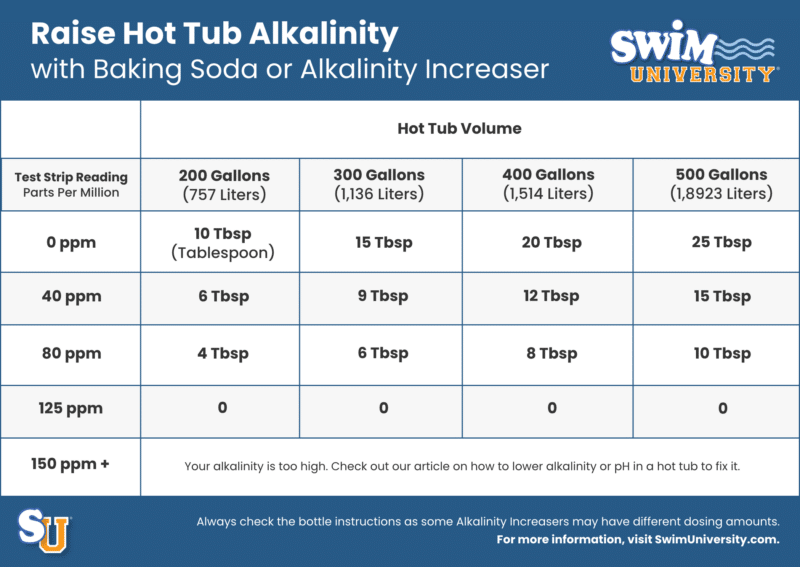
- Sodium Bicarbonate (Baking Soda): While sodium bicarbonate also raises pH, its primary role is actually to increase Total Alkalinity (TA). Since TA acts as a buffer for pH, increasing TA will indirectly help stabilize and slightly raise pH. If your TA is also low along with low pH, sodium bicarbonate can be a good starting point. However, if your TA is already within the ideal range (80-120 ppm) and only your pH is low, sodium carbonate is the more direct and effective choice for pH adjustment.
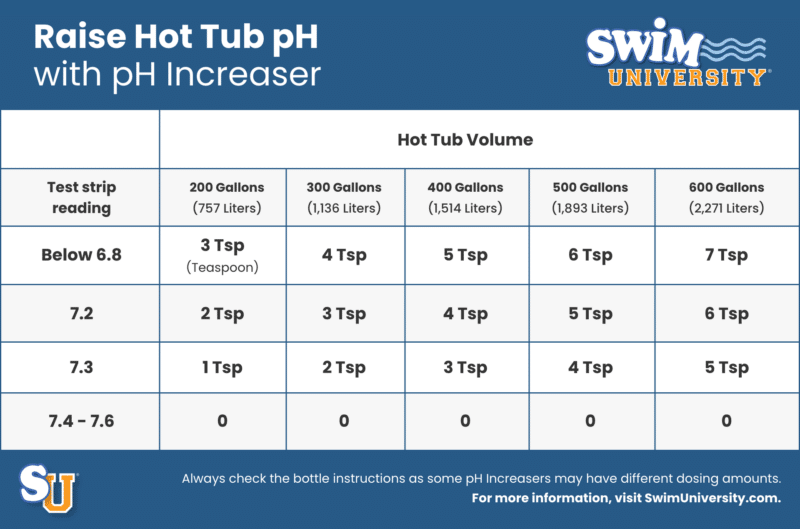
Always check your product label for specific instructions and recommended dosages, as concentrations can vary between brands. When deciding which product to use, consider your current TA levels. If both pH and TA are low, a combination or sequential addition might be necessary, starting with sodium bicarbonate to boost TA, then using sodium carbonate if pH remains stubbornly low.
Application Techniques for Optimal Results
Adding pH increaser requires a systematic approach to ensure even distribution and prevent localized chemical imbalances.
- Calculate Dosage: Refer to your chemical product’s instructions. Most will provide a dosage chart based on your spa’s volume (in gallons or liters) and how much you need to raise the pH (e.g., “add X amount to raise pH by 0.2 in 400 gallons”). Start with a conservative amount. It’s always easier to add more than to correct an overshoot.
- Dilute (Optional but Recommended): For granulated pH increasers like soda ash, it’s often beneficial to pre-dissolve the measured amount in a bucket of spa water (never tap water) before adding it to the spa. This prevents undissolved granules from settling on surfaces and potentially causing etching or staining. Always add chemicals to water, not water to chemicals, to minimize splashes.
- Ensure Circulation: Turn on your spa’s jets and pump to ensure water circulation. This will help distribute the chemical quickly and evenly throughout the spa.
- Slow and Even Application: Slowly pour the pre-dissolved or granulated pH increaser directly into the spa water, typically over the surface, away from the skimmer or filter, while the jets are running. Avoid dumping it all in one spot.
- Allow for Circulation and Waiting Period: Let the spa circulate for at least 30-60 minutes after adding the chemical. This allows the pH increaser to fully dissolve and integrate into the water chemistry.
- Re-test: After the circulation period, re-test your spa water using your chosen test kit. Do not re-test immediately after adding chemicals, as you will get an inaccurate reading.
Remember, patience is key. Water chemistry changes can take time to fully manifest.
Patience and Re-testing: The Keys to Success
One of the biggest mistakes spa owners make is adding too much chemical too quickly. Water chemistry is a delicate balance, and drastic changes can create new problems or make existing ones worse.
- Incremental Adjustments: If your pH is significantly low (e.g., below 7.0), resist the urge to add a large dose all at once. Instead, make incremental adjustments. Add about half of the recommended dosage to reach your target pH, allow for full circulation and a waiting period (e.g., 4-6 hours, or even overnight if making larger adjustments), then re-test.
- Wait and See: After re-testing, if the pH is still low, add another smaller increment of pH increaser. Repeat this process until you slowly nudge the pH into the ideal 7.4-7.6 range. This gradual approach minimizes the risk of overshooting the target and causing a pH spike, which then requires a pH reducer to bring it back down. This cyclical addition of chemicals is not only inefficient but can also make water harder to stabilize in the long run.
- Record Keeping: Keep a simple log of your test results and the chemicals added. This helps you understand how your spa’s water chemistry responds to different treatments and environmental factors. Over time, you’ll develop a better intuition for your spa’s specific needs, much like a seasoned travel blogger learns the nuances of different destinations.
By following these steps, you’ll effectively and safely raise your spa’s pH, ensuring the water is perfectly balanced for a luxurious and comfortable soak. This meticulous attention to detail is what transforms a simple hot tub into a truly exceptional spa experience, akin to the impeccable standards you’d find at a world-class establishment like Aman Resorts.
Maintaining Ideal pH Levels for Long-Term Enjoyment
Achieving the perfect pH balance is only half the battle; the real challenge and reward lie in maintaining it consistently. A stable pH ensures continuous comfort, hygiene, and protection for your spa, allowing for uninterrupted enjoyment and maximizing your investment, whether it’s a home feature or a crucial amenity at a boutique resort in Santorini.
Daily Habits for pH Stability
Consistent care is the cornerstone of a stable spa environment. Integrating a few simple habits into your routine can prevent dramatic pH swings and keep your water pristine:
- Regular Testing: Make pH testing a habit, especially before each use and at least 2-3 times per week. This proactive approach allows you to catch minor fluctuations before they escalate into major problems. For example, if you notice your pH consistently drifting downwards, you can make small, preemptive adjustments.
- Monitor Total Alkalinity (TA): As mentioned earlier, TA is the buffer for pH. Low TA (below 80 ppm) means your pH will be highly unstable and prone to dropping. High TA (above 120 ppm) can make it difficult to adjust pH and can lead to scale formation. Always ensure your TA is within the ideal 80-120 ppm range. If TA is consistently low, use sodium bicarbonate (baking soda) to raise it, which will, in turn, help stabilize pH.
- Manage Calcium Hardness: Another crucial water balance parameter is Calcium Hardness (CH), ideally between 150-250 ppm. Low CH can lead to corrosive water, affecting pH stability. High CH can cause scaling. Balanced CH helps maintain overall water stability and protects equipment.
- Sanitizer Type: The type of sanitizer you use can influence pH. Chlorine, especially dichlor, is relatively pH neutral or slightly acidic. Bromine, on the other hand, tends to increase pH over time. Be aware of your sanitizer’s impact and factor it into your pH adjustments.
- Aeration and Jet Usage: Excessive aeration from jets and blowers can cause pH to rise over time by off-gassing carbon dioxide from the water. While beneficial for relaxation, be mindful of prolonged, intense aeration, especially if you find your pH consistently creeping up.
- Bather Load: Each person brings contaminants into the spa, impacting water chemistry. Frequent use by multiple bathers can quickly deplete sanitizers and influence pH. Showering before entering the spa significantly reduces the amount of body oils, lotions, and perspiration, easing the burden on your water chemistry.
- Regular Cleaning and Filtration: A clean filter is vital for clear, balanced water. Clean or replace your filter cartridges according to manufacturer recommendations. Regularly clean the spa shell to prevent biofilm buildup, which can also affect water chemistry.
- Fresh Water Management: Over time, spa water accumulates dissolved solids and chemical byproducts that make it harder to balance. Draining and refilling your spa completely every 3-4 months (or more frequently with heavy use) is essential for maintaining optimal water quality and simplifying chemical management.
By incorporating these practices, you’re not just reacting to problems but actively creating a stable and healthy environment for your spa, ensuring that it’s always ready for a soothing soak, whether it’s part of a staycation lifestyle or a luxurious travel experience.
Troubleshooting Common pH Fluctuations
Despite diligent efforts, pH levels can sometimes behave unpredictably. Knowing how to troubleshoot common issues can save you time and frustration.
- Persistent Low pH: If your pH consistently drops even after adjustment, first re-check your TA. If TA is low, address that first with sodium bicarbonate. If TA is stable, consider if you’re frequently adding acidic sanitizers or if rainwater (which is typically acidic) is entering the spa. Also, ensure your test kit isn’t expired and is giving accurate readings.
- High pH After Adjustment: This usually indicates over-dosing the pH increaser. The solution is to use a pH reducer (typically sodium bisulfate or muriatic acid, also known as “pH Down”). Again, add sparingly, circulate, and re-test incrementally.
- pH “Locking” (Difficult to Adjust): If pH seems unresponsive to chemicals, check your TA and Calcium Hardness. If these are significantly out of range, they can make pH very difficult to budge. Correcting TA and CH should be your priority. In extreme cases, a partial drain and refill with fresh water can help “reset” the chemistry.
- Seasonal and Environmental Factors: Outdoor spas are more susceptible to environmental influences. Rain can lower pH, while intense sunlight can accelerate sanitizer depletion and cause pH fluctuations. Adjust your maintenance routine accordingly, perhaps testing more frequently during periods of extreme weather.
Mastering these troubleshooting techniques transforms spa maintenance from a chore into an intuitive process, allowing you to quickly resolve issues and return to enjoying the serene waters of your perfectly balanced spa, much like an experienced traveler navigates diverse cultures with ease and confidence.
Enhancing Your Spa Lifestyle: Beyond pH Balance
While maintaining perfect pH is crucial, it’s merely one component of curating an exceptional spa lifestyle. For those who appreciate the finer things in life, particularly in travel and personal well-being, the art of spa care extends to creating an environment that invigorates the senses and soothes the soul. It’s about ensuring every moment spent in your spa rivals the tranquility found in the most esteemed wellness retreats across the globe, from the thermal baths of Budapest to the natural wonders of Blue Lagoon Iceland.
The Connection Between Water Quality and Luxury Spa Travel
The essence of a luxury spa experience, whether at a five-star Marriott hotel or a secluded villa, lies in its impeccable water quality. Discerning travelers seek out destinations renowned for their pristine water—be it a refreshing swim in the Mediterranean Sea or a therapeutic soak in a geothermal spring. This inherent expectation for quality water directly translates to the spa environment.
When a spa’s pH is perfectly balanced, the water isn’t just safe; it feels exceptional. It’s soft on the skin, causes no eye irritation, and allows the subtle fragrances of aromatherapy to truly shine. This attention to detail elevates a simple hot tub into a sanctuary of wellness. Hotels and resorts invest significantly in advanced filtration systems, precise chemical dosing, and rigorous testing protocols to ensure their spa water consistently meets these high standards. They understand that a guest’s perception of luxury is deeply tied to comfort and sensory delight.
For individuals with home spas, adopting these professional-level practices ensures your personal retreat offers a comparable level of luxury. A commitment to balanced pH and overall water chemistry means that every time you step into your spa, you’re not just soaking; you’re indulging in an experience designed for ultimate relaxation and health, mirroring the standards you’d expect from an exclusive health spa in Koh Samui. It’s a testament to a lifestyle that prioritizes well-being, whether you’re traveling the world or enjoying the comforts of your own home.
Maximizing Relaxation: A Perfectly Maintained Spa
A spa that consistently boasts ideal pH levels and overall balanced water chemistry is a spa that truly delivers on its promise of relaxation and rejuvenation. Beyond the technical aspects, a well-maintained spa contributes to a holistic lifestyle focused on stress reduction and mental clarity.
Think of the sensory experience: the inviting warmth of the water, the gentle massage of the jets, the absence of harsh chemical odors, and the crystal-clear view of the spa’s interior. These elements converge to create an atmosphere conducive to true unwinding. When you’re not worrying about stinging eyes or irritated skin, your mind is free to release tension, engage in mindful meditation, or simply enjoy quiet contemplation.
Incorporating additional elements like subtle, waterproof lighting, soothing underwater music, or natural aromatherapy (using spa-safe essential oils) can further enhance this experience. These touches transform your spa from a functional amenity into a personal oasis, a mini-vacation available on demand.
In essence, raising and maintaining the pH in your spa is more than just a chore; it’s an investment in your well-being and a commitment to a lifestyle of luxury and comfort. It ensures that your spa remains a pristine, inviting haven, ready to offer a slice of paradise whenever you need to escape the everyday, much like discovering a hidden gem during your travels that promises unparalleled relaxation and lasting memories. Embrace the science, master the maintenance, and unlock the full potential of your spa for a truly enriching lifestyle.
LifeOutOfTheBox is a participant in the Amazon Services LLC Associates Program, an affiliate advertising program designed to provide a means for sites to earn advertising fees by advertising and linking to Amazon.com. Amazon, the Amazon logo, AmazonSupply, and the AmazonSupply logo are trademarks of Amazon.com, Inc. or its affiliates. As an Amazon Associate we earn affiliate commissions from qualifying purchases.