
In the realm of academic and professional writing, precise and consistent referencing is paramount. When delving into the intricacies of research, historical analysis, or cultural exploration, the ability to attribute sources accurately is not merely a matter of good practice, but a fundamental requirement for scholarly integrity. Among the various citation styles, the Chicago Manual of Style (CMOS) stands out for its comprehensive guidelines, offering two distinct systems: the notes-bibliography system and the author-date system. For many researchers, particularly those focusing on humanities, arts, and history, understanding how to implement Chicago style in-text citations is crucial. This guide aims to demystify this process, ensuring your work is both credible and compliant with Chicago’s esteemed standards, especially when discussing topics related to travel, destinations, and cultural experiences.

Understanding the Chicago Manual of Style In-Text Systems
The Chicago Manual of Style offers two primary methods for in-text citations, each with its own advantages and applications. The choice between them often depends on the specific discipline, the nature of the research, and the preferences of publishers or instructors. For writers engaging with the rich tapestry of travel, culture, and historical landmarks, a solid grasp of both systems is beneficial.
The Notes-Bibliography System
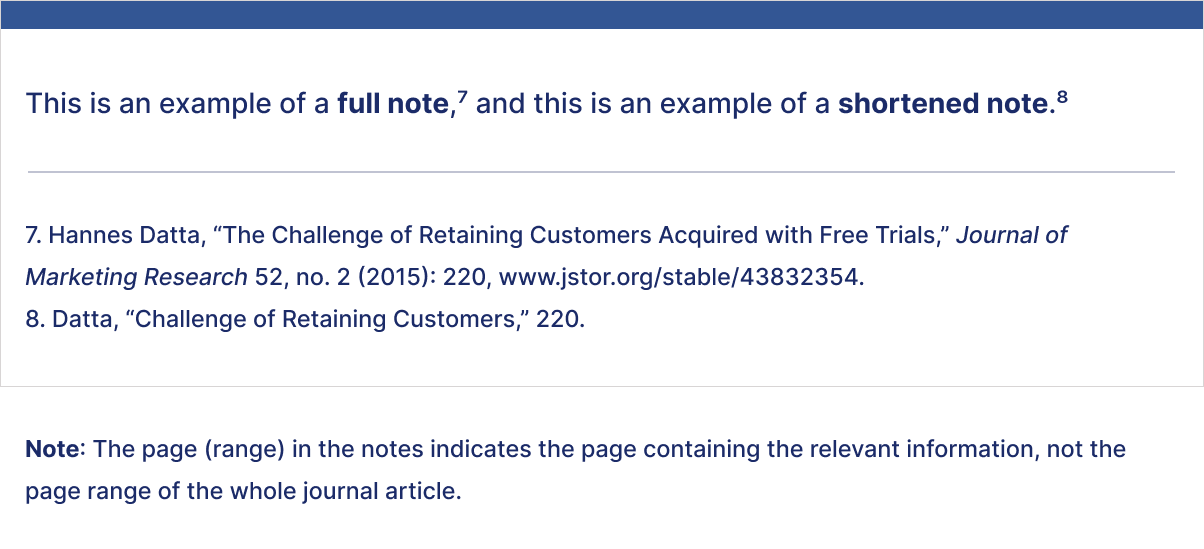
This system, often favored in fields like history, literature, and art history, relies on superscript numbers within the text that correspond to full citations in footnotes or endnotes. These notes, appearing at the bottom of the page (footnotes) or at the end of the document (endnotes), provide complete bibliographic information for the source.
How It Works
When a specific piece of information—a quote, a fact, or an idea—is drawn from a source, a superscript number is placed immediately after the relevant text, typically at the end of a sentence or clause. For example, if you were discussing the architectural marvels of Machu Picchu, and you quoted a historian’s description, the citation might look like this:
“The intricate stonework of Machu Picchu demonstrates an unparalleled understanding of engineering for its time.”¹
The corresponding footnote or endnote would then provide the full bibliographic details of the source. The first time a source is cited, the note includes all necessary information. Subsequent citations of the same source can be shortened, often using only the author’s last name, a shortened title, and the page number.
Advantages for Travel Writing
The notes-bibliography system can be particularly effective in travel writing that aims for a deep dive into historical context or scholarly analysis of a destination. It allows for the main narrative flow to remain uninterrupted by lengthy citations, while still providing readers with the option to explore the sources in detail. This is ideal when discussing the historical significance of a landmark like the Great Wall of China, or the cultural evolution of a city like Kyoto. It also allows for supplementary commentary or explanations within the notes, which can enrich the reader’s understanding of a particular attraction or experience without cluttering the main text.
The Author-Date System
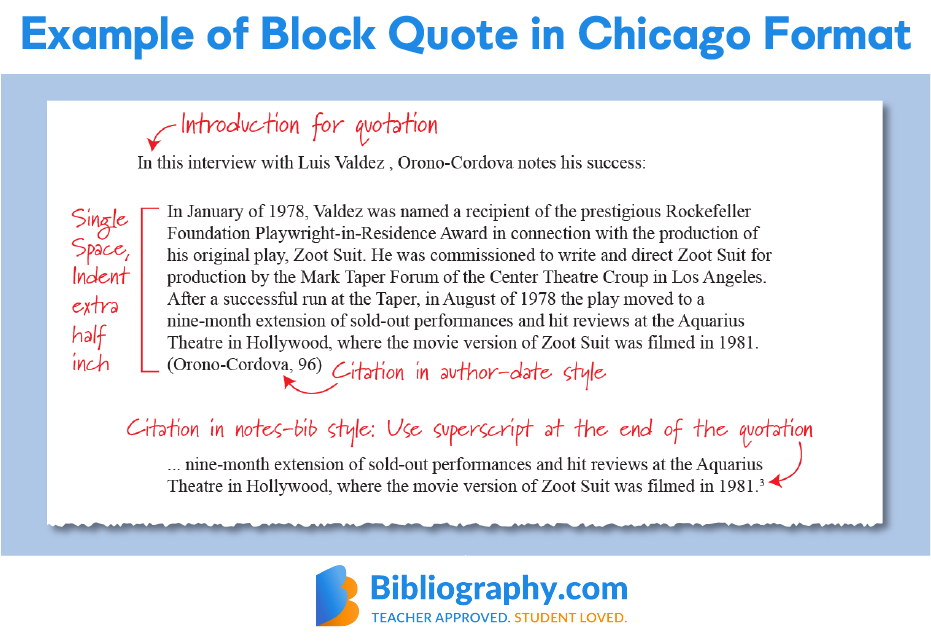
The author-date system, more common in the social sciences and natural sciences, uses parenthetical citations within the text. These citations typically include the author’s last name and the year of publication, and often the page number if a direct quote is used.
How It Works
When referencing a source in the author-date system, the in-text citation is placed parenthetically within the text, usually at the end of the sentence or clause containing the borrowed material. For instance, when exploring the culinary traditions of Italy, a writer might cite a food historian:
The rich history of pasta making in Italy is well-documented (Rossi 2018, 45).
If the author’s name is already mentioned in the sentence, only the year and page number are needed:
According to Rossi, the rich history of pasta making in Italy is well-documented (2018, 45).
A comprehensive reference list, alphabetized by author’s last name, appears at the end of the document, providing the full bibliographic details for each source cited.
Advantages for Travel Writing
The author-date system offers a more concise and direct way to attribute sources within the text, which can be beneficial for travel guides or articles where the primary focus is on providing practical information and engaging descriptions of destinations. It allows readers to quickly identify the source of information without needing to refer to separate footnotes or endnotes. This is particularly useful when referencing contemporary travel guides, economic reports on tourism, or sociological studies of tourist behavior. For example, when discussing the economic impact of tourism on a region like the Riviera Maya, citing the relevant studies with author-date is efficient.
Crafting In-Text Citations: Key Principles
Regardless of which Chicago system you choose, adhering to a few core principles will ensure clarity and accuracy in your in-text citations. These principles are fundamental to maintaining academic rigor and giving due credit to the original creators of ideas and information, especially when chronicling the wonders of the world.
Identifying and Linking Sources
The most critical aspect of in-text citation is accurately identifying the source of your information. This means diligently tracking every quote, paraphrased idea, statistic, or fact that originates from external material. When researching a topic, such as the history of the Eiffel Tower or the geological formations of Grand Canyon National Park, it’s essential to record the author, title, publication year, and specific page numbers of the sources consulted.
Direct Quotes vs. Paraphrasing
The way you integrate information from a source influences the citation’s format.
Direct Quotations
When using the exact words of an author, the quotation must be enclosed in quotation marks. In the notes-bibliography system, a superscript number is placed after the closing quotation mark, and the corresponding note will include the page number. In the author-date system, the parenthetical citation will include the page number.
Example (Notes-Bibliography):
“The ancient Egyptians possessed a remarkable ability to construct monumental structures with precision and durability.”²
Example (Author-Date):
“The ancient Egyptians possessed a remarkable ability to construct monumental structures with precision and durability” (Davies 2015, 78).
Paraphrasing and Summarizing
When you restate an author’s idea or information in your own words, it is called paraphrasing or summarizing. While quotation marks are not used, you still must cite the source to avoid plagiarism. In the notes-bibliography system, the superscript number follows the paraphrased or summarized text. In the author-date system, the parenthetical citation follows, typically without a page number unless the author explicitly directs you to a specific section or the paraphrased information is very specific.
Example (Notes-Bibliography):
The enduring legacy of the ancient Egyptian civilization is evident in their sophisticated architectural achievements.⁴
Example (Author-Date):
The enduring legacy of the ancient Egyptian civilization is evident in their sophisticated architectural achievements (Davies 2015).
Handling Multiple Authors and Editors
Chicago style provides specific guidelines for citing works with multiple authors or editors, especially when dealing with edited collections of essays on travel or cultural studies.
Two or Three Authors
For works with two or three authors, list all authors’ last names in the in-text citation.
Example (Notes-Bibliography):
Jones and Smith argue that the rise of sustainable tourism is a critical development in the travel industry.⁵
Example (Author-Date):
Jones and Smith argue that the rise of sustainable tourism is a critical development (Jones and Smith 2019, 112).
Four or More Authors
For works with four or more authors, cite only the first author’s last name followed by “et al.” (which means “and others”).
Example (Notes-Bibliography):
Brown et al. highlight the importance of preserving indigenous cultural practices in popular tourist destinations.⁶
Example (Author-Date):
Brown et al. highlight the importance of preserving indigenous cultural practices (Brown et al. 2020, 55).
Edited Works
When citing a chapter or essay within an edited collection, the citation typically refers to the author of the specific piece, not the editors of the entire book.
Example (Notes-Bibliography):
In an essay on the cultural impact of themed resorts, Chen discusses the homogenization of local experiences.⁷
Example (Author-Date):
Chen discusses the homogenization of local experiences within the context of themed resorts (Chen 2021, 199).
Advanced Citation Scenarios in Travel Writing
The dynamic nature of travel and the diverse sources of information encountered—from historical archives to personal travel blogs—necessitate an understanding of how to handle more complex citation scenarios within the Chicago style.
Citing Electronic Sources
The internet has revolutionized how we access information about travel. Citing online articles, websites, and digital archives requires careful attention to detail.
Websites and Online Articles
For online articles or web pages, the citation should include the author (if available), the title of the page or article, the name of the website, and the publication date or last updated date. A URL is typically included in the full bibliographic entry in the reference list or bibliography, but not always in the in-text citation itself unless specified by the style guide or instructor.
Example (Notes-Bibliography):
The official tourism website for New Zealand offers comprehensive guides for independent travelers.⁸
Example (Author-Date):
The official tourism website for New Zealand offers comprehensive guides (New Zealand Tourism Board 2022).
Digital Archives and Databases
When referencing historical documents or contemporary data found in digital archives or databases, such as those pertaining to the history of national parks or immigration patterns to a city like New York City, you need to provide enough information for the reader to locate the specific resource.
Example (Notes-Bibliography):
Census data from the early 20th century reveals a significant influx of European immigrants to New York City.⁹
Example (Author-Date):
Census data from the early 20th century reveals a significant influx of European immigrants (U.S. Census Bureau, accessed October 26, 2023).
Citing Secondary Sources
Occasionally, you may encounter a source that discusses another source. This is known as citing a secondary source. Chicago style generally advises consulting primary sources whenever possible, but if a secondary source is unavoidable, it should be cited appropriately.
How to Cite
In the notes-bibliography system, you would indicate that the information was found in a secondary source.
Example (Notes-Bibliography):
According to historical accounts compiled by Miller, early explorers described the indigenous tribes of the Amazon rainforest as having a deep spiritual connection to the land.¹⁰
In the author-date system, the citation would follow a similar pattern, clearly indicating the indirect source.
Example (Author-Date):
Early explorers described the indigenous tribes of the Amazon rainforest as having a deep spiritual connection to the land (Miller 2017, 32, citing Harrison 1999).
Citing Non-Print Media
Travel writing often incorporates insights from documentaries, interviews, and other non-print media.
Documentaries and Films
For documentaries or films, you would cite the director and year.
Example (Notes-Bibliography):
The documentary Wonders of the Ancient World explored the engineering feats of civilizations across the globe.¹¹
Example (Author-Date):
The documentary Wonders of the Ancient World explored the engineering feats of civilizations across the globe (Director: Anya Sharma, 2018).
Interviews
Personal interviews, common when researching local culture or experiences in a specific destination, should be cited.
Example (Notes-Bibliography):
A personal interview with a local artisan in Marrakech revealed the intricate processes involved in traditional rug making.¹²
Example (Author-Date):
A personal interview with a local artisan in Marrakech revealed the intricate processes involved in traditional rug making (Interview with Fatima Zahra, May 15, 2023).
Ensuring Consistency and Accuracy
Mastering Chicago style in-text citations is an ongoing process that requires diligence and attention to detail. Whether you are documenting the historical significance of ancient ruins or providing practical advice for exploring bustling metropolises like Tokyo, accurate referencing is the bedrock of credible writing.
The Importance of a Reference List or Bibliography
Both the notes-bibliography and author-date systems conclude with a comprehensive list of all sources cited in the text.
Bibliography (Notes-Bibliography System)
A bibliography lists all sources consulted, whether cited or not. It is alphabetized by the author’s last name.
Reference List (Author-Date System)
A reference list includes only those sources that were actually cited in the text. It is also alphabetized by the author’s last name.
Proofreading and Verification
Before submitting any work, rigorous proofreading is essential. Carefully check that every in-text citation corresponds correctly to an entry in your bibliography or reference list. Ensure that page numbers are accurate, author names are spelled correctly, and all necessary details are present. A misplaced comma or a missing word can compromise the integrity of your citations. For travel writers, this meticulous approach ensures that every detail about a destination, from the best way to experience the Northern Lights to the historical context of Roman ruins, is presented with the highest degree of accuracy and attribution.
LifeOutOfTheBox is a participant in the Amazon Services LLC Associates Program, an affiliate advertising program designed to provide a means for sites to earn advertising fees by advertising and linking to Amazon.com. Amazon, the Amazon logo, AmazonSupply, and the AmazonSupply logo are trademarks of Amazon.com, Inc. or its affiliates. As an Amazon Associate we earn affiliate commissions from qualifying purchases.