
Navigating the waterways of Louisiana is a quintessential experience for locals and tourists alike. From the sprawling marshes of the Atchafalaya Basin to the iconic currents of the Mississippi River, the state offers unparalleled opportunities for boating, fishing, and exploration. However, before you can legally pilot your vessel through the bayous near New Orleans or cast a line in Lake Pontchartrain, you must ensure your boat is properly registered with the Louisiana Department of Wildlife and Fisheries.
The process can become complicated when a vessel, often purchased through a private sale, lacks a proper title. Understanding how to navigate these regulatory waters is essential for anyone looking to enjoy the aquatic lifestyle in the Bayou State.
Understanding the Legal Landscape of Boat Ownership
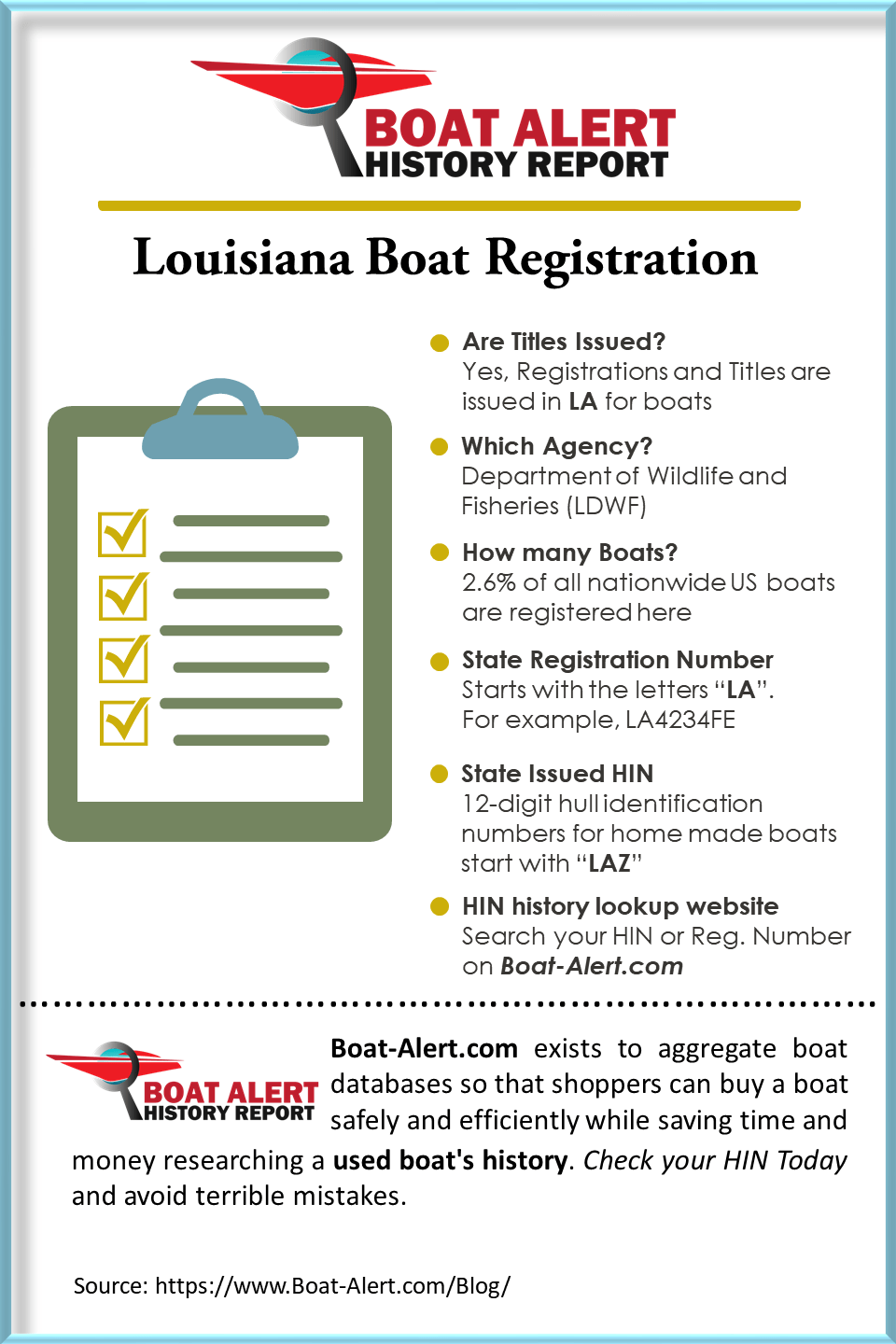
In Louisiana, a boat registration serves as your legal documentation to operate on public waterways. While many states issue physical titles for boats, Louisiana operates under a registration system primarily tracked by the LDWF. When a title is missing, the state requires proof of ownership to ensure the vessel was not stolen and that taxes have been accounted for.
Why Titles Go Missing
It is common for older vessels, fishing skiffs, or family heirlooms to change hands multiple times without the formal transfer of paperwork. In some cases, the original manufacturer’s certificate of origin was lost decades ago. Regardless of the reason, the state requires a paper trail to establish a new owner in the system. If you find yourself in possession of an untitled boat, you are essentially starting the registration process from a “clean slate,” which requires specific documentation to satisfy state requirements.
The Importance of Due Diligence
Before initiating the registration process, verify the hull identification number (HIN). Every vessel manufactured after 1972 is required to have a 12-character HIN. If the number is missing, altered, or damaged, your path to registration becomes significantly more difficult, often involving law enforcement verification. Always conduct a check through the National Insurance Crime Bureau to ensure the vessel is not reported as stolen before you invest time and money into the registration process.
The Step-by-Step Registration Process for Untitled Boats
When you do not have a title, you must prove ownership through a “Bill of Sale” and, in some cases, a court order or a specific affidavit. The Louisiana Department of Wildlife and Fisheries provides clear guidelines for this procedure, but it requires patience and meticulous record-keeping.
Gather Your Documentation
The cornerstone of your application will be the Louisiana Boat Registration/Title Application. Beyond this form, you will need:
- Notarized Bill of Sale: This document must include the buyer’s and seller’s information, a detailed description of the boat (including the make, model, length, and HIN), the purchase price, and the signatures of both parties notarized.
- Proof of Previous Registration: If the boat was previously registered in Louisiana or another state, try to obtain a copy of the old registration certificate.
- Photographs of the Vessel: Providing clear photos of the HIN and the boat itself helps officials verify the physical condition and existence of the craft.
The Affidavit of Ownership
If you cannot locate the previous owner to sign a Bill of Sale, you may need to file an Affidavit of Ownership. This legal document acts as a sworn statement under oath that you are the rightful owner of the vessel. In some instances, the LDWF may require you to post a bond or go through a civil court process to “quiet the title,” effectively asking a judge to declare you the legal owner of the abandoned or untitled property.
Submitting to the LDWF
Once your documents are gathered and notarized, you can submit your application either in person at the Baton Rouge headquarters or through their designated regional offices. Given the complexity of untitled vessels, in-person visits are often recommended to address any discrepancies immediately. Be prepared to pay the registration fees, which are calculated based on the length of the vessel and whether it is motorized.
Navigating Local Regulations and Regional Nuances
While state laws provide the framework for registration, the way you use your boat in specific regions of Louisiana may influence your compliance needs. Whether you are navigating the Calcasieu Lake or cruising near Grand Isle, consistency is key.
Taxes and Vessel Registration
Be aware that the Louisiana Department of Revenue is often involved in the registration process. If you purchased the boat from a private party and did not pay state sales tax at the time of purchase, the LDWF will likely require proof of tax payment before issuing your registration decals. Ensure you have a copy of your receipt or tax payment confirmation to avoid delays.
The Role of Marine Enforcement
Once you have your registration, ensure your numbers are displayed correctly. The state requires the registration number to be painted or attached to each side of the forward half of the vessel in block letters at least three inches high. This is critical for Louisiana Wildlife and Fisheries agents who patrol popular areas like Bayou Lafourche. Keeping your paperwork on board is just as important as the physical registration sticker.
Troubleshooting Common Registration Issues
If your application is rejected, do not be discouraged. Common reasons for rejection include:
- Incomplete Signatures: Ensure every required field on the Louisiana Boat Registration/Title Application is signed and dated.
- Illegible HIN: If the HIN is rusted or worn, you may need to have a marine surveyor or a law enforcement officer verify it.
- Missing Sales Tax Proof: Always have your documentation regarding the transfer of funds and tax liability ready to present.
Enjoying the Louisiana Waterways Legally
Once you have secured your registration, the expansive beauty of the Gulf of Mexico and the quiet serenity of the Atchafalaya National Wildlife Refuge become accessible to you. Owning a boat in Louisiana is a lifestyle that connects you to the history and ecology of the region.
Tips for Responsible Boating
As a new boat owner, familiarize yourself with Louisiana Boating Safety Courses. These programs are not only mandatory for some age groups but are an invaluable resource for understanding local navigation markers, “no-wake” zones, and environmental protections for sensitive areas like the Jean Lafitte National Historical Park and Preserve.
Maintaining Your Registration
Remember that Louisiana boat registrations typically expire on a three-year cycle. Mark your calendar to ensure you renew before the expiration date to avoid late fees or, worse, being stopped by authorities. Many renewals can now be handled via the LDWF online portal, making it easier than ever to keep your documentation current while you focus on your next trip to Lake Charles.
By following these procedures and maintaining open communication with the Louisiana Department of Wildlife and Fisheries, you can successfully transition your untitled vessel into a fully legal, registered boat ready for adventure. Whether you are seeking the thrill of offshore fishing or the quiet reflection of a sunset in the marsh, having your paperwork in order is the first step toward a worry-free time on the water.
LifeOutOfTheBox is a participant in the Amazon Services LLC Associates Program, an affiliate advertising program designed to provide a means for sites to earn advertising fees by advertising and linking to Amazon.com. Amazon, the Amazon logo, AmazonSupply, and the AmazonSupply logo are trademarks of Amazon.com, Inc. or its affiliates. As an Amazon Associate we earn affiliate commissions from qualifying purchases.