
Florida, often lauded as the Sunshine State, is more than just a premier destination for travelers seeking pristine beaches, vibrant cities, and world-class attractions. It’s also a dynamic and attractive hub for entrepreneurs, particularly those looking to establish businesses in the thriving travel, hospitality, and lifestyle sectors. From boutique hotels in South Beach to adventure tourism companies near Everglades National Park, and from luxury accommodation providers in Naples to culinary experiences in St. Augustine, the opportunities are vast. However, turning a brilliant business idea into a legal entity in this promising state requires navigating a series of registration steps. Understanding these procedures is crucial for ensuring compliance, protecting your assets, and setting the stage for long-term success in Florida’s competitive market.
This comprehensive guide will walk you through the essential steps to register a business in Florida, focusing on practical advice relevant to anyone looking to launch a venture, perhaps even one catering to the millions of tourists who flock to destinations like Orlando, Miami, and Tampa each year. By carefully following these guidelines, you can ensure your business journey in the Sunshine State begins on solid ground, allowing you to focus on delivering exceptional experiences, whether you’re managing vacation rentals in Key West or curating bespoke travel itineraries across the Florida Keys.
Laying the Foundation: Pre-Registration Essentials for Your Florida Venture
Before diving into the official registration paperwork, several critical preliminary steps need careful consideration. These initial decisions will significantly impact your business’s legal structure, operational requirements, and long-term viability. For those dreaming of a business that aligns with the vibrant Florida lifestyle, these foundational elements are especially important.
Choosing Your Business Structure: The Cornerstone of Your Enterprise
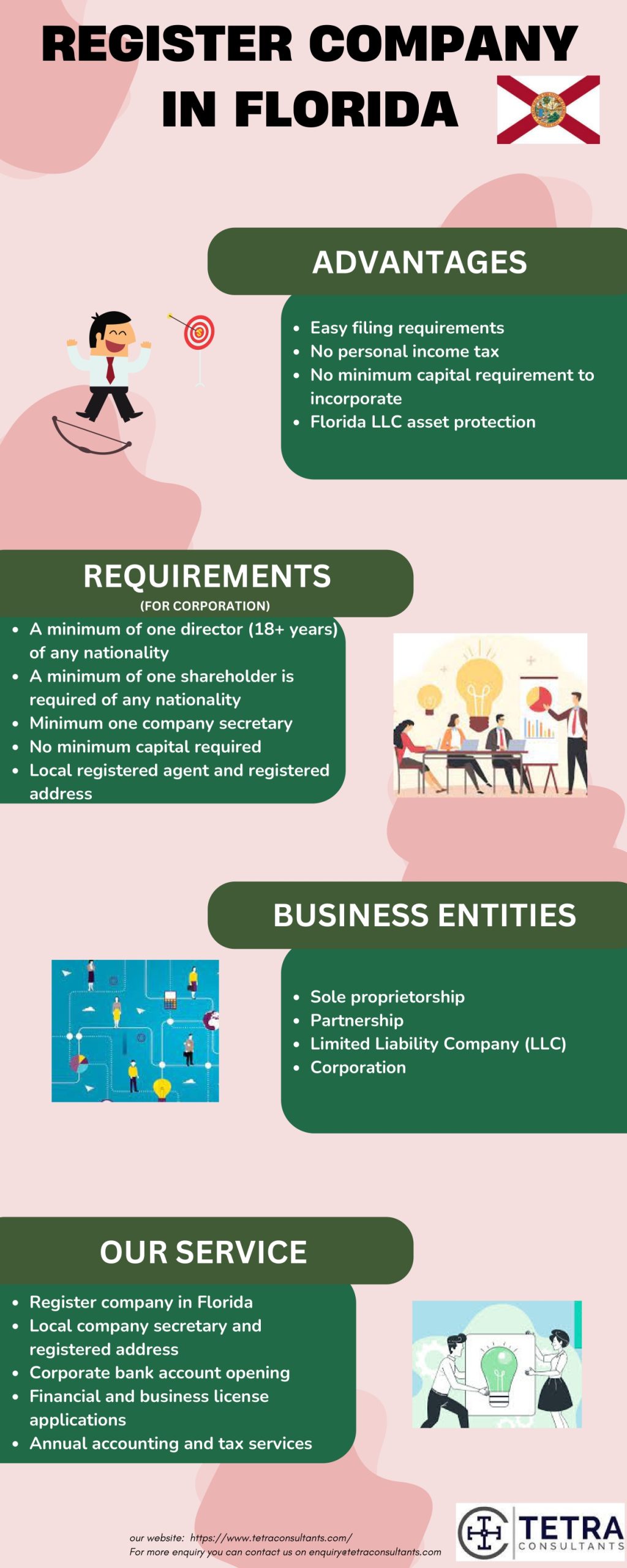
One of the most fundamental decisions you’ll make is choosing the appropriate legal structure for your business. This choice affects everything from personal liability and taxation to administrative complexity and fundraising potential. Florida offers several common structures, each with its own advantages and disadvantages:
- Sole Proprietorship: This is the simplest and least expensive structure to set up. It’s ideal for individuals who want to run a business by themselves, such as a freelance travel guide operating in Sarasota or a small online booking agent. The owner and the business are legally inseparable, meaning the owner is personally liable for all business debts and obligations. While easy to start, it offers no personal asset protection.
- Partnership: Similar to a sole proprietorship but involves two or more owners. This structure is suitable for co-founders embarking on a joint venture, perhaps opening a bed and breakfast in Amelia Island or a tour company specializing in Destin’s fishing charters. General partnerships carry unlimited personal liability for all partners. Limited Partnerships (LPs) and Limited Liability Partnerships (LLPs) offer some liability protection but are more complex.
- Limited Liability Company (LLC): This is arguably the most popular choice for small to medium-sized businesses in Florida, particularly those in hospitality and tourism. An LLC combines the liability protection of a corporation with the pass-through taxation and operational flexibility of a partnership or sole proprietorship. This means your personal assets are typically protected from business debts and lawsuits, a crucial consideration for property owners managing rentals near Clearwater Beach or operating a resort in Panama City Beach.
- Corporation (C-Corp or S-Corp): A corporation is a separate legal entity from its owners, offering the strongest liability protection. This structure is often chosen by larger businesses, those planning to seek significant outside investment, or businesses with complex ownership structures, such as a large hotel chain or a major tour operator with multiple branches across the state, from Jacksonville down to Fort Lauderdale. While offering robust protection, corporations are more complex to establish and maintain, with stricter regulatory requirements and double taxation for C-Corps.
Carefully assess your business goals, risk tolerance, and growth projections before making this pivotal decision. Consulting with a legal or financial professional specializing in Florida business law can provide invaluable guidance.
Naming Your Business and Securing Your Identity
Once you’ve decided on your business structure, the next exciting step is to choose a name that reflects your brand and is legally available. Your business name is your identity, especially in a state like Florida where branding for tourism and lifestyle businesses is paramount. Imagine a charming bed and breakfast in Winter Park or a thrill-seeking adventure company near Gainesville – their names need to evoke their essence.
- Name Availability Search: For LLCs and corporations, your chosen name must be distinguishable from other registered entities in Florida. You can check name availability through the Florida Division of Corporations website, which is part of the Florida Department of State. This step is crucial to avoid conflicts and ensures your business can be uniquely identified.
- Fictitious Name Registration (DBA): If you plan to operate your business under a name different from your legal business name (e.g., “Sunshine Tours” operating under “John Doe LLC”), you’ll likely need to register a “Fictitious Name” or “Doing Business As” (DBA) with the Florida Department of State. This is common for sole proprietorships and partnerships, or for LLCs/corporations wanting to brand differently from their registered legal name.
- Trademark and Domain Name: Beyond state registration, consider checking for trademark availability at the federal level (USPTO) if your brand has national aspirations. Also, secure a domain name that matches your business name, a vital step for any modern business, especially those relying on online bookings or showcasing Florida destinations.
The Registered Agent Requirement: Your Business’s Point of Contact
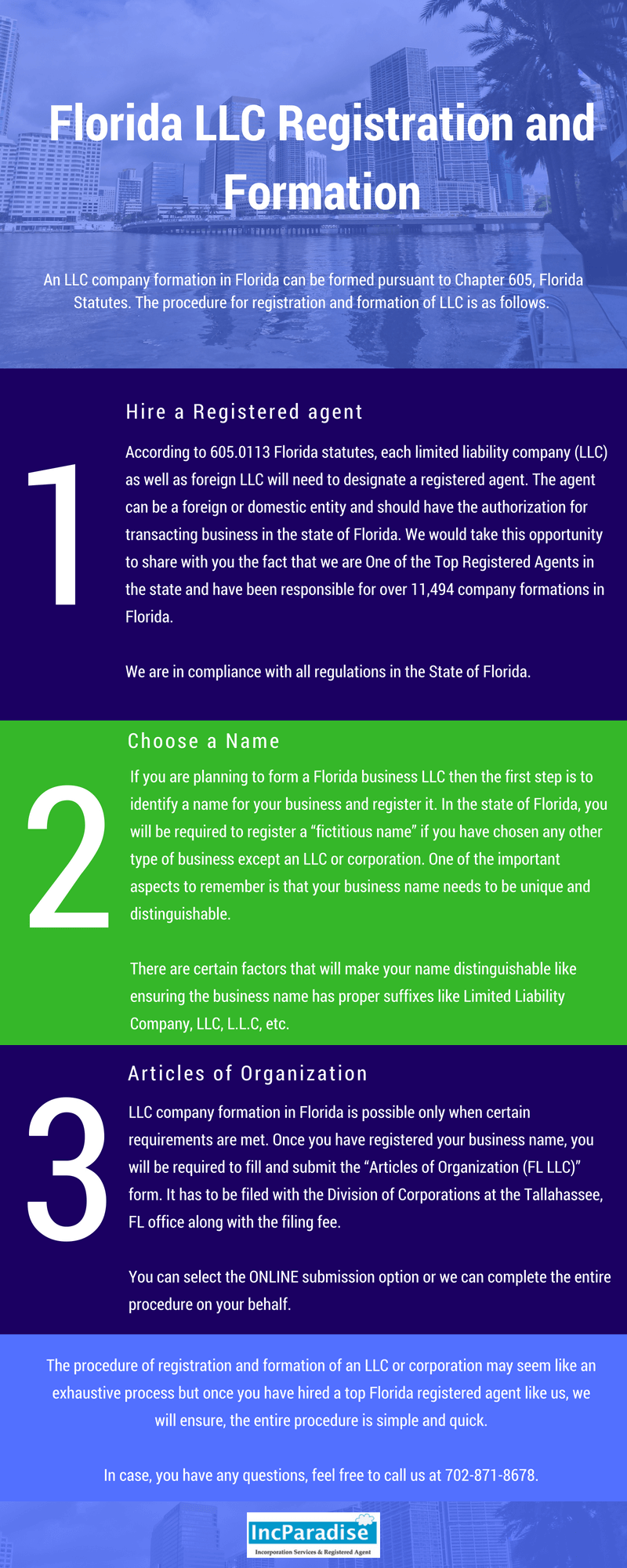
Every LLC and corporation in Florida is legally required to designate a registered agent. This individual or entity acts as your business’s official point of contact for receiving important legal and tax documents, such as service of process, annual report notices, and other official correspondence from the state.
- Requirements: A registered agent must have a physical street address in Florida (not a P.O. Box) and be available during normal business hours. The agent can be an individual (e.g., yourself, a partner, or an attorney) or a professional registered agent service.
- Importance: Failing to maintain a registered agent can lead to severe penalties, including administrative dissolution of your business, making it unable to legally operate. Choosing a reliable registered agent is paramount for ensuring you receive critical communications in a timely manner. For a bustling resort in Punta Gorda or a rental agency on Anna Maria Island, missing legal notices could have significant repercussions.
Navigating the Official Registration Process with the Florida Department of State
With your foundational decisions made, you’re ready to tackle the official registration forms and applications. This stage involves interacting primarily with the Florida Department of State, the central authority for business registration in the state.
Filing Articles of Organization or Articles of Incorporation
This is the cornerstone of establishing your legal entity in Florida. The specific document you file depends on your chosen business structure.
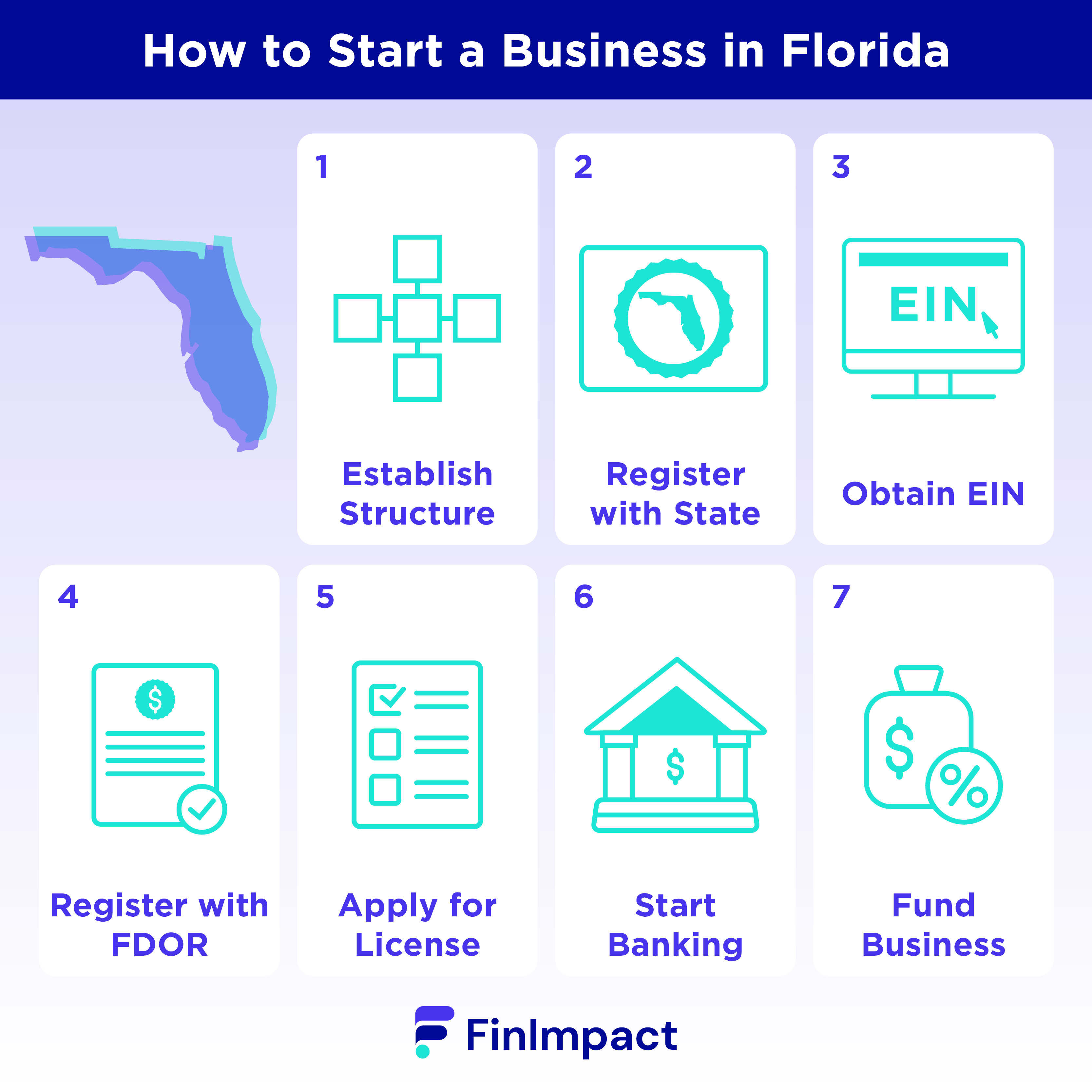
- For LLCs: Articles of Organization: To form a Florida LLC, you must file Articles of Organization with the Florida Department of State. This document formally creates your LLC. It typically includes your LLC’s name, its principal address, the name and address of your registered agent, and other basic information. The filing can be done online through the Division of Corporations website, which is usually the quickest method.
- For Corporations: Articles of Incorporation: To form a Florida corporation, you file Articles of Incorporation. This document is similar to the Articles of Organization but includes additional details relevant to corporations, such as the number of shares the corporation is authorized to issue. Like LLCs, these can be filed online.
- Operating Agreement (LLC) / Bylaws (Corporation): While not filed with the state, an Operating Agreement for an LLC or Bylaws for a corporation are critical internal documents. These define the ownership percentages, management structure, roles and responsibilities of members/shareholders, and operating procedures. For businesses managing properties or experiences, like a luxury villa rental company in Lake Buena Vista or a destination management company in Kissimmee, clear internal guidelines are indispensable for smooth operations. It’s highly recommended to draft these documents with legal counsel.
Obtaining an Employer Identification Number (EIN)
Regardless of whether you plan to hire employees, if your business is an LLC electing to be taxed as a corporation, a partnership, or any type of corporation, you will need an Employer Identification Number (EIN) from the Internal Revenue Service (IRS).
- What is an EIN? An EIN is a nine-digit number assigned by the IRS, essentially a Social Security number for your business. It’s used for tax purposes, opening business bank accounts, and applying for certain licenses and permits.
- When is it Required?
- If you hire employees.
- If your business is taxed as a corporation or partnership.
- If your business is an LLC with more than one member, or if it has elected to be taxed as a corporation.
- If you file excise, employment, or alcohol, tobacco, and firearms taxes.
- How to Get One: Applying for an EIN is free and can be done quickly online through the IRS website. It’s a straightforward process that is usually completed within minutes. Having an EIN is essential for any structured business looking to operate legitimately, whether it’s a new restaurant concept on the Gulf Coast or a surf school along the Atlantic Coast.
Beyond State Registration: Local, Federal, and Industry-Specific Requirements
Registering your business with the Florida Department of State and obtaining an EIN are significant milestones, but they are often just the beginning. Depending on your business activity and location, you’ll likely need to fulfill additional local, federal, and industry-specific requirements to operate legally. This is especially true in Florida, where many businesses cater to specialized tourism or hospitality niches.
Business Licenses and Permits: Local Compliance is Key
Almost all businesses in Florida will need to obtain one or more licenses or permits at the county and/or city level. These requirements vary significantly depending on where your business is located and the specific services it offers.
- County Business Tax Receipt (Occupational License): Most counties, such as Miami-Dade County or Orange County, require businesses operating within their jurisdiction to obtain a County Business Tax Receipt (formerly known as an occupational license). This general license certifies that you have paid the required tax to operate your type of business in that county.
- City Business Tax Receipt (Occupational License): Similarly, if your business operates within an incorporated city, you’ll likely need a City Business Tax Receipt in addition to the county one. For example, a souvenir shop in Key West would need both Monroe County and City of Key West licenses.
- Specialized Permits and Licenses:
- Health Permits: Required for any business handling food, such as restaurants, cafes, or hotel kitchens.
- Environmental Permits: For businesses that might impact the environment, particularly relevant for operations near sensitive areas like Big Cypress National Preserve or Lake Okeechobee.
- Construction/Zoning Permits: If you are building, renovating, or changing the use of a property, you’ll need to comply with local zoning laws and obtain necessary building permits. This is crucial for new hotels or resorts, like a hypothetical “Coastal Paradise Resort” in Cocoa Beach.
- Professional Licenses: Certain professions (e.g., real estate agents, tour guides, barbers) require individual professional licenses from the state.
- Alcoholic Beverage Licenses: Essential for restaurants, bars, or hotels that plan to sell alcoholic beverages. The state’s Department of Business and Professional Regulation (DBPR) handles these.
It is vital to contact the specific county and city clerk’s offices where your business will operate to determine all applicable license and permit requirements. Failure to do so can result in fines and operational shutdowns.
Sales Tax, Reemployment Tax, and Other Tax Registrations
Beyond federal income taxes, Florida businesses need to register for state-specific taxes.
- Sales Tax (Sales and Use Tax): Florida imposes a sales tax on the retail sale of most goods and certain services. If your business sells taxable goods or services (e.g., hotel rooms, merchandise at Walt Disney World Resort, food in a restaurant), you must register with the Florida Department of Revenue (DOR) to collect and remit sales tax.
- Reemployment Tax (Unemployment Insurance): If you hire employees, you’ll need to register with the Florida DOR for Reemployment Tax. This is the state’s equivalent of unemployment insurance, funded by employers.
- Tourist Development Tax (Bed Tax): For businesses involved in short-term rentals or hotel accommodations, many counties levy a Tourist Development Tax (also known as a “bed tax” or “resort tax”). This is typically an additional percentage collected on top of state sales tax for short-term lodging and is remitted to the local county tax collector’s office. This is a significant consideration for properties operating near Universal Orlando Resort or vacation rentals on Siesta Key Beach.
Insurance and Compliance: Protecting Your Assets and Reputation
No matter the size or scope of your business, having adequate insurance coverage is non-negotiable for protection against unforeseen events and liabilities.
- General Liability Insurance: Essential for nearly all businesses, this covers common risks like customer injuries on your premises (e.g., a slip and fall at a Seminole Hard Rock Hotel & Casino) or property damage caused by your business operations.
- Property Insurance: Protects your business property (buildings, equipment, inventory) from damage due to events like fire, theft, or natural disasters. Crucial for any physical establishment, from a small gallery in the Art Deco Historic District to a sprawling complex like The Breakers Palm Beach.
- Workers’ Compensation Insurance: If you have employees, Florida law generally requires you to carry workers’ compensation insurance, which covers medical expenses and lost wages for employees injured on the job.
- Professional Liability Insurance (Errors & Omissions): For service-based businesses (e.g., travel agencies, consulting firms), this protects against claims of negligence or errors in professional services.
- Industry-Specific Insurance: Depending on your niche, you might need specialized coverage, such as marine liability for charter boat operations from Tarpon Springs or tour operator liability for excursions to Busch Gardens Tampa Bay.
Staying compliant also means adhering to federal laws such as those enforced by the Occupational Safety and Health Administration (OSHA) and any industry-specific regulations, for instance, those governing transportation for shuttle services to Kennedy Space Center Visitor Complex.
Embracing the Florida Business Lifestyle: Opportunities and Growth
Once your business is fully registered and compliant, you’re not just operating a legal entity; you’re an active participant in Florida’s vibrant economy and unique lifestyle. The ease of doing business, coupled with the state’s massive tourism industry and growing population, creates a fertile ground for entrepreneurs across various sectors.
For those drawn to the state’s allure, establishing a business here often means intertwining work with a desirable way of life. Imagine running a wellness retreat nestled near the tranquil waters of St. Pete Beach, a scuba diving school exploring the reefs around Dry Tortugas National Park, or a bespoke concierge service catering to luxury travelers visiting Sanibel Island. Proper registration enables you to capitalize on these opportunities legally and effectively.
Furthermore, Florida’s business ecosystem benefits from robust infrastructure, a favorable tax environment (no state income tax), and a steady influx of visitors and new residents. From the educational hub of Tallahassee to the thriving tech scene in Coral Gables, the diversity of Florida’s regions offers distinct markets and resources. Your registered business can tap into these advantages, connect with local chambers of commerce, and collaborate with other businesses in the travel and leisure industry, fostering a network that fuels mutual growth.
In conclusion, registering a business in Florida is a multi-step process that requires careful attention to detail, from choosing the right legal structure and securing your business name to filing with the state and obtaining various local and industry-specific licenses. While the journey might seem complex, each step is designed to ensure your business operates legally, responsibly, and with the best chances for success. By meticulously following these guidelines, you not only comply with the law but also lay a strong, secure foundation for your venture to thrive in one of America’s most dynamic and sought-after states. The dream of contributing to Florida’s vibrant economy, perhaps by offering unforgettable experiences or luxurious accommodations, becomes a tangible reality through diligent preparation and proper registration.
LifeOutOfTheBox is a participant in the Amazon Services LLC Associates Program, an affiliate advertising program designed to provide a means for sites to earn advertising fees by advertising and linking to Amazon.com. Amazon, the Amazon logo, AmazonSupply, and the AmazonSupply logo are trademarks of Amazon.com, Inc. or its affiliates. As an Amazon Associate we earn affiliate commissions from qualifying purchases.