
Relocating to a new state or simply extending a long-term visit can be an exciting chapter, especially when that state is the magnificent Colorado. Known as the Centennial State, Colorado beckons with its majestic Rocky Mountain National Park, vibrant city life in Denver and Boulder, and a lifestyle deeply intertwined with outdoor adventure and natural beauty. Whether you’re moving here for a new job, extended education, or simply pursuing a dream of living amidst breathtaking landscapes, bringing your vehicle along is often a necessity for truly experiencing all that Colorado has to offer. From exploring hidden mountain trails to navigating the bustling streets of Colorado Springs, a registered vehicle is your key to independence and discovery.
However, amidst the excitement of planning your new Colorado adventure, it’s easy to overlook crucial administrative steps like car registration. This isn’t just a bureaucratic hurdle; it’s a fundamental part of integrating into your new community and ensuring legal, safe passage on Colorado’s diverse roadways. For a lifestyle focused on travel, exploration, and making a new place home, understanding the vehicle registration process is as important as finding the perfect long-term accommodation or mapping out your first scenic drive. This comprehensive guide will walk you through everything you need to know, blending practical advice with insights into how a properly registered vehicle can enhance your overall Colorado experience.
Embarking on Your Colorado Adventure: Initial Steps for Vehicle Registration
The transition to life in Colorado is a journey filled with new sights, sounds, and experiences. But before you can fully immerse yourself in the local culture, explore famous landmarks, or embark on a multi-day road trip, ensuring your vehicle is legally registered is a paramount step. This foundational process not only keeps you compliant with state laws but also unlocks a seamless integration into your new environment.
Understanding Residency and Registration Requirements
One of the first questions you might have is whether you actually need to register your car in Colorado. The answer largely depends on your residency status. Generally, if you are a new resident moving from another state in the United States or abroad, state law mandates that you register your vehicle within 90 days of establishing residency. Establishing residency can be triggered by various factors, such as obtaining a Colorado driver’s license, gaining employment, or enrolling children in a Colorado school.
For those simply on an extended vacation or a temporary work assignment, the rules might differ. Short-term visitors, who retain residency in another state, may not need to register their vehicles in Colorado as long as their home state’s registration remains current. However, if your stay extends beyond what is typically considered a tourist visit, or if you begin to establish more permanent ties, the 90-day clock for registration will likely begin ticking. It’s crucial to consult the official Colorado Department of Revenue or a local County Motor Vehicle Office for the most accurate and up-to-date information regarding your specific situation. This clarity will prevent potential fines and ensure your focus remains on enjoying your Colorado lifestyle.
Why Car Registration is More Than Just Bureaucracy in the Centennial State
Beyond legal compliance, registering your car in Colorado carries a deeper significance, especially when considering the state’s unique environment and lifestyle. For travelers and those seeking a new home, a properly registered vehicle symbolizes integration and readiness for the local way of life. It signifies that you are contributing to the state’s infrastructure and safety programs, which are vital for maintaining the quality of roads, emergency services, and environmental protection that residents and visitors alike cherish.
From a practical perspective, having a Colorado-registered vehicle makes it easier to handle everything from parking permits in cities like Denver or Boulder to seamless interactions with local law enforcement if ever necessary. It connects you to the community, enabling access to local resources and services that enhance your long-term stay or new residency. Furthermore, Colorado’s commitment to preserving its stunning natural landmarks, like Rocky Mountain National Park or the Garden of the Gods, means that certain aspects of vehicle registration, such as emissions testing, are designed to protect the very environment that draws so many people to the state. This process is truly about becoming a responsible participant in the Colorado story.
Curating Your Travel Documents: Essential Paperwork for Colorado Vehicle Registration
Just as you would meticulously pack your luggage with all the essentials for a long journey or an extended stay, gathering the correct documentation for car registration in Colorado requires a similar level of preparation. Think of this as compiling your administrative “travel dossier” – a comprehensive collection of papers that confirm your ownership, identity, and compliance with state regulations. Having everything in order before you visit the Department of Motor Vehicles (DMV) will save you valuable time, avoid frustrating delays, and ensure a smooth transition to your Colorado lifestyle.
The Core Documents: Proof of Ownership and Identity
The bedrock of any vehicle registration process revolves around confirming who owns the vehicle and who you are. These documents are fundamental:
- Vehicle Title or Manufacturer’s Statement of Origin (MSO): This is the definitive proof of ownership. If you own your car outright, you’ll need the original physical title. If your vehicle is new and has never been titled, you’ll need the MSO from the manufacturer, typically provided by the dealership. For leased vehicles, the leasing company will hold the title, but you will need a copy or a letter of authorization from them. If there’s a lienholder (a bank or credit union that financed your purchase), they might hold the title, and you’ll need to work with them to ensure the Colorado DMV receives the necessary documentation.
- Proof of Purchase (Bill of Sale): Especially relevant if you’ve recently purchased the vehicle, whether new or used. A detailed bill of sale confirms the transaction, purchase price, and often the date of sale, which is critical for calculating sales tax.
- Photo Identification: You’ll need a valid photo ID. If you’ve already obtained a Colorado driver’s license, this is ideal. If not, a valid out-of-state driver’s license or another government-issued ID (like a passport) will generally suffice, though you will eventually need a Colorado driver’s license if you intend to be a long-term resident. Ensure your ID is current and matches the name on your ownership documents.
Ensuring Compliance: Insurance and Emissions Standards
Colorado takes vehicle safety and environmental protection seriously, particularly given its pristine natural environment and popular tourist destinations. Thus, two key compliance documents are mandatory for registration:
- Proof of Colorado Auto Insurance: You must carry active auto insurance that meets Colorado’s minimum liability requirements. Your out-of-state policy might need to be converted to a Colorado policy, or you might need to obtain a new one from an insurer licensed to operate in the state. This insurance ensures you’re covered for the varied driving conditions you’ll encounter, from snowy mountain passes to high-altitude routes.
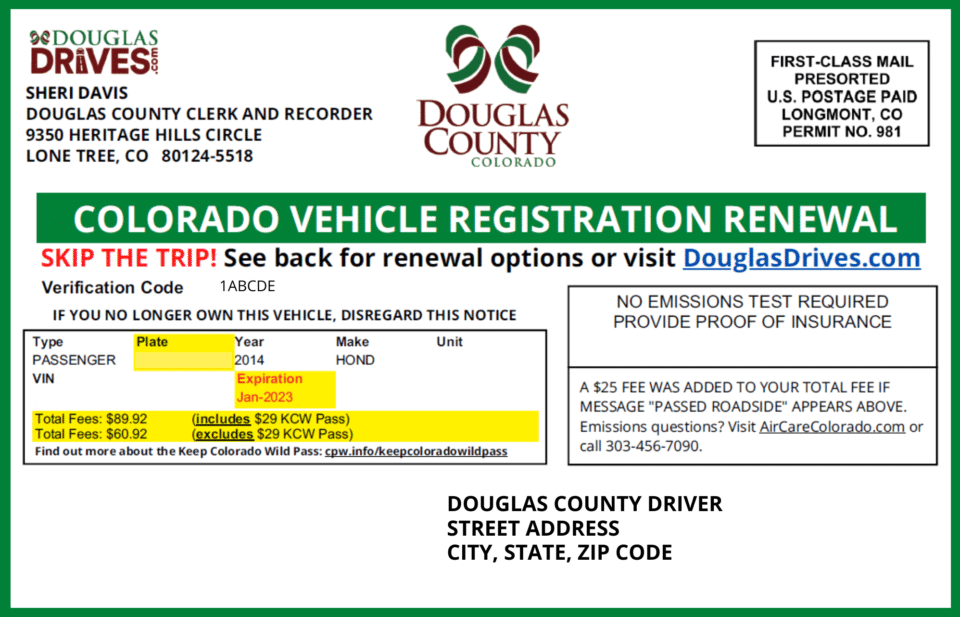
- Emissions Test Certificate: In certain counties, primarily the Front Range area which includes Denver, Boulder, and Colorado Springs, vehicles are required to pass an emissions test. This program, managed by AIR Care Colorado, helps maintain the state’s air quality, crucial for the health of its residents and the preservation of iconic landmarks and scenic vistas. You’ll need to visit an authorized testing station and present a passing certificate to the DMV. Check if your county requires this test and if your vehicle type or age is exempt.
Confirming Your New Home: Proof of Colorado Residency
For those establishing residency, proving that Colorado is indeed your new home is a vital step. This is especially relevant for a lifestyle site that often covers accommodation and long-term stays. Acceptable documents typically include:
- Lease Agreement or Mortgage Statement: A valid lease for an apartment, house, or a mortgage statement for property you’ve purchased.
- Utility Bills: Recent bills for services like electricity, water, or gas delivered to your Colorado address.
- Bank Statements: Statements from a Colorado bank account or a national bank showing your Colorado address.
- Employment Verification: A pay stub or letter from a Colorado employer.
- Voter Registration Card: If you’ve already registered to vote in Colorado.
Having at least two of these documents, showing your current Colorado address, will typically satisfy the proof of residency requirement. This step is particularly meaningful as it solidifies your presence in the state, making your journey from visitor to resident complete.
Navigating the Colorado Motor Vehicle Office: The Registration Process
Once you’ve meticulously gathered all your documents, the next step is to physically complete the registration process. While it might seem like a daunting bureaucratic task, approaching it with a clear understanding of the steps involved can make it as smooth as a leisurely drive through the Colorado foothills. This phase is where your preparation pays off, transforming a pile of paperwork into a set of Colorado license plates and a registration card, symbolizing your readiness to embrace the local lifestyle fully.
Finding Your Local Hub: County Clerk and Recorder / DMV Office
Unlike many states where a centralized Department of Motor Vehicles (DMV) handles all vehicle services, Colorado’s vehicle registration is handled at the county level by the County Clerk and Recorder’s office, often referred to as the County Motor Vehicle Office. This decentralized system means you’ll need to visit the office in the county where you reside.
- Locating Your Office: A quick online search for “County Motor Vehicle Office [Your County Name] Colorado” will direct you to the correct location and its operating hours. For example, if you’re settling in Denver, you’ll visit the Denver County Motor Vehicle Office.
- Making an Appointment: Many county offices now offer online appointment scheduling, which can significantly reduce wait times. This is highly recommended, especially during peak hours, and aligns with the efficient planning often employed by experienced travelers and those managing busy lifestyles.
- What to Bring: Always double-check the specific requirements on your county’s website before your visit. In addition to your compiled documents, bring your vehicle’s current out-of-state license plates (if applicable), as these may need to be surrendered.
Understanding the Financial Landscape: Fees, Taxes, and Permits
Registering a vehicle in Colorado involves several fees and taxes. These contribute to the maintenance of roads, support local services, and reflect the value of your vehicle. Being aware of these costs beforehand will help you budget effectively for your move or extended stay, which is a crucial aspect of responsible lifestyle planning.
- Sales Tax: If you’ve recently purchased a vehicle, especially out-of-state, you may be subject to Colorado sales tax. This is typically calculated based on the purchase price and varies by county and city.
- Ownership Tax (Specific Ownership Tax – SOT): Colorado levies an annual ownership tax based on the vehicle’s original retail price and its age. This tax decreases over time as the vehicle depreciates.
- License Plate Fees: There’s a fee for standard license plates, and additional costs for personalized or special plates (e.g., those supporting charitable causes or colleges).
- Road Safety and Conservation Surcharges: Various smaller fees contribute to state programs related to vehicle safety, environmental conservation, and infrastructure development.
- Late Fees: Be mindful of the 90-day grace period for new residents. Failing to register within this timeframe can result in significant late fees, adding an unnecessary expense to your Colorado journey.
Special Cases: Out-of-State Vehicles and VIN Verification
If you’re moving to Colorado with a vehicle previously registered in another state, there are a few additional steps to consider:
- VIN Verification: Vehicles coming from out of state often require a Vehicle Identification Number (VIN) verification. This process confirms that the VIN on your vehicle matches the VIN on your title and ensures the vehicle isn’t stolen. This can typically be done by an authorized law enforcement officer (such as the Colorado State Patrol) or, in some counties, by certified emissions testing stations or licensed motor vehicle dealers. Confirm where you can get this done in your specific county.
- Surrendering Old Plates: You will typically be required to surrender your old out-of-state license plates at the time of registration. Check with your previous state’s DMV about any requirements they have for returning or disposing of plates.
- Temporary Permits: If your 90-day window is approaching and you need more time to gather documents, some counties may offer temporary operating permits. However, these are generally short-term solutions, and the goal should always be to complete full registration promptly.
By meticulously following these steps and understanding the associated costs and requirements, the seemingly complex task of car registration transforms into a manageable and straightforward process, freeing you to focus on the truly exciting aspects of living and traveling in Colorado.
Unlocking the Colorado Lifestyle: Post-Registration Exploration and Beyond
Congratulations! With your Colorado license plates affixed and registration complete, you’ve officially opened the door to a world of unparalleled experiences. Your newly registered vehicle is not just a mode of transport; it’s your personal gateway to discovering the state’s natural wonders, engaging with its vibrant culture, and truly embracing the unique Colorado lifestyle. This final section delves into how your car empowers your exploration and helps you settle into your new life in the Centennial State.
Hitting the Road: Scenic Drives and Iconic Destinations
With your car legally ready, the vast and varied landscapes of Colorado are yours to command. The state is a paradise for road-trippers and explorers, offering countless opportunities for travel, adventure, and creating unforgettable experiences.
- Mountain Majesty: Drive to Rocky Mountain National Park and traverse Trail Ridge Road, North America’s highest continuous paved road, offering panoramic views. Explore the charming mountain towns of Aspen and Vail, renowned for their world-class skiing in winter and stunning hiking in summer.
- Southern Wonders: Head south to witness the awe-inspiring rock formations of the Garden of the Gods near Colorado Springs, or challenge yourself by driving up Pikes Peak, “America’s Mountain.” Further south, discover the surreal beauty of Great Sand Dunes National Park and Preserve, where you can sandboard down towering dunes.
- Western Slope Charms: Venture to the Western Slope for the dramatic canyons of Black Canyon of the Gunnison National Park or the rugged beauty surrounding Telluride, famous for its film festival and stunning box canyon.
Your car is an essential tool for accessing these famous places, hidden gems, and natural landmarks, making every trip an adventure that enriches your Colorado experience.
Settling In: Accommodation and Community Living in Colorado
For those moving to Colorado for an extended period, car registration is just one piece of the puzzle. Finding the right accommodation, whether it’s a permanent home or an extended stay solution, is equally crucial. Our website features a wealth of information on various accommodation options, from luxury apartments in Denver to charming villas in smaller towns, and reviews of top resorts and hotels.
While your vehicle registration makes it easier to visit properties and manage your move, consider using resources like our guides for booking, comparison, and long-term stay reviews. For example, while settling in Denver, you might opt for an extended stay at a hotel like the Hyatt Regency Denver at Colorado Convention Center. If your new base is Colorado Springs, the historic The Broadmoor offers a luxurious retreat, even for long-term guests. In Aspen, the opulent St. Regis Aspen Resort can provide an exceptional base. Having your car allows you the flexibility to explore different neighborhoods and find the perfect spot that fits your lifestyle, whether it’s a bustling urban environment or a tranquil mountain escape.
Tips for Thriving: Driving in the Mountains and Embracing Local Etiquette
Driving in Colorado comes with its own set of unique challenges and joys. Understanding local driving etiquette and preparing for varied conditions will ensure your safety and enhance your travel experiences.
- Mountain Driving: Be prepared for steep inclines and descents, switchbacks, and varying weather conditions. Use lower gears to save your brakes on downhills. Always be aware of passing lanes and pull-offs for slower vehicles on mountain roads.
- Winter Conditions: Snow and ice are common from late fall through spring in many areas. Ensure your tires are adequate for winter driving (all-season with good tread, or dedicated winter tires), and consider carrying an emergency kit. Colorado often has chain laws in effect on major mountain passes during winter storms.
- Wildlife: Colorado is home to abundant wildlife. Be vigilant, especially at dawn and dusk, for deer, elk, and other animals that may cross roadways.
- High Altitude: Both you and your vehicle might feel the effects of high altitude. Your car’s performance might decrease slightly, and it’s always wise to stay hydrated and take it easy when first arriving in higher elevations.
- Outdoor Gear: A registered vehicle makes it easy to transport skis, bikes, camping gear, and climbing equipment, truly embodying the active Colorado lifestyle.
In conclusion, while the process of registering a car in Colorado might seem like a mere formality, it is, in fact, an empowering step that solidifies your connection to this incredible state. It’s an administrative detail that unlocks a lifestyle of exploration, adventure, and deep immersion into the culture and natural beauty of the Centennial State. By diligently following these guidelines, you’ll be well-prepared to hit the road and experience all the wonders that Colorado has waiting for you.
LifeOutOfTheBox is a participant in the Amazon Services LLC Associates Program, an affiliate advertising program designed to provide a means for sites to earn advertising fees by advertising and linking to Amazon.com. Amazon, the Amazon logo, AmazonSupply, and the AmazonSupply logo are trademarks of Amazon.com, Inc. or its affiliates. As an Amazon Associate we earn affiliate commissions from qualifying purchases.