
Relocating to the Sunshine State or embarking on an extended stay in Florida? One of the crucial steps you’ll need to navigate is registering your out-of-state vehicle. This process, while seemingly straightforward, involves several key requirements and steps to ensure you’re legally operating your car on Florida roads. Whether you’re planning a permanent move, a long-term vacation, or even a significant business stay, understanding this procedure will save you time and potential headaches. This guide will walk you through the essential information you need to successfully register your car in Florida as a non-resident, covering everything from documentation to fees.

Understanding the Basics: When Do You Need to Register Your Car in Florida?
Florida law dictates that if you establish residency in the state, you must register your vehicle within 30 days. Establishing residency can be determined by several factors, including but not limited to:
- Securing employment in Florida.
- Enrolling your children in a Florida public school.
- Opening a Florida bank account.
- Purchasing or renting a dwelling in Florida.
- Having a Florida driver’s license or identification card.
Even if you are not establishing permanent residency, but intend to keep your vehicle in Florida for more than 90 consecutive days within a 12-month period, you will generally be required to obtain Florida license plates. This applies to various scenarios, from extended business trips that require you to use your personal vehicle to prolonged holiday visits. It’s important to note that these are general guidelines, and individual circumstances might have specific nuances. Consulting the Florida Department of Highway Safety and Motor Vehicles (FLHSMV) is always recommended for the most precise and up-to-date information.
For those who frequently travel to Florida for leisure, perhaps enjoying the beaches of Clearwater or the theme parks in Orlando, and are considering a longer stay, understanding the vehicle registration requirements is paramount. This might involve booking a comfortable suite at a resort like the Grand Cypress Resort or a private villa, and simultaneously planning the logistics of bringing your vehicle.
Essential Documentation for Out-of-State Vehicle Registration
Before you head to your local Florida county tax collector’s office or a Florida DMV service center, ensure you have all the necessary documents in order. Missing even one item can lead to delays. Here’s a comprehensive list of what you’ll likely need:
- Proof of Ownership: This is the cornerstone of your registration. You will need the original title of your vehicle. If you have a loan on the car and the title is held by the lienholder, you will need a letter from the lienholder authorizing the Florida registration. This letter should include the vehicle identification number (VIN), your name, and the lienholder’s name and address. In some cases, if the title is electronic, you may need to obtain a certified copy from your previous state’s motor vehicle agency.
- Proof of Insurance: Florida requires all registered vehicles to have mandatory Personal Injury Protection (PIP) and Property Damage Liability (PDL) insurance. You must present a valid Florida insurance policy identification card or binder. This policy must be issued by a Florida-licensed insurance company. If you are moving from another state, you will need to switch your insurance to a Florida provider before you can register your vehicle.
- Proof of Identity: You will need to present a valid driver’s license or identification card. If you are a Florida resident, this should be your Florida driver’s license. If you are not yet a resident but are registering your vehicle under the 90-day rule, you can typically use your out-of-state driver’s license, along with other supporting residency documents.
- Vehicle Identification Number (VIN) Inspection: For vehicles being registered in Florida for the first time, a VIN verification is required. This inspection confirms that the VIN on your vehicle matches the VIN on your title and registration documents. This can be performed by a law enforcement officer, a licensed dealership, or a licensed VIN verifier. Some counties may offer this service at the tax collector’s office.
- Bill of Sale (if applicable): If you recently purchased the vehicle and the title is not yet in your name, or if you are transferring ownership in Florida, a bill of sale may be required. This document details the transaction between the buyer and seller, including the purchase price and vehicle details.
- Completed Application for Certificate of Title With/Without Registration (HSMV 82040): This is the primary application form you’ll need to fill out. You can usually download this form from the FLHSMV website or pick it up at the tax collector’s office. Ensure you fill it out completely and accurately.
The Registration Process: Step-by-Step
Navigating the Florida car registration process from out-of-state involves a series of steps, each crucial to completing the task. Familiarizing yourself with these steps beforehand can significantly streamline your visit to the county tax collector’s office.
Step 1: Obtain Florida Insurance
As mentioned, Florida mandates specific insurance coverage. Before you can even think about registering your car, you must secure a Florida auto insurance policy. This policy must include at least $10,000 in PIP and $10,000 in PDL coverage. You will need to contact a Florida-licensed insurance agent to set up your policy. Be prepared to provide your vehicle’s information and your Florida address. Once your policy is active, you will receive an insurance card or binder, which is a critical document for your registration appointment.
Step 2: Get Your Vehicle’s VIN Inspected
The VIN inspection is a safety and verification measure. You cannot skip this step for vehicles being registered in Florida for the first time from out-of-state. Locate an authorized VIN inspection station. This could be a police officer, a deputy sheriff, a Florida notary public (in certain circumstances), a licensed dealership, or a designated VIN verifier. They will check your VIN and complete the necessary form, often the HSMV 71520, which you will then present at the tax collector’s office. Remember to bring your vehicle’s title with you for the inspection, as the VIN verifier will need to compare it.
Step 3: Visit Your Local County Tax Collector’s Office
Once you have your documentation in order, including your proof of ownership, Florida insurance, completed application form, and the VIN inspection form, it’s time to visit your local county tax collector’s office. These offices handle vehicle registrations and title transfers throughout Florida. You can find the office closest to you by searching online for “[County Name] Tax Collector”. It’s a good idea to check the specific office’s website for their hours of operation, any appointment requirements, and accepted forms of payment. Some offices allow you to make appointments online to reduce waiting times.
At the counter, a representative will review your documents. They will process your application for title and registration, collect the applicable fees, and issue your Florida license plates and registration sticker. You will typically receive a temporary registration document while your permanent registration and title (if applicable) are mailed to you.
Fees and Taxes Associated with Registration
When registering an out-of-state vehicle in Florida, several fees and taxes will apply. These costs can vary slightly depending on your vehicle’s type, weight, and age, as well as your county of residence.
- Title Fee: There is a fee for transferring the title to Florida.
- Registration Fee: This is an annual fee based on the vehicle’s type and weight. For example, passenger cars, light trucks, and RVs have different fee structures.
- Sales Tax: If you are establishing residency in Florida and bringing a vehicle you’ve owned for less than six months, you may be subject to Florida sales tax on the vehicle’s value. If you’ve owned it for more than six months, you are typically exempt from Florida sales tax on the vehicle itself, but you will still pay registration fees. Florida currently has a state sales tax rate of 6%, with additional local discretionary sales surtaxes that can bring the total up to 8.5% in some counties. It is crucial to understand how this applies to your specific situation, especially if you are moving from a state with no sales tax or a lower rate.
- Plate Fee: There is a standard fee for the Florida license plates. You may also have the option to purchase specialty plates for an additional cost.
- VIN Inspection Fee: While not directly collected by the tax collector’s office, the VIN inspection service often carries a fee.
It’s wise to have a budget in mind for these costs. You can find detailed fee schedules on the FLHSMV website or your county tax collector’s website. Be prepared to pay these fees at the time of registration.
Special Considerations for Non-Residents and Extended Stays
While the core registration process remains similar, there are a few special considerations for those who are not establishing permanent residency in Florida but will be keeping their vehicle there for an extended period, often exceeding 90 days.
The 90-Day Rule and Residency
As previously mentioned, if your vehicle remains in Florida for more than 90 consecutive days within a 12-month period, it is presumed to be used in Florida for business or pleasure. This presumption can trigger the requirement for Florida registration. This is particularly relevant for individuals who own vacation homes in Florida, such as in Miami or on the Florida Keys, and spend significant portions of the year there without formally establishing residency.
To avoid potential issues or penalties, it is advisable to consult with the FLHSMV or your local tax collector’s office if you fall into this category. They can clarify specific requirements and documentation needed to demonstrate that you are not establishing residency while still complying with Florida law regarding vehicle use. This might involve providing proof of your primary residence in another state, such as utility bills, a lease agreement, or property tax statements.
Renewing Your Registration
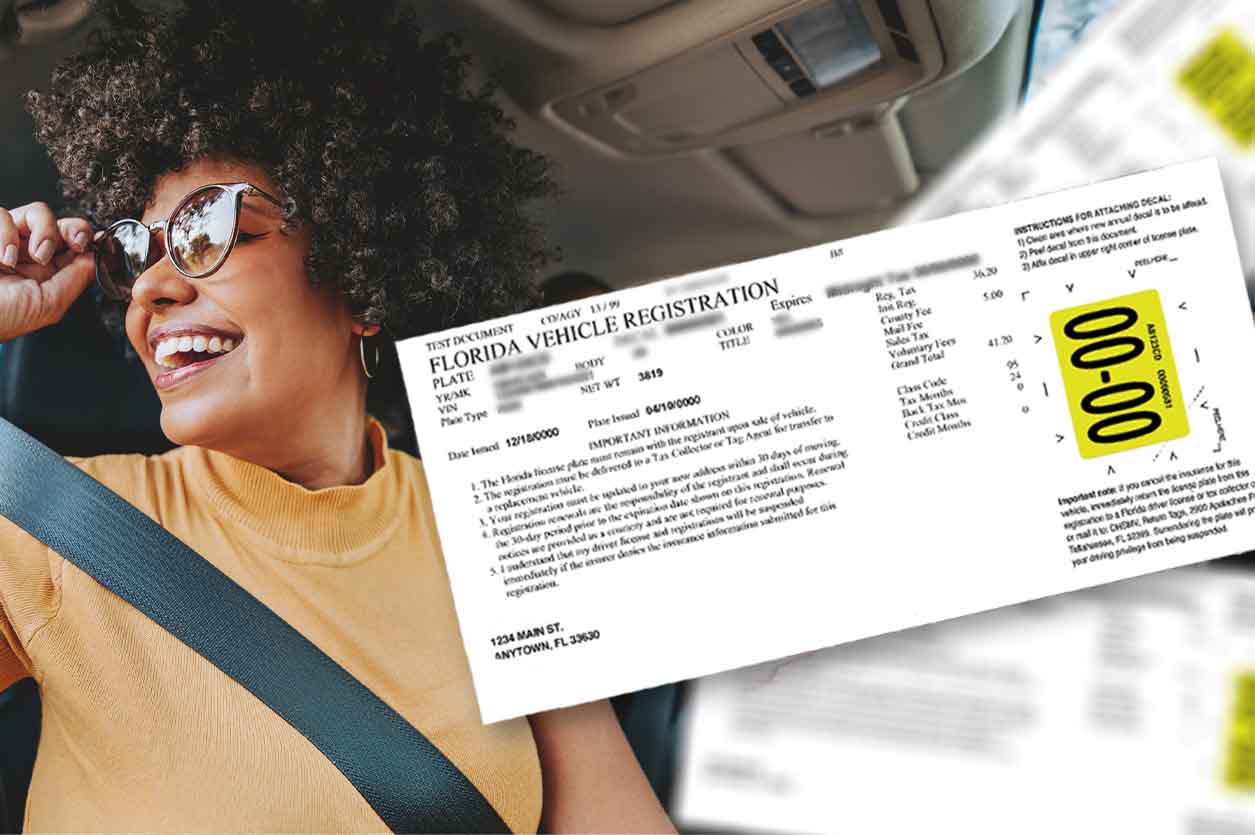
Once your vehicle is registered in Florida, you will receive a registration certificate and a sticker for your license plate. Your Florida registration is typically valid for one or two years, depending on the option you choose. You will receive a renewal notice by mail or email before your registration expires. You can renew your registration online through the FLHSMV website, by mail, or in person at a county tax collector’s office. Keeping your registration up-to-date is essential for legal operation of your vehicle.
Navigating the process of registering an out-of-state car in Florida is a manageable task with proper preparation. By understanding the documentation requirements, the step-by-step process, and the associated fees, you can ensure a smooth transition and enjoy your time in the Sunshine State with peace of mind, knowing your vehicle is legally registered. Whether you’re planning a luxurious stay at a resort like the Ritz-Carlton, Naples, or a more budget-friendly visit to explore the natural beauty of the Everglades, having your vehicle properly registered is a fundamental step.
LifeOutOfTheBox is a participant in the Amazon Services LLC Associates Program, an affiliate advertising program designed to provide a means for sites to earn advertising fees by advertising and linking to Amazon.com. Amazon, the Amazon logo, AmazonSupply, and the AmazonSupply logo are trademarks of Amazon.com, Inc. or its affiliates. As an Amazon Associate we earn affiliate commissions from qualifying purchases.