
Establishing a new life or settling into an existing one in Oregon involves a series of practical steps, and among the most crucial for any vehicle owner is understanding the car registration process. Whether you’re a new resident moving from out-of-state, have recently purchased a vehicle, or are simply navigating the annual renewal, the Oregon Department of Motor Vehicles (DMV) outlines clear procedures to ensure your vehicle is legally on the road. This comprehensive guide aims to demystify the requirements, walk you through the necessary steps, and provide insights into ensuring a smooth transition for your automotive needs in the Beaver State. By adhering to these guidelines, you can swiftly complete your registration and fully embrace the Oregon lifestyle, from scenic drives along the Pacific Coast Highway to daily commutes through vibrant cities like Portland or Salem.
Understanding Oregon’s Vehicle Registration Requirements
The foundation of a successful car registration in Oregon lies in a clear understanding of who needs to register, when, and what documentation is essential. The process is designed to ensure all vehicles operating within the state meet safety, insurance, and environmental standards.
Who Needs to Register a Car in Oregon?
Generally, any person who resides in Oregon and owns a vehicle that will be driven on public roads must register it with the Oregon DMV.
- New Residents: If you’ve recently moved to Oregon from another state or country, you typically have 30 days from the date you establish residency to register your vehicle. This includes obtaining an Oregon driver’s license.
- Purchased Vehicles: Whether you bought a new or used vehicle from a dealership or a private seller, you are required to register it. Dealerships usually handle much of the paperwork for new car purchases, but private sales place the responsibility squarely on the buyer.
- Long-term Stays: While tourists or short-term visitors with out-of-state plates are generally exempt, anyone planning an extended stay that constitutes residency (e.g., establishing a home, enrolling children in school, gaining employment) will need to follow registration protocols.
Failing to register your vehicle within the stipulated timeframe can result in penalties, including fines, so prompt action is advised.
Key Documents You’ll Need
Preparation is paramount when dealing with the DMV. Having all your documents in order before you visit can save significant time and hassle. Here’s a checklist of the primary documents you’ll likely need:
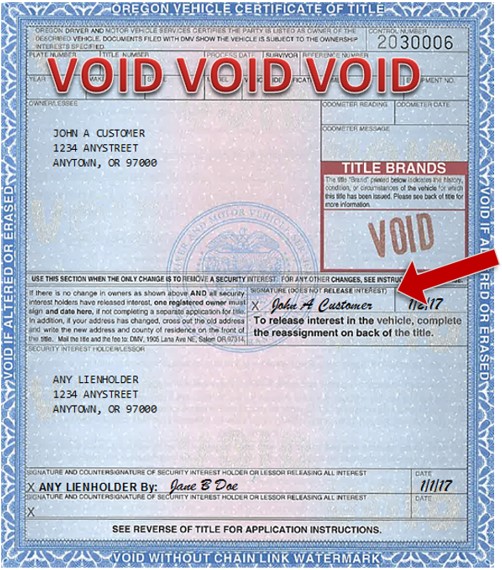
- Proof of Ownership: This is typically the vehicle’s title (original, not a copy) or, for new vehicles, a Manufacturer’s Certificate of Origin (MCO/MSO). If you have a loan on the vehicle, the lienholder might hold the title, and you’ll need their information and possibly a release form or specific instructions from them. For vehicles purchased from a private party, a bill of sale is crucial in addition to the signed-over title.
- Proof of Identity: A valid Oregon driver’s license or state ID card is usually required. If you’re a new resident, you may still be able to use your out-of-state license initially, but you’ll need to apply for an Oregon license simultaneously or shortly thereafter.
- Proof of Oregon Insurance: Oregon law mandates that all registered vehicles must have liability insurance. You’ll need to provide proof of current Oregon insurance coverage, such as an insurance card or policy declaration page.
- Emissions Test Certificate (if applicable): Certain areas in Oregon, primarily parts of the Portland metropolitan area and Medford, require vehicles to pass an emissions inspection. This certificate must be current.
- Vehicle Identification Number (VIN) Inspection: For vehicles previously titled out-of-state, a VIN inspection might be required to verify the vehicle’s identity. This can often be done at the DMV office or by law enforcement.
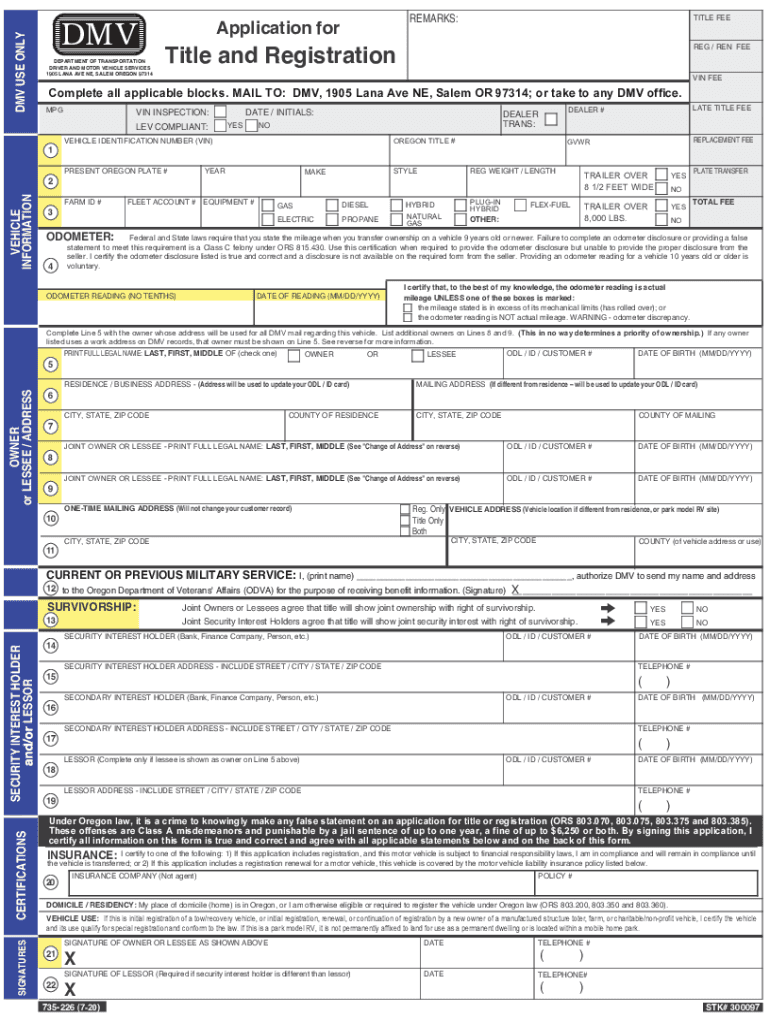
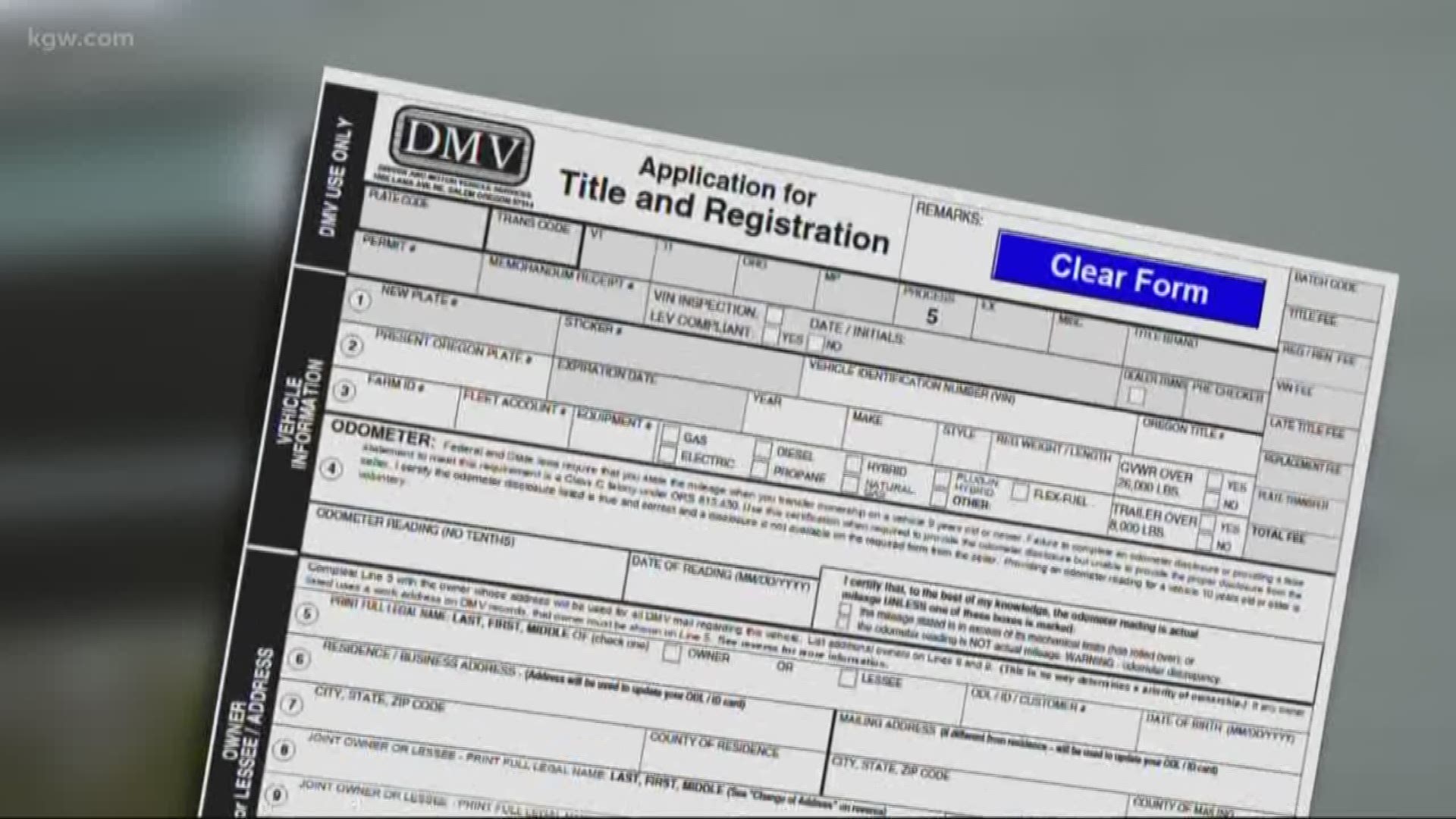
- Application for Title and Registration: This form, officially known as Form 735-226, needs to be accurately completed and signed.
The Step-by-Step Registration Process
Once you have a clear understanding of the requirements and have gathered your documents, navigating the actual registration process becomes much simpler.
Gathering Your Documentation
Before even thinking about visiting the DMV, ensure your documentation checklist is complete. This includes:
- Original Vehicle Title or MCO: Make sure it’s properly signed off if you purchased the vehicle.
- Bill of Sale: Especially important for private party purchases, detailing the sale price and parties involved.
- Proof of Oregon Insurance: A current insurance card showing coverage specific to Oregon.
- Valid Photo ID: Your Oregon driver’s license or other acceptable identification.
- Emissions Test Certificate: If your vehicle is subject to testing, ensure it’s passed and you have the certificate.
- Completed Application for Title and Registration (Form 735-226): Fill this out in advance to save time.
Emissions Testing in Oregon
Oregon has specific regulations regarding vehicle emissions to maintain air quality.
- Applicable Areas: Emissions tests are generally required for vehicles registered in portions of Clackamas, Multnomah, and Washington counties within the Portland metropolitan area, as well as parts of Jackson County surrounding Medford.
- Which Vehicles: Most gasoline-powered vehicles from 20 years old and newer, as well as diesel vehicles from 2009 and newer with a gross vehicle weight rating (GVWR) of 8,500 pounds or less, are subject to testing. There are exemptions for certain vehicles (e.g., electric vehicles, some hybrids, motorcycles, classic cars).
- Where to Go: Tests are performed at certified Oregon Department of Environmental Quality (DEQ) testing stations. You can find locations and hours on the DEQ website. It’s recommended to complete this step before visiting the DMV, as you’ll need the passing certificate.
Visiting the DMV
With all your documents in hand and emissions handled (if required), your next step is the DMV.
- Scheduling an Appointment: Many Oregon DMV offices now require or strongly recommend appointments for certain services, especially title and registration. Check the official Oregon DMV website for your local office’s specific procedures and to book an appointment. This can significantly reduce wait times.
- What to Expect: At the DMV office, you will submit your application and supporting documents. A DMV representative will review everything for completeness and accuracy. For out-of-state vehicles, a VIN inspection may be conducted by a DMV staff member. You will pay the required fees, and then you will typically receive your temporary registration and new license plates on the spot. The official title will be mailed to you later.
Fees and Taxes Associated with Registration
Registering a car in Oregon involves various fees that contribute to state road maintenance, administrative costs, and other public services. These fees can vary based on the vehicle type, weight, and the chosen registration period.
Registration Fees Breakdown
The primary costs associated with registering your vehicle in Oregon include:
- Standard Registration Fee: This is the core fee for your vehicle’s registration. The amount depends on the vehicle’s class and weight. You can typically choose between a two-year or four-year registration period, with longer periods offering a slight discount compared to renewing every two years.
- Plate Fees: A fee for new license plates is charged upon initial registration, or if you’re replacing lost or damaged plates.
- Title Fee: A one-time fee to process and issue your vehicle’s Oregon title.
- Vehicle Privilege Tax (VPT): This is a specific tax for new vehicles purchased from a dealership. It’s usually a percentage of the vehicle’s value, capped at a certain amount.
- License Plate Transfer Fee: If you’re transferring plates from a previously owned vehicle to a newly acquired one.
- Emissions Test Fee: This is paid directly to the DEQ testing station, not the DMV.
It’s advisable to check the current fee schedule on the official Oregon DMV website or call them directly, as amounts can change. Be prepared to pay these fees using acceptable methods, which typically include cash, check, or credit/debit card.
Special Circumstances and Important Considerations
While the general process applies to most, certain situations may require additional steps or unique considerations.
Out-of-State Titles and Vehicles
If you’re relocating to Oregon with a vehicle previously titled in another state, the process has a few extra nuances:
- VIN Inspection: As mentioned, your vehicle will likely need a VIN inspection at the DMV to confirm its identity and ensure it hasn’t been stolen or altered.
- Title Transfer: You will surrender your out-of-state title to the Oregon DMV to be issued a new Oregon title. If a lienholder holds your out-of-state title, the DMV can help with the process of requesting it from them.
Registering a Leased Vehicle
Registering a leased vehicle in Oregon involves coordination with the leasing company. They are the legal owner of the vehicle, and as such, they will typically hold the title.
- Leasing Company’s Role: Your leasing company will usually provide you with specific forms and instructions for registering the vehicle in Oregon. They may send the necessary title documents directly to the DMV or provide them to you to submit.
- Power of Attorney: You might need a power of attorney from the leasing company, authorizing you to complete the registration paperwork on their behalf.
Renewing Your Oregon Registration
Once your initial registration is complete, you’ll need to renew it periodically.
- Renewal Notices: The Oregon DMV sends renewal notices by mail or email (if you’ve opted for electronic notifications) prior to your registration’s expiration date.
- Renewal Options: You can typically renew your registration online, by mail, or in person at a DMV office. Online renewal is often the most convenient option.
- Emissions for Renewal: If your vehicle is due for renewal and registered in an emissions-testing area, you will need to pass the emissions test before you can renew your registration. The DEQ will electronically send your passing results to the DMV.
Ensuring a Smooth Transition to Life in Oregon
Beyond the immediate task of car registration, integrating into the Oregon lifestyle means understanding where to find ongoing support and considering other automotive aspects.
Oregon DMV Resources and Support
The Oregon DMV website is an invaluable resource. It provides:
- Forms and Publications: Access to all necessary application forms, informational brochures, and guides.
- Office Locations and Hours: A directory of DMV offices across the state, their operating hours, and services offered.
- Online Services: Many transactions, including renewals, address changes, and driver record requests, can be completed online.
- Contact Information: Ways to reach the DMV by phone or email for specific questions or complex situations.
Utilizing these official resources will ensure you receive the most accurate and up-to-date information.
Beyond Registration: Other Automotive Considerations
Registering your car is just one piece of the puzzle. As you settle into Oregon life, also consider:
- Driver’s License: If you’re a new resident, applying for an Oregon driver’s license is equally important and often done concurrently with vehicle registration.
- Vehicle Inspection: While Oregon does not generally require routine safety inspections for all vehicles, specific situations (like some out-of-state transfers or salvage titles) might necessitate one.
- Property Taxes: Oregon does not have an annual motor vehicle excise tax or personal property tax on vehicles.
- Road Rules: Familiarize yourself with Oregon-specific traffic laws and driving customs.
By meticulously following these steps and leveraging the available resources, registering your car in Oregon can be a straightforward process, allowing you to quickly enjoy the freedom and convenience of exploring your new home. Whether commuting to work or embarking on a weekend adventure to the Oregon Coast or the Willamette Valley, having your vehicle properly registered is a foundational element of your Oregon lifestyle.
LifeOutOfTheBox is a participant in the Amazon Services LLC Associates Program, an affiliate advertising program designed to provide a means for sites to earn advertising fees by advertising and linking to Amazon.com. Amazon, the Amazon logo, AmazonSupply, and the AmazonSupply logo are trademarks of Amazon.com, Inc. or its affiliates. As an Amazon Associate we earn affiliate commissions from qualifying purchases.