
Navigating the vibrant landscapes and bustling cities of Texas offers an unparalleled sense of freedom and adventure. Whether you’re relocating for a long-term stay, embarking on an extended road trip that makes the Lone Star State your temporary home, or a returning resident purchasing a new vehicle, understanding the process of car registration is a crucial step to seamlessly integrate into the Texas lifestyle. Far from being a mere bureaucratic hurdle, registering your vehicle is your ticket to exploring everything from the historic Alamo in San Antonio to the pristine beaches of South Padre Island, or even the majestic trails of Big Bend National Park. This comprehensive guide is designed to demystify the process, ensuring your journey in Texas is as smooth and enjoyable as possible, perfectly aligning with your travel and accommodation aspirations within this magnificent state.
Setting the Wheels in Motion: Understanding Texas Vehicle Registration
For many who arrive in Texas for extended periods – perhaps for work, study, or simply to immerse themselves in the rich culture and hospitality – bringing a car or purchasing one locally becomes essential. Public transportation can be excellent in major hubs like Austin or Dallas, but the true spirit of Texas often reveals itself on the open road. From the moment you decide to make Texas your home, even temporarily, the clock starts ticking. New residents typically have 30 days to register their out-of-state vehicles once they establish residency. This timeframe is critical for avoiding penalties and ensuring you’re compliant with state laws.
Understanding the fundamental difference between vehicle registration and titling is the first step. Titling establishes legal ownership of your vehicle, while registration permits it to be driven on public roads and includes annual renewal. In Texas, these two processes are often handled concurrently for new vehicles or new residents, simplifying the overall experience. The primary authority overseeing this process is the Texas Department of Motor Vehicles (TxDMV), though much of the direct interaction happens at the county level through your local County Tax Assessor-Collector’s Office.
Eligibility and Requirements for Out-of-State Vehicles
If you’re moving to Texas from another state, your vehicle is considered “out-of-state” and will require specific steps beyond what a Texas-purchased vehicle would need. This is a common scenario for individuals securing long-term accommodation, perhaps in a rental apartment in Houston or a quaint villa in a Hill Country town.
- Proof of Texas Residency: While not always a direct requirement for the vehicle registration itself, establishing residency is what triggers the 30-day window. This might include a Texas driver’s license, utility bills, or a lease agreement for your new accommodation.
- Current Out-of-State Title or Registration: You’ll need documents proving ownership. If your vehicle is financed, you’ll typically need your loan information, as the lienholder may hold the physical title.
- Vehicle Inspection: All vehicles new to Texas must pass a state inspection. This includes both a safety inspection and, in certain counties (like those around Dallas, Fort Worth, Houston, and Austin), an emissions inspection.
- Proof of Insurance: Texas law mandates specific minimum liability coverage. Your out-of-state insurance might be sufficient initially, but you’ll likely need to switch to a Texas-based policy once you establish residency.
- Identification: A valid photo ID, usually your driver’s license.
New Residents vs. Temporary Visitors
It’s important to distinguish between new residents and temporary visitors when considering car registration.
- New Residents: If you intend to reside in Texas for more than 30 days, establish a permanent dwelling, gain employment, or enroll children in public school, you are considered a new resident and must register your vehicle within 30 days. This applies whether you’re staying in a long-term rental, purchasing a home, or settling into extended stay accommodation.
- Temporary Visitors: If you are visiting Texas for a short vacation, an itinerant business trip, or a temporary travel experience, and you maintain your permanent residency in another state or country, you generally do not need to register your vehicle in Texas. Your out-of-state plates and valid insurance from your home state or country are typically sufficient for the duration of your visit. However, if your visit extends significantly beyond what might be considered a typical tourist stay – for instance, several months – it’s wise to consult the Texas Department of Motor Vehicles (TxDMV) for clarification. This distinction is crucial for business travelers or those on extended educational programs, who might be staying in serviced apartments or specialized student accommodation.
The Essential Steps to Registering Your Vehicle in Texas
The registration process, while requiring attention to detail, is straightforward when you know the steps. Imagine it as part of your checklist for a grand Texas adventure, ensuring you’re fully equipped to explore every landmark and destination.
Gathering Your Documentation
Before you even think about heading to the County Tax Assessor-Collector’s Office, ensure all your ducks are in a row. Having these documents prepared will save you valuable time, which you could otherwise spend planning your next Texas excursion.
- Proof of Ownership: This is typically your vehicle’s title. If the vehicle is financed, bring your loan agreement or a copy of your current out-of-state registration that shows the lienholder.
- Proof of Texas Insurance: A valid liability insurance card or policy that meets Texas’ minimum requirements. This confirms your financial responsibility on the road.
- Vehicle Inspection Report (VIR): This document confirms your vehicle has passed the mandatory safety and emissions inspection.
- Valid Photo ID: Your driver’s license or another form of government-issued identification. If you’re new to Texas, you might be in the process of getting a Texas driver’s license from the Texas Department of Public Safety (TxDPS); having proof of application can sometimes suffice, but a valid license is preferred.
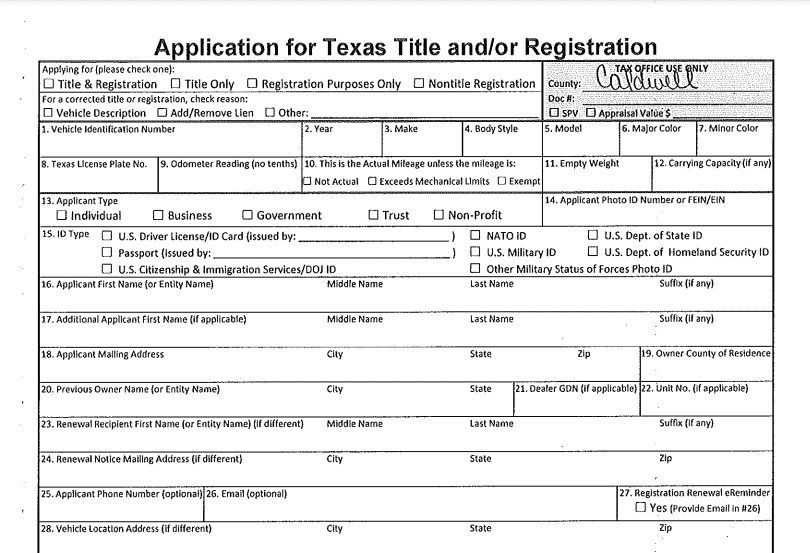
- Form 130-U: Application for Texas Title and/or Registration. This form can usually be obtained at the County Tax Assessor-Collector’s Office or downloaded from the Texas Department of Motor Vehicles website.
Vehicle Inspection: A Prerequisite for the Open Road
Before you can register your vehicle, it must pass a state inspection at a certified inspection station. These stations are plentiful and easily found in virtually every city and town across Texas, from the smallest villages to metropolitan centers like El Paso or Corpus Christi. The inspection covers several key areas:
- Safety Inspection: This checks essential components like brakes, tires, lights, steering, horn, windshield wipers, and seatbelts. It’s a crucial step to ensure your vehicle is safe not just for you, but for everyone on the road, particularly as you navigate diverse Texas terrains, from urban freeways to rural backroads.
- Emissions Inspection: Required only in certain counties (currently 17 of Texas’ 254 counties), primarily those with higher populations and associated air quality concerns. These counties include the greater metropolitan areas of Houston, Dallas/Fort Worth, and Austin/San Antonio. The emissions test ensures your vehicle meets air quality standards, contributing to the preservation of Texas’ natural beauty for future travelers and residents.
Once your vehicle passes, you’ll receive a Vehicle Inspection Report (VIR) digitally, which the County Tax Assessor-Collector’s Office can access, or a paper copy if requested. This report is valid for 90 days, so plan your registration accordingly.
Proof of Financial Responsibility (Insurance)
Texas operates under an “at-fault” system for car accidents, meaning the person who causes the accident is responsible for damages. To ensure drivers can meet this responsibility, Texas law mandates minimum liability insurance coverage, often referred to as “30/60/25”:
- $30,000 for bodily injury per person
- $60,000 for bodily injury per accident
- $25,000 for property damage per accident
You must have proof of this coverage to register your vehicle. Many insurance providers offer policies tailored for new Texas residents, and it’s advisable to compare rates to find coverage that suits your lifestyle, whether you’re commuting daily or taking weekend trips to Big Bend National Park.
Paying Taxes and Fees: The Fiscal Side of Registration
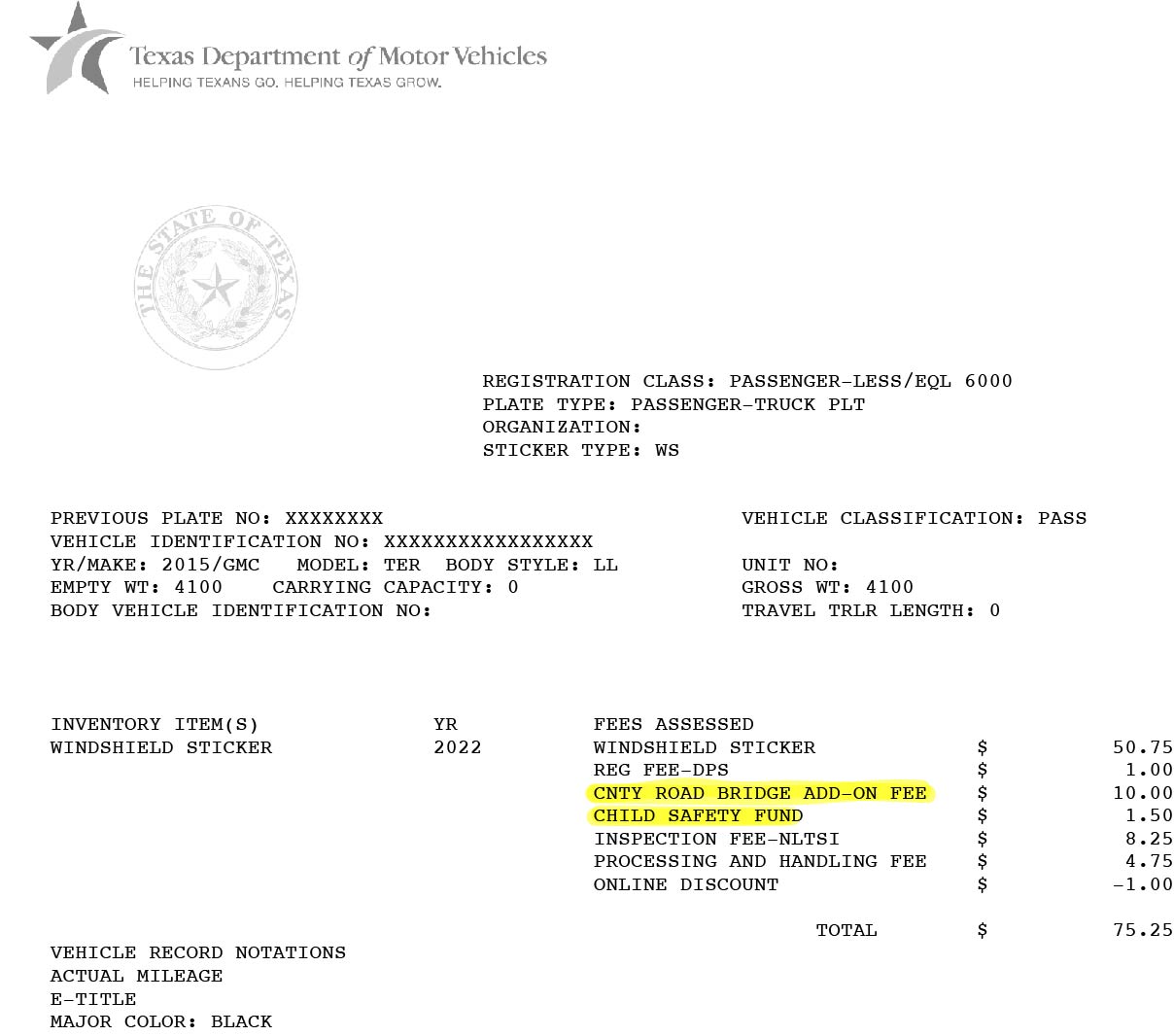
Registering a vehicle in Texas involves several fees and potentially sales tax. These contributions help maintain the state’s extensive road network and fund various public services, enhancing the travel experience for everyone.
- Sales Tax: If you purchased your vehicle in Texas, you’ll pay a 6.25% motor vehicle sales tax on the purchase price. If you’re bringing a vehicle from out-of-state, you’ll pay a “new resident tax” of $90, provided you’ve owned the vehicle for more than one year and originally paid sales tax in another state. If you owned it for less than a year or did not pay sales tax previously, you may owe the full 6.25% sales tax on the current market value.
- Registration Fee: The base registration fee is typically $50.75 for passenger vehicles.
- Local Fees: Many counties and cities add small local fees, which vary.
- Inspection Fee: The inspection itself has a fee, paid directly to the inspection station.
- Title Fee: A separate fee for processing your vehicle title.
All these fees, except for the inspection fee, are paid at the County Tax Assessor-Collector’s Office when you register your vehicle. They can often be paid with cash, check, or credit card, though it’s always wise to confirm payment methods with your specific county office beforehand.
Where to Complete Your Registration: Your Local County Tax Assessor-Collector’s Office
With all your documents in hand and your vehicle inspected, the final destination for registration is your County Tax Assessor-Collector’s Office. These offices are located in the county seat of each of Texas’ 254 counties, making them accessible whether you’re in a major city or a more rural setting.
- The Primary Hub: This office is the central point for vehicle registration, title transfers, and license plate issuance. It’s where you’ll submit your documentation, pay your fees, and ultimately receive your new Texas license plates and registration sticker. Wait times can vary depending on the location and time of day, so check their website for peak hours or appointment systems. Many offices in larger cities like Houston and Dallas have implemented online queuing systems or appointment bookings to streamline the process, a convenient amenity for busy travelers or new residents settling into their accommodation.
- Online and Mail-In Options: While initial registration for new residents or newly purchased vehicles generally requires an in-person visit, renewals are often much simpler. Once your vehicle is successfully registered, you can typically renew your registration online, by mail, or through authorized third-party vendors (such as certain grocery stores). This convenience allows you to focus more on enjoying Texas and less on administrative tasks, perfect for those who frequently travel or are based in temporary accommodation.
Beyond Registration: What to Know for Texas Driving
Once your vehicle is officially registered and sporting its new Texas plates and sticker, you are ready to fully embrace the spirit of the state. However, understanding a few additional aspects of Texas driving laws will further enhance your experience.
Driving Laws and Regulations
Texas has specific traffic laws that may differ from your home state or country. Familiarize yourself with basic rules, such as speed limits, right-of-way, and specific signs. The use of cell phones for texting while driving is illegal statewide, and many cities also prohibit handheld cell phone use altogether. Always yield to pedestrians, especially in popular tourist areas like downtown Austin or near the Space Center Houston. Observing these laws not only ensures your safety but also contributes to a pleasant driving environment for everyone sharing the roads, whether they’re locals or fellow tourists exploring a new destination.
Exploring Texas by Car
With your vehicle properly registered, the vast and diverse beauty of Texas is truly at your fingertips. Imagine cruising along scenic routes, discovering charming small towns with rich history, or venturing into the rugged wilderness. Your registered car isn’t just a mode of transport; it’s a gateway to authentic Texas experiences. Plan a road trip to the cultural districts of Fort Worth, famed for its Western heritage, or drive down to Corpus Christi for a coastal escape. Your registered vehicle allows for spontaneity, letting you detour to a roadside BBQ joint or pull over for an unexpected photo opportunity, transforming a simple drive into an unforgettable journey. This freedom is at the heart of the Texas lifestyle, offering unparalleled access to everything from luxury resorts to quaint family-run hotels.
Successfully registering your car in Texas marks an important milestone, whether you’re a long-term resident, a temporary professional, or a seasoned traveler planning an extended stay. While the initial paperwork might seem daunting, it’s a manageable process that opens up incredible opportunities for exploration and immersion in the unique culture of the Lone Star State. By following these steps, you’ll quickly be ready to hit the road, creating your own unforgettable Texas adventures, all from the comfort and convenience of your own properly registered vehicle.
LifeOutOfTheBox is a participant in the Amazon Services LLC Associates Program, an affiliate advertising program designed to provide a means for sites to earn advertising fees by advertising and linking to Amazon.com. Amazon, the Amazon logo, AmazonSupply, and the AmazonSupply logo are trademarks of Amazon.com, Inc. or its affiliates. As an Amazon Associate we earn affiliate commissions from qualifying purchases.