
Navigating the process of registering a vehicle you’ve brought into the Sunshine State from another jurisdiction can seem like a labyrinth of paperwork and regulations. However, with a clear understanding of the requirements and a methodical approach, registering your out-of-state car in Florida becomes a straightforward undertaking. This guide aims to demystify the procedures, helping you ensure your vehicle is legally compliant on Florida roads without unnecessary delay. Whether you’re a new resident or simply bringing a vehicle to the state for an extended period, understanding these steps is crucial.
Understanding the Essentials: What You’ll Need
Before you even set foot in a Florida Department of Highway Safety and Motor Vehicles (FLHSMV) office or a county tax collector’s office, it’s vital to gather all the necessary documentation. The state has specific requirements to prevent fraud and ensure all vehicles meet safety and emissions standards where applicable. Having everything in order from the outset will significantly expedite the registration process.

Proof of Identity and Residency
Florida requires proof that you are who you say you are and that you reside in the state. Acceptable forms of identification typically include a valid U.S. driver’s license, a U.S. state-issued identification card, or a valid passport. For proof of residency, you can present documents such as a utility bill, a lease agreement, a mortgage statement, or an employment contract, all of which must show your Florida address. It’s important to have at least two forms of proof of residency from separate sources.
Vehicle Title and Registration
You will need the original out-of-state vehicle title. This document serves as proof of ownership. If you have a loan on the vehicle, the lienholder will typically hold the title. In such cases, you’ll need to obtain a lien satisfaction letter or have the lienholder send the title directly to the Florida authorities on your behalf. Additionally, bring your most recent out-of-state vehicle registration. This helps demonstrate the vehicle’s history and confirms it was legally registered elsewhere.
Proof of Insurance
Florida law mandates that all vehicles operated on public roads must have the required minimum Personal Injury Protection (PIP) and Property Damage Liability (PDL) insurance coverage. You must present proof of valid Florida auto insurance from a licensed agent or company. This typically takes the form of an insurance policy declaration page or a binder, showing coverage effective on or before the date you intend to register the vehicle.
Vehicle Identification Number (VIN) Inspection
For vehicles coming from outside of Florida, a VIN inspection is a mandatory step. This inspection verifies the vehicle’s identity and ensures it hasn’t been reported stolen or tampered with. The inspection must be performed by an authorized law enforcement officer or a licensed VIN inspector. Many county tax collector’s offices and some law enforcement agencies offer this service. It’s advisable to schedule this in advance, especially if you are in a busy metropolitan area like Miami or Orlando.
Bill of Sale and Odometer Disclosure
If you purchased the vehicle recently or are transferring ownership in Florida, a bill of sale is often required. This document should include the vehicle’s year, make, model, VIN, the names and signatures of the buyer and seller, and the purchase price. Additionally, an odometer disclosure statement is necessary, which attests to the accuracy of the mileage reading on the vehicle at the time of sale. This is crucial for determining the vehicle’s value and for historical tracking.
The Registration Process: Step-by-Step
Once you have all your documents in order, the actual registration process can begin. Florida offers several avenues for completing this, primarily through county tax collector’s offices, which act as agents for the FLHSMV.
Visiting Your Local County Tax Collector’s Office
The most common method for registering an out-of-state car is by visiting your local county tax collector’s office. These offices are equipped to handle title transfers, registrations, and issuance of license plates. You will need to present all the aforementioned documentation for verification. The process typically involves:
- Application for Certificate of Title (Form HSMV 82040): This form is essential for applying for a Florida title. It requires details about the vehicle, its previous ownership, and your information.
- Application for a Florida License Plate: This is a separate application for your new Florida license plate.
- Payment of Fees and Taxes: You will be required to pay various fees, including title fees, registration fees, and sales tax. The sales tax is calculated based on the vehicle’s value and will be credited for any sales tax paid in the originating state, provided it was a similar tax. You may need proof of any taxes paid out-of-state.
Online and Mail-In Options (Limited)

While in-person visits are generally required for initial out-of-state registrations, the FLHSMV and county tax collector’s offices may offer some online or mail-in services for renewals or specific transactions. However, for a first-time registration of an out-of-state vehicle, it is highly recommended to visit an office to ensure all aspects are covered correctly. Check the specific website for your county’s tax collector for the most up-to-date information on available services.
Obtaining Your License Plate and Decals
Upon successful completion of the registration process and payment of all fees, you will be issued a Florida license plate and registration decals. You will typically receive a temporary registration and license plate on the spot, with your permanent plate and registration documents mailed to your address within a few weeks. It is imperative to affix the license plate and decals to your vehicle as soon as you receive them.
Special Considerations and Potential Hurdles
While the process is generally well-defined, certain situations can present unique challenges or require additional steps. Being aware of these can save you time and frustration.
Vehicles Previously Titled in Other States
The most common scenario involves vehicles coming from another U.S. state. The process outlined above is designed for these vehicles. However, if your vehicle was previously titled in a foreign country, the requirements might differ, potentially involving additional documentation and inspections.
Leased Vehicles
Registering a leased vehicle can add a layer of complexity. The leasing company, as the legal owner, will typically handle the title and registration process. You will need to coordinate with your leasing company to ensure they have the necessary authorization and information to process the Florida registration. They will usually require you to provide proof of Florida insurance and may handle the title transfer on your behalf.
Vehicles Without a Clear Title
If you have purchased a vehicle without a title, or if the title is lost or damaged, this will significantly complicate the registration process. You may need to obtain a duplicate title from the previous state or pursue a bond title, which is a more complex legal process. It is advisable to consult with the FLHSMV or a title service for guidance in these situations.
Emissions and Safety Standards
Florida does not have statewide mandatory vehicle safety inspections for passenger vehicles. However, certain counties, particularly in the southern part of the state, may have emissions testing requirements for older vehicles. It’s essential to check the specific regulations for the county in which you will be registering your vehicle. Vehicles with significant modifications or that are considered “salvage” may also be subject to additional inspections.
Maintaining Compliance and Renewals
Once your vehicle is registered in Florida, it’s crucial to stay compliant. Your registration will need to be renewed annually.
Annual Renewal Process
Florida offers convenient renewal options, including online, by mail, or in person at a county tax collector’s office. You will receive a renewal notice in the mail prior to your expiration date. The renewal process typically requires proof of insurance and payment of renewal fees. If your vehicle requires emissions testing in your county, you will need to have that completed before you can renew.
Updating Your Information
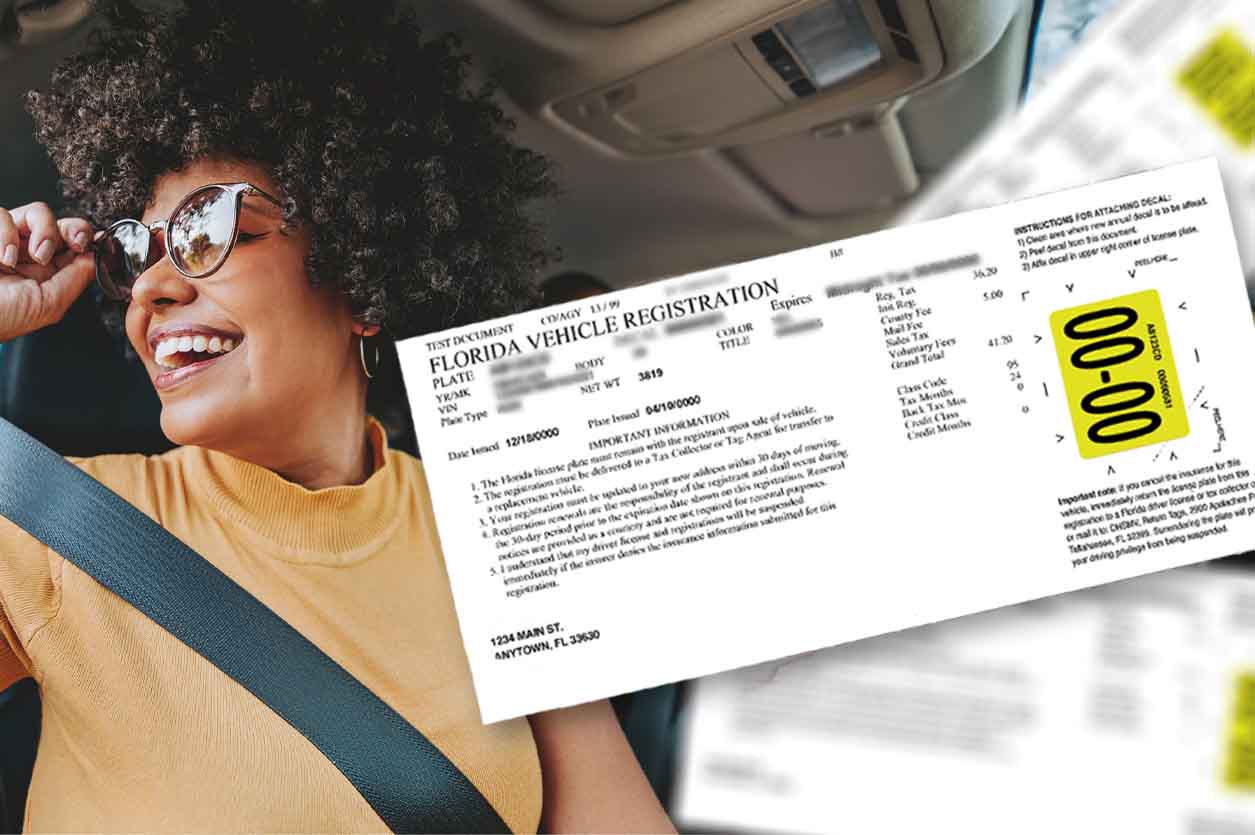
It is vital to keep your contact information updated with the FLHSMV. If you move or change your address, you should update your driver’s license and vehicle registration accordingly to ensure you receive important notices and renewal reminders.
Registering an out-of-state car in Florida is a necessary step for new residents and those bringing vehicles into the state. By meticulously preparing your documentation, understanding the procedural steps, and being aware of potential special circumstances, you can navigate this requirement smoothly and efficiently, allowing you to fully enjoy driving your vehicle under the sunny skies of Florida.
LifeOutOfTheBox is a participant in the Amazon Services LLC Associates Program, an affiliate advertising program designed to provide a means for sites to earn advertising fees by advertising and linking to Amazon.com. Amazon, the Amazon logo, AmazonSupply, and the AmazonSupply logo are trademarks of Amazon.com, Inc. or its affiliates. As an Amazon Associate we earn affiliate commissions from qualifying purchases.