
Registering a vehicle in Florida is a straightforward process, essential for any new resident or anyone purchasing a new or used vehicle within the Sunshine State. This guide will walk you through the necessary steps, required documentation, and important considerations to ensure a smooth registration experience. Understanding these requirements will help you navigate the Department of Highway Safety and Motor Vehicles (FLHSMV) efficiently, whether you’re driving a car, motorcycle, or RV.
Understanding the Florida Vehicle Registration Process
The primary goal of vehicle registration in Florida is to ensure that all vehicles operating on public roads are properly identified, insured, and meet safety standards. The FLHSMV, through its county tax collector offices, oversees this process. You’ll need to gather specific documents and fees to complete your registration. The process generally applies to both new residents bringing their vehicles from out of state and individuals purchasing vehicles within Florida.
New Residents and Out-of-State Vehicles
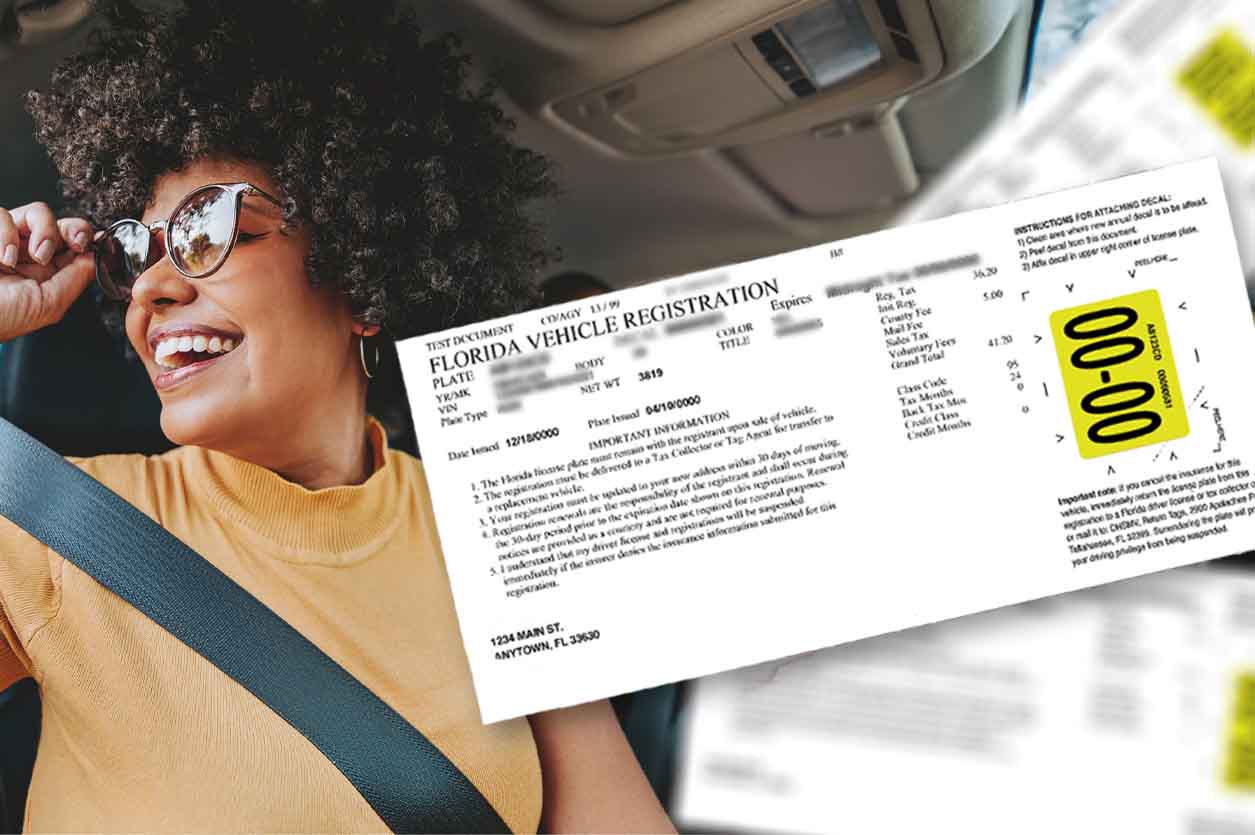
If you’ve recently moved to Florida and brought your vehicle with you, you have a limited timeframe to register it. Typically, you have 30 days from establishing residency to obtain a Florida title and registration. This involves surrendering your out-of-state title and applying for a new Florida title. You’ll also need a Florida license plate and registration.
- Vin Inspection: For vehicles coming from out-of-state, a Vehicle Identification Number (VIN) inspection is often required. This is a visual inspection to verify the VIN on your vehicle matches the documentation. This can be performed by authorized law enforcement officers, county tax collector employees, or licensed motor vehicle dealers.
- Proof of Insurance: Florida requires all drivers to carry a minimum of $10,000 in Personal Injury Protection (PIP) and $10,000 in Property Damage Liability (PDL) insurance. You’ll need to provide proof of this insurance to register your vehicle.
- Title and Registration Fees: There will be fees associated with titling and registering your vehicle, which vary based on the vehicle’s age, weight, and type.
Purchasing a Vehicle in Florida
When you purchase a vehicle within Florida, the dealership will typically handle much of the initial paperwork for titling and registration. However, it’s crucial to understand your responsibilities.
- Dealership Assistance: Most dealerships will assist you with the titling and registration process, often collecting sales tax and submitting the necessary applications to the county tax collector on your behalf. They will usually provide you with a temporary tag and registration.
- Private Sales: If you purchase a vehicle from a private seller, you will be responsible for transferring the title and registering the vehicle yourself at a county tax collector’s office. You will need the signed title from the seller, a bill of sale, proof of insurance, and payment for applicable fees and taxes.
Required Documentation for Registration
To successfully register your vehicle in Florida, you will need to present a specific set of documents. Having these prepared in advance will streamline the process and prevent potential delays.
Essential Documents
- Proof of Ownership:
- Title: This is the primary document proving ownership. For new residents, this will be your out-of-state title. For vehicles purchased in Florida, this will be the Florida title, or a Manufacturer’s Statement of Origin (MSO) for new vehicles.
- Bill of Sale: For private sales, a bill of sale is essential, detailing the buyer, seller, vehicle information (VIN, make, model, year), and sale price.
- Proof of Identity: A valid Florida driver’s license or identification card is required for the registered owner.
- Proof of Insurance: A current insurance policy card or binder showing the required PIP and PDL coverage.
- Vehicle Identification Number (VIN) Inspection Certificate: As mentioned, this is usually required for vehicles coming from out of state.
- Odometer Disclosure Statement: This is a federal requirement for most vehicle sales and transfers, stating the vehicle’s mileage.
- Application for Certificate of Title With/Without Registration (HSMV 82040): This form is completed at the county tax collector’s office.
Additional Documents (As Applicable)
- Lien Release: If you previously had a loan on the vehicle, you may need a lien release from the lender showing the loan has been satisfied.
- Lease Agreement: If the vehicle is leased, a copy of the lease agreement may be required.
- Power of Attorney: If someone else is handling the registration on your behalf, a signed Power of Attorney is necessary.
- Dealers’ Forms: For vehicles purchased from a dealership, they will provide the necessary temporary registration and title application forms.
The Registration Process: Step-by-Step
Navigating the registration process can seem daunting, but by following these steps, you can ensure a smooth experience.
Step 1: Gather Your Documentation
Before visiting a county tax collector’s office, ensure you have all the necessary documents as outlined above. Missing documents are the most common reason for registration delays.
Step 2: Obtain Vehicle Insurance
Florida law mandates PIP and PDL insurance. You cannot register a vehicle without proof of this coverage. Contact an insurance provider to get a policy that meets the state’s minimum requirements.
Step 3: Get a VIN Inspection (If Required)
If your vehicle is coming from out of state or is being registered for the first time in Florida after a period of non-operation, you may need a VIN inspection. Check with your local county tax collector’s office for specific requirements and inspection locations.
Step 4: Visit Your Local County Tax Collector’s Office
You can complete your vehicle registration at any Florida county tax collector’s office. It’s advisable to check their specific operating hours and whether appointments are necessary. Some offices may offer online appointment scheduling.
Step 5: Complete Required Forms
At the office, you will fill out the Application for Certificate of Title With/Without Registration (HSMV 82040). The staff will guide you through this process and assist with any other necessary forms.
Step 6: Pay Fees and Taxes
You will be required to pay several fees, including:
- Title Fee: For obtaining a Florida title.
- Registration Fee: Varies by vehicle type and weight.
- Sales Tax: If you purchased the vehicle in Florida and have not already paid it to the dealer, you will pay the state sales tax (6% plus any applicable local option taxes).
- Plate Fee: For the issuance of a new license plate.
Step 7: Receive Your License Plate and Registration
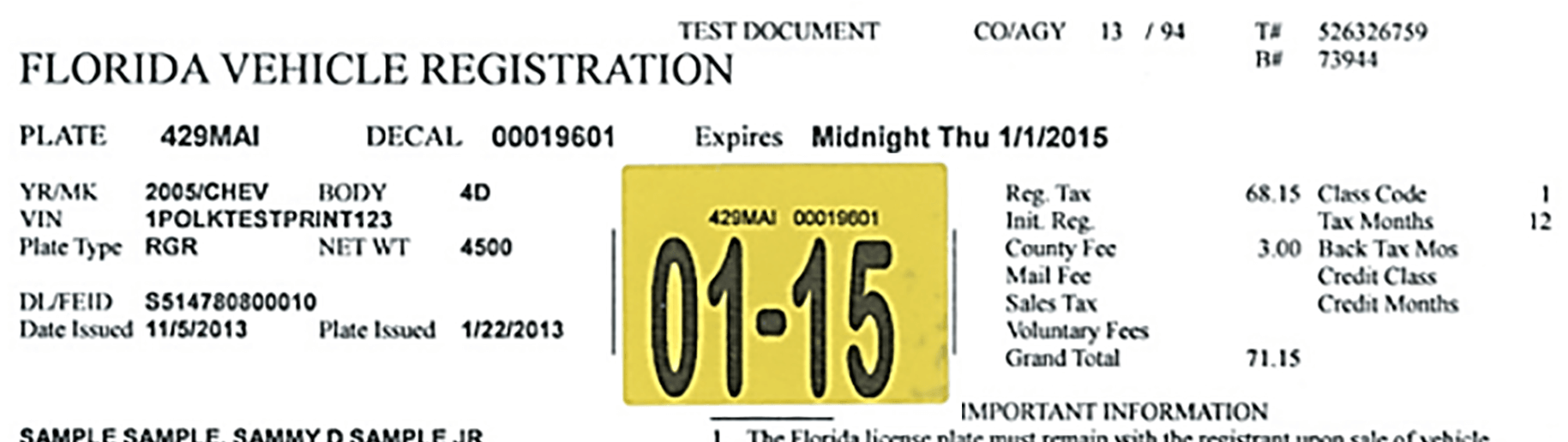
Once all paperwork is processed and fees are paid, you will receive your official Florida license plate and registration certificate. You will also receive a decal to affix to your license plate. Your title will be mailed to you, or held electronically if you have a lien on the vehicle.
Special Considerations and Tips
Beyond the standard registration process, there are a few special circumstances and helpful tips to keep in mind for a smoother experience.
Specialty License Plates
Florida offers a wide variety of specialty license plates supporting various organizations, causes, and interests. These often come with an additional fee but allow you to personalize your vehicle and support a chosen initiative. You can explore these options at the county tax collector’s office or on the FLHSMV website.
Vehicle Registration Renewal
Vehicle registrations in Florida are typically valid for one year and expire on the owner’s birthday. You will receive a renewal notice by mail, and you can also renew online through the FLHSMV website, by mail, or in person at a county tax collector’s office. Prompt renewal is crucial to avoid late fees and penalties.
Plate Transfer
If you are selling your current vehicle and purchasing a new one, you may be able to transfer your existing license plate to the new vehicle. This can save you the cost of a new plate and its associated fees. This process can be done at the county tax collector’s office.
Commercial Vehicles
Registering commercial vehicles, such as trucks and vans used for business purposes, may involve additional requirements, including specific weight classifications and emissions testing in certain areas. It’s advisable to consult with the FLHSMV or your local tax collector for detailed information pertaining to commercial vehicle registration.

Out-of-State Title Transfer for Vehicles with Liens
If your vehicle has a lien from an out-of-state lender, you will need to work with your lender to obtain a lien release or have them coordinate the transfer of the title to a Florida lienholder if applicable. This can sometimes add complexity to the title transfer process.
By understanding these procedures and preparing thoroughly, you can ensure that your vehicle is legally registered and you are ready to enjoy driving in the beautiful state of Florida.
LifeOutOfTheBox is a participant in the Amazon Services LLC Associates Program, an affiliate advertising program designed to provide a means for sites to earn advertising fees by advertising and linking to Amazon.com. Amazon, the Amazon logo, AmazonSupply, and the AmazonSupply logo are trademarks of Amazon.com, Inc. or its affiliates. As an Amazon Associate we earn affiliate commissions from qualifying purchases.