
California, a land of sun-kissed beaches, towering redwoods, and bustling metropolises, offers an unparalleled canvas for entrepreneurs in the travel, tourism, and lifestyle sectors. From operating boutique hotels in Napa Valley to curating luxury travel experiences along the Pacific Coast Highway, the opportunities are as vast as the state itself. If you’re looking to formalize your venture, establishing a Limited Liability Company (LLC) in California is a strategic move that offers both flexibility and crucial protection.
An LLC combines the personal liability protection of a corporation with the operational simplicity and tax advantages of a partnership. This structure is particularly appealing for small and medium-sized businesses, including those focusing on accommodation services, unique travel experiences, or lifestyle brands that cater to a global audience. Navigating the registration process, however, requires careful attention to detail and an understanding of California’s specific requirements. This comprehensive guide will walk you through each step, ensuring your travel or lifestyle dream in the Golden State is built on a solid legal foundation.
Understanding the Advantages of an LLC for Travel and Lifestyle Businesses in California
For entrepreneurs venturing into California’s dynamic tourism and lifestyle markets, choosing the right business structure is paramount. The LLC stands out for its unique blend of benefits, making it an ideal choice for everything from a small travel photography service in Yosemite to a sophisticated villa rental agency in Malibu.
Protecting Your Personal Assets in the Golden State’s Tourism Industry
One of the most compelling reasons to form an LLC is the limited liability protection it offers. In essence, an LLC creates a legal separation between your personal assets (such as your home, car, and personal savings) and the assets and liabilities of your business. This protection is invaluable, especially in the inherently service-oriented and often unpredictable realms of travel and hospitality.
Imagine operating a tour company offering adventure tours through Lake Tahoe or managing a portfolio of vacation rentals in San Diego. Accidents, unforeseen damages, or customer disputes, though rare, can arise. Without an LLC, your personal wealth could be at risk if a lawsuit were to occur. With an LLC, any legal claims or business debts are typically limited to the assets of the company itself, safeguarding your personal financial future. This peace of mind is invaluable for hotel owners, tour operators, or even a lifestyle blogger whose brand partnerships could involve complex contracts. It allows you to focus on creating unforgettable experiences for your clients without the constant worry of personal exposure.
Operational Flexibility and Tax Benefits for Your California Venture
Beyond asset protection, an LLC offers significant operational flexibility that can be particularly advantageous for businesses in the travel and lifestyle industries. Unlike corporations with rigid structures, an LLC allows you to tailor its management structure to suit your needs. You can choose to be member-managed, where all owners participate in daily operations, which is common for small boutique hotels or travel agencies. Alternatively, you can opt for manager-managed, appointing one or more managers (who may or may not be owners) to oversee the business, a setup often preferred for larger resorts or property management companies.
From a taxation standpoint, LLCs enjoy “pass-through” taxation by default. This means the company itself does not pay federal income taxes; instead, profits and losses are “passed through” to the owners’ personal tax returns and taxed at their individual income tax rates. This avoids the “double taxation” often associated with corporations, where profits are taxed at the corporate level and again when distributed to shareholders. For a budding travel blog generating income from affiliate marketing and sponsorships or a guesthouse with seasonal fluctuations, this simplicity can be a significant advantage. Furthermore, depending on your business’s profitability, you might have the option to elect for your LLC to be taxed as an S-corporation, potentially saving on self-employment taxes, which can be a game-changer for growing lifestyle businesses looking to expand their reach across California and beyond. This adaptability in management and taxation positions the LLC as a robust choice for a wide spectrum of entrepreneurial ventures in the Golden State.

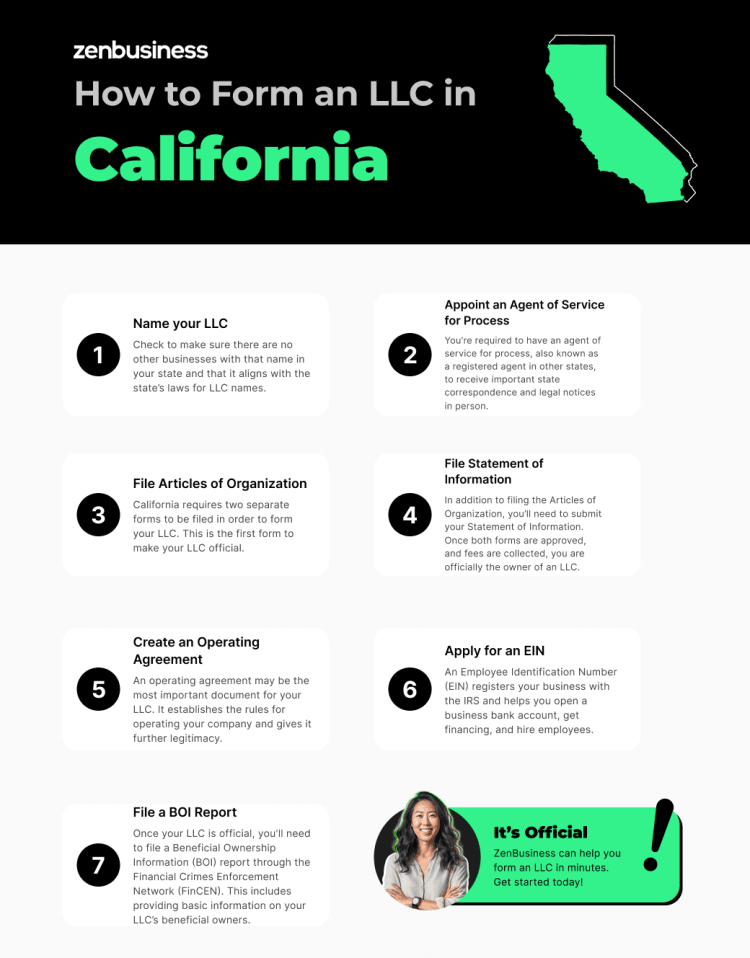
Essential Steps to Registering Your LLC in California
Embarking on the journey to register your LLC in California involves a series of well-defined steps. Each stage is crucial for ensuring your business is legally compliant and ready to thrive in the competitive landscape of travel and lifestyle services.
Step 1: Naming Your Business and Securing Your Online Presence
The first impression your travel or lifestyle business makes often starts with its name. A memorable and unique name is vital for branding, especially in a sector that relies heavily on recognition and reputation.
- Choosing a Unique Name: California has specific naming requirements for LLCs. Your chosen name must include the words “Limited Liability Company” or one of its abbreviations, such as “LLC” or “L.L.C.”. It cannot contain words that might imply it is a corporation (like “Inc.” or “Corp.”) or a government agency. More importantly, the name should reflect your brand identity. Are you envisioning a serene retreat in Big Sur, an adventurous tour guide service in Mammoth Lakes, or a personalized concierge service for luxury business stays in Los Angeles? Your name should resonate with your target audience.
- Name Availability Search: Before you fall in love with a name, you must verify its availability with the California Secretary of State. This ensures that your chosen name is not already in use by another registered entity in the state. You can perform a preliminary search online through their website. It’s also advisable to check for trademark conflicts and federal registrations to avoid future legal headaches, especially if your brand aims for national or international recognition in specialized niches like eco-tourism or wellness travel.
- Domain Name and Social Media: In today’s digital age, securing your online presence is as critical as your legal name. Once you’ve settled on a business name, immediately check for the availability of a corresponding domain name (e.g., yourcompany.com) and social media handles. For any travel, hospitality, or lifestyle business, a strong online presence is non-negotiable for marketing destinations, showcasing accommodation options like suites or apartments, sharing travel guides, and engaging with potential clients seeking experiences.
Step 2: Appointing a Registered Agent and Crafting Your Operating Agreement
With your business name secured, the next steps involve designating a crucial contact point for your LLC and establishing its internal operational framework.
- Registered Agent: Every LLC in California must have a registered agent. This is an individual or a business entity physically located in California who is designated to receive official legal and tax documents on behalf of your LLC. This agent must have a physical street address (not a P.O. Box) in California and be available during normal business hours. For entrepreneurs frequently on the move, perhaps managing multiple accommodation properties or leading expeditions across the state, hiring a professional registered agent service is a practical solution. It ensures important documents are always received promptly, allowing you to focus on your clients, whether they’re enjoying a food tour in San Francisco or a tranquil stay at a resort in Palm Springs.
- Operating Agreement: While not legally required to file with the California Secretary of State, an LLC Operating Agreement is arguably the most critical document for your business. This internal contract outlines the ownership structure, members’ roles and responsibilities, profit and loss distribution, decision-making processes, and procedures for admitting new members or dissolving the company. For multi-owner ventures, such as a partnership managing long-term stays or a group investing in boutique hotels, a comprehensive operating agreement prevents disputes and provides clarity. It defines how your travel or lifestyle business will operate, ensuring everyone is on the same page, whether planning family trips or organizing business stays.
Step 3: Filing Your Articles of Organization with the California Secretary of State
This is the formal step that officially brings your LLC into existence in California. The Articles of Organization is a relatively simple document, yet it’s your declaration of intent to form an LLC.
You will need to file Form LLC-1 with the California Secretary of State. This document requires:
- The name of your LLC.
- The name and address of your registered agent.
- Your LLC’s principal office address – this could be a co-working space in San Jose for your tech-travel startup or a dedicated home office for your travel content creation business.
- A statement that the purpose of the LLC is to engage in any lawful act or activity for which an LLC may be organized under the California Revised Uniform Limited Liability Company Act.
The filing fee for the Articles of Organization is currently $70. You can file online, by mail, or in person. Online filing is generally the fastest and most convenient method, with processing times varying but typically ranging from a few days to a couple of weeks. Once approved, the Secretary of State will send you a filed copy, signifying that your LLC is officially recognized.

Step 4: Obtaining Necessary Licenses, Permits, and EIN
After your LLC is formally established, there are still a few critical steps to ensure full operational compliance.
- Employer Identification Number (EIN): Often referred to as a Federal Tax Identification Number, an EIN is like a social security number for your business. You will need an EIN if your LLC has employees, is taxed as a corporation, or has more than one member. It’s essential for opening a business bank account, filing taxes, and hiring staff, whether for your hotel housekeeping or tour guides. You can obtain an EIN for free directly from the IRS website.
- State and Local Business Licenses and Permits: The requirements for business licenses and permits can vary significantly based on your industry and specific location within California. A bed and breakfast in Santa Barbara will require different permits (e.g., lodging permits, health department approvals) than a travel consultant operating remotely from Sacramento. You may need a general business license from your city or county, and potentially specific permits related to food service, alcohol sales, or event planning. Researching the requirements for your specific type of travel or lifestyle business at both the state and local levels is crucial to avoid penalties. The California Office of Business and Economic Development (GO-Biz) is an excellent resource for this.
- Seller’s Permit: If your LLC plans to sell tangible personal property (e.g., souvenirs at a landmark gift shop, custom travel gear, or even digital products that require sales tax collection), you will likely need to obtain a seller’s permit from the California Department of Tax and Fee Administration (CDTFA). This allows you to collect sales tax from customers and remit it to the state.
Post-Registration Compliance and Sustaining Your California Business
Registering your LLC is a monumental first step, but the journey doesn’t end there. Maintaining compliance and actively building your brand are equally vital for the sustained success of your travel or lifestyle business in California.
Annual Requirements and Ongoing Filings
California has specific ongoing requirements for LLCs that must be adhered to annually or biennially. Missing these can lead to penalties or even administrative dissolution of your company.
- Annual Franchise Tax: Perhaps the most significant ongoing requirement is the California annual minimum franchise tax. Currently, this is $800, payable to the California Franchise Tax Board. This tax is due whether your LLC makes a profit or not, and it applies to virtually all LLCs registered in the state, even the smallest lifestyle businesses or travel content creators. This payment is due by the 15th day of the fourth month after filing your Articles of Organization, and then annually thereafter.
- Statement of Information: California LLCs are required to file a Statement of Information (Form LLC-12)) with the Secretary of State every two years. This form updates the state with current information about your LLC, including its principal office address, the name and address of its registered agent, and the names and addresses of its managing members or managers. Keeping this information current is vital for transparency and proper communication with the state.
- Record Keeping: Maintaining accurate and organized records is essential for all businesses. This includes financial statements, contracts with hotels or tour providers, client booking details, employee records, and copies of all formation and compliance documents. Good record-keeping not only simplifies tax preparation and potential reviews or audits but also provides invaluable insights into the performance and growth of your accommodation business or travel consultancy.
Building Your Brand and Expanding Your Reach in California
Beyond the legalities, a registered LLC lends credibility and professionalism to your travel or lifestyle brand. Banks, potential investors, and even large hotel chains or tourism boards often prefer to work with formalized entities, seeing them as more stable and reliable.
With your LLC in place, you can confidently leverage California’s immense appeal. Market your luxury travel packages featuring bespoke stays in Beverly Hills resorts, promote eco-tourism guides for exploring Redwood National Park, or curate unique local culture experiences in historic districts. Network within the vibrant tourism and hospitality communities, seek partnerships, and attract clients who appreciate professionalism and reliability. Whether your focus is on budget travel tips or exclusive amenities at a five-star hotel, having a legally recognized business structure enables you to grow and thrive.
Establishing an LLC in California is a foundational step for anyone looking to build a legitimate, protected, and scalable business in the state’s captivating travel and lifestyle sectors. While the process involves several distinct stages, each is designed to ensure your venture operates smoothly and compliantly. By meticulously following these steps, from choosing a compelling name to fulfilling ongoing tax obligations, you lay a robust groundwork for success.
The Golden State offers endless inspiration, from its iconic landmarks and diverse destinations to its vibrant arts and culture. With your LLC properly registered and maintained, you are well-positioned to turn your entrepreneurial vision into a thriving reality, contributing to and benefiting from California’s thriving economy. Don’t let the administrative details deter you; instead, see them as essential steps towards safeguarding your dream and securing a future in one of the world’s most desirable business environments.
LifeOutOfTheBox is a participant in the Amazon Services LLC Associates Program, an affiliate advertising program designed to provide a means for sites to earn advertising fees by advertising and linking to Amazon.com. Amazon, the Amazon logo, AmazonSupply, and the AmazonSupply logo are trademarks of Amazon.com, Inc. or its affiliates. As an Amazon Associate we earn affiliate commissions from qualifying purchases.