
Embarking on an entrepreneurial journey in the picturesque State of Colorado offers a unique blend of vibrant economic opportunity and an unparalleled quality of life. From the majestic peaks of the Rocky Mountains National Park to the bustling urban centers like Denver and Boulder, the Centennial State is a magnet for innovators, adventure seekers, and business visionaries alike. Whether your dream involves launching a boutique hotel consultancy, a high-altitude adventure travel outfitter, an eco-tourism guide service, or any other venture, establishing a Limited Liability Company (LLC) in Colorado is often the preferred first step. An LLC provides crucial personal liability protection, flexibility in management, and potential tax advantages, making it an attractive business structure for many.
This comprehensive guide will walk you through the essential steps to successfully register your LLC in Colorado. We’ll delve into the nuances of each requirement, ensuring you have a clear roadmap to navigate the legal landscape and establish your business foundation in this dynamic state. By understanding the process, you can free up valuable time and resources to focus on developing your business concept, perhaps even exploring the stunning natural landmarks or vibrant local culture that define the Colorado experience, making your entrepreneurial journey as fulfilling as the destination itself.
Understanding the Colorado LLC Landscape
Before diving into the nuts and bolts of registration, it’s important to appreciate why Colorado is an excellent place to form an LLC. The state boasts a robust economy, a business-friendly regulatory environment, and a diverse talent pool. For those in the travel, tourism, and hospitality sectors—which align perfectly with our website’s themes—Colorado offers unique opportunities. Imagine starting an LLC to manage luxury vacation rentals near Aspen, or perhaps developing a new app for booking glamping experiences close to the Great Sand Dunes National Park. The possibilities are as vast as the Colorado landscape itself.
The Colorado Secretary of State is the primary authority for business entity registration in the state. Their online portal is efficient and user-friendly, streamlining the process significantly. Understanding their requirements and procedures will be key to a smooth registration. Colorado also has a reputation for being forward-thinking in its business regulations, which contributes to a thriving ecosystem for new ventures. This favorable environment means less bureaucratic red tape and more focus on growth, whether your business serves local residents, or the millions of tourists who visit Colorado each year, drawn by attractions like the iconic Garden of the Gods near Colorado Springs.
Essential Steps to Register Your Colorado LLC
The journey to establishing your LLC in Colorado involves several critical steps, each designed to ensure your business operates legally and efficiently. Following these steps carefully will lay a solid foundation for your new venture, allowing you to focus on developing your services, whether they involve crafting unique travel packages, managing bespoke accommodations, or curating unforgettable tourism experiences.
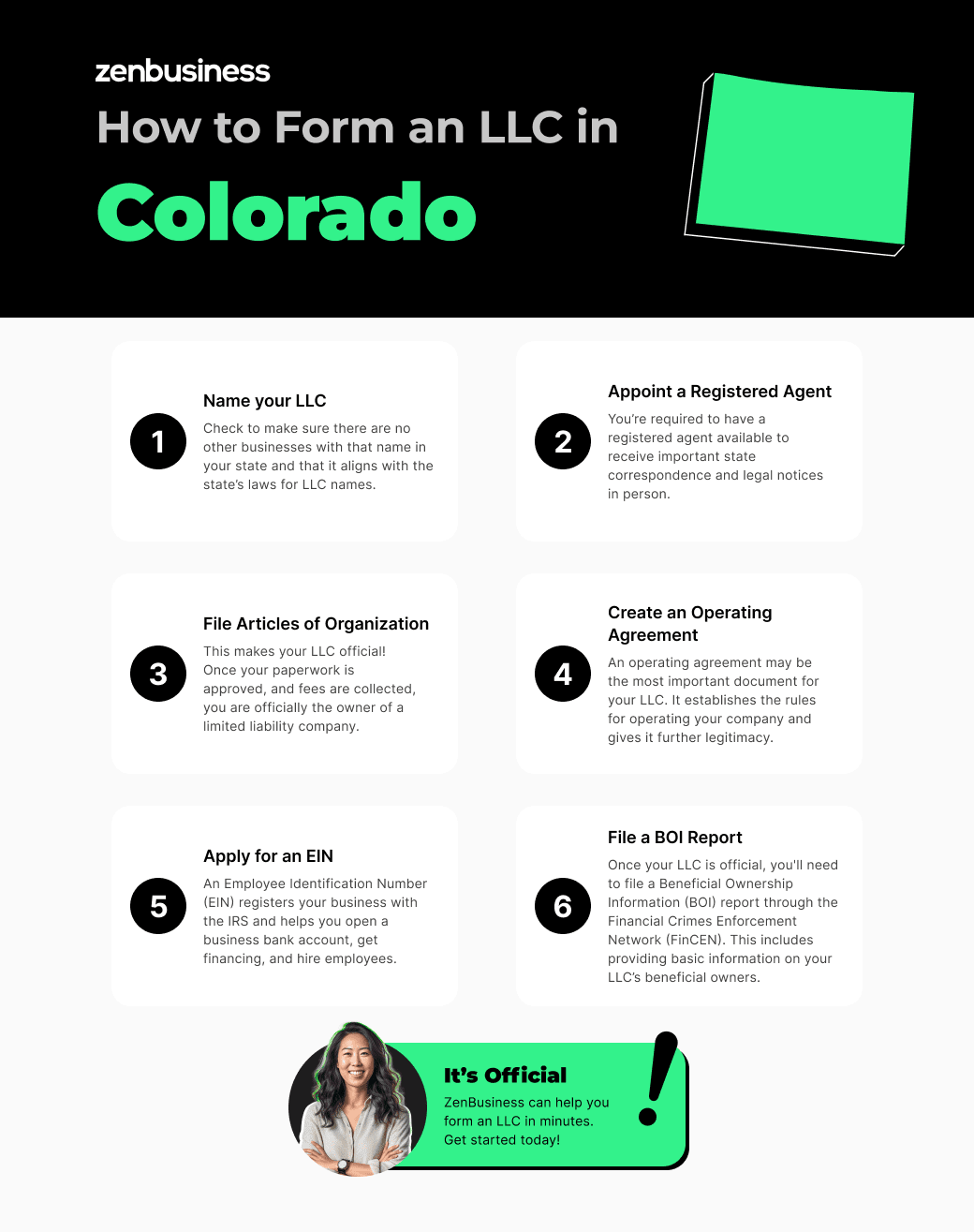
Step 1: Choosing and Securing Your LLC Name
The first and often most exciting step is selecting a name for your LLC. Your business name is your identity, so it should be memorable, distinctive, and reflective of your brand. Colorado law requires that your LLC’s name must:
- Be Distinguishable: It must be unique from other business entities already registered with the Colorado Secretary of State. You can perform a business name availability search on the Secretary of State’s website to check if your desired name is available.
- Include Specific Designators: The name must contain the words “Limited Liability Company”, “Ltd. Liability Company”, “Limited Liability Co.”, “Ltd. Liability Co.”, “LLC”, or “L.L.C.”.
- Avoid Restricted Words: Certain words are restricted and may require additional licensing or approval (e.g., “bank,” “insurance,” “university”).
Once you’ve chosen a name, it’s wise to reserve it if you’re not immediately ready to file your Articles of Organization. You can reserve a name for 120 days by filing a Statement of Reservation of Name with the Colorado Secretary of State, preventing others from using it while you prepare your documentation. Additionally, consider checking for domain name availability and social media handles that match your chosen LLC name to ensure a consistent brand presence for your travel or hospitality venture.
Step 2: Appointing a Registered Agent
Every Colorado LLC is legally required to have a Registered Agent. This individual or entity serves as your business’s official point of contact for legal and tax correspondence from the state. The Registered Agent must:
- Have a Physical Street Address: A P.O. Box is not acceptable. This address must be in Colorado.
- Be Available During Business Hours: They must be present at the registered office address during regular business hours to accept service of process.
You can act as your own Registered Agent if you meet these requirements. However, many business owners opt to hire a professional Registered Agent service. This can offer several advantages, especially for those who travel frequently or operate their business from a home address, desiring privacy. Professional services ensure compliance, help keep your personal address off public records, and provide peace of mind that important legal documents will always be received in a timely manner, whether you’re exploring the ski slopes of Vail or managing a resort from afar.
Step 3: Filing Your Articles of Organization
This is the cornerstone of your LLC registration. The Articles of Organization is a formal document filed with the Colorado Secretary of State that officially creates your LLC. The information required typically includes:
- The name of your LLC.
- The name and address of your Registered Agent.
- The principal office address of the LLC (which can be outside Colorado).
- The name and address of the individual forming the LLC (the “Organizer”).
- Whether the LLC will be member-managed or manager-managed.
You can file the Articles of Organization online through the Colorado Secretary of State’s website, which is the quickest and most efficient method. There is a filing fee, which you can typically pay by credit card. Once filed and approved, the Secretary of State will provide you with a filed copy of your Articles of Organization, confirming your LLC’s legal existence. This document is crucial for opening bank accounts, securing loans, and demonstrating your business’s legitimacy as you build your presence in the travel and tourism industry.
Step 4: Creating an Operating Agreement
While not legally required to file with the Colorado Secretary of State, an Operating Agreement is arguably the most important internal document for your LLC. This written agreement outlines the ownership, management, and operational procedures of your LLC. It functions similarly to a partnership agreement or corporate bylaws, providing a clear framework for how the business will be run. Key elements typically include:
- Ownership percentages of each member.
- Roles and responsibilities of members and/or managers.
- Voting rights and decision-making processes.
- Capital contributions by members.
- Profit and loss distributions.
- Procedures for adding new members, transferring interests, or dissolving the LLC.
Having a well-drafted Operating Agreement is essential for several reasons: it helps prevent future disputes among members, provides clear guidelines in unforeseen circumstances, and demonstrates to courts that your LLC is a legitimate entity, thus strengthening the personal liability protection it offers. For any business operating in a dynamic field like travel, where partnerships and rapid adaptation are common, a clear internal agreement is invaluable.
Step 5: Obtaining an Employer Identification Number (EIN)
After your LLC is officially registered with the state, you’ll likely need an Employer Identification Number (EIN) from the Internal Revenue Service (IRS). An EIN, often referred to as a Federal Tax Identification Number, is like a Social Security Number for your business. You will need an EIN if your LLC:
- Has employees.
- Is taxed as a corporation or partnership (rather than a sole proprietorship for a single-member LLC).
- Files excise tax returns.
- Withholds taxes on income, other than wages, paid to a non-resident alien.
- Has a Keogh plan.
- Is involved with certain types of organizations.
Even if your single-member LLC doesn’t initially require an EIN, it’s highly recommended to obtain one. You’ll need it to open a business bank account, which is crucial for maintaining the financial separation between your personal and business assets—a key benefit of forming an LLC. Applying for an EIN is a free and straightforward process that can be completed online directly through the IRS website.
Post-Registration Compliance and Business Growth in Colorado
Registering your LLC is a significant milestone, but it’s just the beginning. To ensure your business thrives and remains compliant, there are ongoing obligations and strategic considerations, especially within the context of Colorado’s dynamic economy and appealing lifestyle.
Annual Report Filings
In Colorado, all LLCs are required to file an Annual Report with the Colorado Secretary of State. This filing updates the state with essential information about your business, such as your current Registered Agent and principal office address. The Annual Report is typically due each year during your LLC’s anniversary month of formation. It’s a quick online process with a small filing fee. Failing to file can lead to your LLC being considered “non-compliant” or “delinquent,” potentially leading to administrative dissolution. Staying on top of this ensures your travel agency, hospitality business, or tour operation maintains its good standing in the state.
State and Local Licenses and Permits
Depending on the nature of your business and its location within Colorado, you may need to obtain additional state-level and local licenses or permits. For instance, a hotel in Denver would have different licensing requirements than an adventure guide service operating out of Boulder or a long-term accommodation provider in Colorado Springs. These can include general business licenses, specific professional licenses (e.g., for real estate brokers managing vacation rentals), sales tax permits, or permits related to health and safety.
It’s crucial to research the specific requirements for your industry and locality. The Colorado Office of Economic Development and International Trade or local city government websites often provide resources and links to relevant licensing agencies. Ensuring all necessary permits are in place protects your business from legal issues and allows you to operate confidently, whether you’re welcoming guests to a cozy Colorado retreat or leading them on an unforgettable backcountry excursion.

Sustaining Your Business in the Centennial State
Beyond the legal formalities, truly thriving in Colorado involves embracing the state’s unique lifestyle and business culture. For those in travel and tourism, networking with other local businesses—from luxury resorts to independent eateries—can open doors to synergistic partnerships. Engage with local chambers of commerce, participate in community events, and explore collaborations that highlight the best of what Colorado has to offer. Continuous learning, adapting to market trends (especially in tourism), and maintaining excellent customer service will be paramount to your LLC’s long-term success.
Registering an LLC in Colorado is a clear path to formalizing your entrepreneurial vision. By diligently following these steps and staying informed about ongoing compliance, you’ll establish a robust legal framework for your business. This foundation empowers you to focus on innovation, growth, and delivering exceptional experiences, whether your venture aims to reshape the luxury travel market or offer unique local cultural immersion tours across the beautiful United States landscape that is Colorado. The journey of building a successful business in the Centennial State is not just about paperwork; it’s about crafting a legacy in a place where natural beauty meets boundless opportunity.
LifeOutOfTheBox is a participant in the Amazon Services LLC Associates Program, an affiliate advertising program designed to provide a means for sites to earn advertising fees by advertising and linking to Amazon.com. Amazon, the Amazon logo, AmazonSupply, and the AmazonSupply logo are trademarks of Amazon.com, Inc. or its affiliates. As an Amazon Associate we earn affiliate commissions from qualifying purchases.