
Relocating to the Lone Star State is an exciting prospect, filled with the promise of sprawling landscapes, vibrant cities, and a unique cultural tapestry. Whether you’re drawn to the bustling energy of Austin, the cosmopolitan allure of Houston, the historic charm of San Antonio, or the dynamic spirit of Dallas, making Texas your new home involves a few administrative steps. Among the most crucial is ensuring your vehicle is properly registered within the state. This guide will demystify the process of registering an out-of-state car in Texas, ensuring a smooth transition as you embrace your new Texan adventure.
Understanding Texas Vehicle Registration Requirements
Upon establishing residency in Texas, you are legally obligated to register your vehicle within 30 days. This timeframe is crucial to avoid potential penalties and ensure you can legally operate your car on Texan roads. The registration process is managed by the Texas Department of Motor Vehicles (TxDMV), and it involves several key components: obtaining a Texas driver’s license, getting your vehicle inspected, and then submitting the necessary paperwork and fees for registration. It’s important to note that Texas is an “apportionment” state for vehicle registration, meaning you’ll need to register your car locally through a county tax assessor-collector’s office, not directly with the state.
Establishing Texas Residency
Before embarking on the vehicle registration journey, confirming your residency status is paramount. This typically involves demonstrating that you intend to live in Texas permanently. Common documents used to establish residency include:
- A lease agreement or deed for a property in Texas.
- Utility bills (electricity, water, gas) in your name at your Texas address.
- A Texas driver’s license or identification card.
- Employment verification from a Texas-based employer.
- Voter registration in Texas.
The specific requirements might vary slightly, so it’s always advisable to check the official Texas Department of Public Safety (DPS) website for the most up-to-date information on residency proof.
Obtaining a Texas Driver’s License
A prerequisite for registering your vehicle in Texas is possessing a valid Texas driver’s license. If you’re moving from another state, you’ll need to surrender your out-of-state license and apply for a new one at a Texas Driver License Office. You will typically need to provide proof of identity, social security number, and Texas residency. Be prepared to pass a vision test and potentially a written knowledge test, depending on your circumstances and the expiration of your current license. Once you have your Texas driver’s license, you can then proceed with vehicle-related matters.
The Texas Vehicle Inspection Requirement
Texas mandates a one-step vehicle inspection program, which combines safety and emissions testing into a single inspection. This inspection must be performed annually by a state-licensed inspection station. Before you can register your vehicle, it must pass this inspection.
What to Expect During the Inspection:
- Safety Inspection: This checks critical components like brakes, lights, tires, steering, and exhaust systems to ensure the vehicle is safe to operate.
- Emissions Testing: For most vehicles in the 17 most populous counties in Texas, an emissions test is also required. This measures pollutants emitted from the vehicle’s exhaust to ensure compliance with air quality standards. Counties that generally require emissions testing include Austin, Brazoria, Chambers, Collin, Dallas, Denton, Fort Bend, Galveston, Harris, Hood, Hunt, Johnson, Kaufman, Liberty, Montague, Montgomery, Parker, Rockwall, Rains, Tarrant, Travis, Van Zandt, Waller, Washington, and Wise.
After your vehicle passes the inspection, the station will issue you an inspection certificate. This certificate, often referred to as a “sticker” although it’s now primarily a digital record linked to your VIN, is essential proof that your vehicle meets Texas safety and emissions standards. Ensure you keep a copy of this certificate, as it will be needed for registration.
The Registration Process: Step-by-Step
With your Texas driver’s license secured and your vehicle having passed inspection, you are ready to tackle the registration itself. The process is handled at your local county tax assessor-collector’s office.
Gathering Necessary Documentation
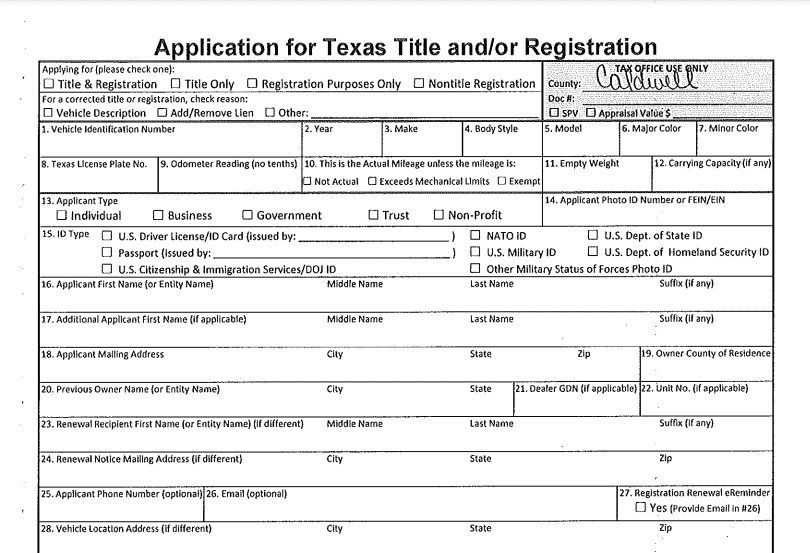
To ensure a smooth and efficient visit to the county office, meticulously prepare all required documents beforehand. Missing paperwork is a common reason for delays. You will generally need:
- Proof of Identity and Citizenship/Lawful Presence: A valid Texas driver’s license or ID card is usually sufficient.
- Proof of Texas Vehicle Registration: This is the actual application for registration. You can often download this form from the TxDMV website or obtain one at the county office.
- Proof of Vehicle Ownership: This typically includes the vehicle’s out-of-state title, or a bill of sale if you financed the vehicle and the lienholder holds the title. If you purchased the vehicle in Texas, you would have already completed title application.
- Proof of Texas Vehicle Inspection: The certificate of completion from your recent inspection.
- Proof of Insurance: Texas requires minimum liability insurance coverage. You’ll need to provide proof of this coverage, usually in the form of an insurance card or policy declaration page from a Texas-licensed insurance provider.
- Vehicle Identification Number (VIN) Inspection: For vehicles coming from outside of Texas, a VIN inspection is required to verify the vehicle’s identity and ensure it matches the documentation. This inspection is usually conducted by a law enforcement officer or a certified VIN inspector. You will receive a completed Form VTR-68-A to submit.
- Proof of Paid Property Tax: In Texas, your vehicle is subject to property tax. You will need to present proof that you have paid the applicable property taxes on your vehicle to your county’s tax office. This is often handled at the same county tax assessor-collector’s office where you register your vehicle, and they can guide you through this step. For newly purchased vehicles, you may need to provide a statement of non-use if you haven’t operated the vehicle in Texas prior to registration.
Visiting the County Tax Assessor-Collector’s Office
Once all your documentation is in order, schedule a visit to your local county tax assessor-collector’s office. You can find the nearest office through the TxDMV website. It’s advisable to check the office’s operating hours and consider making an appointment if available, as wait times can vary.
At the office, you will present your gathered documents to a clerk. They will verify your information, process your application, and calculate the registration fees and taxes owed. The fees are generally based on the vehicle’s age, type, and weight.
Payment and Receiving Your License Plates and Registration Sticker
After your application is approved and all fees are paid, you will receive your official Texas license plates and registration sticker. The sticker is typically affixed to your rear license plate. The county office will provide you with all the necessary documentation confirming your vehicle is now legally registered in Texas.
Special Considerations and Tips for a Smooth Transition
Navigating the registration process for the first time can feel a bit daunting, but a few proactive steps can make the experience significantly smoother.
Understanding Title Transfer
If you currently own your vehicle outright and have an out-of-state title, you will also need to complete a title transfer when you register your car in Texas. If you have a lien on your vehicle, your lienholder will typically manage the title transfer process. You will need to apply for a new Texas title through your county tax assessor-collector’s office. This ensures that the state officially recognizes you as the owner of the vehicle.
Dealing with Out-of-State Liens
If your vehicle is financed and your lienholder is located out of state, you will need to work closely with them to obtain the title for transfer to Texas. Be prepared for this process to take some time, as interstate title transfers can involve additional paperwork and communication between states and financial institutions.
Registration for New Residents
As a new resident, you have 30 days from the date you establish residency to register your vehicle. It’s wise to start gathering the necessary documents and scheduling appointments as soon as possible after your move to avoid any last-minute rushes or potential fines. Proactive planning is key to a stress-free relocation.

Online Resources and Assistance
The Texas Department of Motor Vehicles (TxDMV) website is an invaluable resource. It provides comprehensive information, downloadable forms, and tools to locate county offices and understand specific requirements. Familiarize yourself with the TxDMV website before your visit. Additionally, county tax assessor-collector offices often have helpful staff who can answer your questions and guide you through the process.
By understanding the requirements, meticulously preparing your documentation, and approaching the process systematically, registering your out-of-state car in Texas becomes a manageable task. This is a vital step in settling into your new life in the Lone Star State, allowing you to fully enjoy all the adventures and experiences that Texas has to offer, from exploring the Alamo in San Antonio to catching a show at the Bass Performance Hall in Fort Worth, all while being legally compliant and ready for the open road.
LifeOutOfTheBox is a participant in the Amazon Services LLC Associates Program, an affiliate advertising program designed to provide a means for sites to earn advertising fees by advertising and linking to Amazon.com. Amazon, the Amazon logo, AmazonSupply, and the AmazonSupply logo are trademarks of Amazon.com, Inc. or its affiliates. As an Amazon Associate we earn affiliate commissions from qualifying purchases.