
For anyone moving to the Centennial State, planning an extended stay, or simply purchasing a vehicle within its borders, understanding how to register a car in Colorado is a crucial step. While seemingly a routine administrative task, navigating the specific requirements of the Colorado Department of Revenue’s Division of Motor Vehicles (DMV) can be a bit intricate. This guide will help both new residents and seasoned Colorado adventurers ensure their vehicle is legally road-ready, allowing them to fully embrace the state’s incredible travel, tourism, and lifestyle opportunities, from skiing the slopes of Vail to exploring the vibrant city life of Denver.

Proper vehicle registration is more than just a bureaucratic formality; it’s a gateway to seamless travel and hassle-free exploration across Colorado’s diverse landscapes. Whether you’re heading to the Rocky Mountains for a hiking adventure, cruising through the historic streets of Colorado Springs, or enjoying a scenic drive around Boulder, having your car legally registered ensures peace of mind. Without it, you could face fines, complications with insurance, and an overall disruption to your Colorado experience. This comprehensive guide aims to demystify the process, helping you transition smoothly into life on the open roads of Colorado.
Understanding Car Registration in Colorado
Vehicle registration in Colorado is handled at the county level, meaning you’ll interact with your specific county’s Motor Vehicle Office rather than a single statewide DMV. This decentralized approach is important to remember as requirements and office hours can sometimes vary slightly by county. The process ensures that vehicles operating within the state adhere to safety standards, contribute to road maintenance through fees and taxes, and are properly documented for law enforcement purposes. For travelers planning an extended stay or new residents, understanding these foundational aspects is key.
Why Colorado Car Registration Matters for Travelers and Residents
For residents, car registration is a fundamental part of civic responsibility, linking your vehicle to your place of residence and ensuring compliance with local laws. This enables accurate collection of road taxes and fees that help maintain the state’s vast network of scenic byways and urban highways, vital for tourism and daily commutes alike. Without current registration, you risk fines, potential vehicle impoundment, and difficulties with insurance claims. It’s also a prerequisite for many parking permits, especially in densely populated areas like downtown Denver or near popular attractions.
From a travel perspective, while short-term visitors with out-of-state plates typically don’t need to re-register, individuals establishing residency in Colorado for work, study, or an extended stay (generally defined as 90 days) are legally required to do so. This impacts everything from planning your daily commute to work in Aurora to embarking on a weekend getaway to the ski resorts of Aspen. Having a properly registered vehicle means you can move freely and confidently, knowing you’re in full compliance, allowing you to focus on enjoying the stunning Colorado landscape and vibrant local culture. It’s also often required for obtaining a Colorado driver’s license, an essential step for new residents.
Key Documents You’ll Need
Gathering the correct paperwork is the first and often most critical step in the registration process. Missing even one document can lead to frustrating delays and multiple trips to the county Motor Vehicle Office. Here’s a general checklist of what you’ll likely need, though it’s always wise to check your specific county’s website for any unique requirements:
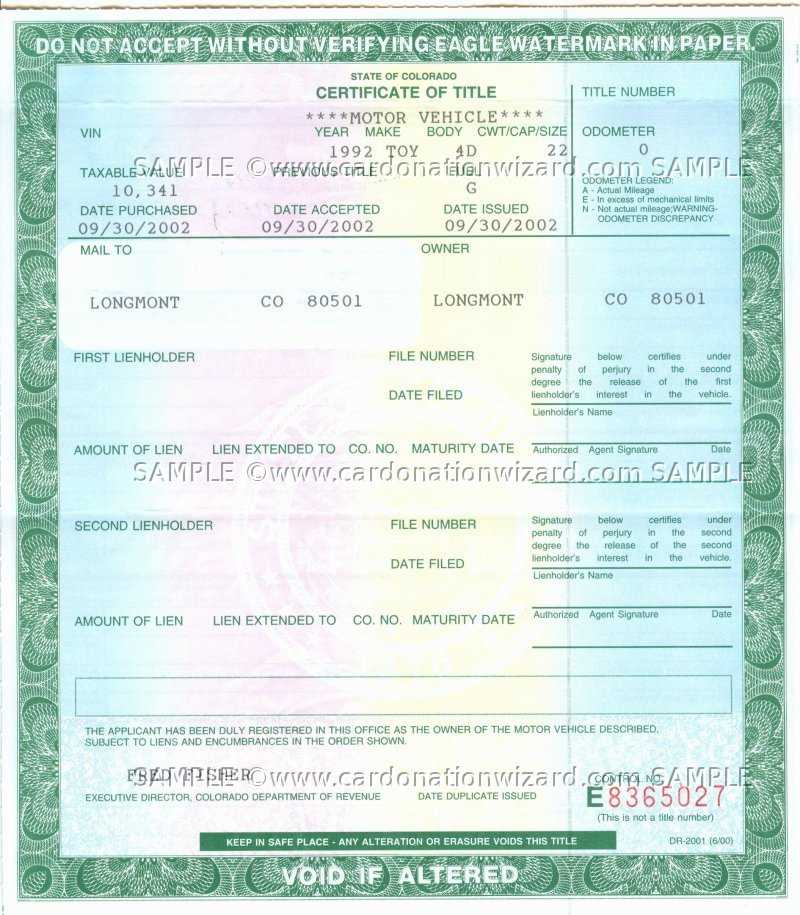
- Proof of Ownership: This is typically your vehicle’s Certificate of Title. If you’ve just purchased a new vehicle from a dealership, they will often handle the titling and registration process on your behalf. For private sales, you’ll need the original title, properly signed and notarized by the previous owner, if required by your state.
- Proof of Identity: A valid Colorado driver’s license or state-issued identification card is usually sufficient. If you are new to Colorado and haven’t yet obtained a Colorado ID, you may need to present your out-of-state license along with other forms of identification, such as a passport or birth certificate.
- Proof of Colorado Residency: Documents like a utility bill, lease agreement, or mortgage statement showing your current Colorado address.
- Proof of Insurance: You must have valid Colorado liability insurance for your vehicle. This will need to be verified by presenting your insurance card or policy declaration page.
- Vehicle Identification Number (VIN) Verification: For vehicles previously titled out-of-state, a VIN inspection is often required. This verifies that the VIN on your vehicle matches your title and that the vehicle has not been stolen. This can typically be done by a law enforcement officer or at an emissions testing station.
- Emissions Test Certificate: Depending on your county and the age of your vehicle, an emissions test might be mandatory. This is particularly common in the Front Range counties where air quality is a significant concern, such as Denver, Boulder, and Jefferson County. We’ll delve deeper into this below.
- Lien Holder Information (if applicable): If you have a loan on your vehicle, your lender (lien holder) will hold the title. You’ll need their name and address, as the state will correspond directly with them regarding the title.
The Step-by-Step Process for New Residents
Moving to Colorado is an exciting journey, whether you’re drawn by the majestic Rocky Mountains, the burgeoning tech scene in Denver, or the serene beauty of Fort Collins. However, one of the essential administrative tasks you’ll face is titling and registering your out-of-state vehicle. Colorado law generally requires new residents to register their vehicles within 90 days of establishing residency. This process ensures your vehicle meets state standards and is properly documented.
Out-of-State Vehicle Titling and Registration
The process for titling and registering an out-of-state vehicle generally involves these key steps:
- Establish Colorado Residency: Before you can register your vehicle, you’ll need to demonstrate that you are a Colorado resident. This typically means having a physical address in the state and potentially updating your driver’s license.
- Obtain Colorado Car Insurance: Your out-of-state insurance policy may not meet Colorado’s minimum liability requirements, or your insurer may require you to switch to a Colorado policy. Contact your insurance provider to ensure you have adequate coverage and to obtain proof of Colorado insurance.
- Complete a VIN Verification: As mentioned earlier, your vehicle’s VIN needs to be inspected. This can often be done at a Colorado emissions testing station or by a law enforcement officer. Some counties may offer this service at their Motor Vehicle Office, but it’s best to confirm beforehand. The inspector will fill out a Verification of Vehicle Identification Number form (Form DR 2698).
- Undergo Emissions Testing (if applicable): Check if your county requires an emissions test. If so, locate an authorized Air Care Colorado emissions testing facility. Your vehicle must pass this test before you can register it.
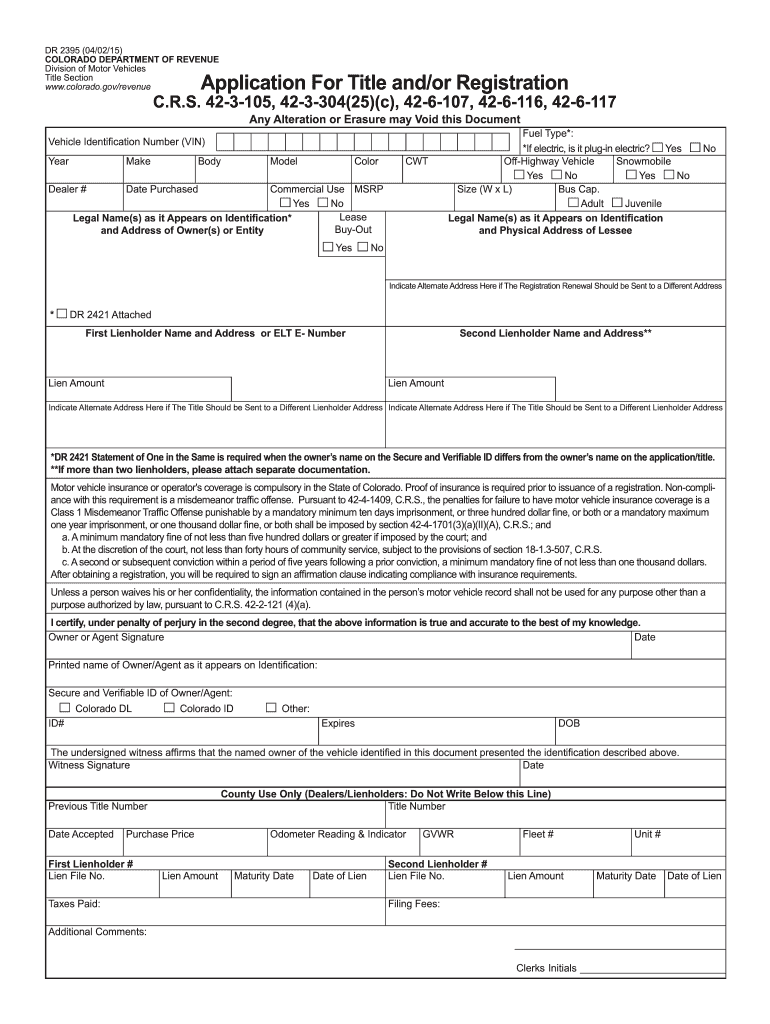
- Visit Your County Motor Vehicle Office: With all your documents in hand – original out-of-state title, proof of identity, proof of Colorado residency, proof of Colorado insurance, VIN verification, and emissions certificate (if applicable) – head to your local county Motor Vehicle Office. You will fill out an application for title and registration.
- Pay Fees and Taxes: Be prepared to pay various fees, including title fees, registration fees, ownership taxes, and any applicable sales taxes (if you’ve recently purchased the vehicle). The total cost can vary significantly based on your vehicle’s age, weight, and original taxable value.
- Receive Plates and Registration: Once everything is processed and fees are paid, you will be issued new Colorado license plates and a temporary registration permit. Your official registration card will typically be mailed to you shortly thereafter.
Emissions Testing Requirements
Emissions testing is a vital component of Colorado’s commitment to maintaining its pristine air quality, especially in the more populated Front Range corridor. The state’s Air Care Colorado program is designed to identify vehicles that emit excessive pollutants.
Which Vehicles Need Testing?
- Gasoline-powered vehicles from 1982 or newer, and light-duty trucks.
- Diesel-powered vehicles from 1986 or newer, with a gross vehicle weight rating (GVWR) of up to 14,000 pounds.
- Vehicles are typically tested every two years.
- Vehicles less than 7 model years old are often exempt from emissions testing upon their initial registration, but this can vary by county and specific circumstances. Always verify.
Where to Get Tested?
- Emissions tests are conducted at authorized Air Care Colorado stations. You can find locations easily via the Air Care Colorado website.
- The test itself is relatively quick, usually taking about 15-20 minutes.
- The cost for an emissions test is standardized, though it might change periodically. Be prepared to pay this fee at the testing station.
If your vehicle fails the emissions test, you’ll receive a detailed report outlining the reasons for failure. You’ll then need to have the necessary repairs made and re-test the vehicle. There may be waivers available for vehicles that have undergone significant repairs but still cannot pass, although these are typically granted under strict conditions. This step is non-negotiable for eligible vehicles, ensuring Colorado’s residents and visitors can enjoy clean air, whether they’re hiking Mount Elbert or enjoying an outdoor concert at Red Rocks Amphitheatre.
Renewing Your Colorado Vehicle Registration
Once your vehicle is successfully registered in Colorado, the process becomes much simpler for subsequent years. Annual renewal is mandatory and typically falls due on the last day of the month indicated on your current license plate tab. Timely renewal is crucial to avoid late fees and potential penalties. Colorado offers several convenient ways to renew, catering to various preferences and schedules, allowing residents to easily manage their vehicle affairs while enjoying the Colorado lifestyle.
Online, Mail, or In-Person Options
Colorado understands the need for flexibility, offering multiple channels for renewal:
- Online Renewal (Recommended for Convenience):
- This is by far the most popular and convenient method. Most Colorado counties offer an online renewal portal accessible through the Colorado Division of Motor Vehicles website or your specific county’s Motor Vehicle Office website.
- You’ll typically need your license plate number and your driver’s license number, or the renewal postcard sent to you.
- Ensure your vehicle has current Colorado insurance on file and has passed any required emissions tests. The system will usually verify these automatically.
- Once complete, you’ll pay with a credit/debit card, and your new registration card and plate tabs will be mailed to your address within a few business days. Many counties also allow you to print a temporary registration immediately.
- Renewal by Mail:
- If you receive a renewal postcard, you can often mail it back with a check or money order for the renewal fees.
- Ensure all information is correct and that you include proof of insurance if requested, and an emissions certificate if required and not already on file.
- Allow ample time for mailing and processing to avoid expiring your registration.
- In-Person Renewal:
- For those who prefer face-to-face interaction or have specific issues to resolve, you can visit your county Motor Vehicle Office.
- Bring your renewal postcard (if you have it), proof of insurance, and emissions certificate (if required).
- Wait times can vary significantly, especially during peak hours. Some offices may offer appointment scheduling, which is highly recommended.
- Self-Service Kiosks:
- Many counties now offer self-service kiosks located in grocery stores, government buildings, and other convenient locations. These kiosks allow you to quickly renew your registration and receive your new tabs on the spot.
- You’ll need your license plate number and payment method. Make sure your emissions test is current before using a kiosk, as it might not be able to process your renewal if there’s an outstanding requirement.
What Happens If You Miss the Deadline?
Missing your vehicle registration renewal deadline in Colorado can lead to several inconveniences and penalties:
- Late Fees: Colorado counties generally impose late fees for expired registrations. These fees can accumulate, making the renewal more expensive the longer you delay.
- Traffic Citations: Driving with an expired registration is a traffic offense. If pulled over by law enforcement, you can receive a ticket, which comes with a fine and potentially points on your driving record. This could impact your insurance rates or even your ability to rent a car for your next Colorado adventure.
- Insurance Issues: While your insurance policy itself might still be valid, some insurers may have clauses related to legal operation of a vehicle. In the event of an accident with an expired registration, it could complicate claims or lead to denial of certain benefits.
- Vehicle Impoundment: In more severe or repeated cases, particularly if your registration is significantly expired, law enforcement has the authority to impound your vehicle. This would incur towing fees, storage fees, and the hassle of retrieving your car, significantly disrupting any travel or lifestyle plans.
It’s always best to renew your registration promptly. Many counties send out renewal reminders via mail or email, but it is ultimately the vehicle owner’s responsibility to ensure their registration is current. Setting a personal reminder or utilizing online renewal options can help avoid these unnecessary complications.
Costs and Fees Associated with Registration
Understanding the financial aspects of vehicle registration in Colorado is crucial for budgeting, especially for new residents. The total cost isn’t a single flat fee but rather a combination of various taxes, fees, and sometimes optional donations. These costs are calculated based on several factors, including the vehicle’s age, weight, taxable value, and even the county in which you reside. While the exact figures can fluctuate, being aware of the components will help you estimate your expenses.
Taxes, Fees, and Optional Donations
When registering or renewing your vehicle in Colorado, you can expect to encounter several types of charges:
- Ownership Tax (Specific Ownership Tax – SOT): This is the most significant component of your registration cost. The SOT is an annual tax based on the vehicle’s age and original factory MSRP (Manufacturer’s Suggested Retail Price). Older, less valuable vehicles have lower SOT, while newer, higher-value vehicles incur higher SOT. The SOT revenue supports local governments and essential services within your county.
- License Plate Fees: There are standard fees associated with issuing and maintaining your license plates. This includes the fee for the physical plates and the annual renewal tab.
- Road Safety Fees: Colorado imposes various fees to fund road improvements, highway safety programs, and local transportation initiatives. These can include a bridge and tunnel fee, a road safety surcharge, and other infrastructure-related charges.
- County-Specific Fees: Some counties may impose additional local fees to fund specific projects or services within their jurisdiction. These are typically smaller amounts.
- Emissions Test Fee: If your vehicle requires an emissions test, there will be a separate fee paid directly to the testing station. This is a one-time charge per test.
- Title Fee: When you initially title a vehicle in Colorado (especially an out-of-state vehicle or a newly purchased one), there’s a one-time title fee.
- Sales Tax (for new purchases): If you purchased your vehicle from a private seller, you might be responsible for paying sales tax directly at the Motor Vehicle Office during registration, if it wasn’t already paid. Dealerships typically collect this at the point of sale.
- Optional Donations: Colorado offers several opportunities to make small, voluntary donations during registration. These often support causes like wildlife conservation, organ and tissue donation awareness, or veteran services. While optional, they provide a simple way to contribute to causes you care about.
Understanding Your Registration Bill
When you receive your registration renewal notice, it will itemize the various fees and taxes. It’s important to review this bill carefully to understand the breakdown of costs. The largest portion will typically be the Specific Ownership Tax, followed by plate and road safety fees.
Factors Affecting Your Bill:
- Vehicle Age: The SOT significantly decreases as your vehicle ages. A brand-new car will have a much higher SOT than a 10-year-old car.
- Vehicle Value: The original MSRP plays a large role in the SOT calculation. Luxury vehicles will incur higher SOT than economy cars.
- Weight: Some fees might be slightly adjusted based on the vehicle’s weight.
- County: While many fees are statewide, some minor county-specific surcharges can influence the total.
- Plate Type: Choosing a personalized or specialty plate will incur additional annual fees beyond the standard plate fee.
It’s advisable to factor these costs into your budget, whether you’re planning a move to Colorado or simply managing your annual vehicle expenses. Resources like the Colorado Division of Motor Vehicles website and your county’s Motor Vehicle Office website often provide fee calculators or detailed explanations to help you estimate your costs before you visit in person or renew online. For instance, a new electric vehicle registered in Eagle County might have different fees than an older gasoline SUV in Pueblo, reflecting the diverse economic and environmental priorities across the state.
Special Considerations for Colorado Drivers
Colorado’s unique environment and forward-thinking policies introduce a few special considerations for drivers, particularly concerning newer vehicle technologies and how urban centers manage transportation. These aspects contribute to the overall lifestyle and travel experience in the state, from navigating mountain passes to commuting efficiently in bustling cities like Denver.
Electric Vehicles and Unique Regulations
Colorado has been at the forefront of promoting electric vehicle (EV) adoption, offering various incentives and developing robust charging infrastructure. However, EV ownership also comes with specific registration considerations:
- EV Surcharge: To compensate for the lack of gasoline tax revenue (which traditionally funds road maintenance), Colorado imposes an annual electric vehicle surcharge during registration. This fee helps ensure that EV owners contribute their fair share to the upkeep of the state’s roads and highways, which are essential for scenic drives and accessing remote Colorado attractions.
- Emissions Test Exemption: One significant benefit for EV owners is that fully electric vehicles are exempt from emissions testing requirements. This simplifies the registration and renewal process considerably.
- HOV Lane Access: Certain low-emissions and electric vehicles may be eligible for single-occupancy use of High Occupancy Vehicle (HOV) lanes on major highways, particularly around Denver and along the Front Range. While this typically requires a special permit or sticker, it’s a notable perk for EV drivers navigating busy corridors.
- Incentives and Rebates: Beyond registration, Colorado periodically offers state tax credits or rebates for purchasing or leasing new and used EVs, as well as for installing home charging stations. These programs are designed to further encourage the transition to cleaner transportation, aligning with the state’s environmental goals. Keep an eye on the Colorado Energy Office website for the latest updates on these incentives.
These specific regulations for EVs reflect Colorado’s commitment to sustainable living and its progressive approach to environmental stewardship, influencing how both residents and long-term visitors interact with the state’s infrastructure.
Denver and Other Major City Specifics
While car registration is a county-level affair, major cities within Colorado can have additional regulations, parking rules, and transportation initiatives that impact drivers:
- Parking Permits: In densely populated areas like downtown Denver, Boulder, or near university campuses, residents often need to acquire specific residential parking permits. These permits are typically issued by the city and require proof of vehicle registration (along with residency) to obtain. Having a properly registered vehicle is a prerequisite for these.
- Air Quality Initiatives: Cities like Denver and Fort Collins are particularly proactive about air quality. While emissions testing is a state/county mandate, urban areas often have heightened awareness campaigns or specific programs encouraging cleaner commuting, which can sometimes influence local driving habits or incentives for using public transport.
- Public Transportation Integration: Many Colorado cities, especially Denver with its comprehensive Regional Transportation District (RTD) system, actively promote public transportation. While not directly related to car registration, residents living in these areas might find themselves driving less and utilizing buses or light rail more, especially for trips to popular attractions like Union Station or sporting events.
- Toll Roads and Express Lanes: The Denver Metropolitan Area features several toll roads and express lanes (e.g., E-470, I-25 Express Lanes). While these don’t directly affect registration, having a properly registered vehicle is necessary for obtaining transponders (like an ExpressToll pass) that make using these lanes seamless and more cost-effective.
- Local Ordinances: Always be mindful of specific city ordinances regarding vehicle use, such as noise restrictions, parking restrictions in historic districts, or unique snow removal requirements that might temporarily impact where you can park your registered vehicle during winter months, particularly in mountain towns like Breckenridge or Telluride.
Successfully navigating car registration in Colorado ensures that you can fully immerse yourself in all the state has to offer, from exploring its renowned landmarks and engaging in its vibrant tourism activities to simply enjoying the unparalleled freedom of the Colorado lifestyle. By understanding and adhering to these guidelines, both new and long-time residents can enjoy the roads less traveled and the bustling city streets with complete peace of mind.
LifeOutOfTheBox is a participant in the Amazon Services LLC Associates Program, an affiliate advertising program designed to provide a means for sites to earn advertising fees by advertising and linking to Amazon.com. Amazon, the Amazon logo, AmazonSupply, and the AmazonSupply logo are trademarks of Amazon.com, Inc. or its affiliates. As an Amazon Associate we earn affiliate commissions from qualifying purchases.