
Navigating the process of registering a vehicle in Nevada can seem daunting, especially for newcomers to the Silver State. Whether you’ve just moved to Las Vegas, Reno, or another picturesque Nevada locale, understanding the requirements and steps involved ensures a smooth transition. This guide will walk you through the essential information needed to successfully register your car in Nevada, making your transition to life in the state as seamless as possible.
Understanding Nevada Vehicle Registration Requirements
Before embarking on the registration process, it’s crucial to familiarize yourself with the general requirements set forth by the Nevada Department of Motor Vehicles (DMV). Nevada law mandates that all new residents must register their vehicles within 30 days of establishing residency. Similarly, if you purchase a vehicle in Nevada, it must be registered promptly. Failure to comply can result in penalties and fines.
Residency Requirements
Establishing residency in Nevada is a key prerequisite for vehicle registration. The DMV considers you a resident if you:
- Are employed in Nevada.
- Pay resident tuition rates at a Nevada educational institution.
- Are a registered voter in Nevada.
- Have children enrolled in a Nevada school.
- Receive mail in Nevada.
- Are physically present in Nevada for more than six months of a calendar year.
Proof of residency can include utility bills, lease agreements, or a Nevada driver’s license.
Vehicle Inspection
Nevada requires vehicles to pass a safety inspection. This inspection is designed to ensure your vehicle meets basic safety standards. For vehicles registered in certain counties with stricter emissions standards, such as Clark County (which includes Las Vegas) and Washoe County (which includes Reno), an emissions inspection is also mandatory.
Safety Inspection
A safety inspection verifies that your vehicle’s essential components, such as brakes, lights, tires, and windshield wipers, are in good working order. You can get your vehicle inspected at an authorized inspection station throughout the state.
Emissions Inspection
Emissions inspections are more stringent and are only required for vehicles registered in specific counties. These inspections measure the amount of pollutants your vehicle emits. If your vehicle fails the emissions test, you will need to have the necessary repairs made before it can be registered. The DMV website provides a comprehensive list of counties requiring emissions testing and information on approved testing stations.
Proof of Ownership
You will need to provide documentation proving you legally own the vehicle. This typically includes:
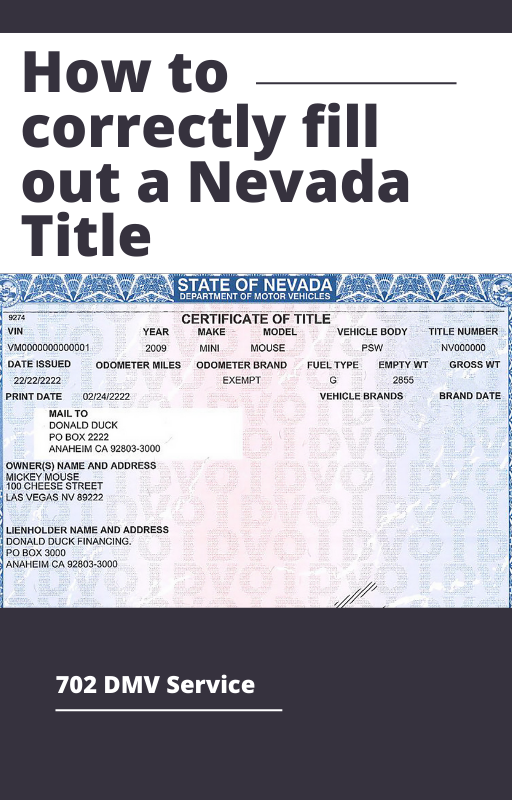
- Vehicle Title: The original title of the vehicle is essential. If you financed your vehicle, the lienholder will likely hold the title. In such cases, you’ll need to obtain a letter of authorization from the lienholder or have them submit the title directly to the Nevada DMV.
- Bill of Sale: If you purchased the vehicle, a bill of sale detailing the purchase price, date, and identification of both buyer and seller is required.
Proof of Insurance
Nevada law requires all registered vehicles to have minimum liability insurance coverage. You must provide proof of insurance from a Nevada-licensed insurance provider. The minimum coverage requirements are:
- $25,000 for bodily injury or death of one person.
- $50,000 for bodily injury or death of two or more persons.
- $20,000 for injury to or destruction of property of others.
Your insurance card or policy declaration page will serve as proof.
The Registration Process: Step-by-Step
Once you have gathered all the necessary documentation, you can proceed with the vehicle registration process. The Nevada DMV offers various convenient ways to register your vehicle.
Option 1: In-Person at a DMV Office
Visiting a DMV office is a traditional and reliable method for vehicle registration. Be prepared for potential wait times, especially during peak hours.
Gathering Your Documents
Before heading to the DMV, ensure you have the following:
- Completed Vehicle Registration Application form (available on the Nevada DMV website or at the office).
- Original Certificate of Title (or other proof of ownership).
- Proof of Nevada liability insurance.
- Completed Safety Inspection Certificate.
- Completed Emissions Inspection Certificate (if applicable to your county).
- Proof of identity and residency (e.g., Nevada driver’s license, utility bill).
- Payment for registration fees and taxes.
Completing the Application and Inspection
The application form requires details about you and your vehicle, including the Vehicle Identification Number (VIN). Ensure all information is accurate and legibly filled out. If you haven’t already, get your vehicle inspected at an authorized station. The inspection station will provide you with the necessary certificates.
Visiting the DMV
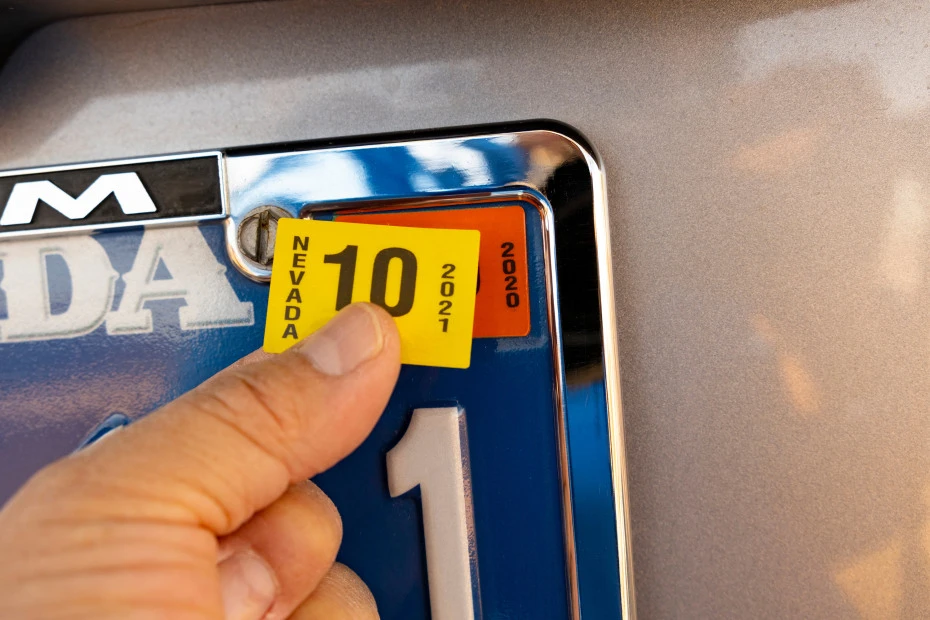
Locate the nearest Nevada DMV office and arrive prepared. Present all your documents to a DMV representative. They will review your paperwork, process your payment, and issue your new Nevada license plates and registration stickers.
Option 2: Online and Mail-In Services
For certain types of registration renewals and some initial registrations, the Nevada DMV offers online and mail-in options, which can save you time and hassle.
Eligibility for Online/Mail-In Services
Generally, these services are available for:
- Renewing an existing Nevada registration.
- Transferring registration from another state for certain vehicle types, provided all inspections and requirements are met prior to submission.
- Registering a vehicle purchased from a Nevada dealer that has already handled some paperwork.
Check the Nevada DMV website for the most up-to-date information on eligibility for online and mail-in services.
Online Registration Steps
If eligible, you can typically complete the process through the Nevada DMV’s online portal. This involves:
- Creating an account or logging in.
- Filling out the online registration application.
- Uploading scanned copies of required documents (title, proof of insurance, inspection certificates).
- Paying the fees and taxes online via credit card or e-check.
Your new license plates and registration documents will be mailed to you.
Mail-In Registration Process
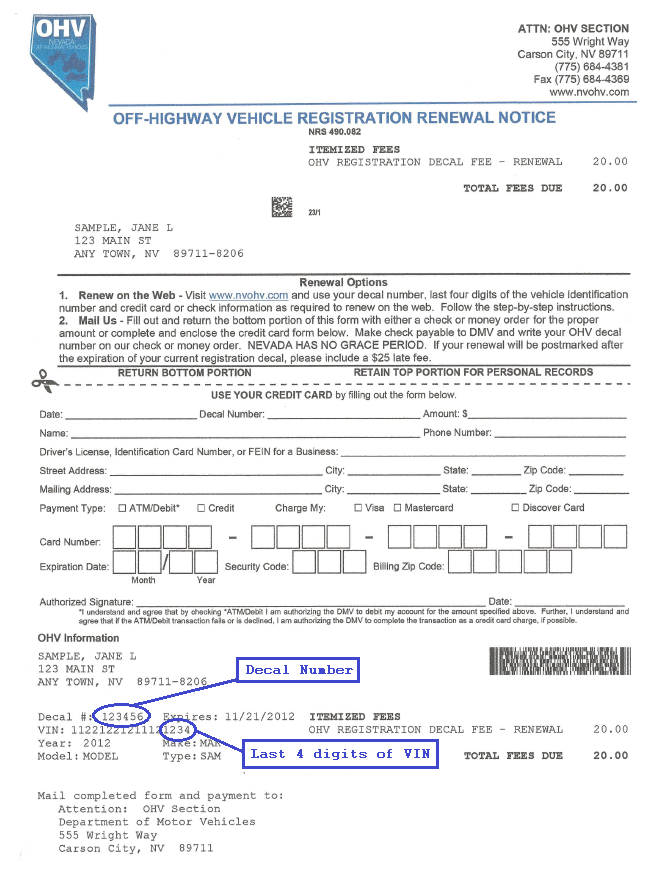
For mail-in services, you will download the required forms from the DMV website, complete them, and mail them along with photocopies of all necessary documentation and a check or money order for the fees. It is advisable to send these documents via certified mail for tracking purposes.
Fees and Taxes Associated with Registration
The cost of registering a car in Nevada involves several components, including registration fees, license plate fees, and potential sales tax.
Understanding Registration Fees
Registration fees in Nevada are primarily based on the age and weight of the vehicle. Newer and heavier vehicles typically incur higher fees. The DMV provides a fee calculator on its website to estimate these costs.
Nevada Sales Tax
If you purchased your vehicle from a private party or out-of-state dealer, you will likely be required to pay Nevada sales tax (also known as Use Tax) when you register your vehicle, unless you can provide proof that sales tax was already paid in another state. The rate of sales tax varies by county. The DMV will calculate and collect this tax during the registration process.
License Plate Fees
Nevada offers a variety of license plate designs. Standard plates are included with your initial registration. However, personalized plates or specialty plates (e.g., for veterans, specific organizations) may incur additional fees.
Special Considerations for New Residents and Out-of-State Vehicles
Moving to Nevada from another state involves specific procedures for registering your existing vehicle.
Transferring an Out-of-State Title
When you bring a vehicle from another state, you’ll need to transfer its title to Nevada. This process requires surrendering your out-of-state title to the Nevada DMV. If you have a lienholder, they may need to release their lien before you can obtain a Nevada title.
Obtaining a Nevada Driver’s License
As a new resident, you are also required to obtain a Nevada driver’s license within 30 days of establishing residency. This often goes hand-in-hand with vehicle registration, as your driver’s license can serve as proof of identity and residency.
Unique Registration Requirements
Some vehicles have unique registration requirements. For instance, motorcycles, RVs, and commercial vehicles may have specific inspections or documentation needs. It’s always best to consult the Nevada DMV’s official website or contact them directly for information pertaining to your specific vehicle type.
By understanding these requirements and following the outlined steps, you can confidently navigate the process of registering your car in Nevada, allowing you to enjoy all the state has to offer without bureaucratic delays.
LifeOutOfTheBox is a participant in the Amazon Services LLC Associates Program, an affiliate advertising program designed to provide a means for sites to earn advertising fees by advertising and linking to Amazon.com. Amazon, the Amazon logo, AmazonSupply, and the AmazonSupply logo are trademarks of Amazon.com, Inc. or its affiliates. As an Amazon Associate we earn affiliate commissions from qualifying purchases.