
Navigating the process of registering a vehicle in a new state can often feel like deciphering an ancient riddle. For those who have recently relocated to the Centennial State or purchased a new vehicle within its borders, understanding the requirements for car registration in Colorado is a crucial step. This guide aims to demystify the procedures, ensuring a smooth and efficient transition, whether you’re a seasoned resident or a newcomer embarking on a new chapter in this vibrant state. From gathering necessary documentation to understanding fees and timelines, we’ll cover all the essential elements to get your vehicle legally on Colorado roads.
Understanding the Requirements for Vehicle Registration
Before you can legally drive your car in Colorado, you must ensure it is properly registered with the state’s Department of Revenue (DOR). This process primarily involves verifying ownership, ensuring the vehicle meets emissions standards, and paying applicable taxes and fees. The specific requirements can vary slightly depending on whether your vehicle is new, used, purchased in-state, or out-of-state.
New Residents: Bringing Your Out-of-State Vehicle to Colorado
If you’ve moved to Colorado from another state and brought your vehicle with you, you have a limited timeframe to register it. Generally, you have 30 days from the date you establish residency to complete the registration. This typically means obtaining a Colorado driver’s license and registering your vehicle concurrently.
Essential Documentation for Out-of-State Vehicles
To register an out-of-state vehicle, you will need to present several key documents to your local County Vehicle Emissions and Inspection Station or a designated licensed inspection station.
- Proof of Ownership: This can be your out-of-state title or the Manufacturer’s Certificate of Origin (MCO) if the vehicle is brand new. If you have a lien on the vehicle, the lienholder will likely have the title, and you will need to provide proof of the lien.
- Proof of Identity and Residency: A valid Colorado driver’s license or state-issued ID is usually required. You will also need to provide proof of your Colorado address, such as a utility bill or lease agreement.
- Proof of Insurance: You must carry minimum liability insurance coverage as mandated by Colorado law. Your insurance card or declaration page will serve as proof.
- Vehicle Identification Number (VIN) Inspection: For vehicles coming from out-of-state, a VIN inspection is mandatory. This ensures the VIN on your vehicle matches the VIN on your title documents and that the vehicle has not been reported stolen or tampered with. This inspection can be performed at a licensed VIN inspection station.
- Emissions Test Certificate: Depending on the county you reside in and the age of your vehicle, your car may need to pass an emissions test. Most of the Denver metro area, including counties like Adams, Arapahoe, Boulder, Denver, Douglas, and Jefferson, requires emissions testing for vehicles within certain model years. You can find a list of certified emissions testing stations on the Colorado DOR website.
- Bill of Sale: If you purchased the vehicle from a private party, a bill of sale detailing the purchase price and date is often required.
Out-of-State Title Transfer
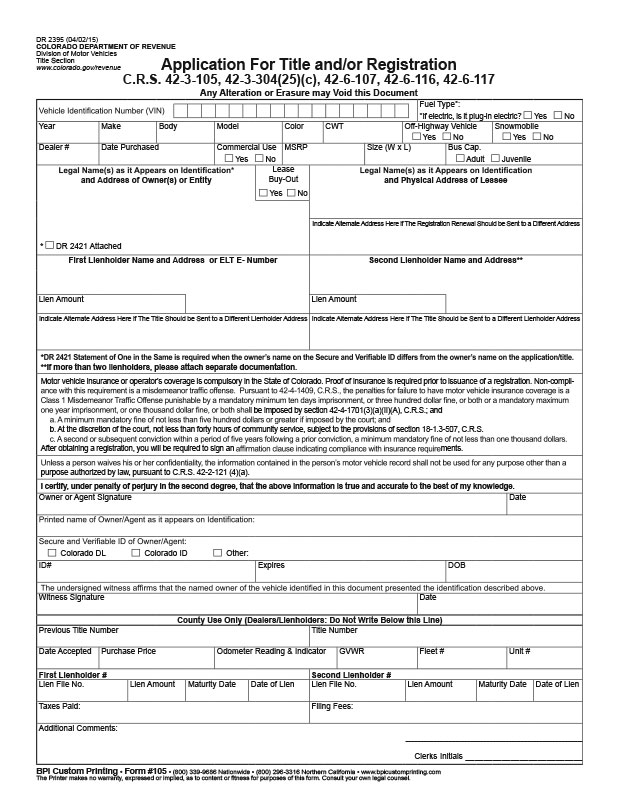
The process of transferring your out-of-state title to a Colorado title will occur at your county’s Motor Vehicle office after you have obtained your VIN inspection and emissions certificate. You will surrender your out-of-state title and pay the necessary title and registration fees, as well as sales tax if applicable.
Registering a New Vehicle Purchased in Colorado
If you purchase a new or used vehicle from a dealership within Colorado, the dealership will typically handle much of the initial paperwork for you. They will often provide temporary registration tags and assist you in submitting the necessary documents to the county Motor Vehicle office.
Dealership Assistance
Most Colorado dealerships are well-versed in the registration process. They will collect sales tax, process the title application, and submit these documents to the county. You will likely receive your permanent license plates and registration card from the county within a few weeks. However, it’s always a good idea to confirm with the dealership exactly what they are handling and what you might need to do yourself.
Independent Purchases
If you purchase a vehicle from a private seller in Colorado, the responsibility for registration falls entirely on you. You will need to obtain a title signed over to you by the seller, a bill of sale, and then proceed to your county’s Motor Vehicle office.
The Registration Process Step-by-Step
Once you have gathered all the required documents, the next step is to visit your local county Motor Vehicle office. It’s advisable to check the specific operating hours and appointment requirements for your county, as some offices may require advance scheduling.
Locating Your County Motor Vehicle Office
Colorado counties operate their own Motor Vehicle departments. You can find a list of these offices and their locations on the Colorado Department of Revenue website. Some counties offer online services for certain transactions, but for initial registration, an in-person visit is usually necessary.
Submitting Your Application and Documentation
At the Motor Vehicle office, you will present all your gathered documents to a clerk. They will review your paperwork to ensure everything is in order. This is also where you will pay the registration fees, taxes, and any other associated costs.
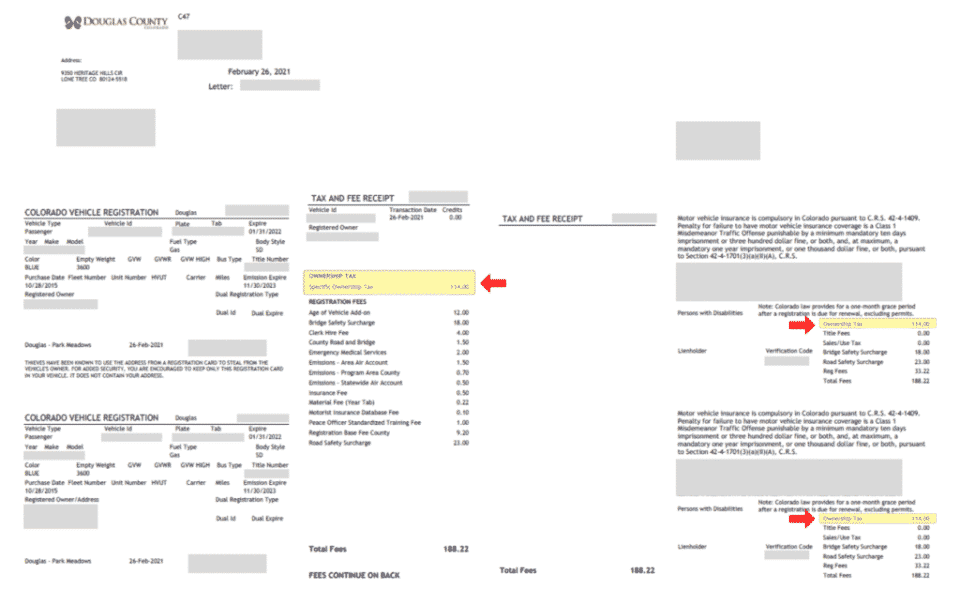
- Fees and Taxes: Registration fees vary based on the type of vehicle, its age, and its weight. Colorado also has a sales tax or an excise tax (for vehicles purchased out-of-state or from private sellers) that must be paid at the time of registration. The tax rate can vary by county.
- License Plates: Upon successful processing of your application and payment, you will be issued your Colorado license plates and registration card. You will need to affix your license plates to your vehicle promptly.
Obtaining Your Registration Card and Decals
Your registration card is proof that your vehicle is legally registered and includes essential information like your vehicle identification number (VIN), license plate number, and registration expiration date. You must keep this card with you in your vehicle at all times. You will also receive registration decals to place on your license plates, indicating the month and year your registration expires.
Emissions Testing and Exemptions
Emissions testing is a critical component of vehicle registration in many parts of Colorado to ensure air quality. However, there are certain exemptions that may apply.
Counties Requiring Emissions Testing
As mentioned earlier, the counties with the most stringent emissions testing requirements are typically those in the Front Range urban corridor. These include Adams, Arapahoe, Boulder, Denver, Douglas, and Jefferson. Vehicles registered in these counties, within a certain model year range (generally newer than a few decades, but this can change), will require an emissions test every two years.
Exemptions to Emissions Testing
Several types of vehicles are exempt from emissions testing:
- New Vehicles: Brand new vehicles are typically exempt from emissions testing for the first few years of their life.
- Older Vehicles: Vehicles that are 30 model years or older are generally exempt from emissions testing.
- Electric and Hybrid Vehicles: Some alternative fuel vehicles, including fully electric vehicles, may be exempt.
- Motorcycles: Motorcycles are not subject to emissions testing in Colorado.
- Vehicles Registered in Non-Emissions Counties: If you reside in a county that does not require emissions testing, your vehicle will not need to undergo the test for registration purposes.
It is crucial to verify the current emissions testing requirements and exemptions with the Colorado DOR or your local county Motor Vehicle office, as regulations can be updated.
Renewing Your Vehicle Registration
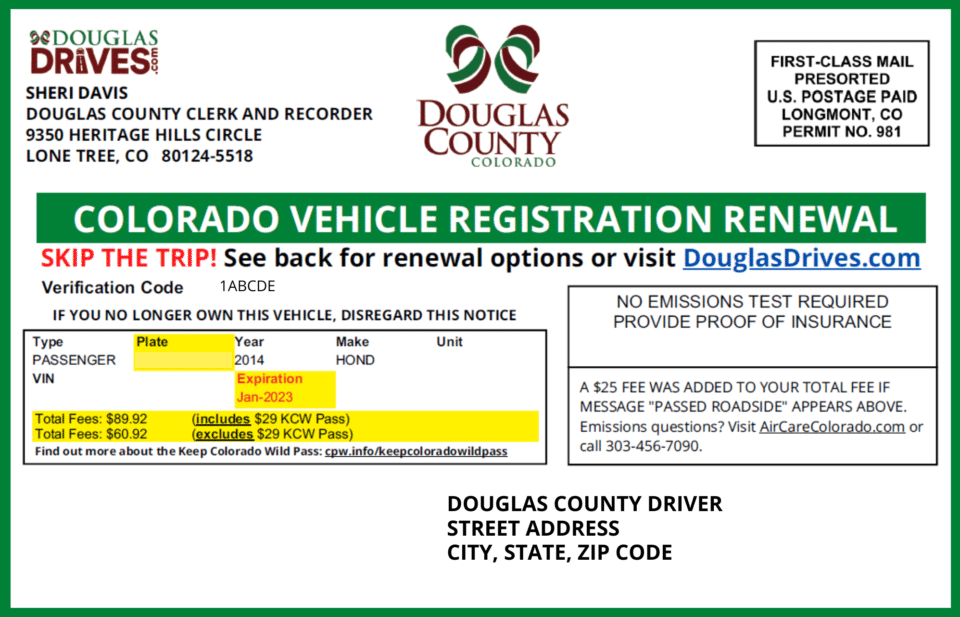
Once your vehicle is registered, you will need to renew its registration annually or biennially, depending on the jurisdiction and vehicle type. This process is generally simpler than the initial registration.
Renewal Notices
The Colorado DOR will typically mail you a renewal notice several weeks before your registration expires. This notice will outline the fees due and any requirements, such as a renewed emissions test if applicable.
Renewal Options
You usually have several options for renewing your registration:
- Online: Many counties offer online renewal services through the Colorado DOR website, which is often the quickest and most convenient method.
- By Mail: You can mail your renewal form and payment to the address provided on your renewal notice.
- In Person: You can visit your local county Motor Vehicle office to renew your registration in person.
Consequences of Late Renewal
Allowing your vehicle registration to expire can lead to penalties, including late fees and potential citations from law enforcement. It is important to renew your registration on time to avoid these issues and ensure your vehicle remains legally operated on Colorado roads.
Successfully registering your car in Colorado involves a structured process designed to ensure compliance with state laws and environmental standards. By understanding the documentation requirements, the role of emissions testing, and the renewal procedures, you can navigate this administrative task with confidence, allowing you to fully enjoy the scenic drives and adventures the state has to offer, from exploring the majestic peaks of the Rocky Mountains to the vibrant cultural scenes in cities like Denver and Boulder.
LifeOutOfTheBox is a participant in the Amazon Services LLC Associates Program, an affiliate advertising program designed to provide a means for sites to earn advertising fees by advertising and linking to Amazon.com. Amazon, the Amazon logo, AmazonSupply, and the AmazonSupply logo are trademarks of Amazon.com, Inc. or its affiliates. As an Amazon Associate we earn affiliate commissions from qualifying purchases.