
Florida, the Sunshine State, beckons millions each year with its world-renowned attractions, pristine beaches, and vibrant culture. Whether you’re planning a permanent move to the golden coast, a lengthy vacation exploring the unique landscapes, or establishing a vacation home for extended stays, one crucial aspect of settling in or enjoying your time is ensuring your vehicle is properly registered. This process, while straightforward, requires attention to detail and an understanding of the Florida Department of Highway Safety and Motor Vehicles (FLHSMV) requirements. This guide will walk you through the essential steps to register your car in Florida, ensuring you can hit the road legally and with peace of mind.
Understanding Florida Vehicle Registration Basics
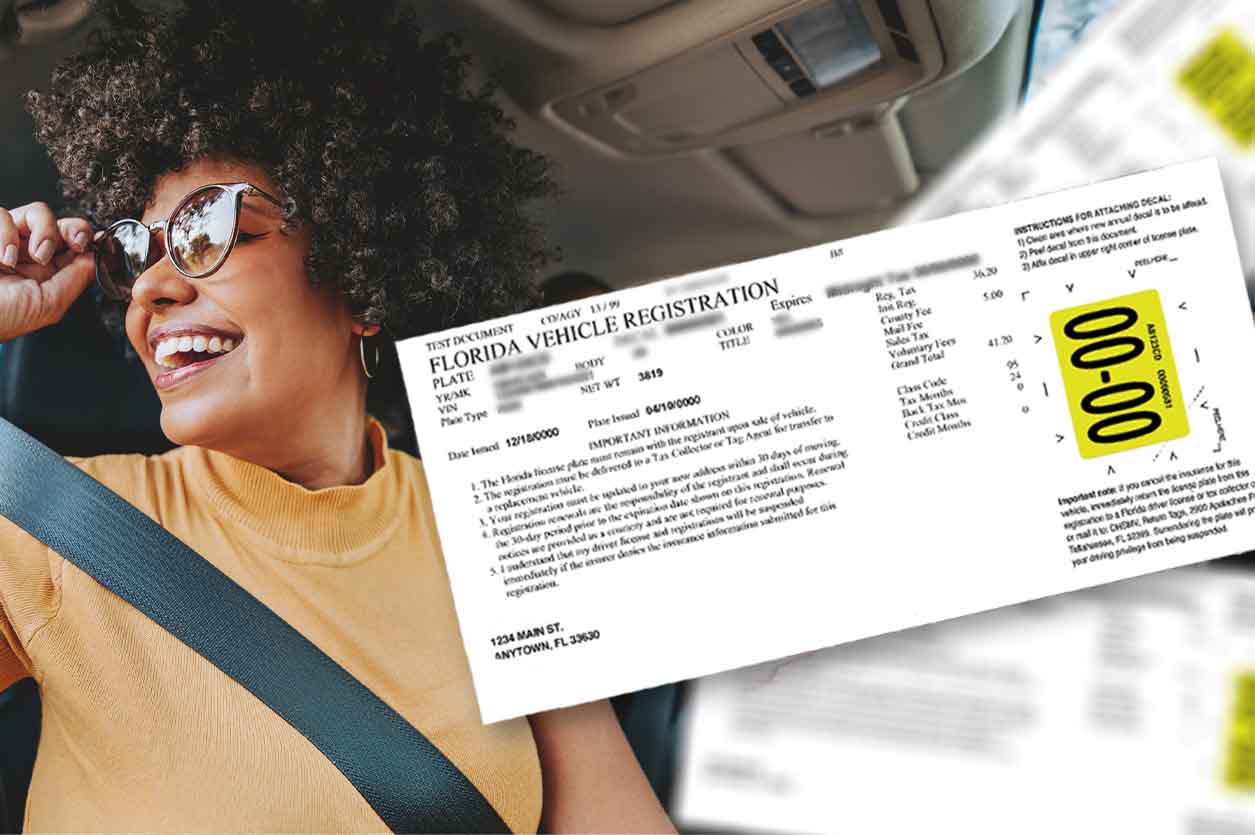
Registering your vehicle in Florida is a mandatory process for all new residents and for those bringing a vehicle into the state for extended periods. The primary purpose of registration is to assign a unique identifier (your license plate) to your vehicle and to ensure it meets state safety and emissions standards. It also provides a legal record of ownership. The Florida Department of Highway Safety and Motor Vehicles (FLHSMV) is the governing body overseeing this process, with services typically rendered through local county tax collector offices, which act as agents for the FLHSMV.
Who Needs to Register Their Car in Florida?
Several categories of individuals and situations necessitate vehicle registration in Florida:
- New Florida Residents: If you establish residency in Florida, you are legally required to transfer your out-of-state vehicle title and registration to Florida within 30 days of establishing residency. This includes individuals who obtain a Florida driver’s license, enroll children in public schools, or vote in Florida.
- Purchasing a Vehicle in Florida: When you buy a vehicle from a dealership or a private seller within Florida, the registration process is typically initiated at the point of sale, especially if purchased from a dealer.
- Bringing a Vehicle into Florida for Extended Stay: While not always requiring a full title transfer for short-term visitors, if you plan to reside in Florida for an extended period, even without formally establishing residency, it’s advisable to consult the FLHSMV or a local tax collector’s office regarding registration requirements. This is particularly relevant if you are working in Florida or your stay exceeds a certain duration.
- Leasing a Vehicle in Florida: If you lease a vehicle in Florida, the leasing company is responsible for handling the initial registration and title. You will be provided with registration documents for your use.
Key Documents and Information Required
The FLHSMV has specific documentation requirements to ensure a smooth and efficient registration process. Having these readily available will save you time and potential frustration.
- Proof of Ownership: This is paramount. For vehicles purchased in Florida, this will be the Florida title or manufacturer’s certificate of origin. For vehicles transferred from another state, you will need the out-of-state title. If you have a loan on your vehicle, your lienholder may hold the title. In such cases, you will need to provide proof of lien and potentially a letter from the lienholder authorizing the Florida title.
- Proof of Florida Insurance: Florida law mandates that all registered vehicles must have Personal Injury Protection (PIP) insurance and Property Damage Liability (PDL) insurance. You must present a valid insurance policy from a Florida-licensed insurance company. Proof of insurance can be an insurance card, binder, or policy.
- Proof of Identity and Residency: For initial registration, you will need to provide valid identification, such as a Florida driver’s license or identification card. Proof of residency in Florida might also be required, such as utility bills, lease agreements, or bank statements showing your Florida address.
- Vehicle Identification Number (VIN) Inspection: For vehicles previously titled in another state, a VIN inspection is typically required. This inspection verifies the vehicle’s identity and ensures it matches the documentation. This can be performed by a law enforcement officer, a licensed dealer, or a county tax collector employee.
- Completed Application for Certificate of Title With/Without Registration (HSMV 82040): This is the primary application form you will need to fill out. It can often be downloaded from the FLHSMV website or obtained at your local county tax collector’s office.
- Sales/Use Tax Documentation: If you purchased your vehicle in Florida, you will need proof of sales tax payment or exemption. If you purchased it out of state and are bringing it into Florida, you may be responsible for paying Florida’s discretionary sales surtax, depending on the jurisdiction where you register the vehicle.
The Registration Process: Step-by-Step
Navigating the registration process in Florida is manageable when you understand each step involved. While minor variations may exist between counties, the core requirements remain consistent across the state.
Step 1: Gather Your Documentation
As outlined above, the first and most critical step is to meticulously gather all the necessary documents. Missing even one item can lead to delays and the need for return visits. Double-check your proofs of ownership, insurance, and identification. Ensure your insurance policy meets Florida’s minimum coverage requirements. If your vehicle is coming from out of state, arrange for the VIN inspection at your earliest convenience.
Step 2: Visit Your Local County Tax Collector’s Office
Once you have all your paperwork in order, the next step is to visit your local county tax collector’s office. These offices serve as the primary points of contact for FLHSMV services, including vehicle registration and titling. You can find a list of these offices and their locations on the FLHSMV website or by searching online for “[County Name] Tax Collector”. It’s often a good idea to check the specific office’s website for their hours of operation, accepted payment methods, and whether appointments are recommended or required, especially for busy periods or specific services.
Step 3: Complete the Application and Submit Documentation
At the tax collector’s office, you will be guided through the process of completing the application forms. The “Application for Certificate of Title With/Without Registration (HSMV 82040)” is the central document. You will present all your gathered documentation to the clerk. They will review your paperwork for completeness and accuracy. This is also where you will pay the required fees.

Step 4: Pay Fees and Taxes
Several fees are associated with registering your car in Florida. These typically include:
- Title Fee: A fee for issuing a new Florida title.
- Registration Fee: This fee varies based on the vehicle’s weight and type.
- License Plate Fee: A fee for your new Florida license plate.
- Sales/Use Tax: As mentioned, you may need to pay discretionary sales surtax on the vehicle’s purchase price, depending on the county of registration. This is calculated based on the purchase price or the vehicle’s book value, whichever is greater. If you paid sales tax in another state, Florida may provide a credit for taxes already paid, but this can be complex and requires proper documentation.
The total cost will depend on your specific vehicle and the county in which you are registering it. The clerk at the tax collector’s office will be able to provide a precise breakdown of the fees and taxes due. Payment methods typically include cash, check, money order, and sometimes credit or debit cards.
Step 5: Receive Your Registration and License Plate
Upon successful processing of your application, payment of fees, and verification of all documentation, you will receive your new Florida license plate and registration certificate. You will typically be issued temporary registration and license plates if you purchased the vehicle from a dealership, with permanent ones mailed to you later. If you are transferring an out-of-state vehicle, you will receive your permanent Florida license plate and registration on the spot. It is crucial to affix your new license plate to your vehicle promptly and keep your registration certificate in a safe place, usually with your vehicle’s insurance information.
Important Considerations and Tips
Beyond the core registration steps, several other factors and helpful tips can make your experience smoother and ensure you are compliant with Florida’s motor vehicle laws.
Handling Out-of-State Titles and Liens
If your vehicle is financed, your lienholder will typically hold the title. To transfer your title to Florida, you will need to provide proof of the lien and potentially have the lienholder release their interest or acknowledge the Florida title. Your lienholder may need to be contacted directly to initiate this process, or you might need to provide them with the necessary FLHSMV forms. The FLHSMV has specific procedures for handling titles with outstanding liens, so it’s advisable to clarify these with the tax collector’s office or the FLHSMV directly if you have any doubts.
Renewing Your Registration
Florida vehicle registrations are typically valid for one or two years. You will receive a renewal notice from the FLHSMV prior to your registration expiring. You can renew your registration online through the FLHSMV website, by mail, or in person at a county tax collector’s office. Renewing online is often the most convenient option. Ensure you have your renewal notice and current insurance information readily available.
Specialty License Plates
Florida offers a wide array of specialty license plates that allow you to support various causes, organizations, or express your interests. These plates often come with an additional fee. If you’re interested in a specialty plate, you can inquire about available options at the tax collector’s office or research them on the FLHSMV website. Examples include plates supporting the Save The Manatee Club, Everglades National Park, or various university affiliations.
Smog Check and Emissions Testing
Unlike some other states, Florida does not currently require mandatory emissions testing or smog checks for most vehicles for registration purposes. However, it’s always wise to stay informed of any potential changes to state regulations.

Keeping Your Information Updated
It is imperative to keep your contact information with the FLHSMV up-to-date. If you move within Florida or change your mailing address, you must notify the FLHSMV and your local county tax collector’s office within 30 days. This ensures you receive important notices, such as registration renewal reminders and any traffic-related correspondence.
Registering your car in Florida is an essential step for anyone establishing a presence in the state. By understanding the requirements, gathering the necessary documents, and following the outlined steps, you can efficiently complete the process and enjoy your driving experiences across the beautiful landscapes of Florida, from the bustling streets of Miami to the historic charm of St. Augustine, and the family-friendly attractions of the Orlando area. Should you require further information or clarification, the FLHSMV website and your local county tax collector’s office are excellent resources.
LifeOutOfTheBox is a participant in the Amazon Services LLC Associates Program, an affiliate advertising program designed to provide a means for sites to earn advertising fees by advertising and linking to Amazon.com. Amazon, the Amazon logo, AmazonSupply, and the AmazonSupply logo are trademarks of Amazon.com, Inc. or its affiliates. As an Amazon Associate we earn affiliate commissions from qualifying purchases.