
There’s nothing quite like the experience of savoring an authentic Chicago-style pizza, a culinary masterpiece that transcends mere food and becomes an event. Whether you’re visiting the Windy City and have had the pleasure of enjoying a fresh slice straight from a renowned establishment like Lou Malnati’s Pizzeria or Giordano’s, or perhaps you’ve had the good fortune of having one shipped to your doorstep, the sheer delight of that first bite is unforgettable. However, the reality of experiencing this deep-dish wonder often extends beyond the initial meal. Leftovers are a common, and indeed welcome, consequence of indulging in such a generously portioned delicacy. The true test, then, lies not just in how to procure and consume this iconic dish, but crucially, in how to reheat it to recapture that initial glory.
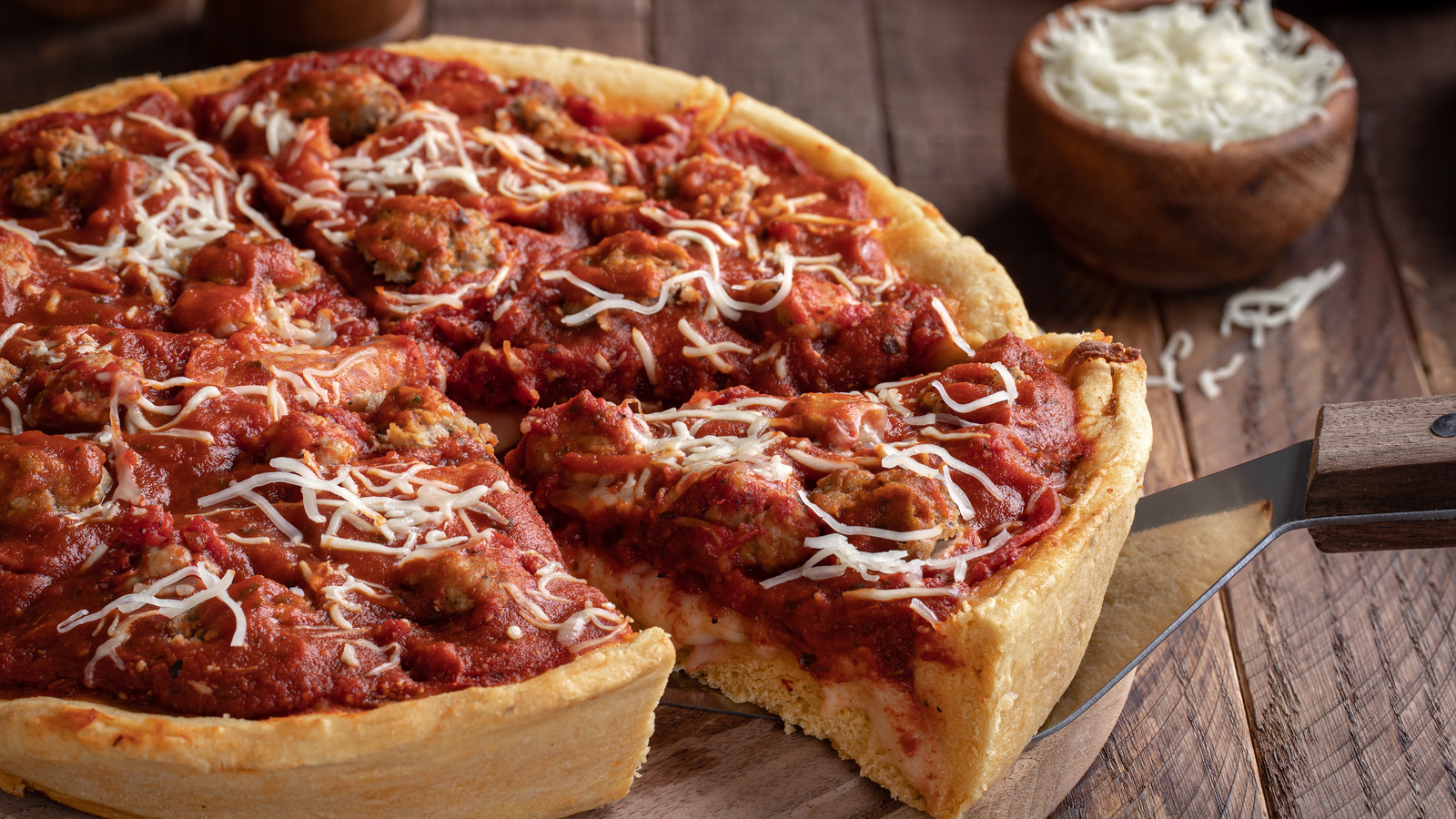
The art of reheating Chicago-style pizza is a nuanced one. Unlike its thinner-crust counterparts, the substantial nature of deep-dish, with its thick crust, layers of cheese, ample sauce, and often a generous amount of toppings, presents unique challenges. Simply microwaving it can lead to a soggy crust and unevenly heated toppings, a culinary tragedy that no pizza lover should endure. The goal is to achieve a crispy bottom crust, melted and gooey cheese, and thoroughly heated toppings, all while preserving the structural integrity of the pizza. This guide will navigate you through the most effective methods, ensuring your leftover Chicago-style pizza can be resurrected to its former deliciousness, bringing a taste of Chicago right to your kitchen, wherever you may be.
This isn’t just about consuming leftovers; it’s about extending the joy of a memorable meal. Whether you’re staying in a cozy boutique hotel in the heart of the city or enjoying a long-term stay in a comfortable apartment, the ability to perfectly reheat your pizza elevates the experience. It’s a small but significant detail that caters to a lifestyle that appreciates quality and flavor, even in the simplest of circumstances.
Understanding the Challenges of Reheating Deep-Dish Pizza
The inherent construction of Chicago-style pizza is what makes it so magnificent, but it also dictates the methods required for successful reheating. Its defining characteristics – a thick, often buttery crust that acts as a vessel for its fillings, a generous blanket of cheese, and a hearty tomato sauce – require a different approach than reheating a thin-crust New York-style slice.
The Crust Conundrum
The crust is arguably the most critical component to get right when reheating. In a fresh Chicago-style pizza, the bottom crust is golden brown, slightly crisp, and sturdy enough to support the weight of its ingredients. When reheated improperly, it can become:
- Soggy: Moisture from the sauce and cheese can seep into the crust, rendering it soft and unappetizing. This is particularly true with microwave reheating.
- Tough: Overheating can dry out the dough, making it hard and unchewable.
- Burnt on the edges, undercooked in the center: This is a common issue with oven methods if not managed correctly, especially with thicker crusts.
The aim is to re-crisp the bottom crust without overcooking the other elements or drying out the dough.
Cheese and Topping Integrity
The cheese in a Chicago-style pizza is typically layered beneath the sauce, creating a gooey, molten core. Reheating needs to bring this cheese back to its ideal, melty state without burning or becoming rubbery. Similarly, toppings, which can range from robust sausage to fresh vegetables, need to be heated through without becoming dry or overcooked. The sauce itself should be warmed to a pleasant temperature, not boiling hot or lukewarm.
Preserving the “Deep Dish” Character
The entire “deep” aspect of the pizza is important. The height and thickness mean that heat needs to penetrate effectively. Methods that focus only on the surface will leave the center cold. This is where techniques that involve both direct heat (to crisp the bottom) and ambient heat (to warm the interior) become essential.
When considering the best reheating methods, think about the fundamental principles of cooking: applying heat to transform ingredients. For reheating pizza, this means applying heat in a way that reverses the cooling process without introducing new, undesirable textures or flavors. This is where different appliances and techniques come into play, each offering a unique advantage in tackling the specific challenges presented by this iconic dish.
Optimal Reheating Methods for Chicago Style Pizza
Achieving pizza perfection from leftovers hinges on selecting the right reheating method. While the microwave might seem like the quickest option, it’s generally the least effective for Chicago-style pizza. Instead, we’ll focus on techniques that prioritize crust crispiness and even heating.
The Oven Method: The Gold Standard
The conventional oven remains the most reliable tool for reheating Chicago-style pizza. It offers the most control over temperature and allows for even heat distribution, which is crucial for tackling the thickness of a deep-dish pizza.
Preheating is Paramount
Before you even think about placing your pizza in the oven, preheating is absolutely essential. A cold oven will lead to a longer cooking time, increasing the risk of drying out the pizza.
- Temperature: Aim for a temperature between 350°F (175°C) and 375°F (190°C). A slightly lower temperature for a longer duration can be more forgiving for thicker pizzas than a high temperature for a short blast.
- Rack Placement: Position an oven rack in the lower-middle section of your oven. This ensures that the bottom of the pizza is closest to the primary heat source, promoting crust crispiness.
Preparing the Pizza for the Oven

- Individual Slices: It’s generally best to reheat individual slices rather than an entire leftover pizza, as this allows for more even heating. Carefully separate your slices.
- Directly on the Rack vs. Baking Sheet:
- Directly on the Oven Rack: This is often the best method for achieving maximum crust crispiness. The open air circulation allows heat to hit the bottom crust directly. However, this can be messy if toppings are loose or cheese has solidified.
- On a Baking Sheet: If you’re concerned about drips or want a slightly more controlled environment, place your slices on a baking sheet. For optimal crispiness, consider preheating the baking sheet in the oven before placing the pizza on it.
- Using Parchment Paper: Placing parchment paper on the baking sheet can prevent sticking and make cleanup easier, though it might slightly reduce direct heat transfer to the crust.
Reheating Time
The exact time will vary depending on the thickness of your pizza, the specific oven, and how cold the pizza is.
- Start Checking: Begin checking your pizza after 10-12 minutes.
- Look for Indicators: You’re looking for the cheese to be fully melted and slightly bubbly, the sauce to be hot, and the crust to be warmed through and beginning to crisp.
- Total Time: Typically, reheating will take between 15-25 minutes. If the toppings are browning too quickly and the crust isn’t crisping, you can loosely tent the pizza with foil.
The Skillet Method: For a Crispy Crust Quickly
The stovetop skillet method is an excellent way to achieve a wonderfully crispy bottom crust, especially if you’re only reheating a slice or two. This method focuses on direct heat to the crust, supplemented by steam to melt the cheese and heat the toppings.
Choosing the Right Skillet
- Cast Iron Skillet: This is your best friend for this method. Cast iron retains heat exceptionally well and distributes it evenly, leading to a superior crust. A 10-inch or 12-inch skillet is usually ideal for a standard slice.
- Non-stick Skillet: A good quality non-stick skillet can also work, but it might not achieve the same level of crispiness as cast iron.
The Process
- Place the Slice: Place your leftover Chicago-style pizza slice into a cold skillet. This allows the crust to heat up gradually with the pan.
- Medium Heat: Turn the heat to medium. You want to hear a gentle sizzle, not an aggressive crackle.
- Cook the Bottom: Let the pizza cook for about 3-5 minutes on the stovetop. Resist the urge to move it around. This is where the magic happens for the crust.
- Add Moisture for Steam: Once the bottom crust has started to crisp, it’s time to melt the cheese and warm the toppings. Add a tablespoon or two of water to the skillet, away from the pizza itself.
- Cover and Steam: Immediately cover the skillet tightly with a lid. The water will turn into steam, which will surround the pizza, melting the cheese and heating the toppings and sauce without further crisping the bottom crust.
- Steam Time: Let it steam for another 3-5 minutes, or until the cheese is fully melted and the pizza is heated through.
- Check and Serve: Carefully remove the lid. The crust should be beautifully crisp, and the toppings perfectly warmed.
This method is remarkably effective for individual slices and provides a fantastic texture, often surpassing oven-reheated results for single servings.
Elevating Your Reheated Pizza Experience
Beyond the fundamental reheating techniques, a few extra steps and considerations can truly elevate your leftover Chicago-style pizza from merely acceptable to truly exceptional. These tips focus on enhancing flavor, texture, and presentation, turning a simple reheat into a culinary moment worth savoring.
The Importance of Quality Ingredients and Leftovers
The quality of your original pizza is, of course, paramount. A well-made Chicago-style pizza, whether from a renowned Chicago landmark like the Art Institute of Chicago (though not a food establishment, it represents the city’s cultural richness) or a local favorite, will naturally reheat better. However, how you store your leftovers also plays a significant role.
- Cooling and Storage: Allow the pizza to cool completely before refrigerating. Store it in an airtight container or wrap it tightly in plastic wrap and then foil. This prevents the crust from becoming soggy due to excess moisture and protects it from absorbing other odors in the refrigerator.
- Freshness Matters: While Chicago-style pizza is known for its resilience, it’s best enjoyed within 2-3 days of its original purchase or delivery. The longer it sits, the more moisture can migrate, impacting the crust.
Flavor Boosters and Finishing Touches
Even the best reheating method can benefit from a little enhancement. These additions are subtle but can make a noticeable difference in bringing your pizza back to life.
- Drizzle of Olive Oil: A light drizzle of good quality extra virgin olive oil over the crust or toppings before reheating can add a touch of richness and help revive any slight dryness.
- Fresh Herbs: A sprinkle of fresh basil, oregano, or parsley after reheating can add a burst of freshness and visual appeal, making the pizza look and taste more vibrant.
- A Dash of Red Pepper Flakes: If you enjoy a little heat, a small pinch of red pepper flakes sprinkled on top can awaken the flavors.
- Parmesan Cheese: A light dusting of freshly grated Parmesan cheese can add a salty, umami kick that complements the existing flavors.

Serving Suggestions
The presentation of your reheated pizza can also contribute to the overall experience.
- Accompaniments: Serve your perfectly reheated slice with a simple side salad dressed with a light vinaigrette. This provides a refreshing contrast to the richness of the pizza. For a truly indulgent experience, consider pairing it with a craft beer or a glass of red wine, perhaps something you discovered during your travels or that pairs well with the robust flavors of Italian-American cuisine.
- Dipping Sauces: While Chicago-style pizza is often self-sufficient, a small dish of extra marinara sauce for dipping can be a welcome addition for some, especially if you enjoy a saucier experience.
By paying attention to these details, you can transform your leftover Chicago-style pizza from a mere snack into a satisfying and delicious meal, recapturing the magic of that first, unforgettable slice. This thoughtful approach to reheating is part of a broader lifestyle that appreciates the finer aspects of food and experiences, whether you’re exploring new destinations or enjoying the comforts of home.
LifeOutOfTheBox is a participant in the Amazon Services LLC Associates Program, an affiliate advertising program designed to provide a means for sites to earn advertising fees by advertising and linking to Amazon.com. Amazon, the Amazon logo, AmazonSupply, and the AmazonSupply logo are trademarks of Amazon.com, Inc. or its affiliates. As an Amazon Associate we earn affiliate commissions from qualifying purchases.