
The allure of New York is undeniable. A city that never sleeps, a melting pot of cultures, a global hub for finance, fashion, arts, and so much more. For many, the dream of living in New York isn’t just about visiting its iconic landmarks; it’s about immersing oneself in its vibrant energy and unique lifestyle. Relocating to such a dynamic metropolis, however, requires careful planning and a thorough understanding of what awaits you. Whether you’re drawn by career opportunities, a desire for a more exciting pace of life, or the sheer magnetic pull of the city, this guide is designed to equip you with the knowledge and insights needed to make your transition as smooth and successful as possible.

Understanding New York’s Diverse Neighborhoods
One of the most crucial steps in relocating to New York is understanding its incredibly diverse landscape of neighborhoods. Each borough and even individual blocks possess their own distinct character, catering to different lifestyles, budgets, and preferences. Choosing the right neighborhood is paramount to feeling settled and happy in your new urban home.
Manhattan: The Iconic Heartbeat
For many, New York conjures images of Manhattan. This iconic borough is the epicenter of the city’s financial, cultural, and entertainment industries. It’s home to world-renowned landmarks like the Empire State Building, Times Square, Central Park, and the Metropolitan Museum of Art.
Manhattan offers a vast array of living options, from luxury apartments overlooking the Hudson River to more affordable studios in uptown areas. Neighborhoods like SoHo and the West Village exude bohemian charm and are known for their boutique shopping and lively nightlife. Midtown is a bustling hub of corporate offices and theaters, while areas like the Upper East Side and Upper West Side offer a more residential feel with beautiful brownstones and proximity to museums and parks.
However, Manhattan is also notoriously expensive. The cost of living, especially rent, is significantly higher than in most other cities. Commuting within Manhattan is generally efficient thanks to its extensive subway system, but traffic can be a major challenge if you plan to drive. Despite the costs, the sheer energy, career opportunities, and unparalleled access to world-class amenities make Manhattan a dream destination for many. Consider areas like Harlem for a more vibrant cultural scene and potentially more accessible housing prices, or the Financial District for a more modern, urban living experience.
Brooklyn: The Creative Hub
Across the East River lies Brooklyn, a borough that has transformed into a cultural powerhouse and a highly sought-after place to live. Once considered a more affordable alternative to Manhattan, Brooklyn has developed its own distinct identity, attracting artists, musicians, entrepreneurs, and families alike.
Brooklyn boasts a diverse range of neighborhoods, each with its own unique flavor. Williamsburg is famous for its trendy bars, independent shops, and thriving arts scene. Park Slope offers a more family-friendly atmosphere with beautiful brownstones and Prospect Park. DUMBO provides stunning views of the Manhattan skyline and is a hub for tech companies and galleries. Further out, neighborhoods like Bay Ridge offer a more traditional, community-oriented feel, while areas like Bushwick are becoming known for their street art and burgeoning culinary scene.
The cost of living in Brooklyn has also risen significantly, especially in popular areas. However, it often still presents a more affordable option compared to prime Manhattan locations. The public transportation system in Brooklyn is extensive, with many subway lines connecting residents to Manhattan and other parts of the city. The borough also offers a wealth of green spaces, including the expansive Prospect Park, which rivals Central Park in its appeal. Brooklyn‘s appeal lies in its blend of urban excitement and a strong sense of community, making it an attractive choice for those seeking a slightly more relaxed, yet equally vibrant, city life.
Queens: The Global Village
Queens is the largest and most ethnically diverse borough in New York City, often described as a “global village.” This borough is a true testament to New York‘s multicultural identity, offering an incredible array of authentic cuisines, cultural festivals, and community traditions.
Neighborhoods like Flushing are renowned for their vibrant Chinatown and Korean communities, offering an unparalleled culinary experience. Jackson Heights is a hub for South Asian, Latin American, and Tibetan cultures, while Astoria has a strong Greek heritage and a burgeoning arts scene. Long Island City is undergoing rapid development, transforming into a residential and commercial hub with impressive waterfront views and a growing number of art galleries and restaurants.
The cost of living in Queens is generally more affordable than in Manhattan and parts of Brooklyn, making it an attractive option for those on a tighter budget. The borough is well-served by public transportation, with numerous subway lines connecting it to the rest of the city. Queens also boasts significant green spaces, including Flushing Meadows–Corona Park, home to the Unisphere and the Queens Museum. Relocating to Queens means embracing a truly global experience, surrounded by diverse communities and offering excellent value for money.
The Bronx and Staten Island: Unique Charms
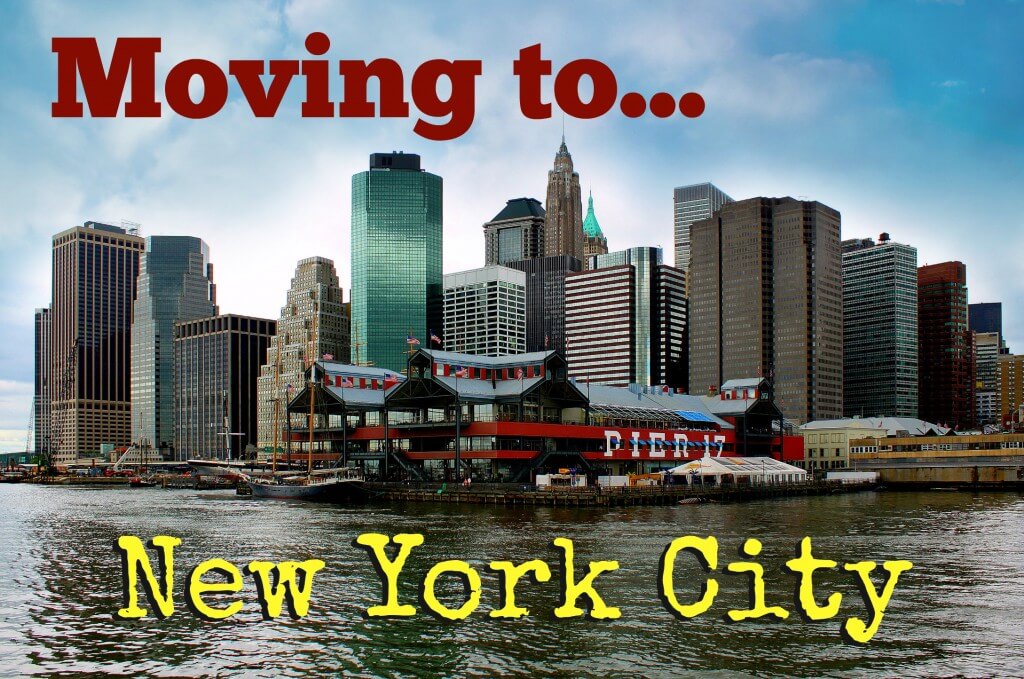
While Manhattan, Brooklyn, and Queens often dominate discussions about relocating, The Bronx and Staten Island offer their own unique charms and appeal.
The Bronx is the birthplace of hip-hop and home to Yankee Stadium, a mecca for baseball fans. It offers a range of neighborhoods with diverse housing options and a growing number of cultural attractions. Areas like Riverdale offer a more suburban feel, while neighborhoods closer to the city center provide a more urban experience.
Staten Island, often called the “Borough of Homes,” offers a more suburban lifestyle within the city limits, with a strong emphasis on family living and access to nature. The Staten Island Ferry provides free, scenic commutes with stunning views of the Statue of Liberty and the Manhattan skyline.
Both boroughs offer significantly more affordable housing options compared to Manhattan and Brooklyn, making them viable choices for those looking to stretch their budgets further. Public transportation is available, though it might require more planning than in the denser boroughs.
Navigating the Practicalities of Relocation
Moving to New York City involves more than just choosing a neighborhood; it requires meticulous attention to practical details. From securing accommodation to understanding the cost of living and essential services, a well-thought-out plan is key.
Finding Your Ideal Accommodation
Securing housing in New York is often cited as one of the most challenging aspects of relocating. The rental market is highly competitive, and understanding the different types of accommodation available is crucial.
- Apartments: The most common form of housing, ranging from studios to multi-bedroom units. You’ll encounter walk-ups (buildings without elevators), luxury high-rises with doormen and amenities, and pre-war buildings with classic charm.
- Co-ops and Condos: These are forms of ownership rather than rental, often requiring a more complex buying process and board approval for co-ops.
- Short-Term Rentals and Extended Stays: For those who need flexibility upon arrival, serviced apartments and extended-stay hotels can be a good temporary solution while you search for a permanent residence. Companies like Oakwood Worldwide offer these options in various locations.
- Roommates: Sharing an apartment is a common way to reduce costs, especially in Manhattan and desirable parts of Brooklyn. Websites and apps specializing in roommate matching can be invaluable.
When searching for accommodation, be prepared for intense competition. Have your documents ready, including proof of income, identification, and references. Many landlords and real estate agents will require a credit check and a security deposit, often equivalent to one month’s rent, plus the first month’s rent upfront. Understanding the nuances of apartment hunting, from open houses to bidding wars, is part of the New York experience. Research neighborhoods thoroughly, consider commute times to work or study, and factor in proximity to amenities like grocery stores, parks, and public transportation.
Budgeting for the New York Lifestyle
New York is renowned for its high cost of living, and it’s essential to create a realistic budget before you move. This includes not only rent but also everyday expenses.
- Rent: As mentioned, this is typically the largest expense. Prices vary drastically by borough and neighborhood, but expect to pay a premium for most desirable areas.
- Transportation: While New York has an excellent public transportation system, the cost of a monthly MetroCard adds up. If you plan to own a car, factor in parking fees, insurance, and gas, which are exceptionally high.
- Food: Groceries can be expensive, especially in Manhattan. Dining out, a popular New York pastime, can also be a significant expenditure.
- Utilities: Electricity, gas, internet, and mobile phone services will be ongoing costs.
- Entertainment and Lifestyle: From Broadway shows to museum visits and dining at world-class restaurants, New York offers endless entertainment options, but these come at a price. Consider your preferred lifestyle and budget accordingly.
Many resources are available online to help you estimate the cost of living in New York. Websites that compare costs of living across cities can provide a good starting point. It’s advisable to have a financial cushion, especially in the initial months, to cover unexpected expenses and allow you to settle in without undue stress.

Embracing the New York Experience: Culture and Community
Relocating to New York is not just about finding a place to live; it’s about integrating into the city’s vibrant culture and finding your community.
- Local Culture and Food: New York is a culinary paradise, offering everything from Michelin-starred restaurants to the best street food. Explore diverse neighborhoods for authentic ethnic cuisines, from Italian in Arthur Avenue to Chinese in Flushing and Indian in Jackson Heights. Engage with local festivals, farmers’ markets, and community events to experience the city’s rich cultural tapestry.
- Activities and Landmarks: Beyond the famous attractions like the Statue of Liberty, Times Square, and Central Park, New York offers countless hidden gems. Explore smaller museums, attend live music performances, visit independent bookstores, and discover unique shops. Take advantage of the city’s many parks and waterfronts for recreation and relaxation.
- Building a Social Network: Making friends in a new city can be challenging. Join clubs or groups that align with your interests, whether it’s a book club, a hiking group, or a volunteer organization. Utilize social media platforms and apps designed for meeting new people. Networking events can also be beneficial for professional and social connections.
Relocating to New York is a significant undertaking, but with thorough preparation and an open mind, it can be an incredibly rewarding experience. The city’s boundless opportunities, diverse culture, and unparalleled energy offer a lifestyle like no other. Embrace the adventure, be prepared for the challenges, and immerse yourself in the magic of the Big Apple.
LifeOutOfTheBox is a participant in the Amazon Services LLC Associates Program, an affiliate advertising program designed to provide a means for sites to earn advertising fees by advertising and linking to Amazon.com. Amazon, the Amazon logo, AmazonSupply, and the AmazonSupply logo are trademarks of Amazon.com, Inc. or its affiliates. As an Amazon Associate we earn affiliate commissions from qualifying purchases.