
Navigating the intricacies of personal decisions regarding organ donation, particularly when it comes to designating or revoking this choice on official documents like a Texas driver’s license or identification card, involves understanding specific state procedures. While the act of becoming an organ donor is a profound gesture of altruism, some individuals may wish to reconsider their decision or update their record. In Texas, the process for removing organ donor designation is straightforward and accessible, ensuring that individuals’ wishes are accurately reflected on their state-issued identification. This guide will walk you through the available methods, empowering you to make informed choices about your organ donor status.
Understanding Organ Donor Designation in Texas
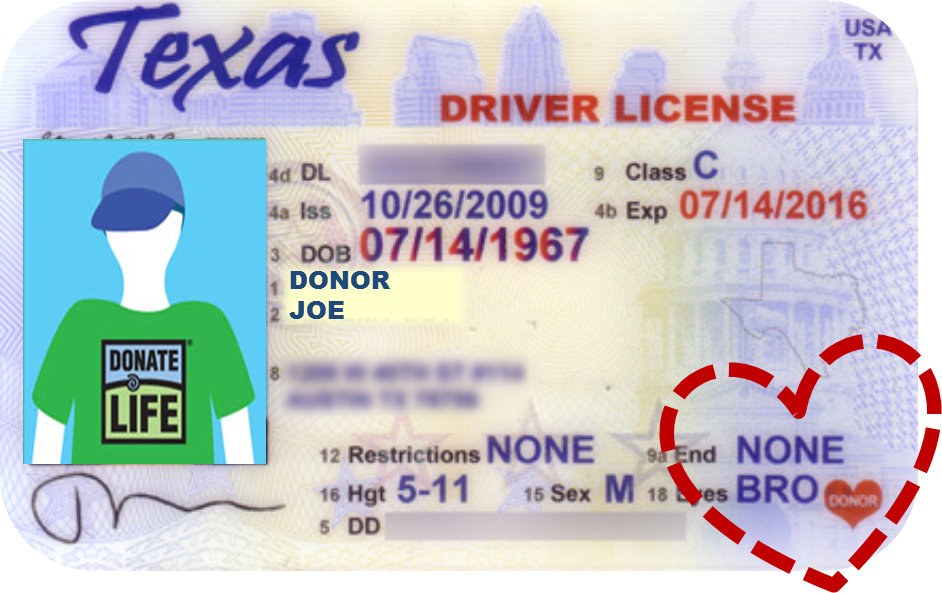
In Texas, organ donor designation is primarily recorded on your driver’s license or identification card issued by the Texas Department of Public Safety (DPS). This electronic record serves as a public declaration of your intent to donate your organs, tissues, and eyes upon your death for transplantation, research, or education. The designation is legally binding and accessible to medical professionals through the Organ Donor Registry when needed.
The decision to become an organ donor is a personal one, made at the time of application for or renewal of a driver’s license or ID card. It’s important to understand that this designation is an affirmative choice. If you did not explicitly choose to be an organ donor, you are not considered one. Conversely, if you did make the choice, and now wish to revoke it, Texas provides clear pathways to do so.
It is also crucial to have conversations with your family about your wishes. While the designation on your license is legally significant, informing your loved ones ensures they are aware of your decision and can advocate for your wishes during difficult times. This proactive communication can alleviate potential confusion and ensure your directives are honored.
The Role of the Texas Department of Public Safety (DPS)
The Texas Department of Public Safety is the state agency responsible for managing driver’s licenses and identification cards. When you apply for or renew your license, you are presented with the option to become an organ donor. This process involves a simple affirmative selection. Similarly, when you choose to remove your organ donor designation, the DPS is the entity that facilitates this change in their records.
The DPS maintains a secure database where all driver’s license and ID card information is stored. When you opt to remove your organ donor status, this change is updated within this system, ensuring that your updated wishes are recorded accurately. It’s important to note that the designation is tied to your specific driver’s license or ID card number. Therefore, changes made during a renewal process are generally comprehensive.
The Texas Organ Donor Registry
The Texas Organ Donor Registry is an online system managed by LifeGift in partnership with the Texas Department of State Health Services. While your driver’s license or ID card serves as a primary indicator, the registry is another avenue where individuals can formally register their decision to be an organ donor. Similarly, if you have registered directly with the Texas Organ Donor Registry and wish to remove your name, there are procedures for that as well.
The distinction between the driver’s license designation and the registry is important. Many individuals make their organ donor decision at the DPS. However, you can also register directly with the Texas Organ Donor Registry without necessarily having that reflected on your driver’s license, or vice versa. This guide primarily focuses on the driver’s license aspect, but understanding the existence of the registry provides a complete picture of organ donation decisions in Texas.
Methods for Removing Organ Donor Status from Your Texas License
Fortunately, Texas offers a few convenient methods to remove organ donor designation from your driver’s license or identification card. These methods are designed to be accessible and ensure your personal preferences are respected and accurately documented.
1. During a License or ID Renewal
The most common and often simplest way to remove your organ donor designation is by actively choosing not to opt-in when you renew your driver’s license or identification card. When you apply for a renewal, you will again be presented with the question regarding organ donation. By selecting “No” or by simply not checking the box indicating your consent, you effectively revoke any previous designation.
This process is integrated into the standard renewal procedure. Whether you renew in person at a DPS driver license office, by mail, or online (if eligible), you will have the opportunity to update your organ donor status. It’s crucial to pay close attention to the questions presented during the renewal process and make your selection consciously. If you previously opted in and now wish to opt out, this is the most direct way to achieve that.
H3: In-Person Renewal
When you visit a Texas Department of Public Safety driver license office, the customer service representative will guide you through the renewal process. They will ask if you wish to be an organ, eye, and tissue donor. To remove your designation, you simply state “No” or decline to select the option. Your updated status will then be processed and reflected on your new license or ID.
H3: Online or Mail Renewal
If you are eligible to renew your license or ID online or by mail, the digital or paper application will include the organ donor question. Carefully read the options and select the choice that reflects your current wishes. If you previously designated yourself as a donor and now wish to remove it, ensure you select the “No” option.
2. Requesting a Duplicate License or ID with Updated Status

If you wish to remove your organ donor designation outside of your regular renewal period, you can request a duplicate driver’s license or identification card. This option allows you to update your record without waiting for your current document to expire.
To request a duplicate, you will typically need to visit a Texas Department of Public Safety driver license office. You will need to complete an application for a duplicate license and pay the required fee. During this process, you will be asked again about your organ donor status. By choosing “No” at this point, your duplicate license will be issued without the organ donor designation.
H3: Process for Obtaining a Duplicate License
Visit your local Texas Department of Public Safety driver license office. Bring with you the required identification and documentation as per the DPS requirements for duplicate licenses. Inform the representative that you wish to remove your organ donor designation. Complete the application for a duplicate license, ensuring you select “No” for the organ donor question. Pay the applicable fee. Your new license will be mailed to you.
3. Contacting the Texas Organ Donor Registry (for Registry-Specific Changes)
While this guide focuses on the driver’s license designation, it’s worth reiterating that if you specifically registered as an organ donor through the Texas Organ Donor Registry independently of your driver’s license, you would follow a separate process to remove your name from that registry.
To remove yourself from the Texas Organ Donor Registry, you should contact LifeGift, the organization that manages the registry. They can provide specific instructions for revoking your registration. It’s important to understand that revoking your registry status may not automatically remove the designation from your driver’s license, and vice versa. Therefore, if you wish to ensure your wishes are reflected on both, you may need to take action in both places.
Important Considerations and Best Practices
Making decisions about organ donation is a deeply personal matter, and ensuring your wishes are clearly communicated and accurately recorded is paramount. Beyond the procedural steps of removing organ donor status from your Texas license, there are several other considerations that can help provide peace of mind.
Communicating Your Decision to Family
Even though your driver’s license or ID card serves as a legal document reflecting your organ donor status, having open and honest conversations with your family is one of the most critical steps you can take. Your family members are often the first point of contact for medical professionals in the event of a critical medical situation. If they are aware of your wishes, they can more effectively communicate them to healthcare providers, ensuring your decisions are honored.
Take the time to sit down with your spouse, children, parents, or other close family members. Clearly explain your decision regarding organ donation, whether you wish to donate or not. Discuss your reasons, if you feel comfortable sharing them. This open dialogue can prevent misunderstandings and alleviate stress for your loved ones during a difficult time. Documenting your wishes in a living will or advance directive can also provide a formal record that complements your driver’s license designation.
Understanding the Impact of Designation Removal
When you remove your organ donor designation from your Texas driver’s license or ID card, you are essentially revoking your expressed consent for organ, eye, and tissue donation at the state level through this specific mechanism. This means that medical professionals, upon checking your record through the Organ Donor Registry or your driver’s license, will not find an affirmative consent from you.
It is important to remember that even if you opt out of donation on your license, your family may still have the ability to make a decision on your behalf. However, by clearly stating your wishes through the available channels and communicating them to your family, you are asserting your autonomy and ensuring your preferences are known and respected. The goal is to eliminate ambiguity and empower your loved ones to act in accordance with your desires.
The Difference Between License Designation and Registry
As previously mentioned, it’s vital to distinguish between designating yourself as an organ donor on your Texas driver’s license or ID card and registering directly with the Texas Organ Donor Registry. While both serve to record your intent, they are managed by different entities and may require separate actions for updates.
If you have both a driver’s license designation and a registry entry, and you wish to revoke your donation status, you must ensure you address both. For instance, choosing “No” during your driver’s license renewal will update your license status, but it will not automatically remove you from the separate Texas Organ Donor Registry. You would need to contact LifeGift directly to remove yourself from the registry. This dual approach ensures comprehensive adherence to your wishes.

Ensuring Your Wishes Are Honored
Making informed decisions about organ donation is a significant aspect of personal autonomy. In Texas, the process of removing organ donor status from your driver’s license or identification card is designed to be accessible and respects your right to change your mind. By understanding the available methods – through renewal, requesting a duplicate license, and communicating with your family – you can ensure your wishes are accurately documented and honored.
The Texas Department of Public Safety plays a crucial role in maintaining the integrity of this designation on official identification. Whether you choose to become an organ donor or decide against it, your personal decision is paramount. By proactively engaging with these processes and communicating openly with your loved ones, you can achieve peace of mind, knowing that your healthcare directives will be respected. Remember, your choices matter, and the state of Texas provides the framework to make those choices known.
LifeOutOfTheBox is a participant in the Amazon Services LLC Associates Program, an affiliate advertising program designed to provide a means for sites to earn advertising fees by advertising and linking to Amazon.com. Amazon, the Amazon logo, AmazonSupply, and the AmazonSupply logo are trademarks of Amazon.com, Inc. or its affiliates. As an Amazon Associate we earn affiliate commissions from qualifying purchases.