
Maintaining a valid driver’s license is an essential aspect of modern life, especially in a state as expansive and vibrant as California. Whether you’re navigating the scenic coastal routes, commuting through bustling cityscapes like Los Angeles or San Francisco, or simply ensuring you have valid identification for domestic travel, the process of renewing your license needs to be straightforward and clear. For residents and visitors alike, understanding the renewal procedures set forth by the California Department of Motor Vehicles (DMV) is paramount to uninterrupted mobility and peace of mind.
This comprehensive guide aims to demystify the California driver’s license renewal process, offering practical insights and tips to ensure a smooth transition from an expiring license to a new one. We’ll explore the various methods of renewal, delve into the requirements for each, and shed light on crucial considerations such as the REAL ID, all while connecting these steps to the broader context of travel, lifestyle, and seamless experiences that define life in the Golden State.
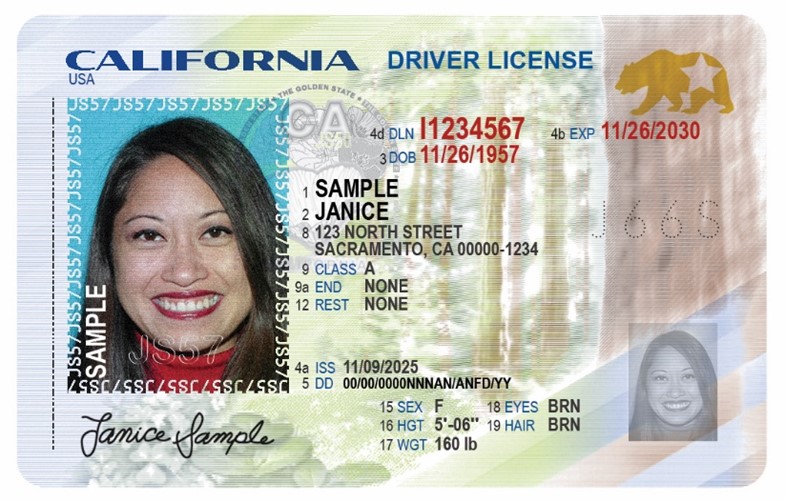
Navigating Your California Driver’s License Renewal
The California DMV strives to make the renewal process as convenient as possible, offering multiple avenues to suit different situations. Generally, you can expect to receive a renewal notice approximately 60-90 days before your license expires. This notice is a critical piece of mail, as it often details your eligibility for online or mail-in renewal and provides necessary codes. However, even without the notice, it’s your responsibility to renew your license before its expiration date. A valid driver’s license isn’t just a legal requirement for operating a vehicle; it’s often a gateway to various travel experiences, from renting a car for a road trip through Yosemite National Park to checking into accommodations across the state. Ensuring your license is current means one less thing to worry about when planning your next adventure or simply navigating daily life.
Understanding Your Renewal Options
The California DMV offers three primary methods for renewing your driver’s license: online, by mail, or in person. Your eligibility for each method depends on several factors, including your age, whether you require a vision test, if you’re applying for a REAL ID for the first time, and if there are any changes to your personal information or medical conditions.
Online Renewal: The Digital Fast Track
For many eligible drivers, renewing online is the quickest and most convenient option. This method epitomizes modern efficiency, allowing you to complete the entire process from the comfort of your home or office, thereby saving valuable time that could be spent exploring California’s myriad attractions or enjoying a leisurely afternoon.
Eligibility for Online Renewal:
- You must be renewing a non-commercial Class C driver’s license.
- You must be under 70 years old.
- Your renewal notice indicates you are eligible to renew online.
- You have not renewed online for the last two consecutive times.
- There are no changes to your name, address (unless updated separately with the DMV previously), or medical condition that would require an in-person visit.
- You do not need to take a vision test (or your vision test requirement was waived).
- You are not upgrading to a REAL ID for the first time.
Process: To renew online, you’ll visit the official California DMV website. You’ll need information from your renewal notice, your current driver’s license number, and a valid payment method for the renewal fee. The system will guide you through verifying your personal information and confirming your eligibility. It’s a seamless process designed for those who value convenience and a digital-first approach to administrative tasks, perfectly aligning with a busy, travel-oriented lifestyle.
Mail-In Renewal: Traditional Convenience
For those who prefer a more traditional approach or do not have reliable internet access, renewal by mail remains a viable option. This method is particularly useful for individuals who meet specific eligibility criteria and have received a renewal notice that authorizes mail-in renewal.
Eligibility for Mail-In Renewal:
- Similar to online renewal, you must be renewing a non-commercial Class C license.
- Your renewal notice explicitly states that you are eligible to renew by mail.
- You are not required to take an in-person vision test or update any information that necessitates a DMV visit.
- You are not applying for a REAL ID for the first time.
Process: The renewal notice you receive from the DMV will typically include a pre-filled renewal form (often referred to as a DL 44). You’ll need to review the information, make any necessary minor corrections, sign the form, and enclose your payment for the renewal fee. It’s crucial to mail your renewal well in advance of your license’s expiration date to avoid any lapse in validity. This method offers a classic, reliable way to ensure your driving privileges remain current, a foundation for any trip or local excursion.
In-Person Renewal: When a Visit to the DMV is Necessary
While online and mail-in options offer considerable convenience, certain circumstances mandate an in-person visit to a DMV office. This might seem like a more time-consuming option, but with proper planning, including making an appointment, it can be managed efficiently.
Reasons for In-Person Renewal:
- First-Time REAL ID Application: If you’re converting your standard California driver’s license to a REAL ID for the first time, an in-person visit is mandatory to present original documents.
- Vision Test Required: If your renewal notice indicates you need an updated vision test, or if the DMV determines you need one based on your driving record or age, you must visit an office.
- Photo Update: The DMV periodically requires new photos for security and identification purposes.
- Name Change: If you’ve legally changed your name, you must visit the DMV in person with supporting documentation.
- Certain Medical Conditions: If you have developed or updated a medical condition that could affect your driving ability, an in-person assessment or documentation submission might be required.
- Not Eligible for Online/Mail: If you don’t meet the criteria for online or mail renewal, an in-person visit is your only recourse. This might include instances where you’ve renewed online/by mail too many times consecutively.
Process: It’s highly recommended to make an appointment online through the DMV website before visiting any office in cities like Sacramento, San Diego, or Los Angeles. This significantly reduces wait times. Before your appointment, ensure you’ve gathered all necessary documents, completed any required forms (like the online driver’s license and ID card application), and are prepared to pay the renewal fee. During your visit, you may undergo a vision test, have your photo taken, provide fingerprints, and submit your documentation. While it requires a bit more effort, an in-person renewal ensures all requirements are met directly, leaving you with a securely renewed license vital for all your travel and lifestyle needs.
Essential Requirements and Considerations
Beyond choosing a renewal method, there are specific requirements and considerations that every California driver should be aware of. The most significant of these in recent years is the advent of the REAL ID.
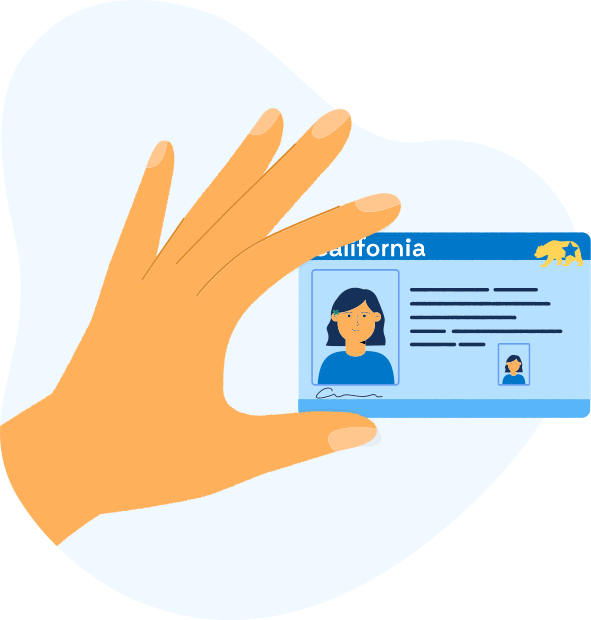
The REAL ID Act: What You Need to Know
The REAL ID Act, enacted by Congress in 2005 based on the 9/11 Commission’s recommendation, established minimum security standards for state-issued driver’s licenses and identification cards. Its primary purpose is to enhance security for domestic air travel and access to certain federal facilities. For any avid traveler or someone who plans to fly within the U.S., possessing a REAL ID compliant document is becoming increasingly crucial.
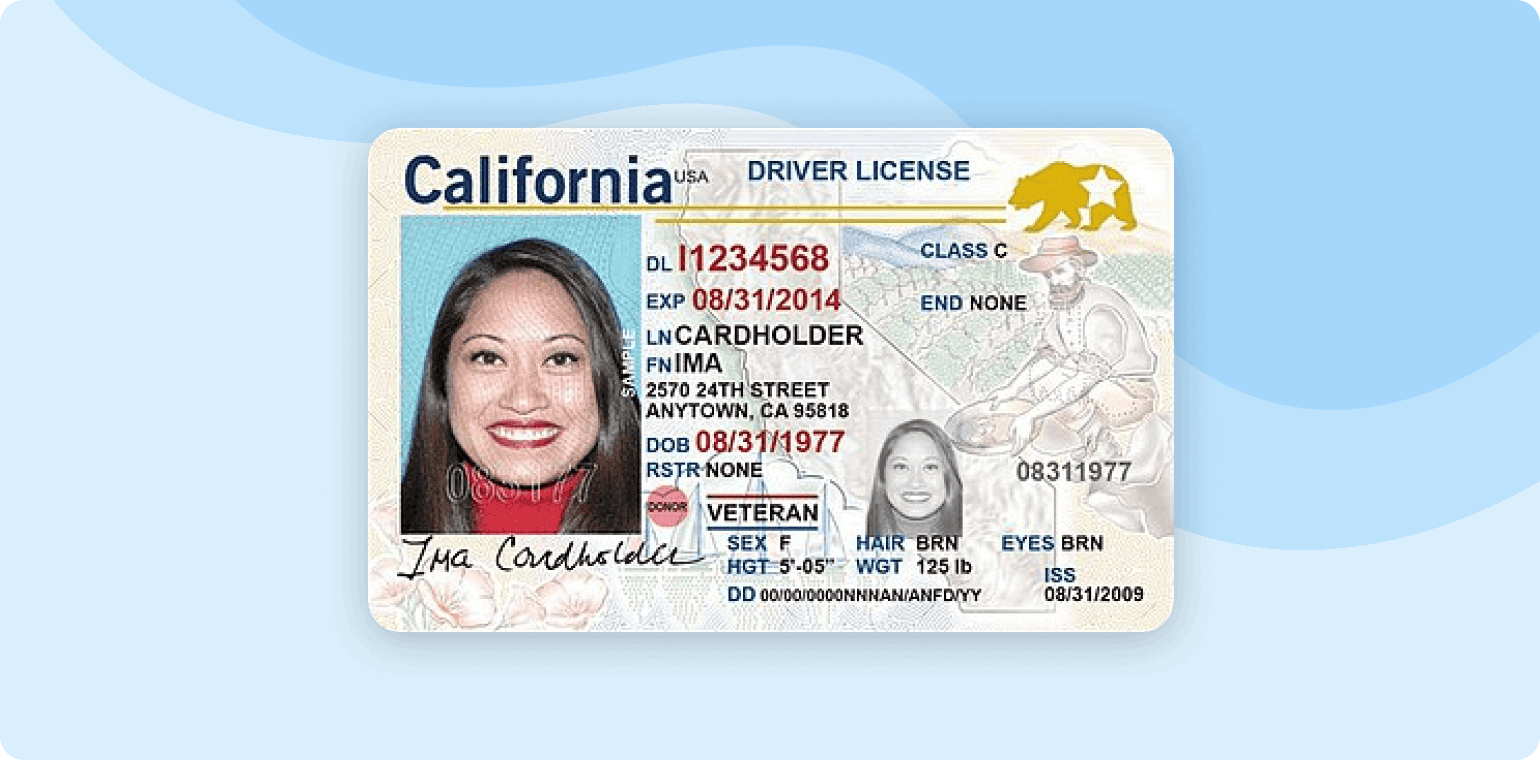
What is a REAL ID? A REAL ID compliant driver’s license or ID card in California is distinguishable by a gold bear and star symbol in the upper right-hand corner. This symbol signifies that the card meets federal security standards. Without a REAL ID or another acceptable form of identification (like a passport), you will eventually be unable to board domestic flights or enter secure federal facilities (e.g., military bases, federal courthouses).
Why is it Important for Travelers? For those who frequently travel, whether for business or leisure, the REAL ID ensures smooth passage through airport security checkpoints. It’s an indispensable component for stress-free domestic travel, enabling you to explore California’s diverse destinations or venture across the country without a hitch. While a standard license is still valid for driving, its utility as an identity document for federal purposes is limited. The Department of Homeland Security has set deadlines for REAL ID enforcement, making it imperative to consider upgrading during your renewal cycle.
How to get a REAL ID: If you’re applying for a REAL ID for the first time, you must apply in person at a DMV office. You will need to bring specific documents to prove your identity, residency, and Social Security number.
Required Documents: Preparing for Your Renewal
Regardless of whether you’re getting a standard license or a REAL ID, having your documents in order beforehand can significantly expedite your renewal process.
For all Renewals:
- Your current California driver’s license.
- Your renewal notice (if applicable), which contains a unique Renewal Identification Number (RIN).
- Payment for the renewal fee (cash, check, money order, debit/credit card).
For First-Time REAL ID Applications (In-Person Only):
- Proof of Identity: One document such as a U.S. birth certificate, U.S. passport, permanent resident card, or foreign passport with an approved I-94 form.
- Proof of Social Security Number (SSN): Your Social Security card, W-2 form, or a pay stub with your full SSN.
- Proof of California Residency: Two different documents showing your name and California address, such as utility bills, rental agreements, mortgage statements, or bank statements.
- Optional: Proof of name change if your current name differs from your identity document (e.g., marriage certificate, divorce decree).
Preparing these documents ensures that your DMV visit or online application proceeds without delays, a small but significant step towards a seamless and well-organized lifestyle, especially when balancing travel plans and other commitments.
What to Expect During and After Renewal
Once you’ve submitted your renewal application and fulfilled all requirements, you might wonder about the next steps and how long it takes to receive your new license. The process usually involves a temporary document followed by the official card, ensuring you remain licensed throughout.
Temporary Licenses and Waiting Periods
After completing an in-person renewal or certain online renewals, the DMV will typically issue you a temporary driver’s license. This paper document is valid for a limited period, usually 60-90 days, and serves as legal proof of your driving privileges while you await your permanent card. It’s crucial to carry this temporary license with you at all times when driving.
The permanent driver’s license is mailed to your address on file, usually within 2-4 weeks. However, processing times can vary, especially during peak periods. It’s essential to ensure your address with the DMV is always up-to-date to prevent delivery issues. If you don’t receive your new card within the expected timeframe, you should contact the DMV for assistance. A valid temporary license allows you to continue driving, rent vehicles for short trips to local attractions, and fulfill other identification needs, though it might not be accepted by all establishments (e.g., some hotels or airlines might prefer a physical card).
Common Questions Answered
- What if my license expires before I renew? While it’s best to renew before expiration, California generally offers a grace period. However, driving with an expired license is illegal and can result in citations or issues with insurance. Renew as soon as possible.
- Do I need to take a driving test? Most renewals do not require a driving test. Driving tests are typically reserved for initial licenses, certain age groups (e.g., seniors might occasionally be required), or if there are concerns about your driving ability.
- Can I renew if I’m out of state or out of the country? Yes, the DMV does offer options for residents who are temporarily away. You might be eligible for online or mail-in renewal, or you may need to contact the DMV directly for specific instructions if you face unique circumstances. This flexibility is vital for individuals who travel extensively for work or leisure, ensuring their ability to drive upon returning to California.
- What if I change my address or name after renewal? You must update your address with the DMV promptly. A name change almost always requires an in-person visit with legal documentation. Keeping your information current is crucial for all official communication and document delivery, reflecting a responsible approach to personal administration and enhancing your overall lifestyle.
Seamless Travel and Lifestyle with a Valid California License
A valid California driver’s license is more than just a piece of plastic; it’s a key that unlocks countless opportunities within the state and beyond. For the avid traveler, it’s the gateway to spontaneous road trips along the Pacific Coast Highway, exploring the vibrant cultural tapestry of Los Angeles, or savoring the culinary delights of San Francisco. It ensures you can confidently book rental cars, check into various accommodations from luxury resorts to cozy vacation villas, and even use it as identification for exploring local tourism activities and accessing landmarks.
For those focused on a smooth lifestyle, the convenience of a timely renewal, especially through online channels, means less time spent on bureaucracy and more time enjoying California’s offerings. Whether it’s planning a family trip to Disneyland, embarking on a business stay in Silicon Valley, or simply navigating daily commutes, a current license is fundamental. The shift towards the REAL ID also underscores the evolving nature of identification requirements, particularly for air travel, prompting us to integrate these administrative tasks into our broader lifestyle planning.
By understanding the options, requirements, and implications of renewing your California driver’s license, you can ensure a hassle-free experience that supports your freedom to travel, explore, and live life to the fullest in this remarkable state. Take the time to review your renewal notice, prepare your documents, and choose the method that best suits your needs, ensuring you’re always ready for the open road ahead.
LifeOutOfTheBox is a participant in the Amazon Services LLC Associates Program, an affiliate advertising program designed to provide a means for sites to earn advertising fees by advertising and linking to Amazon.com. Amazon, the Amazon logo, AmazonSupply, and the AmazonSupply logo are trademarks of Amazon.com, Inc. or its affiliates. As an Amazon Associate we earn affiliate commissions from qualifying purchases.