
Navigating the vibrant landscapes and diverse attractions of Florida is an experience unlike any other, offering everything from the magical allure of theme parks in Orlando to the sun-kissed beaches of Miami. For both long-term residents and those embracing the Sunshine State’s unique lifestyle as a new home or extended stay, possessing a valid driver’s license is not just a legal requirement but a passport to freedom and exploration. Whether you’re planning a thrilling family trip to Walt Disney World Resort, a serene retreat to the Everglades National Park, or simply commuting to work, your driver’s license is indispensable.
Understanding the process of how to renew your driver’s license in Florida can save you time and hassle, allowing you to focus on enjoying the state’s endless tourism opportunities and premium accommodation options. This comprehensive guide aims to demystify the renewal process, detailing eligibility, required documents, and various renewal methods, all while keeping in mind the convenience and lifestyle implications for those who call Florida home or a cherished destination. From snowbirds enjoying the winter in Palm Beach to permanent residents in Tampa, a smooth renewal ensures uninterrupted access to all that Florida has to offer.
Understanding Florida’s Driver’s License Renewal Requirements
Before you embark on the renewal journey, it’s crucial to understand the fundamental requirements set forth by the Florida Department of Highway Safety and Motor Vehicles (DHSMV). These guidelines ensure that every licensed driver continues to meet the necessary standards for safe operation on the roads, from the bustling avenues of Jacksonville to the scenic drives of Key West. The renewal process is generally straightforward, designed to be as convenient as possible for most drivers.
Eligibility and When to Renew
The first step in renewing your Florida driver’s license is to confirm your eligibility. Typically, a standard Class E driver’s license in Florida is valid for eight years. You will usually receive a renewal notification by mail or email several weeks before your license is set to expire. This notification is a helpful reminder, ensuring you have ample time to complete the process without interruption to your travel plans or daily routines.
Eligibility for online or mail renewal is generally restricted to U.S. citizens who have not changed their name or address since their last renewal and whose licenses have not been expired for an extended period. If you hold a commercial driver’s license (CDL), have an outstanding citation, or need to update personal information, an in-person visit might be required. Furthermore, non-U.S. citizens and those with certain medical conditions or vision restrictions often need to renew in person. This ensures that the DHSMV can verify all necessary details and make any required adjustments, contributing to road safety across iconic areas like St. Petersburg and Fort Lauderdale.
It’s important to note that you cannot renew your license more than 18 months before its expiration date. However, renewing within a few months of expiration is highly recommended to avoid any last-minute stress or potential driving restrictions. For those who frequently travel, perhaps staying at luxury resorts such as a Four Seasons property or a Ritz-Carlton in Sarasota, ensuring your license is current means uninterrupted exploration and seamless car rentals for your next adventure.
Documents You’ll Need
Regardless of whether you choose to renew online, by mail, or in person, having the correct documentation is paramount. The type and number of documents required can vary slightly depending on your citizenship status and whether you are renewing for the first time after becoming a Florida resident. Generally, you’ll need:
- Proof of Identity: This typically means your birth certificate or a valid U.S. passport. For non-U.S. citizens, immigration documents, such as a green card or visa, are essential.
- Proof of Social Security Number: Your Social Security card or a document showing your full Social Security number (like a W-2 form) is usually required.
- Proof of Residency: Two different documents showing your current Florida residential address are needed. These can include utility bills, a deed or lease agreement, car registration, or a bank statement. For those exploring long-term stays or apartment rentals, these documents are readily available.
- Proof of Name Change (if applicable): If your name has changed since your last license issuance, you’ll need to provide original documents like a marriage certificate or court order.
For new residents or those whose documentation has expired, an in-person visit is mandatory, as this allows the DHSMV to conduct a thorough verification process. This level of detail ensures the integrity of the licensing system, crucial for maintaining safety on roads connecting bustling cities like Daytona Beach and serene coastal towns like Naples. Preparing these documents in advance will significantly expedite your renewal, leaving you more time to plan your next road trip to landmarks like the Kennedy Space Center Visitor Complex.
Step-by-Step Guide to Renewal Methods
Florida offers several convenient methods for driver’s license renewal, catering to different needs and circumstances. Whether you prefer the speed of online processing, the traditional approach of mail, or a personalized in-person experience, understanding each option will help you choose the best fit for your lifestyle and travel schedule.
Online Renewal: Convenience for the Modern Traveler
For many eligible drivers, online renewal is by far the most convenient option, aligning perfectly with a modern, on-the-go lifestyle. This method allows you to renew your license from anywhere with an internet connection – whether you’re relaxing at a charming boutique hotel, unwinding at home in Boca Raton, or even on a business trip.
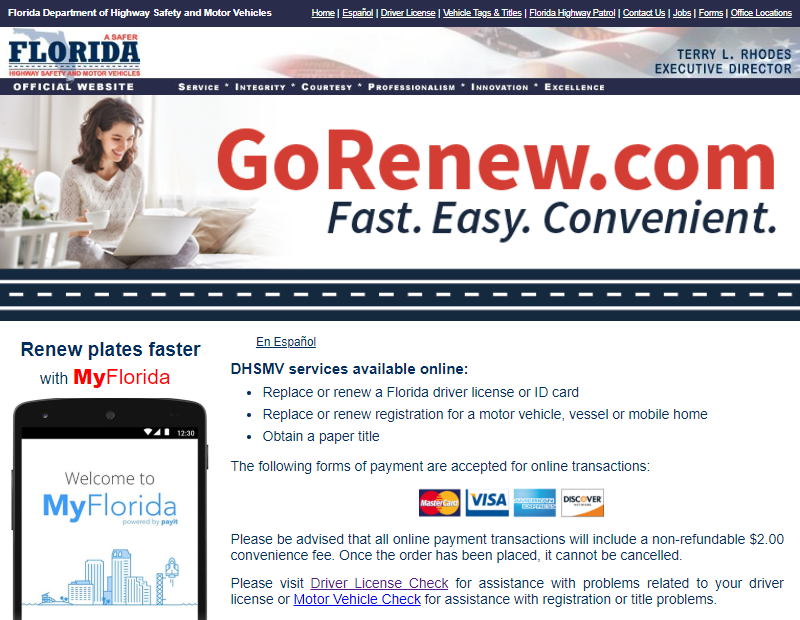
To renew online, visit the Florida DHSMV website (GoRenew.com). You’ll typically need your current driver’s license number, date of birth, and the last four digits of your Social Security number. The system will guide you through a series of questions to confirm your eligibility and allow you to pay the renewal fee using a credit or debit card. Once completed, a temporary license may be printable immediately, and your new physical license will be mailed to your address within a few weeks. This streamlined process is ideal for busy individuals who want to minimize time spent on administrative tasks and maximize their time exploring Florida’s attractions, from the pristine sands of Clearwater Beach to the historic streets of St. Augustine.

Mail-In Renewal: A Traditional Option
Mail-in renewal offers another convenient alternative, particularly for those who may be temporarily out of Florida or prefer a non-digital approach. This method is often utilized by “snowbirds” who spend part of the year in other states but maintain their Florida residency. If you are eligible for mail-in renewal, the DHSMV will typically send you a renewal notice with detailed instructions and a form to complete.
You will need to fill out the form, ensure all required information is accurate, and enclose a check or money order for the renewal fee. Some mail-in renewals might also require a vision test to be completed by a licensed optometrist or ophthalmologist, with the results submitted along with your application. Once everything is prepared, simply mail it to the address provided on the renewal notice. While slightly slower than online renewal, this method ensures that even when you’re away from your permanent Florida residence – perhaps enjoying a summer in Amelia Island or visiting family up north – your driver’s license renewal can proceed smoothly.
In-Person Renewal: For Complex Cases or New Residents
For certain situations, an in-person visit to a local DHSMV office or a county tax collector’s office is necessary. This is often the case for new Florida residents, those needing to change their name or address, individuals with certain medical restrictions, or anyone whose license has been expired for an extended period. An in-person visit allows for immediate document verification, photo updates, and vision testing, ensuring all details are current and accurate.
When renewing in person, remember to bring all required original documents (proof of identity, Social Security number, and residency). You will also likely have your photo retaken and complete a vision test on-site. While it may require setting aside some time, renewing in person offers the benefit of immediate confirmation and allows you to ask any questions directly. Offices are located throughout the state, from Pensacola to Gainesville, making them accessible for residents in various regions. Many offices, particularly in major tourism hubs like Orlando or Miami, are designed to handle a steady flow of visitors, but scheduling an appointment beforehand can significantly reduce wait times, getting you back to your travel itineraries or daily activities faster.
Important Considerations for Florida Drivers
Beyond the procedural steps, several other factors are worth considering to ensure a seamless driver’s license renewal in Florida. These points often tie into the broader lifestyle implications of driving in the state, from managing finances to navigating specific professional requirements.
Fees and Payment Options
Every driver’s license renewal in Florida involves a fee. The exact amount can vary based on the type of license (Class E, CDL, etc.) and whether you are adding endorsements. Typically, a standard Class E driver’s license renewal fee is around $48. For online and mail-in renewals, payment is usually accepted via credit card, debit card, check, or money order. When renewing in person, most offices accept cash, credit/debit cards, and checks. It’s always a good idea to check the current fee schedule on the Florida DHSMV website or call your local office beforehand to confirm, especially if you plan to travel from areas like Destin or Panama City Beach to a specific renewal center. Being prepared with the correct payment method streamlines the process, letting you get back to enjoying Florida’s attractions.
Vision Requirements and Testing
Maintaining good vision is crucial for safe driving, especially on Florida’s diverse roadways, which can range from bright coastal highways to winding country roads around Lake Okeechobee. Florida requires drivers to meet specific vision standards. If you wear corrective lenses, this information will be noted on your license.
For most in-person renewals, a vision test will be administered on-site. If you renew online or by mail, you may be required to have a vision test performed by an authorized medical professional (e.g., an optometrist or ophthalmologist) and submit the results. The renewal notice you receive will indicate if an external vision test is necessary. Failure to meet the vision requirements could result in restrictions on your license or, in some cases, the inability to renew. Ensuring your vision is up to standard means you can safely explore all the historic landmarks, like Castillo de San Marcos in St. Augustine, and natural beauty across the state.
Special Cases: CDLs, Out-of-State Renewals, and New Residents
Commercial Driver’s Licenses (CDLs): Renewing a CDL is a more rigorous process due to the professional nature of the license. It often requires specific medical certifications (DOT physicals), hazardous materials endorsements, and sometimes additional testing. CDL holders typically cannot renew online and must visit a DHSMV office in person. This ensures that commercial drivers, essential for Florida’s economy and tourism logistics, continue to meet the highest safety standards.
Out-of-State Renewals: If you are a Florida resident temporarily living out of state (e.g., military personnel, students, or long-term travelers), you may be able to renew by mail, provided you meet specific eligibility criteria. It’s vital to check the DHSMV website for the most current information, as rules can change. Planning ahead for these situations is key, especially if you rely on your license for travel and accommodation bookings.
New Residents: For those moving to Florida from another state or country, obtaining your first Florida driver’s license is a separate process from renewal. This typically involves surrendering your out-of-state license, passing a vision test, and possibly a written exam. You will definitely need to appear in person with comprehensive proof of identity, Social Security number, and Florida residency. This initial step is critical for integrating into the Florida lifestyle and taking advantage of all the state’s travel and tourism offerings.
Renewing your driver’s license in Florida doesn’t have to be a daunting task. By understanding the requirements, preparing your documents, and choosing the most suitable renewal method, you can ensure a smooth and efficient process. A valid Florida driver’s license is more than just a piece of plastic; it’s your ticket to exploring the state’s endless beaches, vibrant cities, luxurious resorts, and captivating landmarks. Whether you’re heading to the theme parks in Orlando, enjoying the cultural scene in Miami, or unwinding in the quiet charm of Tallahassee, your renewed license empowers you to experience the best of Florida without interruption. Keep it current, drive safely, and let the adventures continue!
LifeOutOfTheBox is a participant in the Amazon Services LLC Associates Program, an affiliate advertising program designed to provide a means for sites to earn advertising fees by advertising and linking to Amazon.com. Amazon, the Amazon logo, AmazonSupply, and the AmazonSupply logo are trademarks of Amazon.com, Inc. or its affiliates. As an Amazon Associate we earn affiliate commissions from qualifying purchases.