
Navigating the bureaucratic landscape of vehicle registration renewal can often feel like a chore, a necessary hurdle to clear before embarking on your next grand adventure. However, for residents of the Sunshine State, the process of renewing your Florida vehicle registration is designed to be as straightforward as possible. Whether you’re planning a road trip across the picturesque landscapes of Florida, heading to a relaxing resort in Miami, or simply need to ensure your vehicle is road-legal for your daily commute, understanding the renewal procedures is key. This guide will break down the essential steps, options, and tips to make your Florida vehicle registration renewal a breeze.
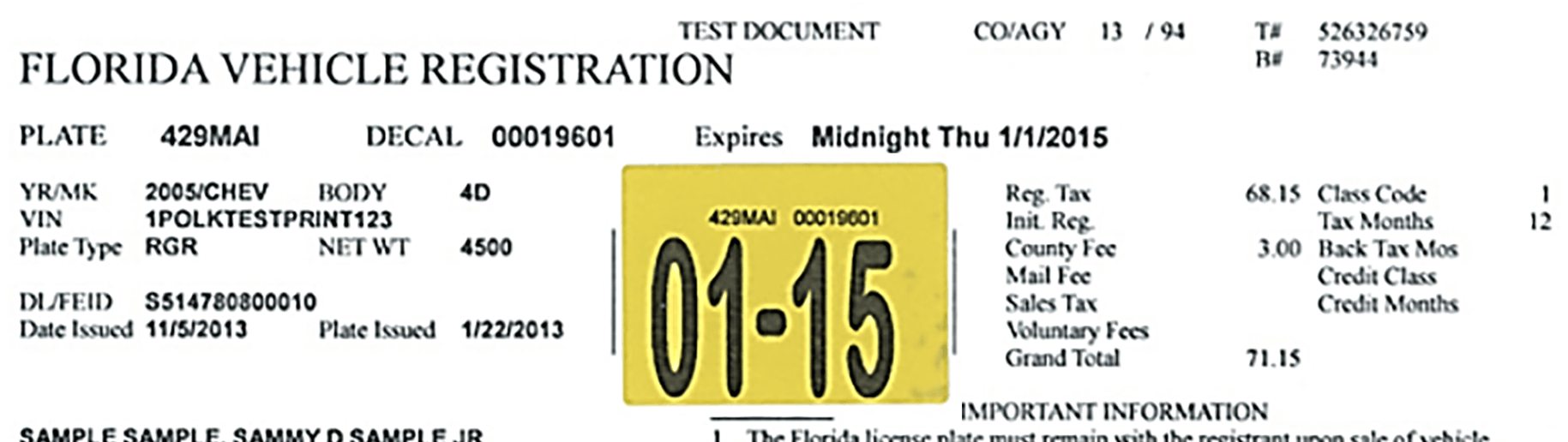
Renewing your vehicle registration in Florida is a crucial task to ensure your vehicle remains legally operated on public roads. The Florida Department of Highway Safety and Motor Vehicles (FLHSMV) oversees this process, offering various convenient methods for its citizens. Understanding the renewal timeline, required documentation, and available options will save you time and potential penalties.
Understanding Your Florida Vehicle Registration Renewal
Your Florida vehicle registration is valid for a period of one year, typically expiring on your birthday. The state sends out renewal notices by mail, usually a few weeks before the expiration date, to remind you of the upcoming renewal deadline. It’s essential to keep your mailing address updated with the FLHSMV to ensure you receive these important notifications.
When to Renew
The renewal period begins 60 days prior to your registration’s expiration date. It is highly recommended to begin the renewal process as soon as you receive your notice or as soon as the renewal period opens. This allows ample time to complete the process without last-minute rushes, especially if you encounter any unexpected issues. Driving with an expired registration can lead to citations, fines, and even towing of your vehicle, so staying proactive is vital.
What You’ll Need for Renewal
The documentation required for your Florida vehicle registration renewal generally depends on whether you are renewing online, by mail, or in person. However, common requirements usually include:
- Current Registration Certificate: While not always mandatory for online renewals, having it handy can be useful for reference.
- Proof of Florida Insurance: Florida law requires all registered vehicles to have specific minimum liability insurance coverage. You will need to provide proof of this insurance. Your insurance provider can offer you an insurance card or policy document.
- Odometer Reading: You will likely be asked for the current odometer reading of your vehicle. Ensure this is accurate when you provide it.
- Renewal Notice (if applicable): If you received a renewal notice by mail, it often contains a renewal identification number that can expedite the online or in-person process.
- Payment: Be prepared to pay the renewal fees, which vary based on your vehicle type and county.
Methods for Renewing Your Florida Vehicle Registration
The Florida Department of Highway Safety and Motor Vehicles (FLHSMV) provides several convenient ways to renew your vehicle registration, catering to different preferences and circumstances. Choosing the method that best suits your needs can significantly streamline the process.
Online Renewal: The Easiest and Most Convenient Option
For many Florida residents, online renewal is the most popular and efficient method. The FLHSMV’s official website offers a secure portal for completing your renewal from the comfort of your home, a coffee shop in Orlando, or even while relaxing at a resort in the Florida Keys.
Steps for Online Renewal:
- Visit the FLHSMV Website: Navigate to the official Florida Highway Safety and Motor Vehicles website. Look for the section dedicated to motor vehicle services and vehicle registration renewal.
- Access the Online Renewal Portal: You will typically need your license plate number and your vehicle’s title number or renewal identification number (often found on your renewal notice).
- Provide Vehicle Information: Enter the required details about your vehicle, including the odometer reading.
- Verify Insurance Information: The system will usually verify your Florida insurance status electronically. Ensure your insurance policy is active and meets the state’s requirements.
- Pay Fees: Make your payment using a credit card, debit card, or e-check. The system will display the total renewal fees.
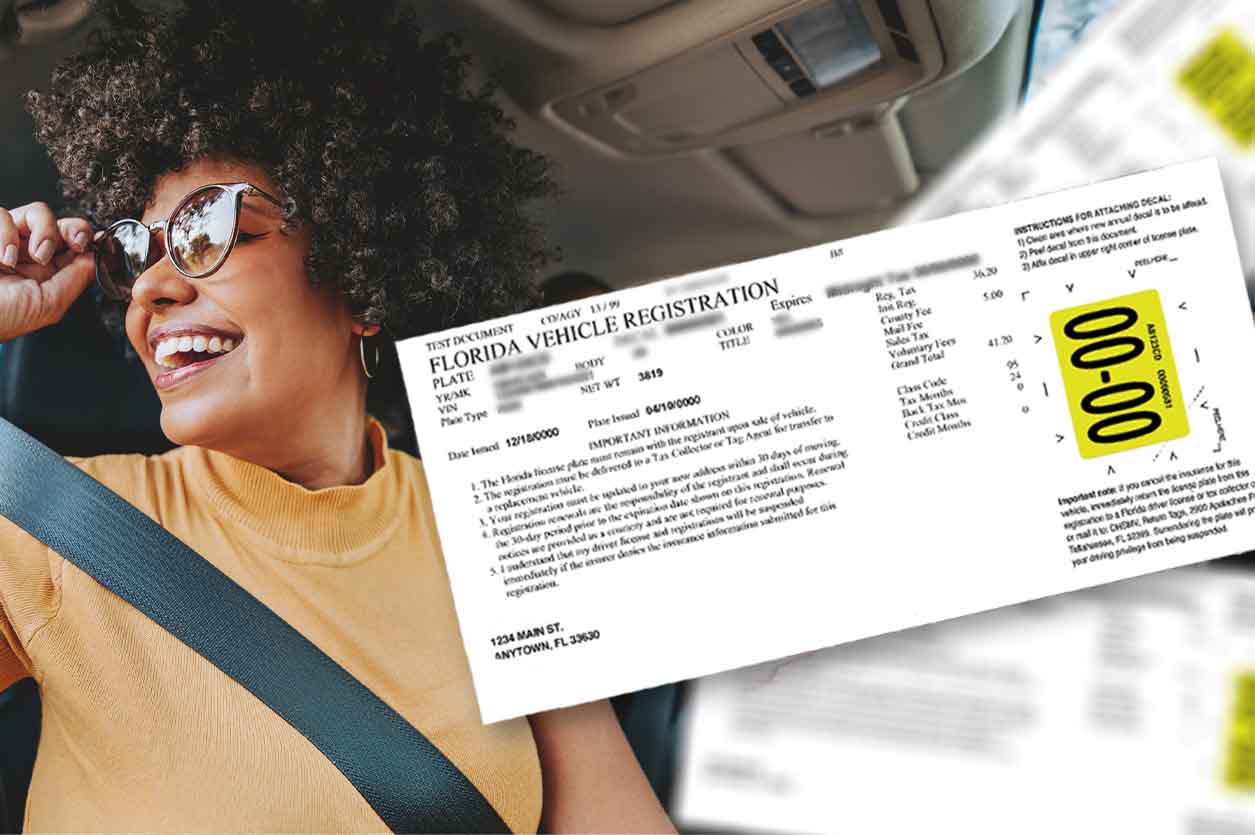
- Print Your Receipt and New Decal: Once the transaction is complete, you can print your temporary registration receipt. Your new registration decal will be mailed to your address on file within a few business days. You can affix this decal to your license plate as soon as you receive it.
Online renewal is ideal for individuals who are comfortable with technology and prefer to avoid trips to a physical office. It’s also a lifesaver for those with busy schedules or who are traveling and need to renew from afar. Many travelers find this method invaluable when planning extended stays or road trips across Florida.
Renewal by Mail: A Traditional Approach
If you prefer a more traditional method or are unable to renew online, renewing by mail is a viable option. This method requires you to send in the necessary documents and payment to the FLHSMV.
Steps for Renewal by Mail:
- Gather Required Documents: This typically includes your renewal notice, proof of Florida insurance, and a check or money order for the renewal fees.
- Complete the Renewal Form: Fill out any required sections on your renewal notice or any specific forms provided by the FLHSMV for mail-in renewals.
- Include Payment: Make sure your check or money order is made payable to the FLHSMV and includes the correct amount.
- Mail Your Application: Send your completed renewal application, proof of insurance, and payment to the address specified on your renewal notice or the FLHSMV website. It’s advisable to use certified mail for tracking purposes.
Renewal by mail can take longer than online renewal due to processing and mailing times. It’s crucial to send your renewal well in advance of your expiration date to ensure it arrives and is processed on time. This method might be suitable for residents who are out of state for extended periods but still wish to handle their vehicle registration renewal without an in-person visit.
In-Person Renewal: Direct Assistance at Your Service
For those who prefer face-to-face assistance or need to resolve any specific issues with their registration, renewing in person at a local county tax collector’s office or a designated FLHSMV service center is an excellent choice.
Steps for In-Person Renewal:
- Locate a Service Center: Find the nearest county tax collector’s office or FLHSMV service center in your area. Many counties have multiple locations, making it accessible even if you’re visiting a new city like Tampa or planning a trip to a popular attraction near Orlando.
- Bring Required Documents: Arrive with your current registration, proof of Florida insurance, your driver’s license, and the renewal notice if you have it. Be prepared to provide your odometer reading.
- Complete Paperwork and Pay Fees: A customer service representative will assist you with the renewal process. You will complete any necessary forms and pay the applicable fees. Various payment methods are usually accepted.
- Receive Your Decal Immediately: Upon successful completion of the renewal, you will typically receive your new registration decal immediately.
In-person renewal is beneficial if you have questions about your registration, need to update your address, or encounter any complications. It offers immediate resolution and the assurance of having your renewal processed on the spot. This is particularly useful for those who might be residing temporarily in Florida or have recently moved and need to ensure all their documentation is in order before exploring the state’s diverse attractions.
Special Considerations and Tips for a Smooth Renewal
Beyond the standard renewal procedures, a few extra tips and considerations can ensure your Florida vehicle registration renewal process is as smooth and hassle-free as possible, allowing you to focus on enjoying your travels, whether it’s a luxury stay at a resort in Key West or a budget-friendly exploration of Florida’s natural parks.
Keeping Your Information Updated
Your mailing address is crucial for receiving renewal notices and your new registration decal. If you move within Florida or change your address for any reason, update your information with the FLHSMV as soon as possible. This can usually be done online, by mail, or in person. Failing to update your address could mean missing vital notifications, leading to an expired registration and potential fines. This is especially important for individuals who frequently move between different accommodations, from apartments to villas, while enjoying the diverse lifestyle offerings of Florida.
Understanding Renewal Fees
The cost of renewing your Florida vehicle registration varies depending on several factors, including:
- Vehicle Type: Fees differ for passenger cars, trucks, motorcycles, and other vehicle types.
- County: Each county in Florida may have slightly different administrative fees or surcharges.
- Specialty Plates: If you have a specialty license plate, there might be additional fees associated with it.
- Weight and/or Age of Vehicle: In some cases, vehicle weight or age can influence fees.
Your renewal notice will provide a breakdown of the fees. If you renew online or in person, the total amount due will be clearly displayed before you make your payment.
What to Do If You Don’t Receive Your Renewal Notice
It’s possible to renew your Florida vehicle registration even if you haven’t received your renewal notice. You can typically renew using your license plate number and title number, or if you know your renewal identification number, through the FLHSMV’s online portal. If you are unsure of these details or need further assistance, contacting your local county tax collector’s office or the FLHSMV directly is recommended. They can help you retrieve the necessary information to proceed with your renewal, ensuring you can continue your travels and explore iconic landmarks across the state without interruption.
Traveling and Renewal
For those who travel frequently within Florida or to destinations beyond, keeping your vehicle registration current is essential. If your renewal date falls while you are away from home, consider utilizing the online renewal option. This allows you to manage your responsibilities remotely, whether you’re enjoying the vibrant nightlife of Miami, exploring the historic architecture of St. Augustine, or embarking on a family trip to a theme park in Orlando. A valid registration ensures that any spontaneous road trips or planned excursions across Florida’s diverse attractions, from its beautiful beaches to its lush natural landscapes, are undertaken legally and without concern.
By understanding these methods and tips, Florida residents can ensure their vehicle registration is always up-to-date, allowing them to enjoy the freedom of the open road and all the amazing experiences Florida has to offer, from luxurious resorts to charming local eateries.
LifeOutOfTheBox is a participant in the Amazon Services LLC Associates Program, an affiliate advertising program designed to provide a means for sites to earn advertising fees by advertising and linking to Amazon.com. Amazon, the Amazon logo, AmazonSupply, and the AmazonSupply logo are trademarks of Amazon.com, Inc. or its affiliates. As an Amazon Associate we earn affiliate commissions from qualifying purchases.