
Navigating the process of renewing your Texas drivers license might seem like another bureaucratic hurdle, but with a clear understanding of the steps involved, it can be a surprisingly straightforward experience. This guide aims to demystify the renewal process, ensuring you can continue to legally operate your vehicle and enjoy the freedom of the open road, whether you’re embarking on a cross-country adventure or simply exploring the diverse landscapes of Texas. Understanding the requirements and options available will save you time and potential stress.
Understanding Your Texas Drivers License Renewal Options
The Texas Department of Public Safety (DPS) offers several convenient methods for renewing your drivers license, catering to different preferences and circumstances. The most common options include renewing online, by mail, or in person. Each method has its own set of requirements and timelines, so it’s crucial to determine which best suits your needs.

Online Renewal: The Quickest and Most Convenient Path
For many Texas residents, the online renewal process is the most efficient way to update their drivers license. This option is ideal for those who meet specific eligibility criteria and prefer the convenience of completing the task from the comfort of their home or while on the go, perhaps during a break from exploring the vibrant culture of Austin or planning your next resort stay in San Antonio.
To renew online, you generally need to meet the following conditions:
- Your current Texas drivers license is still valid or expired less than two years ago. This ensures you’re not attempting to renew a significantly lapsed license, which might require a different process.
- You are at least 18 years old. Minors have different licensing and renewal requirements.
- You have a valid Social Security number. This is a standard requirement for all official identification in the United States.
- You have not changed your name since your last renewal, or if you have, you have already updated your name with the Social Security Administration and the Texas DPS. This is critical for ensuring your identity documents align.
- You do not have any holds or warrants on your drivers license. Any outstanding legal issues will prevent renewal through most methods.
- You have not previously renewed by mail or online in the last two renewal cycles. The DPS limits consecutive online or mail renewals to ensure in-person verification when necessary.
- You are not a non-U.S. citizen. Specific procedures apply to non-U.S. citizens.
- You do not need to have your photograph or thumbprint taken at this time. This typically happens during a renewal cycle that requires an in-person visit.
- You have a verifiable Texas address. This is where your renewed license will be mailed.
If you meet these criteria, the online renewal process is typically initiated through the Texas DPS website. You will need to provide your drivers license number, date of birth, and other identifying information. A convenience fee is usually associated with online renewals, in addition to the standard renewal fee. Once your information is verified and payment is processed, your new license will be mailed to your address on file, often arriving within a few weeks. This makes it easy to keep your credentials up-to-date without disrupting your travel plans, whether you’re planning a luxurious escape to a resort in Marfa or a budget-friendly family trip to the Texas Hill Country.
Renewal by Mail: An Option for Specific Circumstances
While less common and often requiring specific eligibility, renewing your drivers license by mail is an alternative for certain individuals. This method is typically reserved for those who are temporarily out of state for extended periods or have specific medical conditions that prevent them from visiting a Texas driver license office. It’s a good option if you’re currently enjoying a long-term stay in a villa in Cancun or exploring the historical landmarks of Mexico City and your license is due for renewal.
Eligibility for mail renewal is more restrictive than online renewal. You may be eligible if:
- You are an active duty military member stationed outside of Texas, or the spouse or dependent of an active duty military member. This is a significant accommodation for those serving the country.
- You are a Texas resident living outside of the United States. This allows Texans abroad to maintain their driving privileges.
- You have a medical condition that prevents you from visiting a driver license office. This requires documentation from a physician.
To renew by mail, you will need to obtain a renewal packet from the Texas DPS. This packet typically includes an application form, instructions, and information on payment methods. You will need to provide proof of your eligibility (e.g., military orders, doctor’s note) along with the completed application and the required fees. The processing time for mail renewals can be longer than online renewals, so it’s advisable to start the process well in advance of your license’s expiration date. This method ensures you can maintain your legal right to drive, even when you’re away from Texas, whether you’re on an extended business stay in New York City or exploring the attractions of Europe.
In-Person Renewal: For When Other Options Aren’t Available
Visiting a Texas driver license office in person is the most traditional method of renewal and is required for individuals who do not meet the eligibility criteria for online or mail renewal. This includes situations where you need to update your photograph, change your name or address, or if your license has been expired for an extended period. This might be necessary after returning from a long vacation exploring the natural wonders of Banff National Park or the architectural marvels of Rome.
When you visit a Texas driver license office, be prepared to:
- Bring all required documents. This typically includes your current drivers license, proof of identity (e.g., passport, birth certificate), proof of Texas residency (e.g., utility bill, lease agreement), and your Social Security card. If you are renewing because of a name change, you will need official documentation of the name change, such as a marriage certificate or court order.
- Complete the renewal application form. You can often download this form from the Texas DPS website beforehand to save time.
- Have your photograph taken. A new photograph is usually required every other renewal cycle.
- Provide a thumbprint. This is a standard security measure.
- Pass any necessary vision or knowledge tests. Depending on your age and driving history, you may be required to take these tests. For example, individuals 79 years of age or older must pass a vision test every renewal.
- Pay the required renewal fees. Fees can vary based on the type of license and any additional services.
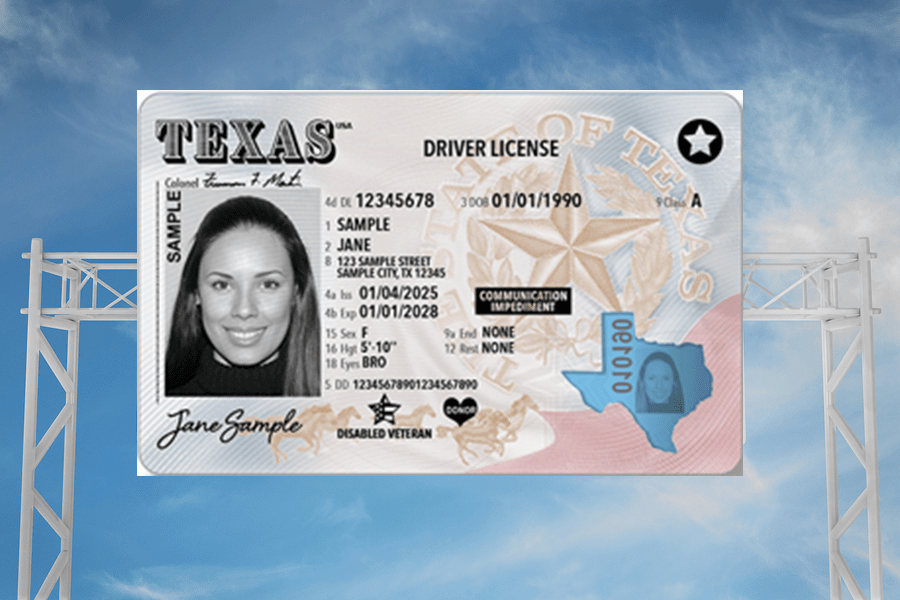
It is highly recommended to schedule an appointment online through the Texas DPS website to minimize your waiting time at the driver license office. Many offices, especially in larger cities like Houston or Dallas, can be quite busy. Having your appointment secured will allow you to efficiently complete the renewal process and get back to your daily activities or travel plans, whether you’re heading to a local attraction or planning your next budget travel adventure.
Key Information and Requirements for Renewal
Regardless of the renewal method you choose, there are several overarching requirements and pieces of information you’ll need to be aware of to ensure a smooth process. Understanding these will prevent any last-minute surprises and help you plan effectively, whether you’re preparing for a business stay or a family trip.
Understanding Your Drivers License Expiration and Grace Periods
Your Texas drivers license is typically valid for eight years for drivers under 79 years of age. It’s crucial to be aware of your expiration date to avoid driving with an expired license, which can lead to fines and penalties. The Texas DPS generally sends out renewal notices by mail or email a few weeks before your license expires, but it is your responsibility to ensure you renew on time. While there might be a short grace period for renewal, it’s best not to rely on it. An expired license can affect your ability to rent a car, book a hotel under certain conditions, or even pass through security checkpoints. Planning your renewal around upcoming travel plans, such as a visit to the Alamo or a resort in Galveston, is always a wise approach.
Fees Associated with Drivers License Renewal
The cost of renewing your Texas drivers license varies depending on the type of license (e.g., Class A, B, C, or Commercial Driver License – CDL) and any additional endorsements or special requirements. As of recent updates, standard renewal fees are typically around $33 for a standard driver license, but it’s always best to check the official Texas DPS website for the most current fee schedule. Additional fees might apply for online renewals (convenience fee), late renewals, or for services like changing your address or name. Keeping your payment methods readily available, whether credit card for online renewals or cash/check for in-person visits, will expedite the process.
Documentation Needed for In-Person Renewals
For those renewing in person, the required documentation is critical. You will need:
- Proof of Identity: This can include an original or certified copy of your birth certificate, a U.S. passport, or a Certificate of Citizenship.
- Proof of Social Security Number: Your Social Security card is ideal.
- Proof of Texas Residency: Two documents are typically required, such as a utility bill, bank statement, rental agreement, or pay stub, all showing your Texas address.
- Your Current Texas Drivers License: Even if expired, it serves as identification.
- Any Applicable Legal Documents: If you have changed your name, you will need official documentation like a marriage certificate or court order.
Gathering these documents in advance will significantly speed up your visit to the driver license office, allowing you more time to plan your next luxury travel experience or a family outing to a local landmark.
Maintaining Your Driving Privileges: Beyond Just Renewal
Renewing your drivers license is a vital part of maintaining your legal ability to drive, but it’s also part of a broader commitment to responsible driving and preparedness. This extends to understanding the rules of the road, keeping your vehicle in good condition, and being aware of any changes in Texas driving laws.
Staying Informed About Texas Driving Laws and Regulations
Texas driving laws can evolve, and it’s essential to stay informed about any updates or changes that might affect your driving. This includes information on speed limits, traffic regulations, and specific laws related to different types of vehicles or driving conditions. The Texas DPS website is an excellent resource for up-to-date information on traffic laws and safe driving practices. Being a knowledgeable driver not only ensures your safety and the safety of others but also helps you avoid citations that could complicate your license renewal process, such as those that might require attending a defensive driving course.
The Importance of Safe Driving Habits
Safe driving is paramount, not just for avoiding issues with your drivers license but for your overall well-being and that of your community. This involves driving defensively, avoiding distractions like mobile phones (especially with Texas‘s hands-free law), obeying traffic signals, and never driving under the influence of alcohol or drugs. Practicing safe driving habits contributes to a lower risk of accidents, fewer traffic violations, and a cleaner driving record, all of which indirectly support a hassle-free license renewal process. This commitment to safety allows you to fully enjoy your travels, whether it’s a road trip to explore the natural beauty of Big Bend National Park or a scenic drive through the Texas Hill Country.
What to Do If Your License is Suspended or Revoked
If your Texas drivers license has been suspended or revoked, the renewal process is significantly different and more complex. You will need to address the underlying reasons for the suspension or revocation before you can become eligible for renewal. This often involves fulfilling specific requirements set by the Texas DPS, such as paying reinstatement fees, completing required courses (like a driving awareness program), or resolving any outstanding legal matters. The DPS website provides detailed information on the steps required to reinstate a suspended or revoked license. It’s a situation that requires patience and adherence to the legal procedures to regain your driving privileges and continue enjoying the freedom of travel, whether it’s exploring the attractions of South Padre Island or planning a business stay in Fort Worth.
LifeOutOfTheBox is a participant in the Amazon Services LLC Associates Program, an affiliate advertising program designed to provide a means for sites to earn advertising fees by advertising and linking to Amazon.com. Amazon, the Amazon logo, AmazonSupply, and the AmazonSupply logo are trademarks of Amazon.com, Inc. or its affiliates. As an Amazon Associate we earn affiliate commissions from qualifying purchases.