
Navigating the administrative tasks of car ownership in the Lone Star State, particularly renewing your vehicle registration, can feel like a journey in itself. However, with a clear understanding of the process, it transforms from a daunting chore into a straightforward, manageable task. Whether you’re a long-time resident of Texas or a newcomer, this guide will equip you with the essential information to ensure your vehicle remains legally registered and ready for your next adventure, be it a road trip to the Big Bend National Park or a quick commute to your favorite local eatery.
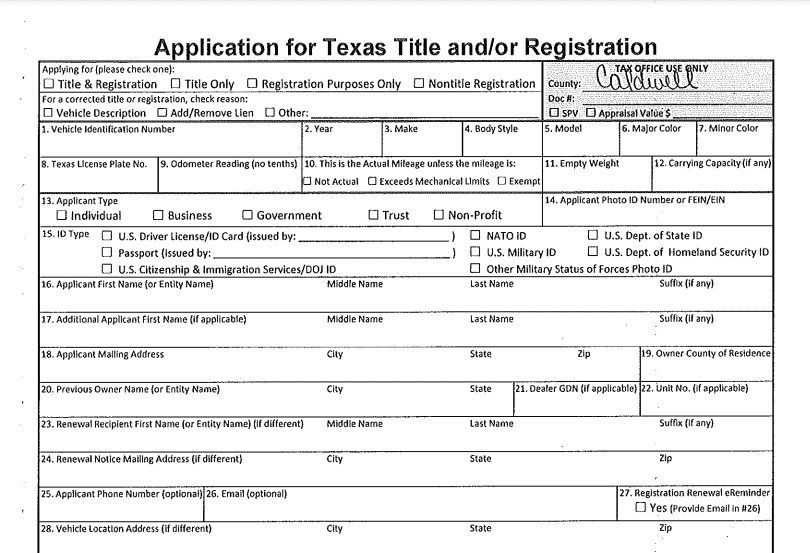
Renewing your vehicle registration in Texas is primarily managed by the Texas Department of Motor Vehicles (TxDMV). The process is designed to be accessible, offering several convenient methods to complete the renewal. Understanding the prerequisites, the different avenues available, and potential pitfalls will ensure a smooth experience, leaving you more time to plan your next getaway, perhaps to the historic streets of San Antonio or the vibrant music scene of Austin.
Understanding the Renewal Requirements
Before embarking on the renewal journey, it’s crucial to understand what you’ll need. The primary requirement for renewing your vehicle registration in Texas is a successful Vehicle Inspection. This inspection verifies that your vehicle meets the state’s safety and emissions standards. For most vehicles, a safety inspection is sufficient. However, in certain highly populated counties within Texas, such as those in the Houston metropolitan area or near Dallas, an emissions test is also mandatory as part of the “Two Steps, One Sticker” program.
The “Two Steps, One Sticker” Program
The “Two Steps, One Sticker” program, implemented in 2015, streamlined the inspection and registration process. In participating counties, you must first pass your vehicle inspection. Once your inspection is complete and recorded electronically by the certified inspection station, you can then proceed to renew your vehicle registration. The inspection station will provide you with a Vehicle Inspection Report (VIR), which you should keep for your records, although it’s not typically required for renewal if the inspection has been electronically transmitted.
It is imperative to ensure that your inspection is performed by a Texas Department of Public Safety (DPS)-certified inspection station. You can find a list of these stations on the official TxDMV website. The inspection station will electronically submit your inspection results to the state. You will not receive a new inspection sticker on your windshield; instead, the sticker signifying a passed inspection is now digitally linked to your vehicle’s Vehicle Identification Number (VIN).
Insurance Requirements
In addition to a valid inspection, proof of Texas liability insurance is a mandatory requirement for vehicle registration renewal. Your insurance policy must meet the state’s minimum coverage limits. The TxDMV will verify your insurance electronically. It’s your responsibility to ensure your insurance policy is active and meets the legal requirements before attempting to renew your registration. Failure to provide proof of insurance can result in a denial of your renewal.
Vehicle Information
You will also need basic information about your vehicle, including its license plate number and VIN. Your renewal notice, if you receive one, will typically contain this information. If you’ve misplaced your renewal notice or haven’t received one, you can still proceed with the renewal as long as you have your license plate number and VIN readily available.
Methods for Renewing Your Vehicle Registration
The TxDMV offers multiple convenient ways to renew your vehicle registration, catering to different preferences and accessibility needs. Understanding these options can help you choose the most efficient method for your situation, whether you prefer the ease of online transactions or the personal touch of an in-person visit.
Online Renewal
Renewing your vehicle registration online is often the quickest and most convenient method. The official TxDMV website provides a secure portal for online renewals. To use this service, you will typically need:
- Your license plate number
- Your VIN
- Your credit card or debit card for payment
The online system will automatically check if your vehicle has passed its required inspection and if your insurance information is up-to-date. If all requirements are met, you can complete the transaction online. Once your renewal is processed, your new registration certificate and sticker will be mailed to the address on file within a few weeks. It is advisable to renew at least a few weeks before your current registration expires to ensure you receive your new materials in time.
Some counties also offer their own online renewal portals, which may be linked from the TxDMV website. These county-specific sites can sometimes offer additional features or integration with local services.
Renewal by Mail
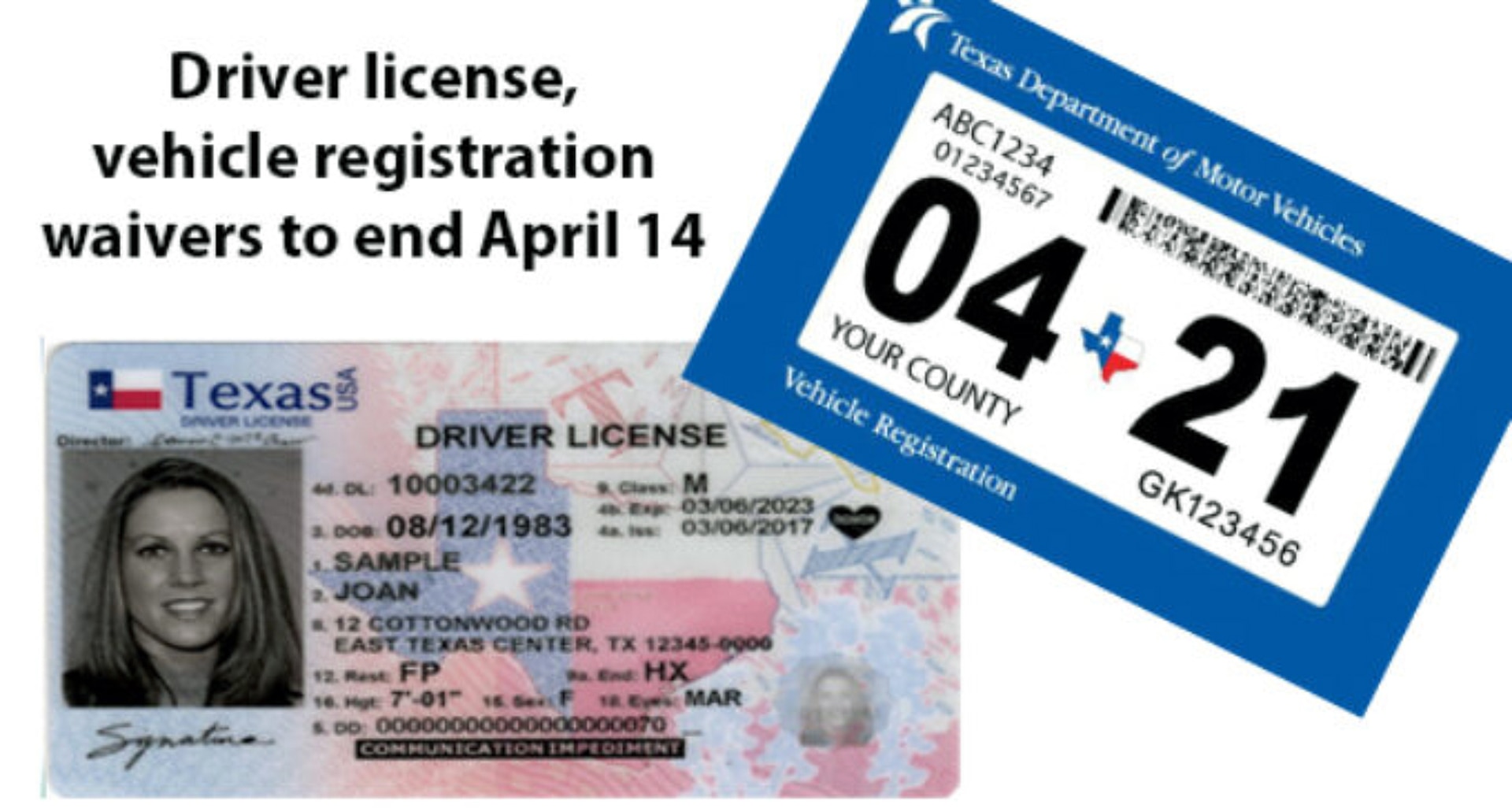
For those who prefer to handle their renewals through traditional mail, this option is also available. You will typically receive a renewal notice in the mail several weeks before your registration expires. This notice will include instructions on how to renew by mail, along with a payment envelope.
To renew by mail, you will need to:
- Complete the renewal form provided on the notice.
- Include a check or money order for the renewal fee, payable to the TxDMV or your county tax assessor-collector’s office, as indicated on the notice.
- Mail the completed form and payment to the address specified on the renewal notice.
Again, ensure that your vehicle has passed its inspection and that your insurance is current. If you don’t receive a renewal notice, you can download a renewal form from the TxDMV website or contact your local county tax assessor-collector’s office. Similar to online renewals, allow ample time for your mailed renewal to be processed and for your new registration materials to arrive.
In-Person Renewal
If you prefer face-to-face service or encounter issues with online or mail-in renewals, you can always renew your registration in person. The most common locations for in-person renewals are county tax assessor-collector’s offices. These offices are equipped to handle all aspects of vehicle registration, including initial registration, renewals, and title transfers.
When visiting a tax assessor-collector’s office, be prepared to provide:
- Your current registration certificate or renewal notice.
- Proof of inspection (though it should be electronically verified).
- Proof of insurance.
- A valid form of payment (cash, check, money order, and often credit/debit cards).
It is a good idea to check the operating hours and specific requirements of your local tax assessor-collector’s office before your visit, as some may have specific days for certain services or may require appointments. Some auto inspection stations that are part of the “Two Steps, One Sticker” program are also authorized to process renewals on-site, which can be a very convenient option if your inspection is completed at such a location.
Important Considerations and Tips
To ensure a seamless renewal process and avoid any last-minute complications, keeping a few key points in mind can be incredibly beneficial. These tips can save you time, money, and unnecessary stress, allowing you to focus on enjoying your travels across Texas, perhaps exploring the beautiful beaches of Galveston or the vast ranches in West Texas.
Renew Before Expiration
The most crucial piece of advice is to renew your vehicle registration before it expires. The expiration date is typically the last day of your birth month. Driving with an expired registration is a traffic violation that can result in fines and penalties. While Texas offers a grace period in some circumstances, it’s best not to rely on it. Proactive renewal ensures you remain compliant with state laws and can continue to drive your vehicle legally without interruption.
Keep Your Information Updated
Ensure that your mailing address and other contact information on file with the TxDMV are current. This is vital for receiving your renewal notices and your new registration documents promptly. If you’ve recently moved, be sure to update your address with the department. You can usually do this online through the TxDMV website or by visiting your local county tax assessor-collector’s office.
Understand the Fees
Vehicle registration renewal fees vary depending on the type of vehicle, its age, and its weight. The renewal notice will clearly outline the specific fees for your vehicle. Be aware that there may also be additional administrative fees, such as those for the vehicle inspection program. Online and mail-in renewals may have slight variations in fees due to processing charges. Always confirm the total amount due before submitting your payment.
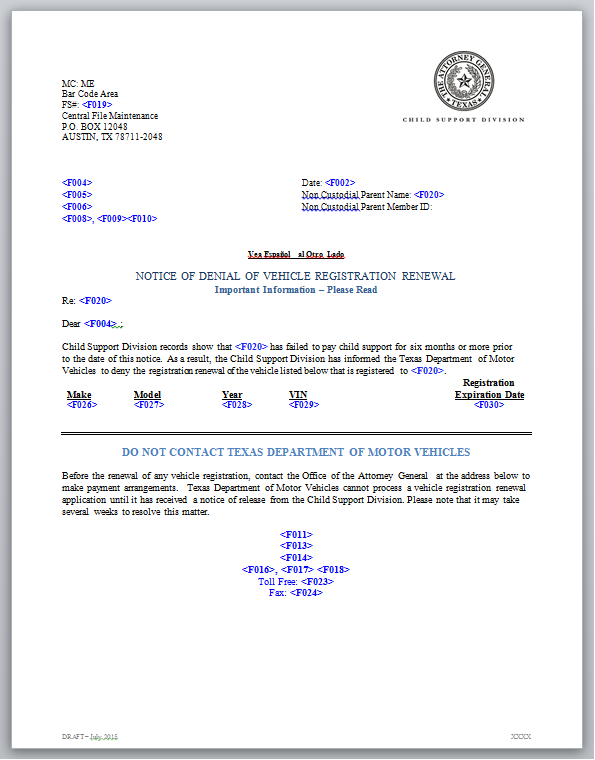
What to Do If Your Registration is Lost
If you lose your registration certificate or sticker, you can obtain duplicates. You will need to contact your local county tax assessor-collector’s office to request replacements. There will likely be a small fee associated with issuing duplicate documents. It’s important to have a valid registration certificate readily available in your vehicle for inspection by law enforcement.
By familiarizing yourself with these guidelines and approaching the renewal process with a bit of foresight, you can ensure your Texas vehicle registration is always up-to-date, allowing you to freely explore all the wonders the state has to offer, from the cultural riches of El Paso to the natural beauty of the Texas Hill Country.
LifeOutOfTheBox is a participant in the Amazon Services LLC Associates Program, an affiliate advertising program designed to provide a means for sites to earn advertising fees by advertising and linking to Amazon.com. Amazon, the Amazon logo, AmazonSupply, and the AmazonSupply logo are trademarks of Amazon.com, Inc. or its affiliates. As an Amazon Associate we earn affiliate commissions from qualifying purchases.