
Losing your driver’s license can be a stressful experience, especially when you’re far from home or planning a significant trip. For residents and visitors alike in the vast state of Texas, a valid driver’s license is more than just a piece of plastic; it’s a vital identification document, a gateway to exploring the state’s expansive landscapes, and often a requirement for everyday activities like renting a car, checking into hotels, or even boarding a domestic flight. Whether you’re a long-time resident of Dallas, a new arrival in Houston, or simply enjoying the vibrant culture of Austin or the historical richness of San Antonio, understanding the process of replacing a lost driver’s license in Texas is essential for maintaining your mobility and peace of mind.
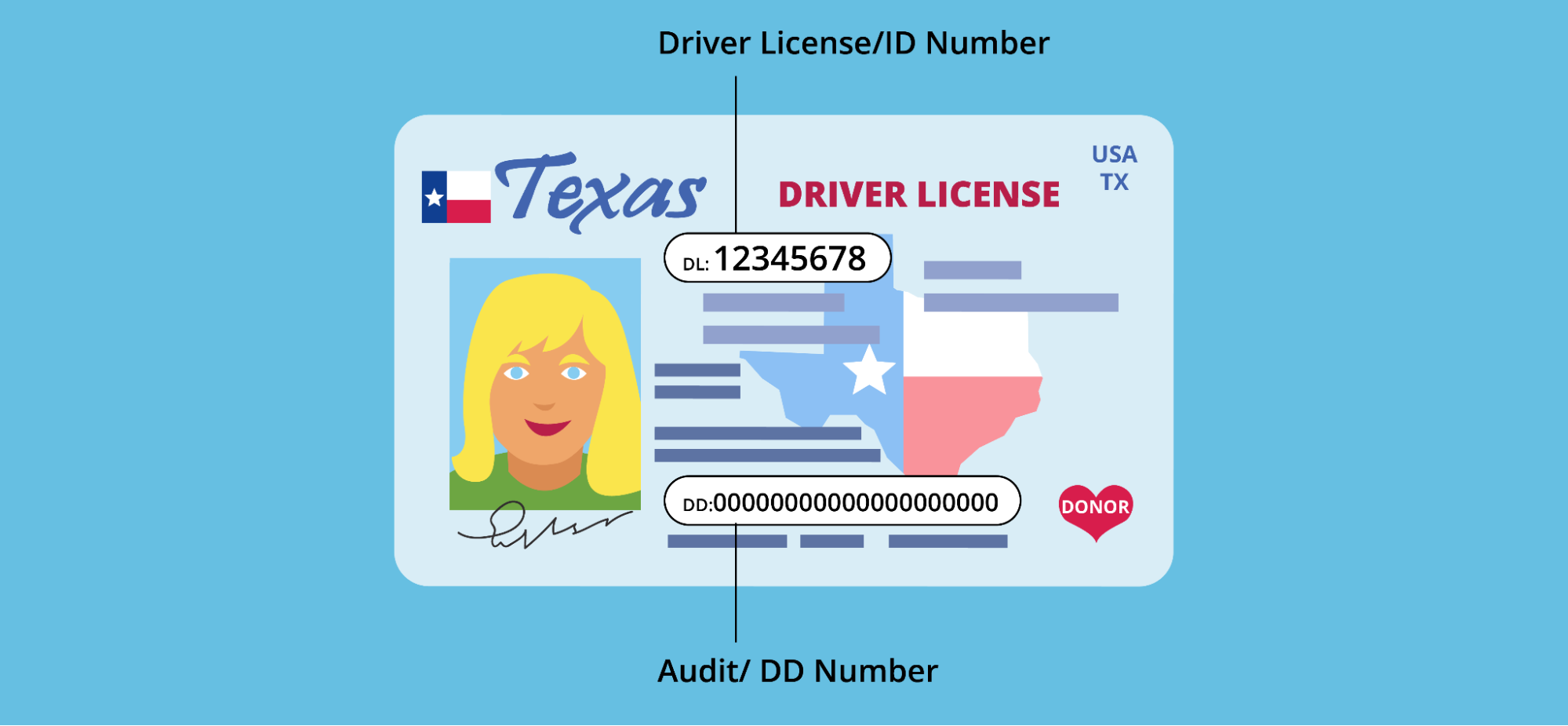
This comprehensive guide aims to simplify the replacement process, ensuring that whether you’re dealing with this issue while planning your next Texas road trip or managing daily life, you have all the necessary information at your fingertips. We’ll delve into the immediate actions you should take, walk through the official replacement procedures, and offer crucial advice for travelers and new residents navigating this unexpected hurdle. Replacing your lost license promptly is key to preventing identity theft and ensuring your ability to travel and conduct business without disruption.
Immediate Steps When Your Driver’s License Goes Missing
The moment you realize your driver’s license is gone can induce a rush of panic, but taking immediate, structured steps can mitigate potential risks and set you on the quickest path to replacement. Your first priority should be to secure your identity and then to prepare for the official replacement process.
Securing Your Identity and Reporting the Loss
Upon discovering your license is lost or stolen, it’s crucial to act swiftly to protect your personal information. A lost driver’s license can be a tool for identity theft, so minimizing this risk is paramount.
- Search Thoroughly: Before assuming it’s lost for good, retrace your steps. Check every bag, pocket, and common place where you might have left it. Sometimes, it’s merely misplaced.
- Report to Local Police (if stolen): If you suspect your license was stolen rather than simply lost, file a police report with the local law enforcement agency. While not always mandatory for replacement, a police report can be beneficial in several ways. It provides an official record of the theft, which can be useful if your identity is compromised later. It also offers a layer of protection and can sometimes expedite certain processes with financial institutions or other agencies if fraudulent activity occurs. Be sure to get a copy of the report for your records.
- Monitor Financial Accounts: Even if you don’t suspect theft, it’s wise to keep a close eye on your bank accounts and credit card statements for any unusual activity. Your driver’s license contains personal details that could potentially be used to open fraudulent accounts. Consider placing a fraud alert on your credit file with the major credit bureaus (Experian, Equifax, TransUnion) as an added precaution.
- Inform Travel Companions/Family: If you’re traveling, inform anyone you’re with. They might have seen it or can help you remember where you last had it.
Gathering Essential Documents for Replacement
To replace your lost Texas driver’s license, you’ll need to provide specific documentation to verify your identity and residency. Starting this collection process immediately can save you valuable time.
- Proof of Identity: This is the most critical component. Acceptable documents often include a valid Passport or U.S. Citizenship and Immigration Services document, a Birth Certificate (original or certified copy), or other state-issued identification cards. If your license was your primary form of ID, a Passport is an excellent alternative.
- Proof of Social Security Number: Your Social Security card or a W-2 form with your full name and SSN are commonly accepted.
- Proof of Texas Residency: You’ll need two documents to prove your current residential address in Texas. Examples include a current utility bill (electricity, water, gas, internet), a bank statement, a current rental lease agreement, or a valid vehicle registration or title. These documents must show your name and current Texas residential address.
- Proof of Lawful Presence: For non-United States citizens, documentation proving lawful presence is required. This could include a valid foreign Passport with a visa, an I-94 record, or an Employment Authorization Document (EAD).
Having these documents ready will significantly streamline your replacement application, whether you choose to complete it online, by mail, or in person. It’s always a good practice to keep digital copies of these important documents stored securely, separate from physical copies, to assist in situations like these.
Navigating the Replacement Process in Texas
Once you’ve secured your identity and gathered your necessary documents, the next step is to officially apply for a replacement driver’s license. The Texas Department of Public Safety (DPS) is the agency responsible for issuing driver’s licenses, and they offer several avenues for replacement, each with its own advantages and requirements.
Online, Mail, and In-Person Options
The Texas DPS provides flexibility in how you can replace your lost license, catering to different circumstances.
- Online Replacement: This is often the quickest and most convenient method, ideal if you’re eligible. To replace your license online, you typically need to:
- Be a United States citizen or a permanent resident.
- Have your previous license photo on file (meaning your last renewal was in person).
- Not have changed your address or name since your last license was issued.
- Be at least 18 years old and under 79 years old.
- Not have a commercial driver’s license.
- Have a clean driving record (no active suspensions, revocations, or serious offenses).
- The Texas DPS website (lifeoutofthebox.com/texas-department-of-public-safety-dps) will guide you through the process, which usually involves verifying your identity and paying the replacement fee. A temporary paper license can often be printed immediately, valid for 60 days, while your new card is mailed to you. This is crucial for maintaining legal driving privileges and for use as temporary identification.
- Mail Replacement: If you’re out of state or country and don’t meet the online eligibility criteria, replacing your license by mail might be an option. This usually requires downloading and completing the appropriate application form from the Texas DPS website, enclosing copies of your required documents (never originals!), and a check or money order for the fee. The mail option tends to be slower, making it less ideal if you have immediate travel plans or need quick identification. Be sure to check the specific requirements for out-of-state mail-in applications on the official DPS website.
- In-Person Replacement: For many, especially if you’ve recently moved, need to update your photo, or require a replacement urgently for travel, an in-person visit to a Texas DPS driver’s license office is the most reliable method.
- Schedule an Appointment: It’s highly recommended to schedule an appointment online beforehand to avoid long wait times. The DPS website offers a convenient appointment system.
- Bring All Documents: Arrive with all your gathered identity, residency, and Social Security documents. Having original documents is usually a requirement for in-person transactions.
- Photo and Fingerprints: You will likely have your photo taken and fingerprints scanned as part of the security measures.
- Payment: Be prepared to pay the replacement fee. Most offices accept credit/debit cards, cash, checks, and money orders.
- Temporary License: Upon successful application, you’ll be issued a temporary paper license, valid for driving and typically accepted for domestic travel purposes (along with a secondary form of ID if possible) until your permanent card arrives by mail, usually within 2-3 weeks.
Required Documentation: What to Bring
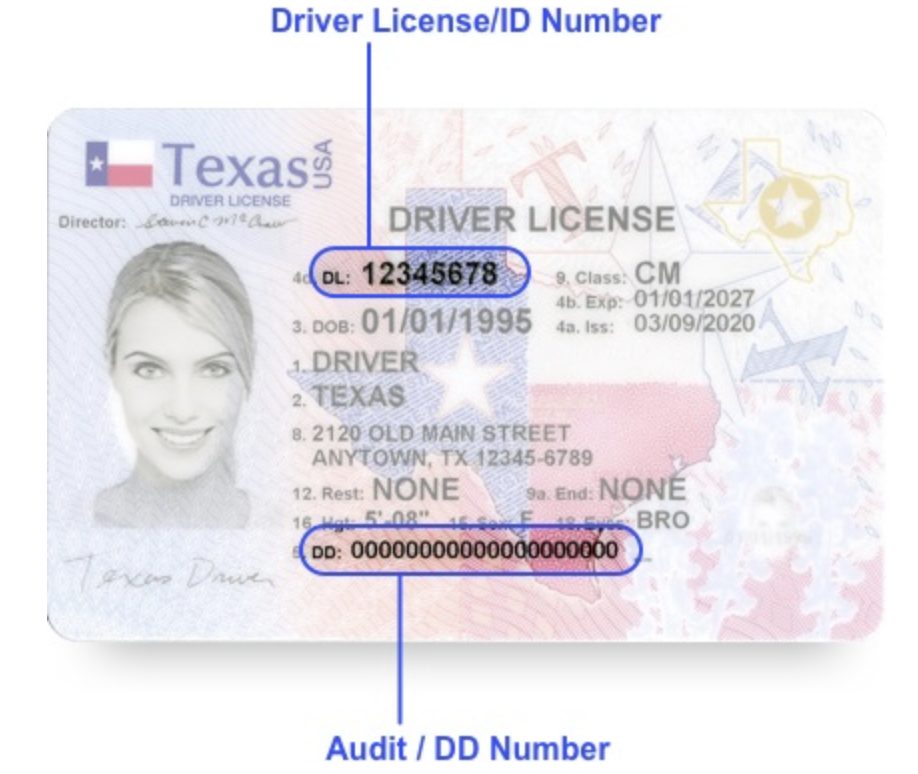
To reiterate and ensure clarity, here’s a checklist of the most commonly required documents for a replacement Texas driver’s license, particularly for in-person applications where originals are often mandated:
- Proof of Identity:
- United States Passport or Passport Card
- Birth Certificate (original or certified copy)
- U.S. Citizenship and Immigration Services (USCIS) documents (e.g., Permanent Resident Card, Employment Authorization Document)
- Texas ID Card
- Proof of Social Security Number (SSN):
- Social Security Card (original)
- W-2 form or Social Security Administration (SSA) statement
- Proof of Texas Residency (two documents):
- Current utility bill (electric, water, gas, internet, cable)
- Current rental agreement or mortgage statement
- Valid vehicle registration or title
- Mail from a government agency
- Bank statement
- Proof of Lawful Presence (for non-United States citizens): Valid foreign Passport with visa, I-94, or other USCIS documentation.
It’s highly advisable to visit the official Texas DPS website or call them directly for the most current and specific requirements, as these can occasionally change or vary based on individual circumstances.
Fees and Temporary Licenses
Replacing a lost Texas driver’s license involves a nominal fee. As of current information, the replacement fee is generally around $11. This fee can be paid online with a credit/debit card or in person with various payment methods.
Once your application is approved, whether online or in person, you will typically receive a temporary paper driver’s license. This temporary license is legally valid for driving within Texas and generally accepted for identification purposes for up to 60 days, or until your permanent card arrives in the mail. For domestic air travel, while a temporary paper license from the DPS is usually accepted by the Transportation Security Administration (TSA) when accompanied by a second form of photo ID (e.g., a credit card with your name and photo, or a school ID), it’s always best to carry a secondary form of government-issued photo ID like a Passport if available. The permanent card will be mailed to your address on file within a few weeks.
Special Considerations for Travelers and New Residents
Losing a driver’s license can complicate travel plans and create additional challenges for those new to Texas or away from home. Understanding these specific scenarios is crucial for a smooth resolution.
If You’re Out of State or Out of the Country
Losing your Texas driver’s license while away from the state can add layers of complexity, especially for international travelers.
- Within the United States but Outside Texas: If you meet the eligibility for online replacement, this is your best bet. You can process the replacement, and the new card will be mailed to your Texas address. If you need it shipped elsewhere (e.g., to a relative’s address), you might need to contact the DPS directly or use the mail-in option, specifying the alternate mailing address.
- Outside the United States: Replacing a license internationally can be more challenging. The online portal might be your only remote option if you qualify. If not, the mail-in option is available, but be prepared for longer processing and mailing times. You’ll need to send your application and documents to the Texas DPS from abroad. It is highly recommended to have a valid Passport when traveling internationally, as it serves as your primary form of identification and citizenship. In the absence of your driver’s license, your Passport becomes your most important travel document.
Impact on Travel Plans: Flights, Car Rentals, and Hotels
A lost driver’s license can significantly disrupt travel, particularly if you rely on it for identification.
- Flights: For domestic flights within the United States, the TSA accepts a range of IDs. While a valid government-issued photo ID like a driver’s license is preferred, they can sometimes accept other forms of identification, especially if you arrive early and are willing to undergo additional screening. A Passport is the gold standard. Other acceptable IDs include military ID, permanent resident card, or even a temporary paper license from the DPS combined with a secondary photo ID. If you have absolutely no photo ID, the TSA may still allow you to fly after identity verification (e.g., by answering questions about your public records) and enhanced screening, but this is not guaranteed and adds considerable stress and time.
- Car Rentals: Renting a car almost universally requires a valid, physical driver’s license. A temporary paper license may be accepted by some rental agencies, especially if it’s accompanied by another form of government photo ID, but policies vary greatly. It is crucial to call the rental company directly to confirm their policy before attempting to pick up a vehicle with a temporary license. Without a valid license, renting a car will likely be impossible.
- Hotels and Accommodation: Most hotels require a valid photo ID upon check-in to verify your identity and age, and to match with the booking name. While a Passport is universally accepted, a temporary paper license from the DPS, especially if accompanied by another form of photo ID or credit card, is generally acceptable. However, policies can vary, particularly for smaller establishments. Always be prepared to present alternative forms of ID.
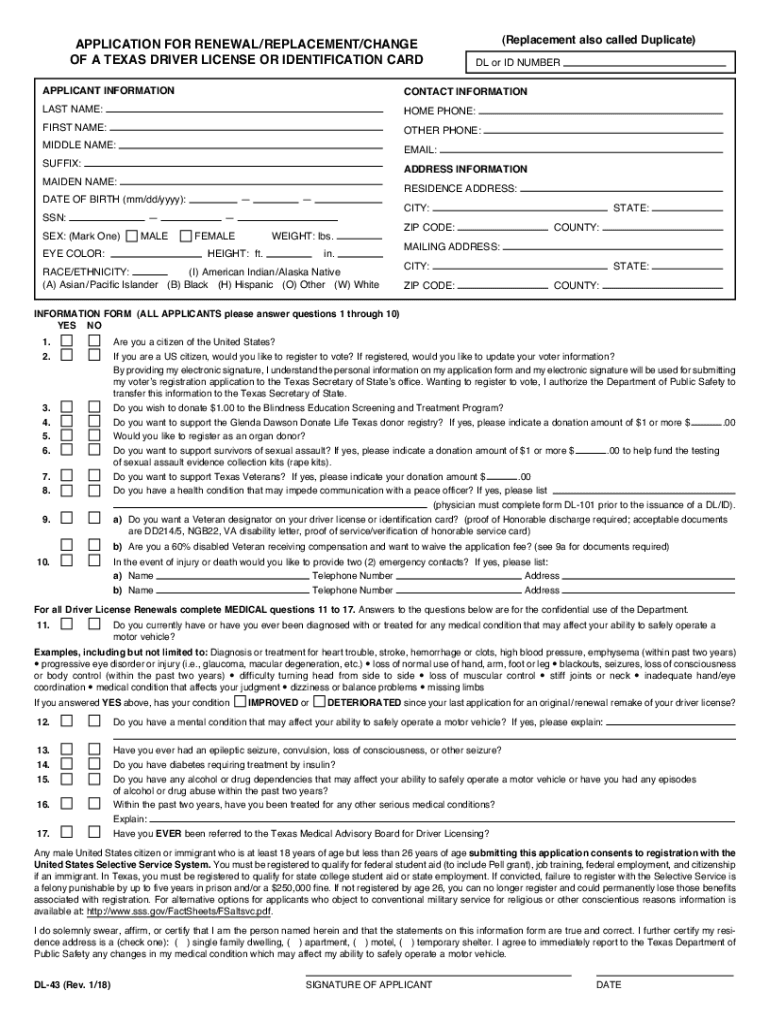
Preparing for Your Next Texas Adventure
To avoid the stress of a lost license in the future, consider these preventative measures, especially important for those with a lifestyle that includes frequent travel or new experiences.
- Carry a Secondary ID: When traveling, always have a secondary form of government-issued photo ID (e.g., a Passport or state ID card if you have one) separate from your driver’s license. This is invaluable in situations where one ID is lost or stolen.
- Digital Copies: Keep clear photographs or scans of your driver’s license, Passport, and other important documents on your phone or in a secure cloud storage service. While not official identification, these can be helpful for recalling information and sometimes assist in the replacement process.
- Minimize What You Carry: Only carry what you need when you’re out exploring. Leave unnecessary cards and documents securely stored at your accommodation.
- Travel Insurance: For extensive trips, consider travel insurance that includes coverage for lost documents. This might not replace the license itself but can cover fees associated with emergency replacements or travel disruptions.
- Know the Rules: Familiarize yourself with the Real ID Act requirements implemented by the Department of Homeland Security (DHS). As of May 7, 2025, a Real ID compliant driver’s license or another acceptable form of ID (like a Passport) will be required for domestic air travel. Ensure your replacement license is Real ID compliant (indicated by a star).
Replacing a lost driver’s license in Texas doesn’t have to derail your plans entirely. By understanding the process, preparing your documents, and taking proactive steps, you can navigate this inconvenience efficiently and get back to enjoying all that Texas has to offer, from its vibrant cities to its stunning natural landmarks and diverse cultural experiences. A valid ID is your key to seamless exploration and peace of mind, making the replacement process a crucial step in your lifestyle, whether at home or abroad.
LifeOutOfTheBox is a participant in the Amazon Services LLC Associates Program, an affiliate advertising program designed to provide a means for sites to earn advertising fees by advertising and linking to Amazon.com. Amazon, the Amazon logo, AmazonSupply, and the AmazonSupply logo are trademarks of Amazon.com, Inc. or its affiliates. As an Amazon Associate we earn affiliate commissions from qualifying purchases.