
Navigating the complexities of civic duty, particularly jury service, can sometimes present challenges for individuals due to pre-existing commitments or unforeseen circumstances. In the state of Nevada, the judicial system relies on the participation of its citizens to ensure a fair and impartial trial process. However, provisions are in place for excusing individuals from this obligation when legitimate reasons exist. This guide aims to provide a comprehensive understanding of how to respectfully and effectively request an excuse from jury duty in Nevada, ensuring you meet the legal requirements while addressing your personal situation.
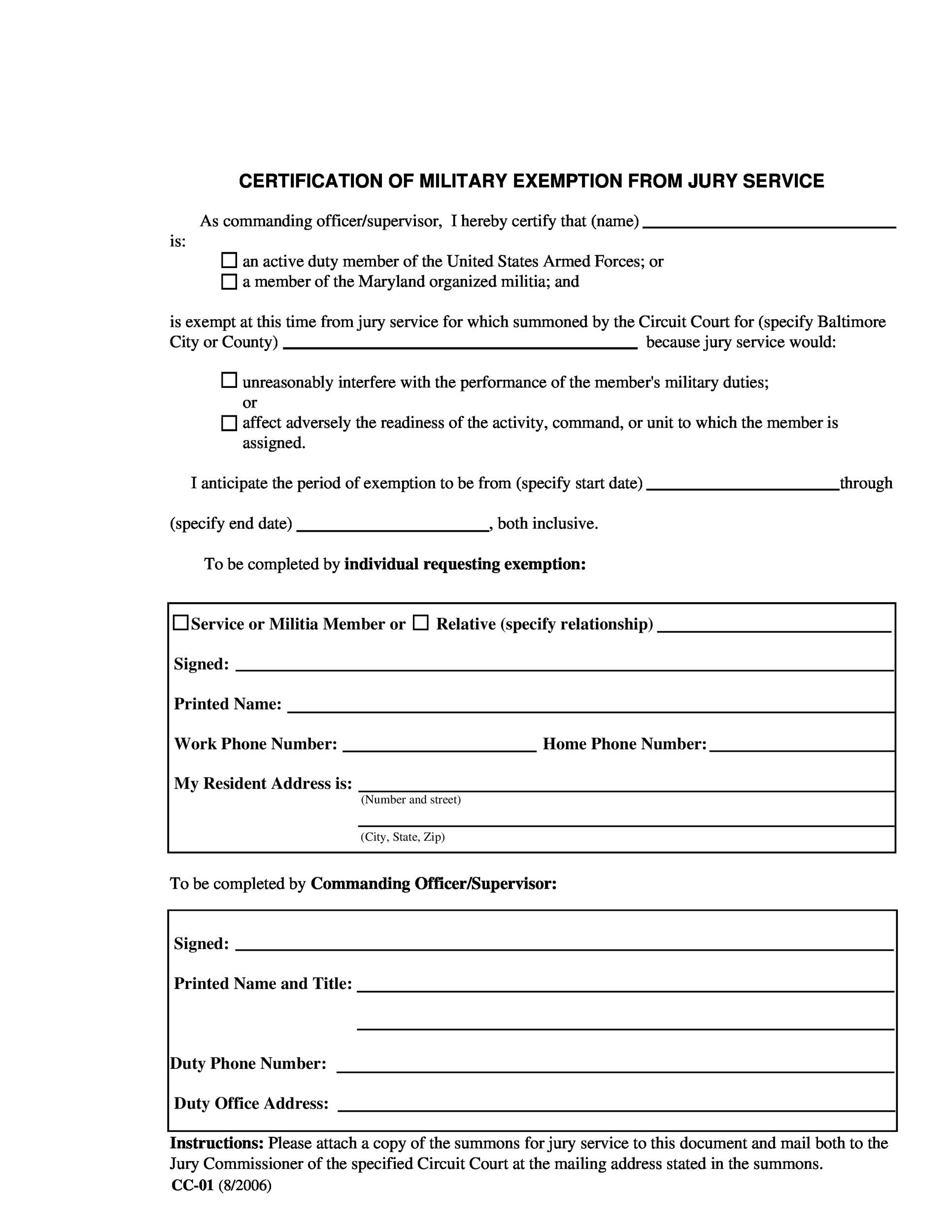
Understanding Your Jury Summons
Receiving a jury summons can be a source of anxiety, especially if you are unsure of the process or your eligibility. It is crucial to read the summons carefully, as it contains vital information regarding the court, the date and time of your appearance, and instructions on how to respond. Nevada statutes outline specific grounds for disqualification or excusal from jury service. Familiarizing yourself with these grounds is the first step in determining if you qualify for an exemption.
Key Information on the Summons
The jury summons is a legal document. It will typically specify:
- Court Information: The name and address of the court to which you are summoned. This could be a state court, such as a District Court or Justice Court, or a federal court.
- Summoning Date and Time: When and where you are expected to appear.
- Summoning Case Number: A reference number for the specific jury pool.
- Contact Information: Phone numbers or websites for the jury commissioner or court clerk.
- Instructions for Response: How to confirm your attendance, request an excuse, or postpone your service.
Grounds for Disqualification and Excusal in Nevada
Nevada Revised Statutes (NRS) Chapter 62 govern jury and trial, and NRS 6.030 outlines the qualifications for jurors. While disqualifications are absolute, excusals are typically granted on a case-by-case basis for specific hardships.
Disqualifications (You are legally ineligible):
- Not a citizen of the United States.
- Under 18 years of age.
- Not a resident of the county where summoned for at least 30 days immediately preceding selection.
- Unable to understand English.
- A convicted felon whose civil rights have not been restored.
- A person who has been diagnosed with a mental illness or defect and has been committed to a mental institution.
Potential Grounds for Excusal (You may be excused under specific circumstances):
-
Undue Hardship: This is the most common reason for requesting an excuse. It typically involves significant financial, medical, or personal hardship.
- Financial Hardship: If serving on a jury would cause substantial financial loss to you or your dependents, preventing you from meeting essential living expenses. This often requires proof, such as lost wages.
- Medical Hardship: If you have a medical condition that would be aggravated by jury service, or if you are the primary caregiver for someone with a serious medical condition. A doctor’s note is usually required.
- Caregiver Responsibilities: Sole responsibility for the care of a child or an incapacitated adult where no reasonable alternative care is available.
- Student Status: While not an automatic excuse, full-time students may request deferral or excusal, especially if service conflicts with academic terms or examinations.
- Public Officials: Certain elected officials may be excused.
- Sole Proprietor: If you are the sole proprietor of a business and your absence would cause irreparable harm to the business.
-
Prior Jury Service: In some jurisdictions, there may be limitations on how often you can be called for jury duty.
It is crucial to remember that simply preferring not to serve or having a busy work schedule are generally not sufficient grounds for an excuse in Nevada. The court emphasizes the importance of community participation.
The Process of Requesting an Excuse
Once you have determined that you have valid grounds for an excuse, the next step is to follow the prescribed procedure for making your request. Timeliness and proper documentation are paramount to a successful outcome.
Responding to the Summons
Most jury summons provide a clear method for responding. This could be:
- Online: Many courts now offer online portals where you can complete a juror questionnaire and submit requests for excuses or deferrals.
- By Mail: The summons may include a pre-addressed envelope for returning a completed questionnaire or a written request.
- By Phone: Some courts allow initial inquiries or requests to be made via phone.
Crucially, always respond to your summons by the deadline indicated. Failure to respond can result in penalties, including fines.
Drafting Your Written Request (If Applicable)
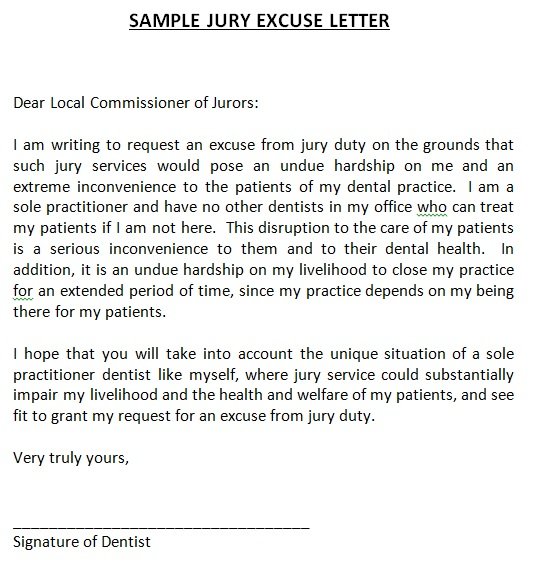
If your summons requires a written request or if you are providing additional documentation, your letter or statement should be clear, concise, and professional.
Elements to Include:
- Your Full Name and Contact Information: Ensure your name, address, phone number, and email address are clearly listed.
- Jury Summons Information: Include your juror identification number, the summoning date, and the court’s name.
- Reason for Requesting Excuse: Clearly and respectfully state the specific reason why you are requesting an excuse, referencing the grounds outlined in the statutes.
- Explanation of Hardship: Elaborate on the hardship. For example, if it’s financial, explain how much income you would lose and whether this loss would significantly impact your ability to provide for your family. If it’s medical, briefly explain the condition and why jury service would be detrimental.
- Supporting Documentation: This is where you attach any evidence to support your claim (e.g., doctor’s note, proof of lost wages, employer’s statement).
- Request for Deferral (If Applicable): If you can serve at a later date, you may request a deferral rather than a full excusal. State your preferred dates or timeframes.
- Professional Closing: Thank the court for its consideration.
Example Phrasing for a Hardship Request:
“I am writing to respectfully request an excusal from jury service summoned for [Date of Service] for the [Name of Court]. I am unable to fulfill this civic duty at this time due to an undue hardship. I am the sole caregiver for my [Relation, e.g., elderly mother] who suffers from [Medical Condition] and requires constant supervision and assistance with daily living activities. [Provide specific details, e.g., ‘My mother is unable to be left unattended for extended periods, and I have no alternative care arrangements available.’] The duration of jury service would prevent me from providing the necessary care. I have attached a letter from my mother’s physician, Dr. [Doctor’s Name], detailing her condition and care requirements.”
Submitting Supporting Documentation
The quality and relevance of your supporting documentation can significantly influence the court’s decision.
- Medical Professionals: If your request is based on a medical condition, obtain a letter from your physician or the physician of the person you are caring for. This letter should clearly state the medical necessity and how jury service would interfere. It should be on official letterhead and signed.
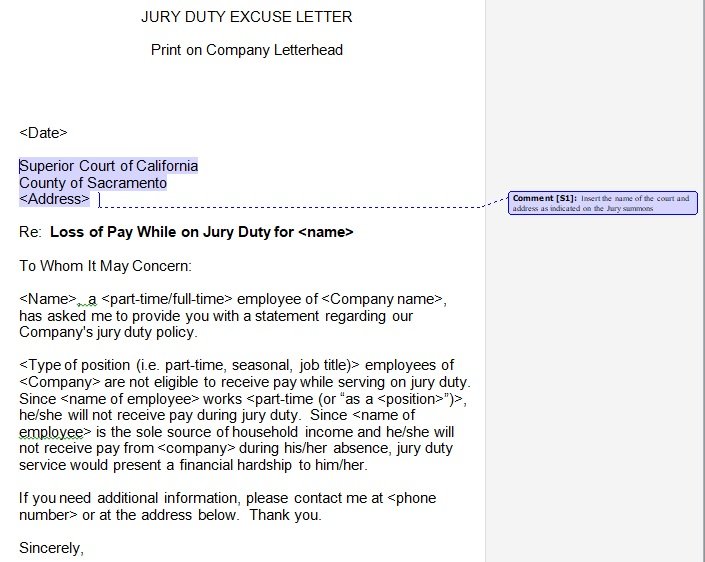
- Employers: If financial hardship is due to lost wages, your employer might provide a letter detailing your salary and stating that jury duty is unpaid or that your absence would create significant operational issues.
- Financial Records: While not always necessary, in cases of extreme financial hardship, you might be asked to provide documentation demonstrating your financial situation.
Ensure all documents are legible, clearly organized, and submitted within the specified timeframe.
Understanding Court Decisions and Next Steps
After submitting your request and supporting documents, the court will review your case. It is important to understand the possible outcomes and what to do in each scenario.
Possible Outcomes
- Excuse Granted: If your request is approved, you will receive a notification from the court stating that you have been excused from jury duty for the specified period. You are then free from your obligation.
- Deferral Granted: The court may decide to postpone your jury service to a later date. You will be given a new date and time to appear.
- Request Denied: If your request is denied, you will be expected to report for jury duty as scheduled. The court has determined that your reasons do not meet the criteria for excusal or deferral.
Appealing a Denial or Requesting Reconsideration
If your request for an excuse or deferral is denied and you believe there are extenuating circumstances that were not fully understood, you may have options.
- Appear in Person: If your request is denied, you may still have the opportunity to explain your situation to the judge or jury commissioner in person on your scheduled appearance date. Be prepared to present your case clearly and respectfully.
- Contact the Jury Commissioner: In some cases, you may be able to contact the jury commissioner’s office to discuss the denial and inquire about the possibility of reconsideration, especially if new supporting information has become available.
What to Do if You Must Serve
If your request is denied or if you are unable to secure an excuse, you must report for jury duty as summoned. Failure to appear can lead to serious consequences, including fines and even arrest warrants. When you appear for service:
- Be Punctual: Arrive at the courthouse at the specified time.
- Dress Appropriately: Business casual attire is generally recommended. Avoid shorts, t-shirts with offensive graphics, or overly casual clothing.
- Be Prepared: Bring any documentation that might be relevant, even if your request was denied. You may have another opportunity to explain your situation to the judge during the jury selection process.
- Be Respectful: Maintain a respectful demeanor towards court staff, the judge, and other potential jurors.
Jury service is a cornerstone of the justice system in Nevada. While the courts strive to ensure that all eligible citizens fulfill their duty, they also recognize that legitimate hardships may prevent some individuals from serving. By understanding the requirements, following the proper procedures, and providing clear and well-documented reasons, you can effectively navigate the process of requesting an excuse from jury duty and fulfill your civic responsibilities with integrity.
LifeOutOfTheBox is a participant in the Amazon Services LLC Associates Program, an affiliate advertising program designed to provide a means for sites to earn advertising fees by advertising and linking to Amazon.com. Amazon, the Amazon logo, AmazonSupply, and the AmazonSupply logo are trademarks of Amazon.com, Inc. or its affiliates. As an Amazon Associate we earn affiliate commissions from qualifying purchases.