
For many visitors, the quintessential experience of visiting New Orleans is not found in a high-speed vehicle, but rather in the rhythmic, swaying motion of a historic streetcar. These iconic green and red machines are more than just public transportation; they are moving landmarks that connect the soul of the city. Whether you are aiming to reach the opulent mansions of the Garden District or the vibrant, jazz-filled corners of Frenchmen Street, understanding how to navigate the transit system is essential for any traveler.
Understanding the Streetcar Lines
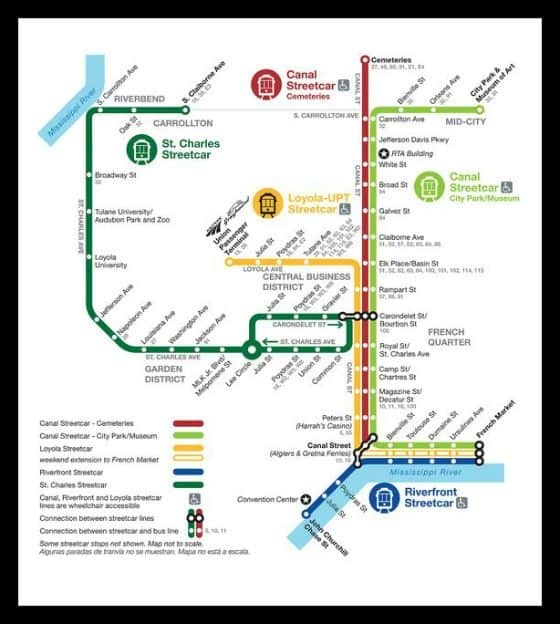
The New Orleans Regional Transit Authority, or RTA, operates several distinct streetcar lines, each offering a unique window into the history and geography of Louisiana. While they may look similar, they traverse different parts of the city, serving different purposes for commuters and tourists alike.
The St. Charles Streetcar Line
The St. Charles Streetcar Line is the crown jewel of the system. Operating continuously since 1835, it holds the record as the oldest continuously operating streetcar line in the world. This line travels from the bustling edge of the Central Business District through the historic architecture of the Lower Garden District and deep into Uptown. Riding this line offers a front-row seat to massive oak trees draped in Spanish moss and the antebellum estates that define the area’s aesthetic.
The Canal Street and Riverfront Lines
The Canal Street Streetcar Line is split into two branches: one heading toward the Cemeteries and another towards City Park. These cars are generally more modern in their maintenance while retaining the vintage look and feel of the original fleet. Meanwhile, the Riverfront Streetcar Line runs parallel to the Mississippi River, providing convenient access between the French Quarter, the Aquarium of the Americas, and the Outlet Collection at Riverwalk.
The Loyola-UPT Line
Connecting the Union Passenger Terminal with the Canal Street corridor, the Loyola-UPT Line is the most efficient choice for travelers arriving by train or bus who need to get into the heart of the tourist district quickly.
Ticketing and Fare Payment Essentials
Navigating the payment system in New Orleans has become significantly easier with the integration of digital technology. Gone are the days of needing exact change in coins, though the system remains charmingly analog in its operation.
Using the Le Pass App
The most efficient way to pay for your ride is through the Le Pass mobile application. By downloading this app, you can purchase single-ride tickets or unlimited daily “Jazzy Passes.” Once purchased, you simply activate your ticket when you board. This eliminates the need to carry physical cash and ensures you have your fare ready at a moment’s notice.
Cash Fares and Physical Passes
If you prefer not to use an app, you can pay with cash directly on the streetcar. However, it is vital to note that streetcar operators do not provide change. You must have the exact fare in cash ready upon boarding. If you plan on doing a significant amount of sightseeing, it is highly recommended to purchase a physical Jazzy Pass at a retail outlet or transit station, which allows for unlimited transfers and rides for a set duration.
Fare Etiquette
When boarding, walk to the front door of the streetcar. If paying with cash, insert your payment into the fare box located next to the driver. If using the Le Pass app, be prepared to show your active ticket screen to the driver. Always remember that streetcars are a shared public space; keep your belongings near your feet to allow for maximum seating for other passengers.

Navigating Routes and Stops
The streetcars operate on a fixed schedule, but as with any public transit system in an older city, flexibility is key.
Identifying Your Stop
Streetcar stops are marked by signs, often featuring a small icon of the streetcar itself. Because these stops are frequent, particularly along the St. Charles Streetcar Line, it is common to find yourself just a short walk from major attractions like Tulane University or Loyola University New Orleans.
Signaling the Stop
To board, simply wait at a designated stop. As the streetcar approaches, ensure you are visible to the driver. Once you are on board and nearing your desired destination, you must signal your intent to exit. On older wooden cars, this is done by pulling the leather cord or pressing the button near the window. The driver will stop at the next designated station. Never attempt to hop off or on while the car is moving, as these historic vehicles carry significant momentum.
Safety and Comfort Tips
- Keep Arms Inside: Due to the narrow proximity of tracks and foliage or other vehicles, it is mandatory to keep your limbs inside the car at all times.
- Watch the Tracks: If you are walking near the streetcar lines, be mindful that the tracks are slippery when wet. If you are cycling or driving, always cross the tracks at a 90-degree angle to avoid getting your wheels caught.
- Be Patient: These vehicles are historical artifacts. They occasionally experience mechanical delays. Embrace the “New Orleans time” mindset; the journey is part of the destination.
- Evening Travel: The streetcars are generally safe and well-patrolled, but as with any city, stay aware of your surroundings, especially when traveling late at night or through less populated areas.
Maximizing the Experience
To truly get the most out of your ride, timing matters. During peak rush hours, the streetcars can become crowded with local commuters. For a more leisurely experience, aim to ride during the mid-morning or mid-afternoon hours.
The St. Charles Streetcar Line is particularly magical at sunset. As the light begins to dim, the interior of the streetcar glows with a warm, golden ambiance, and the shadows of the Oak Trees play across the historic wooden benches. It is the perfect time to capture the essence of the city without the intensity of the midday heat.
If you find yourself near the Canal Street terminal, consider heading toward the Lafayette Cemetery No. 1, a site that offers a hauntingly beautiful look into the city’s unique funerary architecture. By using the streetcar to bridge the gap between the French Quarter and these residential districts, you gain a perspective on New Orleans that most tourists miss when they stick solely to the downtown hotel areas.

Ultimately, the streetcar is the heartbeat of Louisiana. Whether you are a first-time visitor or a returning guest, mastering these routes turns a simple commute into an unforgettable adventure through the history and culture of the Crescent City.
LifeOutOfTheBox is a participant in the Amazon Services LLC Associates Program, an affiliate advertising program designed to provide a means for sites to earn advertising fees by advertising and linking to Amazon.com. Amazon, the Amazon logo, AmazonSupply, and the AmazonSupply logo are trademarks of Amazon.com, Inc. or its affiliates. As an Amazon Associate we earn affiliate commissions from qualifying purchases.