
Navigating the bustling metropolis of New York City is an art form, and at the heart of this vibrant urban tapestry lies its iconic subway system. More than just a mode of transportation, the New York City Subway is a lifeline, a cultural melting pot, and an essential tool for any visitor looking to truly experience the city like a local. Whether you’re aiming to reach the glittering lights of Times Square, delve into the artistic wonders of a museum in Museum Mile, or escape to the serene greenery of Central Park, understanding how to ride the subway is paramount. This comprehensive guide will equip you with all the knowledge needed to confidently navigate the subway system, transforming potential confusion into a seamless and enjoyable part of your New York City adventure.
Understanding the New York City Subway System
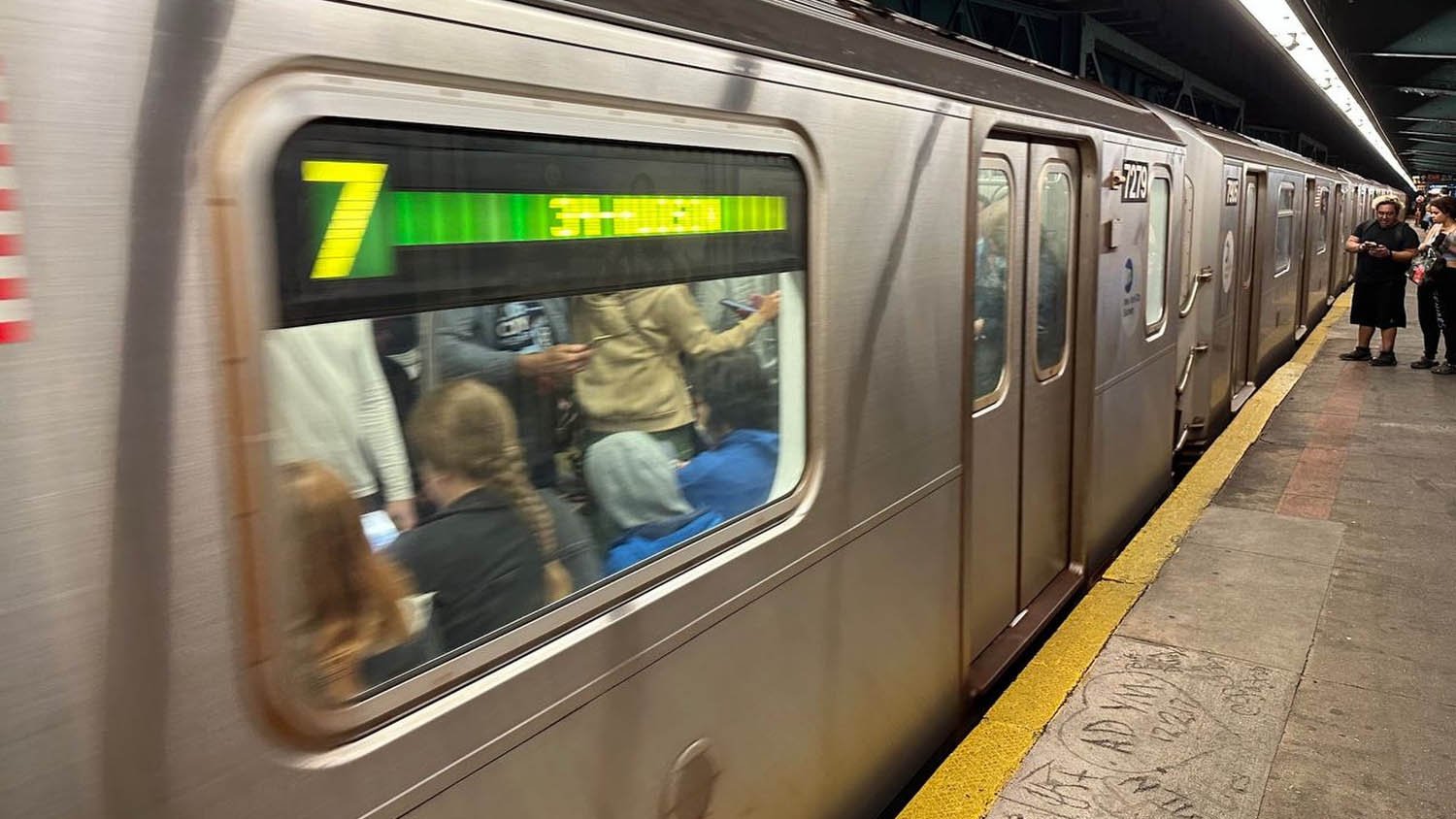
The New York City Subway is one of the world’s largest rapid transit systems, operated by the Metropolitan Transportation Authority (MTA). It boasts an extensive network of 472 stations and 424 miles of track, serving Manhattan, Brooklyn, Queens, and The Bronx. Understanding its basic structure is the first step to mastering it.
The Grid System and Boroughs
The city’s subway lines are organized around the borough system. Each borough has its distinct set of lines, often identified by letters (e.g., A, C, E) or numbers (e.g., 1, 2, 3). Many lines travel through multiple boroughs, allowing for easy transit between different parts of the city. For instance, the A train, a major artery, connects Far Rockaway in Queens to Upper Manhattan and even into Brooklyn during certain hours.
Express vs. Local Trains
A crucial distinction to grasp is the difference between express and local trains. Express trains skip many stations, making them faster for longer journeys. Local trains, on the other hand, stop at every station along their route. You’ll often see stations that serve both express and local tracks, indicated by different platform signage. Pay close attention to the train signs and listen to announcements to ensure you board the correct type of train for your destination. For example, if you’re heading to a specific neighborhood within a borough, a local train might be more convenient. If you’re traveling across multiple boroughs, an express train will significantly cut down your travel time.
Line Colors and Numbers/Letters
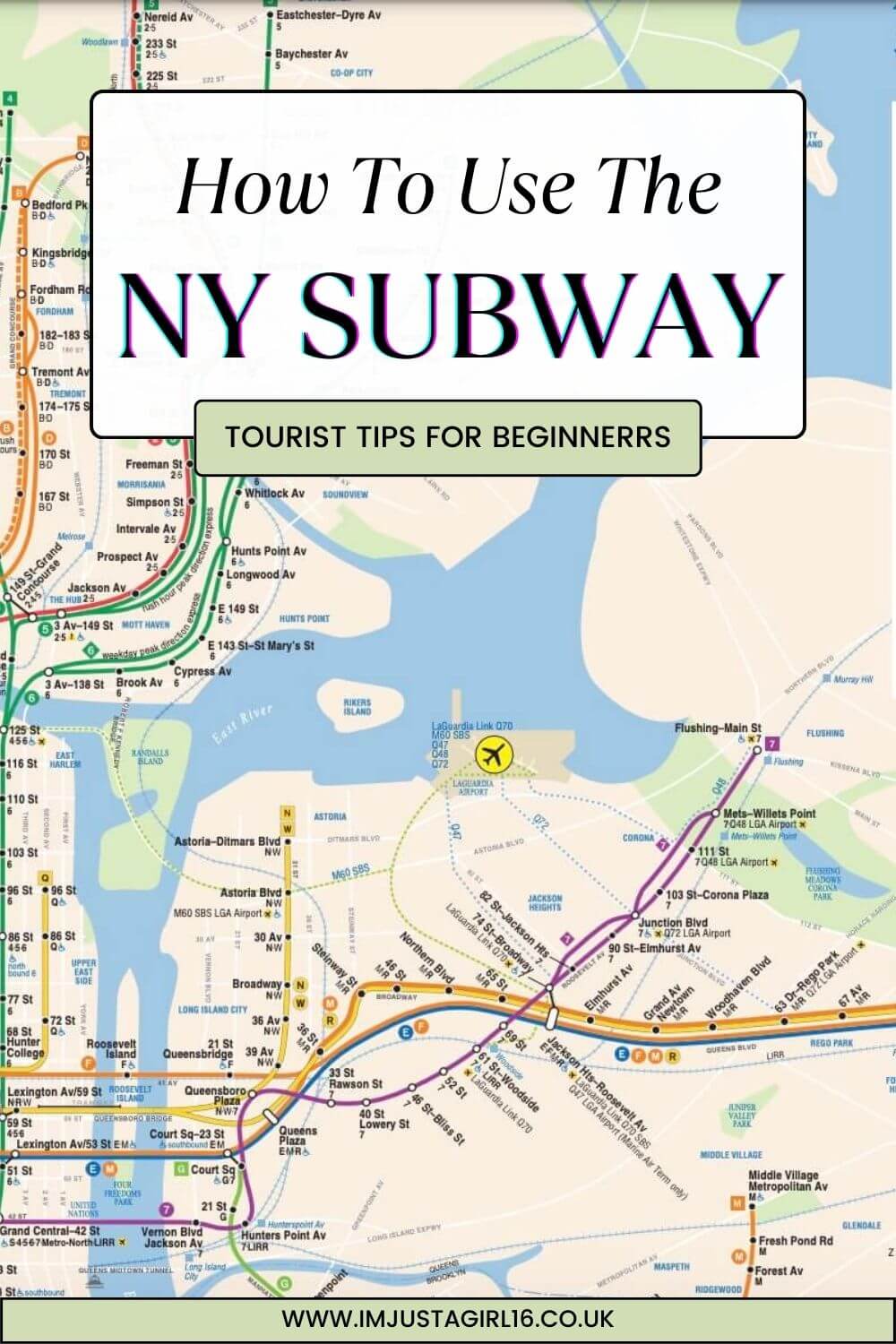
Each subway line is color-coded, a system that aids in navigation. While lines might share a color, they are distinctly identified by their letter or number. For example, the N, Q, R, and W trains all share the yellow color but are separate lines with their own routes. The map is your best friend here, and familiarizing yourself with these color and identifier combinations will speed up your understanding.
Planning Your Subway Journey
Before you even set foot on a subway platform, a little planning can go a long way in ensuring a smooth and efficient journey. This involves understanding how to pay for your fare, deciphering the maps, and knowing where to find real-time information.
Fares and Payment Options
The standard fare for a single subway ride is $2.90. You can purchase fares using a refillable MetroCard or, increasingly, with contactless payment options like OMNY.
The MetroCard
MetroCards are still widely available at station vending machines. You can purchase a pay-per-ride card and add value as needed, or opt for a 7-day unlimited ride pass, which can be cost-effective if you plan on using the subway frequently. Some cards allow for a free transfer between subway and bus within a two-hour window.
OMNY (One Metro New York)
OMNY is the MTA’s contactless fare payment system, gradually replacing the MetroCard. You can tap your contactless credit card, debit card, smartphone, or wearable device at the OMNY reader to pay your fare. The system automatically calculates the best fare for you, including offering a weekly fare cap after you’ve made 12 paid rides within a Monday-to-Sunday week. This offers convenience and can lead to savings.
Navigating Subway Maps
Subway maps are ubiquitous in stations and on trains, but they can also appear daunting at first glance.
Understanding the Map Layout
The maps are color-coded and use symbols to denote stations, lines, and major landmarks. They are designed to show the relative positions of stations and the routes of the trains, rather than an exact geographical representation. Don’t be discouraged if it looks complex; focus on the lines that serve your immediate needs.
Using Digital Navigation Tools
In today’s connected world, digital tools are invaluable. Apps like Google Maps, Apple Maps, Citymapper, and the official MYmta app provide real-time subway information, including train arrival times, service alerts, and trip planning. These apps can suggest the best route, indicate transfers, and even show you how to get to your platform from your current location. For example, if you’re trying to get from JFK Airport to your hotel in Midtown Manhattan, these apps will instantly tell you which trains to take and the estimated travel time.
Station Etiquette and Safety
Riding the subway is a shared experience, and adhering to a few simple rules ensures a pleasant and safe journey for everyone.
Platform Etiquette
- Stand clear of the platform edge: Always stand behind the yellow line.
- Let passengers exit first: Before boarding a train, allow passengers to disembark completely.
- Move to the center of the car: Once on board, move away from the doors to make space for others.
- Offer your seat: Prioritize seating for seniors, pregnant women, and individuals with disabilities.
Safety Precautions
- Be aware of your surroundings: Keep your belongings secure and be mindful of who is around you.
- Avoid empty cars late at night: Opt for cars that have other passengers.
- Report suspicious activity: If you see something concerning, notify a transit employee or use the emergency call buttons located on most platforms.
- Stay on designated pathways: Never venture onto the tracks.
Mastering the Art of Subway Travel: Tips for an Enhanced Experience
Beyond the fundamental mechanics of riding the subway, there are several tips and tricks that can elevate your experience from merely functional to truly enjoyable. These insights focus on optimizing your travel, discovering hidden gems, and embracing the local culture that permeates the subway system.
Maximizing Your Travel Efficiency
Efficiency is key when exploring a city as vast as New York City. Understanding how to leverage the subway system to its full potential can save you precious time and energy.
Identifying Your Nearest Station
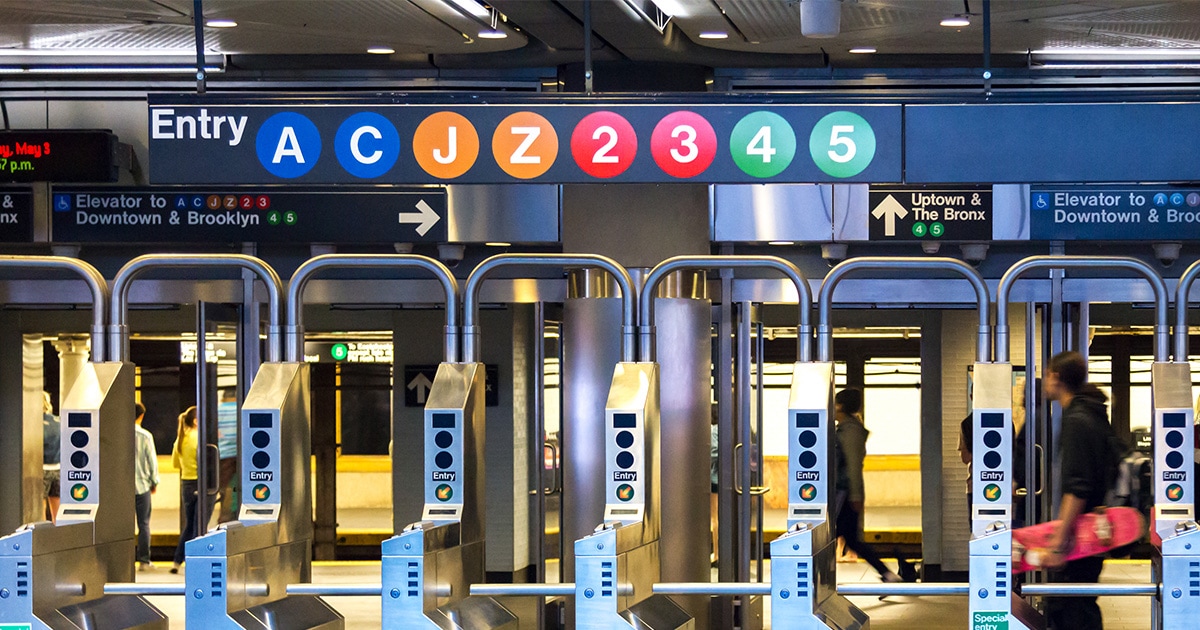
Most major attractions, hotels, and neighborhoods in New York City are within walking distance of a subway station. Before you leave your accommodation, whether it’s a luxury suite at the Plaza Hotel or a budget-friendly apartment in Williamsburg, use a mapping app to pinpoint the closest subway entrance. Look for the distinctive green globes (for entrances leading to Uptown or Queens-bound trains) or red globes (for Downtown or Brooklyn/Bronx-bound trains), though entrances can vary.
Understanding Timed Transfers
While the subway is generally efficient, sometimes a transfer between lines is necessary. Most stations are designed for easy transfers, but in some cases, you might need to exit one station and enter another, which would require an additional fare. Your navigation app will usually guide you on whether a transfer is “in-system” (no extra cost) or requires walking to a different station. Pay attention to signs indicating transfer points. For instance, if you’re traveling from the Financial District to Greenwich Village, you might need to transfer from a downtown train to an uptown train, and understanding how this works at a specific station can save you time and confusion.
Utilizing Off-Peak Hours
The New York City Subway can get incredibly crowded during peak commuting hours, typically from 7:00 AM to 9:30 AM and from 4:00 PM to 7:00 PM on weekdays. Traveling outside these times, especially during midday or late at night, can lead to a more comfortable and less rushed experience. You’ll find more space to stand or sit, and boarding and alighting will be quicker. This is particularly beneficial if you’re on a leisurely exploration of attractions like the Metropolitan Museum of Art or enjoying a culinary tour in Chinatown.
Embracing the Local Experience
The subway is not just a transport system; it’s a microcosm of New York City itself, brimming with local life, diverse characters, and even impromptu performances.
Observing and Engaging
Take a moment to observe the people around you. The subway is where you’ll see a true cross-section of the city’s inhabitants – artists, business professionals, students, tourists, and families. While it’s important to maintain personal space and be aware of your surroundings, a friendly smile or a brief, polite interaction can sometimes lead to unexpected insights or a moment of connection. You might overhear conversations about local events, discover a hidden gem of a restaurant, or even witness a talented street musician performing for fellow passengers. This is a core part of the New York City experience, offering a glimpse into the city’s dynamic lifestyle.
Navigating Different Neighborhoods
Each neighborhood served by the subway has its unique character and vibe, reflected in the station’s design, the people who ride it, and the surrounding environment. For example, the stations in the Lower East Side might feel more bohemian, while those in Financial District might be more bustling with business commuters. Using the subway to explore these distinct areas is an excellent way to experience the diverse tapestry of New York City. From the historic streets of Harlem to the trendy shops of SoHo, the subway is your key to unlocking these different worlds.
Troubleshooting and Preparedness
Even with the best planning, occasional disruptions can occur. Being prepared can turn a potentially frustrating situation into a minor inconvenience.
Understanding Service Alerts
The MTA frequently provides service alerts for planned track work, delays, or unexpected issues. These are communicated through announcements in stations and on trains, digital displays, and the MYmta app. Always check these alerts before you travel, especially on weekends when extensive track maintenance is common. If a line is experiencing significant delays, your navigation app will likely offer alternative routes.
What to Do if You Get Lost
Getting a little turned around is part of the adventure for many visitors. If you find yourself disoriented:
- Look for a station map: Most stations have large, detailed maps.
- Ask for help: MTA employees are usually available at larger stations, and fellow passengers are often willing to offer assistance. Be polite and specific with your question.
- Use your phone: If you have data service, your navigation app is your best friend. You can also find Wi-Fi hotspots at many stations.
By following these guidelines, you’ll not only be able to ride the New York City Subway with confidence but also gain a deeper appreciation for this vital organ of the city. It’s an experience that connects you to the pulse of New York City, allowing you to explore its iconic landmarks, vibrant neighborhoods, and diverse culture with unparalleled freedom. So, grab your MetroCard or tap your phone, and embark on your urban exploration.
LifeOutOfTheBox is a participant in the Amazon Services LLC Associates Program, an affiliate advertising program designed to provide a means for sites to earn advertising fees by advertising and linking to Amazon.com. Amazon, the Amazon logo, AmazonSupply, and the AmazonSupply logo are trademarks of Amazon.com, Inc. or its affiliates. As an Amazon Associate we earn affiliate commissions from qualifying purchases.