
Navigating the New York City subway system can seem daunting at first, a sprawling subterranean network connecting a vibrant metropolis. However, with a little preparation and understanding, it transforms into an indispensable tool for experiencing the city’s myriad attractions, from iconic landmarks to hidden culinary gems. This guide will equip you with the knowledge to confidently ride the New York City subway, unlocking unparalleled access to the pulse of the Big Apple.
The subway is more than just transportation; it’s a quintessential New York City experience. It’s where you’ll brush shoulders with locals rushing to work, fellow tourists marveling at the journey, and artists seeking inspiration. Mastering this system is key to unlocking budget-friendly exploration, immersing yourself in local culture, and truly understanding the rhythm of New York City life. Whether you’re staying in a luxurious suite at a renowned hotel, a cozy apartment, or a sprawling resort, the subway offers the most efficient way to reach your destinations.
Understanding the Basics: Your Subway Survival Guide
Before you descend into the bustling platforms, familiarize yourself with the fundamental elements of the New York City subway. This foundational knowledge will smooth your transition from novice to seasoned rider.
Navigating the System: Lines, Colors, and Directions
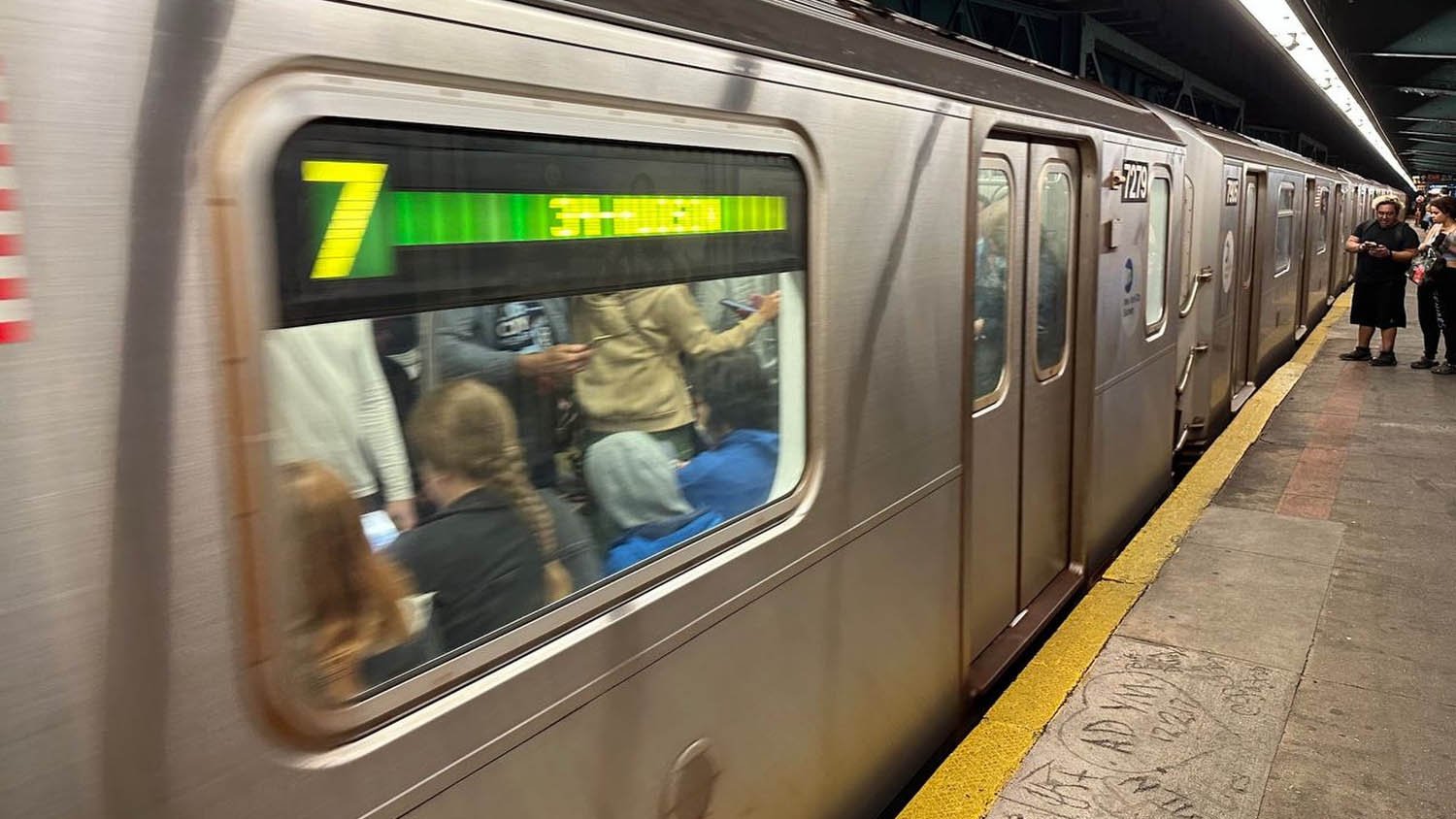
The New York City subway is organized into lines, distinguished by colors and numbers or letters. These lines crisscross Manhattan, Brooklyn, Queens, and the Bronx, forming a complex but logical web. Understanding which line to take is the first step.
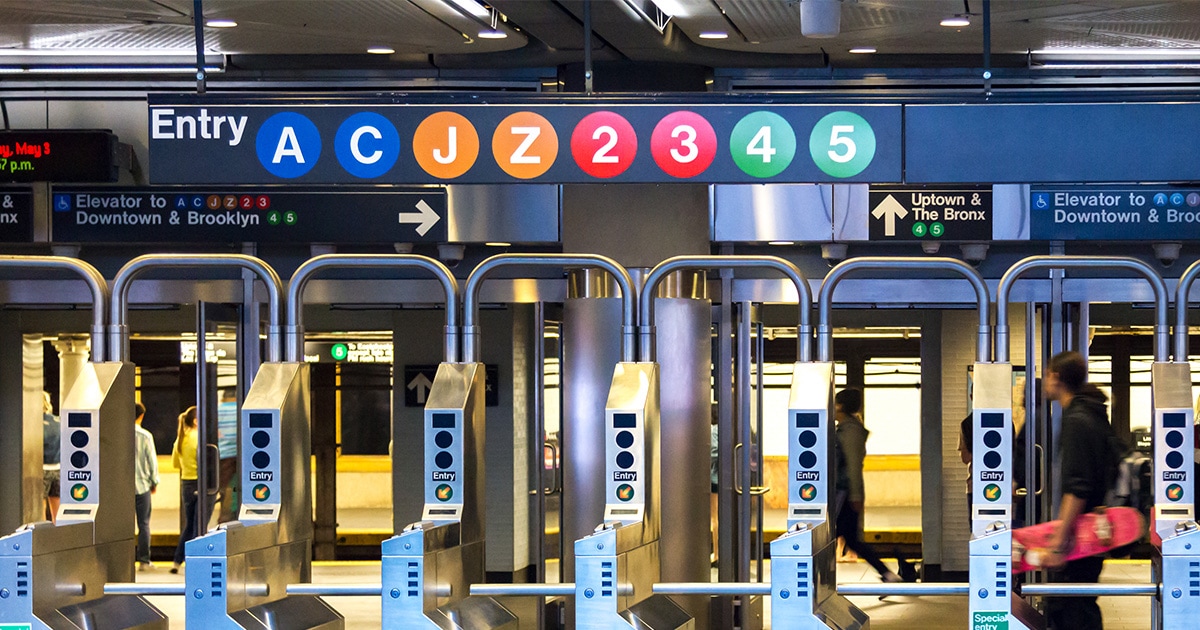
- Line Identification: Each train is identified by a letter (e.g., A, C, E) or a number (e.g., 1, 2, 3). These identifiers are prominently displayed on the front of the train and on platform signs.
- Color Coding: While colors are often used for grouping lines (e.g., the 1, 2, 3 are all on the Red line), it’s crucial to rely on the specific letter or number for accuracy, as some lines share colors.
- Uptown vs. Downtown: This is a critical distinction for Manhattan-bound travel. “Uptown” generally refers to trains heading north towards Harlem and The Bronx. “Downtown” refers to trains heading south towards Lower Manhattan, Brooklyn, and Queens. Platform signage will clearly indicate the direction of travel. Pay close attention to this to avoid heading in the wrong direction.
- Express vs. Local: Some lines have both express and local trains. Express trains skip some stations, making them faster for longer distances, while local trains stop at every station. Again, platform signs will indicate whether a train is express or local. For shorter hops or if your destination is a skipped station, you’ll need the local.
Planning Your Route: Tools for Success
Gone are the days of relying solely on paper maps. Modern technology offers powerful tools to plan your subway journeys with ease.
- The MTA Website and App: The official Metropolitan Transportation Authority (MTA) website and their dedicated app are invaluable resources. They provide real-time service updates, detailed maps, trip planners, and information on any delays or disruptions. This is your go-to for the most accurate and up-to-date information.
- Third-Party Navigation Apps: Numerous third-party apps like Google Maps, Citymapper, and Transit integrate New York City subway data, often offering intuitive interfaces and alternative route suggestions. These can be very helpful for comparing options and visualizing your journey.
- Station Signage: While apps are excellent, don’t overlook the physical signage within the stations. Look for maps of the subway system and directories of stations served by each line.
The Fare System and Payment Methods
Understanding how to pay for your ride is essential for a smooth entry into the subway system. The fare system has evolved, offering more convenient options for travelers.
MetroCard and OMNY: Your Ticketing Options
The traditional method of payment was the MetroCard, a swipeable card that you could fill with pay-per-ride value or purchase as a weekly or monthly unlimited pass. However, New York City is transitioning to a contactless fare payment system.
- OMNY (One Metro New York): This is the current and future of New York City subway and bus fare payment. OMNY allows you to tap your contactless credit or debit card, smartphone, smartwatch, or other OMNY-enabled device directly at the turnstile. This eliminates the need to purchase a separate card.
- Using OMNY: Simply look for the OMNY contactless payment readers at the turnstiles. Tap your device or card on the reader, and the fare will be deducted. It’s remarkably straightforward and often the quickest way to enter the system.
- Benefits of OMNY: OMNY offers the “fare cap” benefit. After you tap and pay 12 times within a 7-day period (Monday through Sunday), the rest of your rides that week are free. This is a significant cost-saver for those planning extensive travel.
- MetroCards (Phasing Out): While OMNY is the primary focus, MetroCards are still accepted. You can purchase and refill them at station vending machines. If you have an existing MetroCard with value, you can continue to use it until they are fully phased out. Vending machines are available in most stations for purchasing new MetroCards or adding value.
Fare Costs and Passes
The standard fare for a single ride on the New York City subway is a fixed amount. However, the MTA offers options that can save money depending on your travel needs.
- Pay-Per-Ride: Each single ride incurs the standard fare. This is ideal for infrequent users or those who only need to make a few journeys.
- Unlimited Ride Passes: If you plan on using the subway extensively during your stay, consider an unlimited ride pass. These are available for 7-day or 30-day periods and allow for unlimited travel within those durations. This can be a significant cost-saver for tourists spending several days exploring New York City‘s attractions.
- Express Bus Surcharge: Note that if you transfer between an express bus and the subway, there may be an additional surcharge. However, within the subway system itself, transfers between lines are free.
Essential Etiquette and Safety Tips
Riding the subway is a communal activity, and a little awareness of New York City subway etiquette and safety can make the experience more pleasant for everyone.
Being a Considerate Rider
Respecting fellow passengers is key to a harmonious commute.
- Mind the Gap: Be aware of the space between the platform and the train door.
- Let People Exit First: Before boarding, allow passengers to disembark completely.
- Move to the Center: Once on board, move away from the doors to allow others to enter and exit easily.
- Offer Your Seat: Give up your seat to seniors, pregnant women, or individuals with disabilities.
- Keep Your Belongings Close: Avoid blocking aisles or seats with your bags. Stow them under your seat or on your lap.
- Keep the Volume Down: Use headphones for music or videos and keep conversations at a reasonable volume.
- No Eating or Drinking (Discouraged): While not strictly prohibited by all lines, it’s generally considered poor etiquette to eat messy or strong-smelling foods on the train.
Staying Safe on the Subway
The New York City subway is generally safe, but as with any public transportation system in a major city, it’s wise to be aware of your surroundings.
- Be Aware of Your Surroundings: Pay attention to who is around you, especially when waiting on the platform and when boarding or exiting.
- Keep Valuables Secure: Avoid flashing expensive jewelry or electronics. Keep your wallet and phone in a secure place.
- Use Well-Lit Areas: When waiting for a train, stand in well-lit areas where other passengers are present.
- Report Suspicious Activity: If you see anything that makes you feel uncomfortable or seems suspicious, don’t hesitate to report it to a transit employee or the police.
- Emergency Exits and Alarms: Familiarize yourself with the location of emergency exits and call buttons on the train and platform.
Exploring the City: Your Subway-Powered Itinerary
With the basics covered, let’s explore how the New York City subway can be your gateway to the city’s most celebrated destinations. Whether your interests lie in famous places, the thrill of local culture, or discovering unique experiences, the subway is your most reliable companion.
Iconic Landmarks and Attractions
The subway provides unparalleled access to the city’s most famous landmarks and attractions.
- Times Square: Hop on the 1, 2, 3, N, Q, R, W, or 7 train to the Times Square-42nd Street station for immediate immersion into the dazzling lights and energy.
- Central Park: The 1, 2, 3, A, B, C, D, and 1 trains all have stations that offer convenient access to various parts of this vast urban oasis.
- Statue of Liberty and Ellis Island: Take the 1 train to South Ferry or the R or W train to Whitehall Street for the Staten Island Ferry, which offers free views of the Statue of Liberty and a direct connection to the ferry terminals for visiting Liberty Island and Ellis Island.
- The Metropolitan Museum of Art: The 4, 5, or 6 trains to the 86th Street station will bring you close to this world-renowned museum.
- The High Line: The A, C, E, or L train to 14th Street/8th Avenue provides excellent access to this elevated urban park offering unique perspectives on the city.
- Financial District and Wall Street: The 2, 3, 4, 5, J, or Z trains to stations like Wall Street, Bowling Green, or Fulton Street will place you in the heart of this historic area.
Culinary Adventures and Local Culture
Beyond the grand landmarks, the subway is your ticket to discovering New York City‘s diverse culinary scene and vibrant local culture.
- Chinatown: Take the 4, 5, 6, J, N, Q, R, W, or Z trains to Canal Street or City Hall for an explosion of sights, sounds, and flavors.
- Little Italy: While smaller than its past iteration, the area around Mulberry Street is accessible via the 4, 5, 6, J, N, Q, R, W, or Z trains to Canal Street.
- Greenwich Village: Explore this bohemian enclave with the A, C, E, B, D, F, or M trains to West 4th Street.
- Brooklyn Exploration: For a taste of a different borough, the L train can whisk you to trendy neighborhoods like Williamsburg and Bushwick, offering a plethora of cafes, boutiques, and street art. Other Brooklyn neighborhoods are accessible via numerous subway lines, each with its own unique character.
- Queens’ Diverse Flavors: Queens boasts an incredible array of ethnic cuisines. The E, F, M, or R trains can take you to areas like Jackson Heights for some of the best South Asian and Latin American food, or the 7 train to Flushing for an unparalleled Chinatown experience.
Accommodation and Lifestyle
Whether you’re seeking luxury travel, budget travel, or family trips, your choice of accommodation and how you choose to get around are interconnected. The subway makes it feasible to stay in one neighborhood and easily explore others. Many hotels are conveniently located near subway stations, and using the system can help stretch your budget, allowing for more experiences or perhaps a longer stay. You might find yourself booking a charming boutique hotel in SoHo or a family-friendly resort near Prospect Park, with the subway seamlessly connecting you to all the New York City attractions on your list.
By embracing the New York City subway, you’re not just getting from point A to point B; you’re diving headfirst into the dynamic spirit of the city. It’s an adventure in itself, offering glimpses into the lives of New Yorkers and an efficient, cost-effective way to unlock all the incredible travel, tourism, and lifestyle opportunities that this unparalleled metropolis has to offer. So, grab your OMNY-enabled device or your MetroCard, and get ready to explore the Big Apple from its beating heart.
LifeOutOfTheBox is a participant in the Amazon Services LLC Associates Program, an affiliate advertising program designed to provide a means for sites to earn advertising fees by advertising and linking to Amazon.com. Amazon, the Amazon logo, AmazonSupply, and the AmazonSupply logo are trademarks of Amazon.com, Inc. or its affiliates. As an Amazon Associate we earn affiliate commissions from qualifying purchases.