
Navigating the labyrinthine and iconic New York Subway system is an essential rite of passage for any visitor aiming to truly experience the pulse of New York City. Far from being just a mode of transport, the subway is a dynamic ecosystem, a pulsating artery that connects the city’s diverse neighborhoods, from the historic brownstones of Brooklyn to the glittering skyscrapers of Manhattan. Mastering its intricacies can unlock a more authentic and efficient travel experience, saving you time and money while immersing you in the local rhythm. This guide aims to demystify the subway, equipping you with the knowledge to ride it like a seasoned New Yorker.
Understanding the Subway System
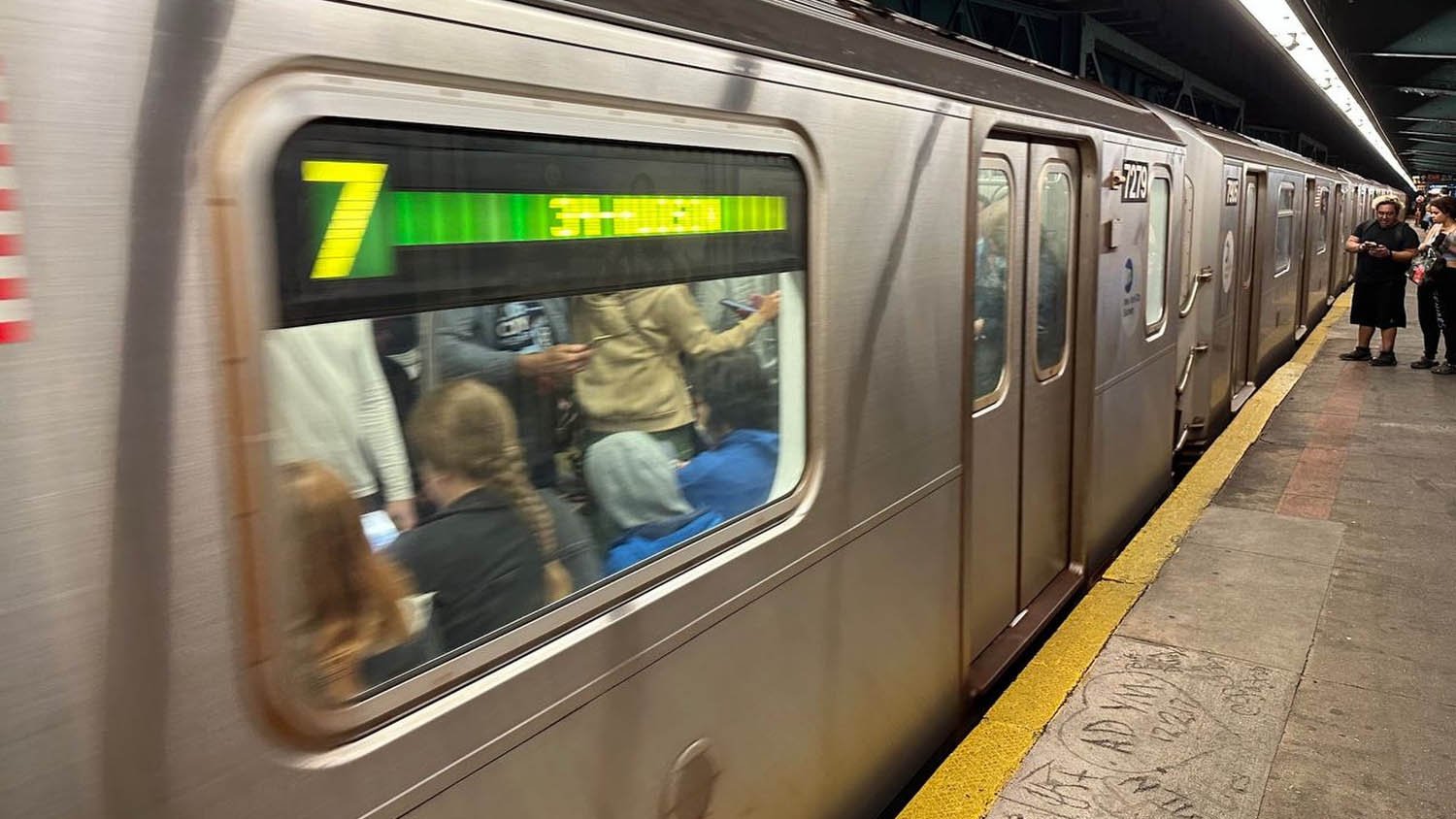
The New York Subway is one of the oldest and largest rapid transit systems in the world, operated by the Metropolitan Transportation Authority (MTA). Its sheer scale can be daunting, with over 472 stations and 24-hour service on most lines, making it the lifeline of the city for millions of commuters and tourists alike. Understanding its fundamental structure is the first step towards confident navigation.
Decoding the Lines and Routes
The subway operates on a complex network of numbered and lettered lines, each identified by its color and designated by a letter or number within a circle on maps and station signage. These lines run across different boroughs, often sharing tracks and stations, which can be a source of confusion for newcomers.
- Understanding Colors: Each subway line is assigned a color, but it’s crucial to remember that colors represent groups of lines, not individual routes. For instance, the red circle might encompass the 1, 2, and 3 trains, which, while sharing some trackage, have distinct routes and express/local stops.
- Local vs. Express Trains: Many lines have both local and express services. Local trains stop at every station along their route, while express trains skip certain stations to provide faster transit. Pay close attention to the signage on the platform and the train itself to ensure you board the correct type of service for your destination. An “E” train that is express might be your best bet for reaching Times Square quickly, while a local “E” might make more stops.
- Uptown vs. Downtown: In Manhattan, trains are designated as “Uptown” or “Downtown.” “Uptown” generally refers to travel towards upper Manhattan and the Bronx, while “Downtown” heads towards lower Manhattan and Brooklyn. Understanding this directional cue is fundamental to orienting yourself.
Navigating the Stations
Subway stations can range from grand, historic halls like the City Hall station (now a museum exhibit) to utilitarian underground platforms. Recognizing key elements within a station will streamline your experience.
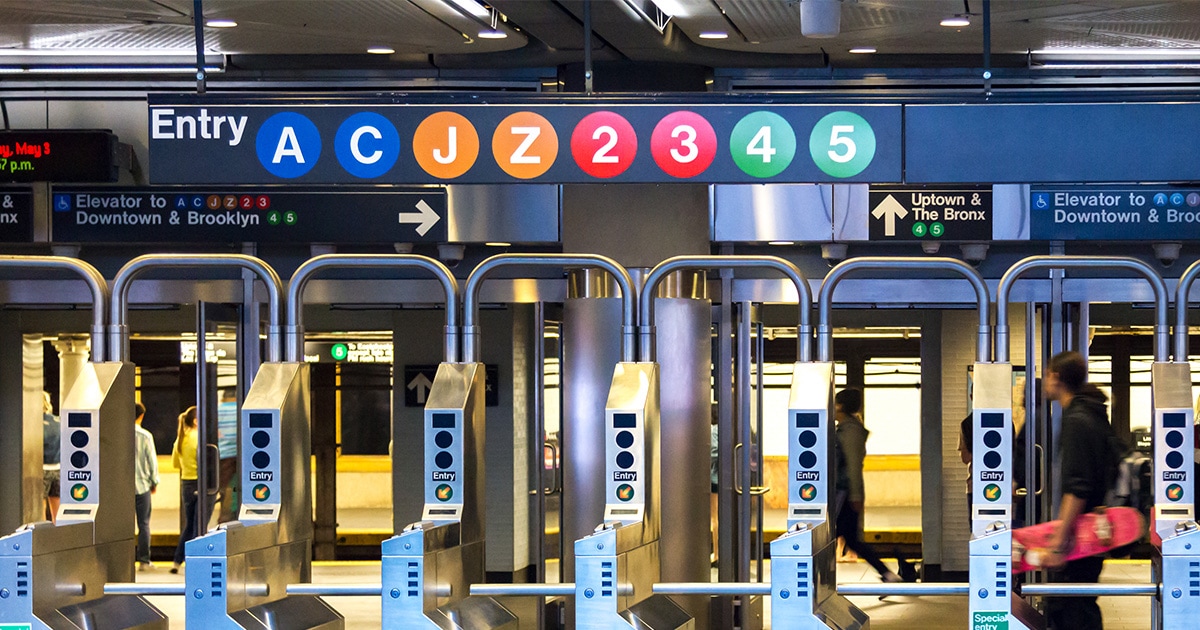
- Platform Signs: Look for overhead signs indicating the lines and directions served by each platform. These are usually color-coded and display the train numbers or letters.
- Station Names: Every station has a name, typically displayed on signs along the platform walls and often on the columns. Confirming the station name on approaching trains will prevent accidental overshoots.
- Transfers: Many stations are transfer points, allowing you to switch between different lines without exiting the fare system. Look for signs indicating available transfers. Some transfers are direct, meaning you can walk from one platform to another, while others may require you to exit one fare control and re-enter another, which is important to note for fare payment.
Planning Your Journey
Effective planning is the cornerstone of a smooth subway ride. A little foresight can save you from getting lost or missing crucial connections, especially during peak hours or late at night.
Tools and Resources for Navigation
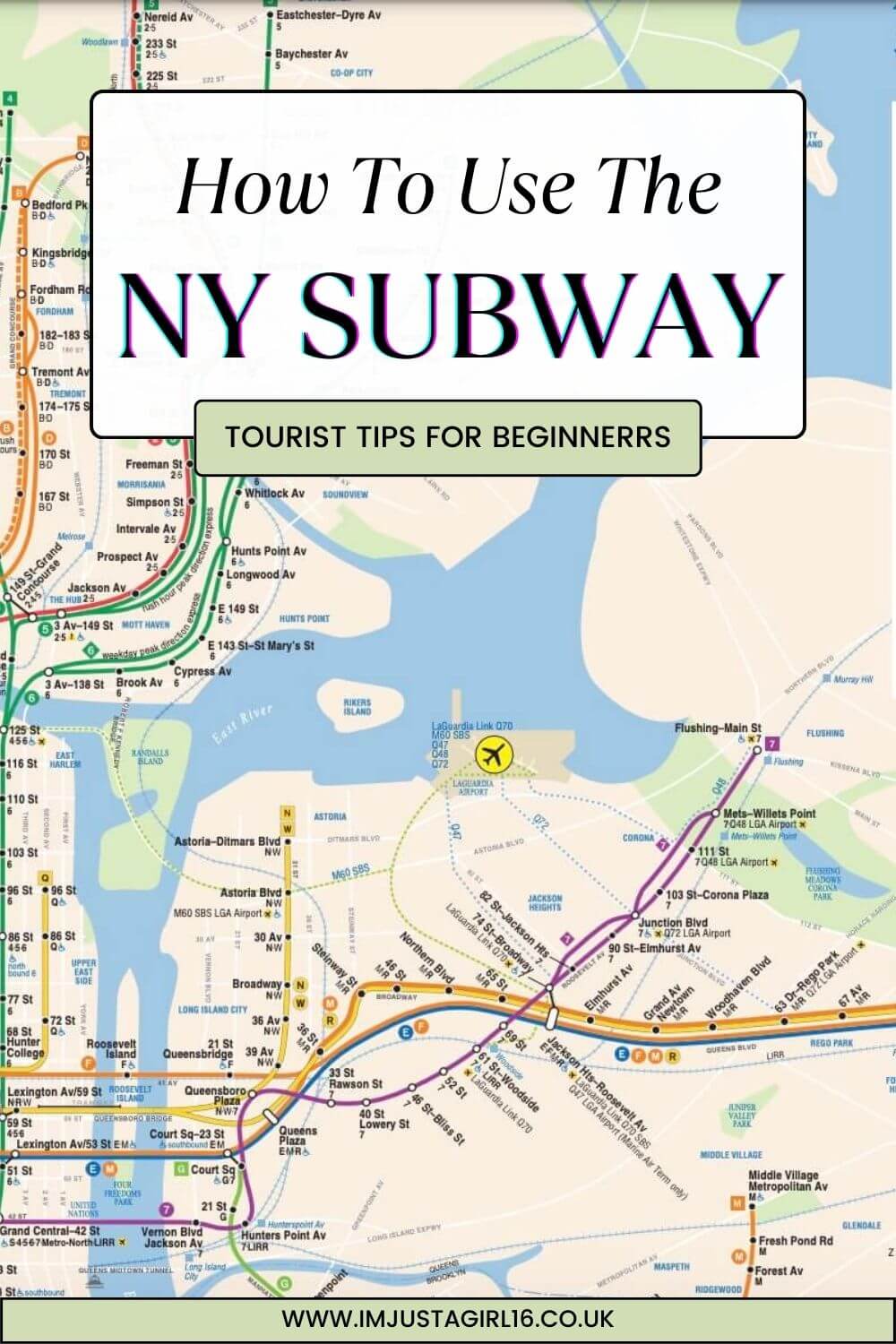
In the age of smartphones, you have a wealth of resources at your fingertips to help you navigate the New York Subway.
- MTA Trip Planner: The official MTA website and its associated app offer a robust trip planner that allows you to input your starting point and destination, providing the most efficient routes, including any necessary transfers. This is an invaluable tool for real-time updates and service advisories.
- Third-Party Apps: Numerous third-party navigation apps, such as Citymapper or Google Maps, offer detailed subway maps, real-time train tracking, and often provide alternative routes and walking directions to and from stations. These apps can be particularly helpful for understanding complex transfers or when navigating unfamiliar neighborhoods.
- Physical Maps: While digital tools are prevalent, carrying a physical subway map can be a reliable backup, especially if you find yourself in an area with poor cell service. These are often available at larger subway stations or can be downloaded and printed from the MTA website.
Understanding Fares and Payment Methods
Fares are standardized across the New York Subway system, and understanding your payment options is crucial for seamless entry.
- OMNY (One Metro New York): This is the MTA’s new contactless payment system. You can tap your contactless credit or debit card, or a contactless device like a smartphone or smartwatch, directly on the reader at the turnstile. OMNY also offers a weekly fare cap, meaning after you pay for a certain number of rides within a week, additional rides become free.
- MetroCard: While OMNY is becoming the dominant payment method, the traditional MetroCard is still accepted. You can purchase a MetroCard from vending machines located in most subway stations. MetroCards come in pay-per-ride or unlimited options, which can be cost-effective for longer stays or frequent use. Remember to keep your card in good condition, as damaged cards can be unreadable.
- Fare Evasion: It is important to note that fare evasion is illegal and carries fines. Always ensure you have a valid fare before entering the system.
Riding Etiquette and Safety Tips
Beyond just knowing where to go, understanding the unwritten rules of subway etiquette and prioritizing safety will enhance your experience and contribute to a more pleasant journey for everyone.
Essential Subway Etiquette
Riding the subway is a shared experience, and adhering to basic courtesies makes it more enjoyable for all passengers.
- Letting Passengers Off First: Always wait for passengers to exit the train before attempting to board. Stand to the side of the doors to allow for a smooth disembarkation.
- Mind the Gap: Be aware of the space between the train and the platform, often referred to as “the gap.” Step carefully when boarding and alighting.
- Give Up Your Seat: Offer your seat to elderly passengers, pregnant women, or individuals with disabilities. This is a simple act of consideration that goes a long way.
- Keep Your Belongings Contained: Avoid blocking aisles or seats with large bags or luggage. Keep your belongings close to you.
- Noise Levels: Keep conversations and music at a reasonable volume, using headphones if listening to audio.
- Line Up: On busy platforms, it’s courteous to form a line at the doors rather than crowding around them.
Staying Safe on the Subway
While the New York Subway is generally safe, it’s always wise to be aware of your surroundings and take common-sense precautions.
- Be Aware of Your Surroundings: Pay attention to who is around you, especially when entering or exiting trains and stations. Avoid displaying valuable electronics or large amounts of cash.
- Keep Valuables Secure: Keep your wallet and phone in a secure, zipped pocket or bag. Be particularly vigilant in crowded areas.
- Avoid Empty Cars: If a train car is unusually empty, especially late at night, it might be best to move to a more populated car.
- Know Your Route: Have a general idea of your destination and the stops before your own. This can help you recognize if you’ve missed your stop.
- Emergency Exits and Help: Familiarize yourself with the location of emergency call boxes and information booths within stations. If you feel unsafe or need assistance, don’t hesitate to speak to an MTA employee or uniformed officer.
- Late-Night Travel: If traveling late at night, consider staying in well-lit areas of the platform and, if possible, sit closer to the conductor’s cab.
By embracing the New York Subway as an integral part of your New York City adventure, you’ll gain a deeper appreciation for the city’s vibrant energy and its ability to connect its countless wonders. With a little preparation and an understanding of these guidelines, you’ll be navigating the subway like a pro, ready to explore all that this incredible metropolis has to offer.
LifeOutOfTheBox is a participant in the Amazon Services LLC Associates Program, an affiliate advertising program designed to provide a means for sites to earn advertising fees by advertising and linking to Amazon.com. Amazon, the Amazon logo, AmazonSupply, and the AmazonSupply logo are trademarks of Amazon.com, Inc. or its affiliates. As an Amazon Associate we earn affiliate commissions from qualifying purchases.