
The rhythmic clatter of steel wheels on tracks, the smell of ozone and old mahogany, and the gentle swaying of vintage cars define the pulse of New Orleans. For visitors and locals alike, the streetcar system is not merely a mode of public transportation; it is a moving monument, a time capsule that bridges the gap between the historic charm of the past and the vibrant energy of the present. As one of the oldest continuously operating streetcar systems in the United States, these iconic green and red vessels are essential to experiencing the soul of the Crescent City.
Understanding the Streetcar Lines
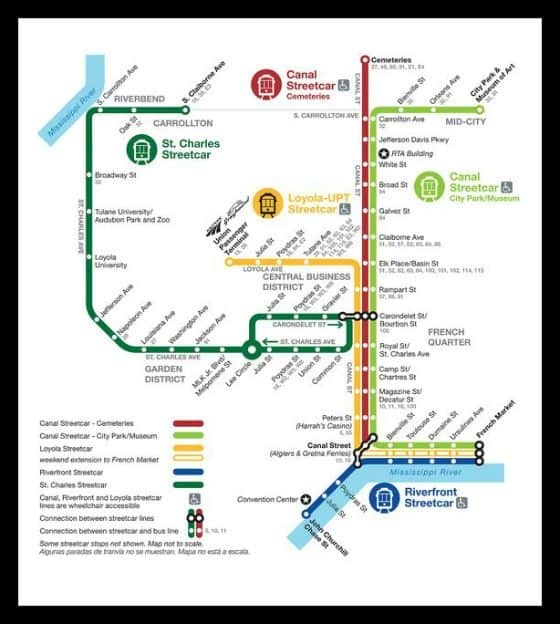
The New Orleans Regional Transit Authority, commonly referred to as the RTA, manages a network of lines that traverse the most significant corridors of the city. Each route offers a distinct window into the character of local neighborhoods.
The St. Charles Streetcar Line
The St. Charles Streetcar Line is the crown jewel of the system. Designated as a National Historic Landmark, this line has been running since 1835. It carries passengers from the edge of the Central Business District through the majestic, oak-lined boulevards of the Garden District and eventually into Uptown. Riding this line is a sensory experience; the windows are often left open to allow the breeze to drift through, carrying the scent of blooming magnolias and the humid, sweet air of the deep south.
The Canal Street and Riverfront Lines
Contrasting with the vintage appeal of the St. Charles line, the Canal Street Streetcar Line offers a different perspective. It originates at the Mississippi River and travels through the city’s primary commercial artery, eventually splitting into branches that lead toward the historic Mid-City neighborhood and the famous City Park. Meanwhile, the Riverfront Streetcar Line services the area between the French Market and the Ernest N Morial Convention Center, making it an ideal choice for tourists looking to hop between the riverfront attractions and the nearby French Quarter.
Fares, Passes, and Payment Logistics
Navigating the financial side of the streetcar system is straightforward, though it requires a bit of planning to ensure the journey remains seamless. Because streetcars operate on a “pay-as-you-enter” basis, having your fare ready is the first rule of transit etiquette.
The Le Pass Mobile App
The most efficient way to manage your transit needs is through the Le Pass mobile application. By downloading this, riders can purchase single fares or day passes directly on their smartphones. This eliminates the need for exact change, which is a common requirement for those who prefer to pay at the fare box. The app provides real-time tracking, allowing you to see exactly where your streetcar is located, which is particularly helpful during the sweltering heat of a Louisiana summer or on busy festival weekends.

Cash and Exact Change
For those who prefer a traditional approach, cash remains an accepted form of payment. However, the streetcar operators do not carry change. If you plan to board the car and pay with cash, you must have the exact fare amount in your hand as you step onto the vehicle. Placing your coins or bills into the fare box is a quick, fluid action that keeps the transit line moving efficiently. Always check the current fare rates on the official RTA website before heading out to ensure you have the correct denominations.
Etiquette and Best Practices for Riders
Riding the streetcar is a communal activity. Because these vehicles are often crowded with a mix of commuters and sightseers, following a few unspoken rules will ensure a pleasant experience for everyone on board.
Boarding and Alighting
When waiting for a streetcar, it is best practice to stand near the RTA sign or a designated stop marker. As the streetcar approaches, ensure you are clearly visible to the operator. Once the car comes to a complete stop, allow passengers to exit before you attempt to board. When your stop is approaching, use the bell cord—a thin wire that runs the length of the interior ceiling—to signal the operator that you wish to disembark. A single, sharp pull will trigger the bell, letting the conductor know they should prepare to stop at the next station.
Comfort and Safety
While the streetcars are equipped with traditional wooden benches, they can become quite slippery if you are wearing casual summer attire. Hold onto the overhead handrails or the seat-back handles, especially as the car turns corners or accelerates. It is also important to remain mindful of your belongings. While the streetcar is a safe environment, the city’s popularity means that cars can get crowded. Keep your bags, cameras, and personal devices close to your body to ensure they do not accidentally strike other passengers or attract unwanted attention.
Strategic Tips for an Optimal Experience
To truly master the streetcar, one must look beyond the logistics and consider the timing. The system is busiest during morning and evening rush hours, when local residents are commuting to work or school. If your goal is a leisurely sightseeing tour, aim to ride during the mid-morning or mid-afternoon hours.
Capturing the Atmosphere
If you want to maximize the “classic” feel of the ride, sit near an open window. On the St. Charles line, the trees provide a natural canopy that keeps the car significantly cooler than the ambient outdoor temperature. If you are starting near Canal Street, try to grab a seat on the side of the car that provides the best view of the architecture as you move toward the Garden District. Seeing the transition from the modern glass buildings of downtown to the grand, antebellum-style mansions of the residential districts is the quintessential New Orleans experience.

Planning Your Stops
Do not hesitate to hop off and explore. One of the greatest advantages of the streetcar system is its flexibility. With a day pass, you can board and exit as many times as you like. Consider getting off near Audubon Park for a scenic walk or visiting Loyola University New Orleans or Tulane University to witness the academic heart of the city. By utilizing the streetcar as a hop-on, hop-off vehicle, you can string together an itinerary that captures the architectural, historical, and cultural essence of the city in a single day.
Whether you are seeking a convenient way to navigate between the major hotels and landmarks or simply wish to enjoy the nostalgic charm of a century-old transit system, the streetcars of New Orleans are an indispensable part of your journey. They remind us that the destination is rarely the only part of the trip that matters; sometimes, the best way to see a city is to sit back, listen to the chime of the bell, and let the rails guide you through the heart of the South.
LifeOutOfTheBox is a participant in the Amazon Services LLC Associates Program, an affiliate advertising program designed to provide a means for sites to earn advertising fees by advertising and linking to Amazon.com. Amazon, the Amazon logo, AmazonSupply, and the AmazonSupply logo are trademarks of Amazon.com, Inc. or its affiliates. As an Amazon Associate we earn affiliate commissions from qualifying purchases.