
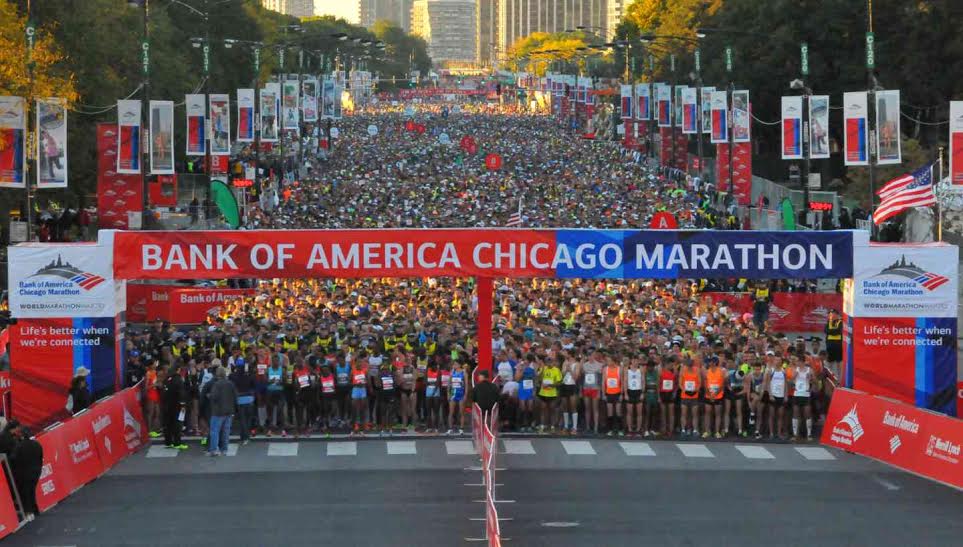
The Chicago Marathon is more than just a race; it’s a global pilgrimage for runners, a celebration of athletic achievement, and a vibrant immersion into the heart of one of America’s most iconic cities. Conquering the 26.2 miles through the streets of Chicago requires meticulous planning, dedicated training, and a strategic approach to race day itself. This guide delves into the essential aspects of preparing for and executing a successful [Chicago Marathon] experience, focusing on the journey from the initial decision to the triumphant finish line.
I. Pre-Race Preparation: Laying the Foundation for Success
The journey to race day begins long before you lace up your running shoes. It’s a holistic process encompassing physical conditioning, mental fortitude, and logistical planning to ensure you are fully prepared to tackle the demands of the [Chicago Marathon].

A. Crafting Your Training Plan
A well-structured training plan is the cornerstone of marathon success. It should be tailored to your current fitness level, experience, and available time.
- Build Your Base Mileage: Gradually increase your weekly mileage, prioritizing consistency over intensity in the early stages. Aim for a gradual escalation of no more than 10% per week to prevent injury.
- Incorporate Speed Work: As your base strengthens, introduce speed workouts such as tempo runs, interval training, and hill repeats. These sessions improve your lactate threshold, running economy, and overall pace.
- Long Runs are Paramount: Your weekly long run is crucial for building endurance and teaching your body to utilize fat as fuel. Gradually increase the distance of these runs, peaking around 20-22 miles a few weeks before race day.
- Cross-Training and Strength: Complement your running with activities like swimming, cycling, or yoga to improve cardiovascular fitness, reduce impact, and enhance flexibility. Strength training, focusing on core, glutes, and legs, is vital for injury prevention and running efficiency.
- Tapering is Key: The final 2-3 weeks before the marathon should involve a significant reduction in mileage and intensity. This taper allows your body to recover, rebuild, and store energy for race day.
B. Nutrition and Hydration: Fueling the Machine
Proper fueling is as critical as physical training. Your diet throughout your training cycle and on race day will directly impact your performance.
- Balanced Diet: Focus on a diet rich in whole grains, lean proteins, fruits, and vegetables. These provide essential nutrients and sustained energy.
- Carbohydrate Loading: In the few days leading up to the marathon, increase your carbohydrate intake to maximize glycogen stores. Prioritize complex carbohydrates like pasta, rice, and potatoes.
- Hydration Strategy: Stay consistently hydrated throughout your training. During long runs and the race, experiment with fluid intake, considering water and electrolyte drinks.
- Race Day Fueling: Plan your pre-race meal and in-race nutrition (gels, chews, or drinks) during your long runs to determine what works best for your stomach.
C. Gear and Equipment: The Right Tools for the Job
Selecting the appropriate gear can significantly enhance comfort and performance on race day.
- Running Shoes: Invest in well-fitting, comfortable running shoes that have been broken in during your training. Consider rotating between two pairs to allow them to fully dry and recover.
- Apparel: Choose moisture-wicking fabrics that are breathable and chafe-resistant. Dress in layers to accommodate changing weather conditions in Chicago.
- Socks: Opt for seamless, moisture-wicking socks to prevent blisters.
- Anti-Chafe Balm: Apply balm to any areas prone to chafing, such as thighs, underarms, and nipples.
- GPS Watch: A GPS watch can help you monitor pace and distance, aiding in race strategy.
D. Race Expo and Bib Pickup: The Pre-Race Ritual
The [Chicago Marathon] Expo is an essential part of the race experience, offering a chance to collect your bib, explore vendor booths, and soak in the pre-race atmosphere.
- Bib and Swag: Pick up your race bib, timing chip, and official race gear. Double-check that your bib number and name are correct.
- Medical Check: Consider visiting the medical tent for any last-minute advice or concerns.
- Expo Shopping: Browse the latest running gear, nutrition products, and souvenirs. Be mindful of overspending and introducing new, untested items into your race day kit.
II. Race Day Strategy: Executing Your Plan
Race day is the culmination of months of hard work. A well-defined strategy, both mentally and physically, will help you navigate the course and achieve your goals.

A. The Morning of the Race
A calm and organized morning is crucial for a successful race.
- Wake Up Early: Allow ample time for breakfast, dressing, and travel to the start line.
- Pre-Race Meal: Consume your planned pre-race meal 2-3 hours before the start, focusing on easily digestible carbohydrates.
- Hydrate: Sip water or an electrolyte drink in the hours leading up to the race.
- Travel to the Start: Plan your transportation to the start village well in advance. Public transport is often the most efficient option in Chicago.
- Warm-up: Engage in a light warm-up, including dynamic stretches and a short, easy jog, to prepare your muscles.
B. Pacing Your Race: Finding Your Rhythm
Maintaining an even pace is vital for marathon success. Going out too fast is a common mistake that can lead to a significant slowdown in the later miles.
- Start Conservatively: Aim to run the first few miles slightly slower than your target marathon pace. Allow your body to settle into its rhythm.
- Monitor Your Pace: Use your GPS watch or stride to keep track of your pace, but also listen to your body.
- Adjust as Needed: Be prepared to adjust your pace based on how you feel, the course profile, and weather conditions.
- Negative Splits (Optional but Ideal): The ultimate goal for many experienced runners is to achieve a “negative split,” meaning the second half of the race is faster than the first. This requires discipline and excellent pacing from the outset.
C. Nutrition and Hydration on Course
The [Chicago Marathon] course is well-supported with aid stations, but having a plan for your own nutrition is essential.
- Utilize Aid Stations: Take advantage of the water and electrolyte stations provided by the race organizers.
- Personal Fueling: Consume your planned energy gels, chews, or drinks at regular intervals (e.g., every 45-60 minutes) as practiced during your training.
- Listen to Your Body: If you feel sluggish or depleted, don’t hesitate to take on extra fuel or fluids.
D. Navigating the Course and Crowd Support
The [Chicago Marathon] course is known for its flat and fast profile, passing through diverse neighborhoods and offering incredible crowd support.
- Course Familiarity: Study the course map beforehand, noting any significant inclines or declines, and the locations of aid stations and mile markers.
- Embrace the Energy: The spectators in Chicago are legendary. Let their cheers and enthusiasm propel you forward.
- Stay Aware: Be mindful of other runners and course officials. Avoid weaving excessively, especially in the early miles.
- The Famous Lakefront Trail: A significant portion of the course runs along the scenic Lakefront Trail, offering beautiful views and a consistent surface.
III. Post-Race Recovery: Rebuilding and Reflecting
The race doesn’t end at the finish line. Proper recovery is crucial for minimizing soreness, preventing injury, and setting yourself up for future running endeavors.
A. Immediate Post-Race Care
- Keep Moving: Continue walking for at least 10-15 minutes after crossing the finish line to help your body transition.
- Replenish Fluids and Fuel: Immediately rehydrate with water and electrolytes, and consume a combination of carbohydrates and protein to kickstart muscle repair.
- Change into Dry Clothes: Get out of your sweaty race gear as soon as possible to prevent heat loss and stay comfortable.
- Gentle Stretching: Perform light, static stretches to help improve flexibility and reduce muscle stiffness.
B. The Days and Weeks After
- Active Recovery: Engage in light activities such as walking, swimming, or cycling in the days following the marathon. This promotes blood flow and aids in recovery.
- Listen to Your Body: Pay attention to any lingering aches or pains. Don’t rush back into intense training.
- Nutrition for Repair: Continue to prioritize a balanced diet rich in protein and anti-inflammatory foods to support tissue repair.
- Sleep: Adequate sleep is paramount for physical and mental recovery. Aim for 7-9 hours per night.
- Gradual Return to Running: When you feel ready, gradually reintroduce running into your routine, starting with short, easy runs.
Running the [Chicago Marathon] is an unforgettable experience. By approaching your preparation with discipline, executing your race day strategy with focus, and prioritizing your recovery, you’ll not only cross the finish line but also truly savor every step of your journey.
LifeOutOfTheBox is a participant in the Amazon Services LLC Associates Program, an affiliate advertising program designed to provide a means for sites to earn advertising fees by advertising and linking to Amazon.com. Amazon, the Amazon logo, AmazonSupply, and the AmazonSupply logo are trademarks of Amazon.com, Inc. or its affiliates. As an Amazon Associate we earn affiliate commissions from qualifying purchases.