
The TCS New York City Marathon is more than just a 26.2-mile race; it is a global phenomenon that turns the five boroughs of New York City into the world’s most energetic outdoor stadium. Every year, over 50,000 runners cross the finish line, surrounded by the roars of millions of spectators. Securing a spot in this historic event is an achievement in itself, as the race is one of the most sought-after endurance challenges in the world. Whether you are an elite athlete or a first-time marathoner, understanding the pathways to entry and the logistical demands of this race is essential for a successful journey through the concrete jungle.

Navigating the Entry Requirements
Securing an entry is the most daunting hurdle for most participants. Because demand far outstrips supply, the New York Road Runners (NYRR) utilize several specific pathways for entry.
Guaranteed Entry Pathways
The most straightforward way to run is by meeting the qualifying standards. These are categorized by age and gender, requiring impressive times in certified marathon events. If you are not an elite runner, you might qualify through the “9+1” program. This requires NYRR members to finish nine qualifying races and volunteer at one event within a single calendar year.
The General Entry Drawing
For those who do not qualify by time or participation, the lottery system is the primary option. The drawing, held annually, is entirely luck-based. Participants enter their information, and the lottery selection occurs months before the race, allowing successful applicants ample time to begin their training cycles.
International and Charity Partners
International runners should look into the International Tour Operators program. These travel agencies offer packages that include guaranteed race entry bundled with travel arrangements. Alternatively, running for an official charity partner is a powerful way to secure a bib. Participants commit to raising a specific financial goal for organizations like Team for Kids, turning their physical struggle into a philanthropic effort.
Training for the Five Boroughs
The course itself is a unique beast. Unlike the flat, record-breaking courses of other major marathons, the New York City Marathon is defined by its bridges and elevation changes.

Mastering the Bridges
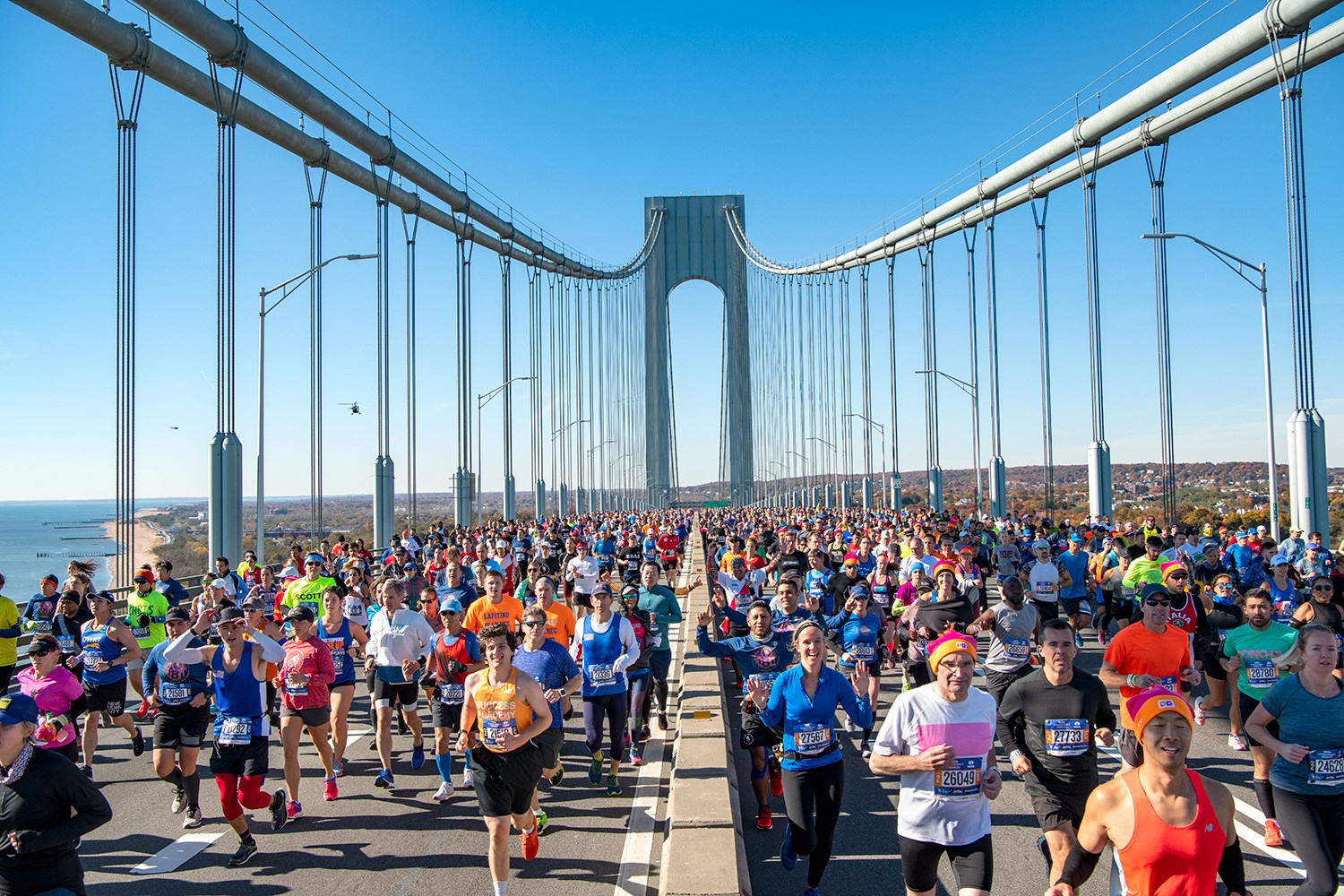
The race begins on Staten Island at the base of the Verrazzano-Narrows Bridge. This first mile is an uphill climb that tests your pacing discipline. Later in the race, you will tackle the Queensboro Bridge, a notorious stretch where the lack of spectators and the incline can break a runner’s spirit. Incorporating hill repeats into your weekly training is non-negotiable. You must train your legs to handle both the ascent of the bridges and the pounding descent that follows.
The Spectator Surge
Training in New York City allows you to acclimate to the sheer volume of crowd noise. The transition from the relative silence of the bridges to the deafening roar in Brooklyn or The Bronx can cause runners to speed up involuntarily. Your training runs should include intervals where you intentionally adjust your pace to ensure you don’t burn out before reaching the final stretch in Manhattan.
Race Day Logistics and Strategy
The logistics of race day are just as important as your physical conditioning. The marathon experience is an endurance test that starts long before the starting gun fires.
The Start Village Experience
Getting to the start line requires patience and preparation. Most runners take ferries or buses to the Fort Wadsworth start village. Expect a significant amount of “hurry up and wait” time. Pack comfortable, disposable layers that you can shed as you head to your assigned corral. The New York Road Runners provide detailed instructions on transportation; adhering to your assigned wave and corral time is critical for a smooth start.
Pacing the Course
The course map takes you through all five boroughs, starting in Staten Island, crossing through Brooklyn, Queens, The Bronx, and finally Manhattan.
- The Early Miles: Focus on controlled breathing and sticking to your goal pace. Adrenaline will try to push you faster, but the course is long.
- The Mid-Race Grind: As you pass through Long Island City and approach the Queensboro Bridge, maintain a steady rhythm. This is the mental “quiet zone” of the race.
- The Home Stretch: Once you exit the bridge and enter First Avenue, the crowd support will be overwhelming. This is the time to leverage the energy of the spectators to push through the final miles.
The Final Mile: Central Park
The finish line of the New York City Marathon is located in the heart of Central Park. This is arguably the most beautiful and challenging final stretch of any major marathon.
The Rolling Terrain of Central Park
Even after 25 miles of running, the terrain in Central Park is rolling and unpredictable. Many runners underestimate the final hills near Columbus Circle. Maintain your form, keep your eyes on the road, and focus on the finish line banner.
Post-Race Recovery
Crossing the finish line is a life-changing moment. Once you receive your medal, the logistics of leaving the park can be just as demanding as the race itself. The exit process is extensive, so keep your thermal poncho on and keep walking to keep your muscles from seizing. Hydration and nutrition are vital in the immediate hours following the race. Whether you are celebrating with a slice of local pizza or a quiet dinner in Midtown, take the time to soak in the accomplishment. Running through the streets of New York City is a testament to perseverance, and having successfully navigated the course, you have earned your place in the history of this legendary race.
LifeOutOfTheBox is a participant in the Amazon Services LLC Associates Program, an affiliate advertising program designed to provide a means for sites to earn advertising fees by advertising and linking to Amazon.com. Amazon, the Amazon logo, AmazonSupply, and the AmazonSupply logo are trademarks of Amazon.com, Inc. or its affiliates. As an Amazon Associate we earn affiliate commissions from qualifying purchases.