
When you step off the plane in Hawaii, the humid, flower-scented air acts as the first welcoming committee. However, true immersion into the spirit of these islands begins with your voice. Understanding the nuances of local greetings is more than a linguistic exercise; it is an act of cultural respect that bridges the gap between tourist and guest. In Polynesian culture, language carries mana—spiritual power—and knowing how to offer a proper greeting is the first step toward experiencing the genuine warmth of the Pacific islands.
The Versatility of Aloha
The most iconic word in the Hawaiian language is, of course, “Aloha.” While it is globally recognized, its application is often misunderstood by visitors who use it as a generic synonym for “hello.” In reality, Aloha is a profound philosophical framework.
Breaking Down the Meaning
The word itself is a combination of alo, meaning “presence” or “face,” and ha, the “breath of life.” To say Aloha is to acknowledge the presence of life within the person you are greeting. It is an exchange of energy. When you use it to say hello, you are not just checking in; you are stating that you recognize the divinity within the other person.
When and How to Use It
While Aloha can be used at any time of day, it is best reserved for sincere interactions. Whether you are greeting a concierge at the Halekulani Hotel or thanking a shopkeeper in Honolulu, the key is the delivery. It should be said with eye contact and a gentle smile. Avoid shouting it across a crowded beach or using it as a flippant “hi” while distracted by your phone. When you use it correctly, you invite the recipient to engage with you in a space of mutual respect.
Greetings Based on Time and Context
While Aloha is appropriate for almost any situation, the Hawaiian language offers specific phrases that demonstrate a deeper level of engagement with local customs. Using these shows that you have taken the time to appreciate the structure of the language.
Time-Specific Salutations
Much like in other cultures, Hawaii has specific ways to acknowledge the time of day:
- Aloha kakahiaka: This is the proper way to say “Good morning.” It is perfect for those early morning hikes up Diamond Head when you pass fellow trail-goers.
- Aloha awakea: Use this for “Good midday.” It is a polite greeting if you find yourself at a farmers market or exploring Waikiki during the lunch hour.
- Aloha auinala: This translates to “Good afternoon.” It is a lovely, formal way to greet someone as the sun begins to shift in the sky.
- Aloha ahiahi: Use this for “Good evening.” It is particularly appropriate when arriving at a luau or a dinner reservation in Lahaina.
Casual vs. Formal Interactions
If you are interacting with locals in more casual settings, such as chatting with a surfboard instructor at North Shore or meeting someone at a local café, you might hear a more relaxed cadence. Locals often use “Aloha” as a shorthand for everything, but they appreciate when a visitor acknowledges the culture by pronouncing words clearly. Do not feel the need to rush; the pace of life in the islands is dictated by the rhythm of the ocean, and your greetings should reflect that tranquility.
Understanding the “Shaka” Culture
In Hawaii, a greeting is not always verbal. Physical gestures play a significant role in how residents interact, and the “shaka” is the most famous example.
The Origins of the Shaka
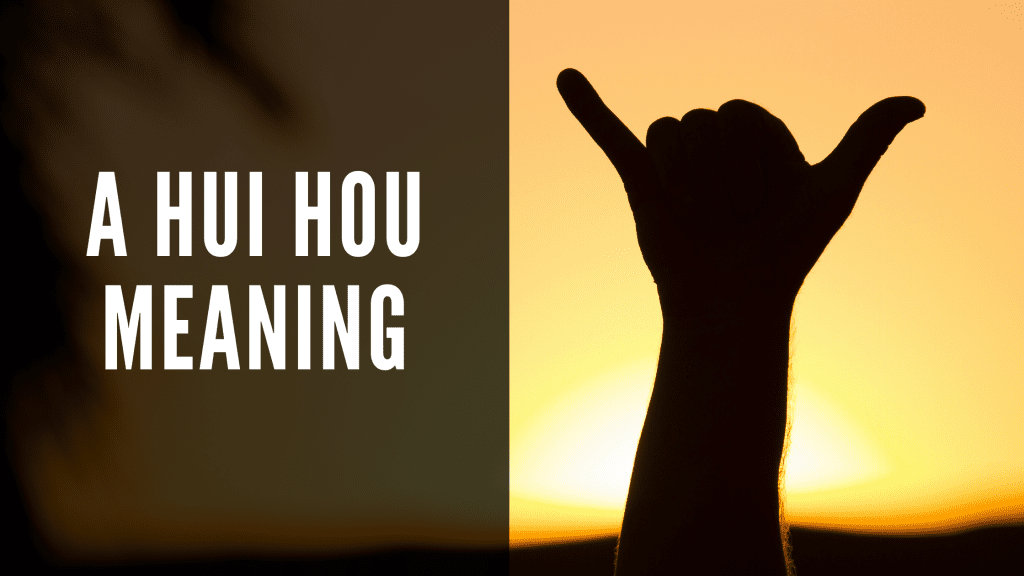
Often referred to as the “hang loose” sign, the shaka involves curling the three middle fingers and extending the thumb and pinky finger, usually accompanied by a slight flick of the wrist. While its exact origins are debated—with theories ranging from local fishermen to legendary surfers like Hamana Kalili—it has become the universal symbol of the islands.
When to Use the Shaka
The shaka is a non-verbal “hello,” “thank you,” or “goodbye.” It is a sign of solidarity and positive vibes. You might use the shaka when:
- Another driver lets you merge into traffic on the H3 Freeway.
- You are acknowledging a lifeguard at Hanauma Bay.
- You want to express appreciation to someone for their kindness or patience.
Using the shaka correctly is about intent. It is a way of saying “I see you, and I appreciate your presence.” It is never used in anger or aggression; if you see it, know that it is a gesture of goodwill intended to keep the atmosphere light and harmonious.
Cultural Etiquette and the Spirit of Ohana
The final layer of greeting in Hawaii involves understanding the concept of Ohana (family). When you visit the islands, you are entering someone else’s home, not just a vacation destination.
Respecting Local Boundaries
When greeting people, keep in mind that Hawaiians value privacy and modesty. If you are entering a sacred space, such as the grounds of Iolani Palace or a quiet residential neighborhood, a soft, polite acknowledgment is far better than a boisterous, tourist-heavy greeting. Observe how the locals interact with each other first. If you are quiet and observant, you will find that locals are incredibly welcoming, often initiating the conversation themselves once they see you are respectful of their customs.

The Importance of the Exchange
Remember that a greeting is an exchange. Whether you are at a high-end resort like the Four Seasons Resort Maui or exploring the rugged beauty of the Big Island, your greeting is a reflection of your character. By moving away from the standard, transactional greetings common in mainland United States and adopting the sincere, breath-based philosophy of Aloha, you transform your travel experience. You are no longer just visiting a place; you are becoming a temporary part of the tapestry that makes Hawaii unique.
Ultimately, saying “hello” in Hawaii is about showing that you have arrived with an open heart. It is about acknowledging that you are grateful to be on these lands and that you respect the traditions of the people who call them home. When you greet with Aloha, you aren’t just saying words—you are participating in a timeless tradition of kindness that defines the soul of the islands. So, breathe in, offer a genuine smile, and greet your host with the grace that the Pacific requires. You will find that the islands respond to that energy in kind.
LifeOutOfTheBox is a participant in the Amazon Services LLC Associates Program, an affiliate advertising program designed to provide a means for sites to earn advertising fees by advertising and linking to Amazon.com. Amazon, the Amazon logo, AmazonSupply, and the AmazonSupply logo are trademarks of Amazon.com, Inc. or its affiliates. As an Amazon Associate we earn affiliate commissions from qualifying purchases.