
When traveling, whether for leisure or business, the security of your hotel room is paramount. After a long day of exploring the vibrant streets of Tokyo or attending important meetings in New York City, the last thing you want to worry about is the safety of your belongings and your personal space. While most hotels provide standard security measures, a proactive approach can significantly enhance your peace of mind. This guide will delve into various methods and considerations to ensure your hotel door is as secure as possible, allowing you to fully enjoy your stay.

Our focus on travel encompasses everything from discovering hidden gems in Italy to experiencing the thrill of an African safari. We understand that reliable accommodation, be it a cozy boutique hotel in Paris or a sprawling resort in the Maldives, is a cornerstone of any memorable trip. This article, therefore, aligns perfectly with our mission to provide comprehensive travel advice, ensuring your experiences are both enjoyable and secure.
Understanding Hotel Door Security
Hotel room doors are typically equipped with several security features, but understanding their limitations and knowing how to augment them is key. Most modern hotel doors come with a deadbolt and a doorknob lock. Many also feature a secondary security latch or a security chain. While these are designed to deter casual intrusion, determined individuals may still find ways to bypass them.
The Standard Hotel Door Lock
The primary lock on most hotel room doors is the electronic card lock. These are convenient, as they can be easily reprogrammed if a guest loses their card, and they allow the hotel to track entry and exit times. However, these systems are not infallible. In rare cases, hotel key card systems can be compromised through sophisticated hacking techniques or by unauthorized duplication of cards. While this is an extreme scenario, it’s a reminder that relying solely on the electronic lock might not be sufficient for everyone.
Beyond the electronic lock, you’ll find a standard doorknob lock, often operated by a simple turn. This provides a basic level of security when you are inside the room. More importantly, most hotel doors also have a deadbolt. This is a crucial security feature, as it offers greater resistance to forced entry than a doorknob lock alone. Engaging the deadbolt significantly increases the difficulty for someone to kick in the door or use a credit card to jimmy it open.
Secondary Security Features
Many hotel rooms offer additional layers of security. The most common is the security chain, a metal bar attached to the door frame that allows you to open the door a crack while still keeping it secured. This is useful for receiving room service or for a quick peek at who is at the door without fully opening it. However, the effectiveness of a security chain can be compromised if it’s not properly installed or if the door frame is weak.
Another common feature is the door latch, often a metal bolt that slides into a receiver on the door frame. This acts similarly to a deadbolt but is usually less robust. Some modern hotels are incorporating more advanced security latches that are harder to bypass. It’s always advisable to familiarize yourself with these secondary features as soon as you enter your room.
Practical Steps to Enhance Your Hotel Room Security
Securing your hotel door isn’t just about understanding the existing locks; it’s about actively implementing strategies to make your room a less attractive target for any potential intruder. These steps range from simple, everyday practices to carrying a few extra items that can provide significant peace of mind.
Upon Arrival and Check-In
Your security begins the moment you arrive at your hotel. When checking in, avoid announcing your room number loudly or engaging in lengthy conversations about your room details in public areas. This prevents individuals with ill intentions from overhearing your room number.
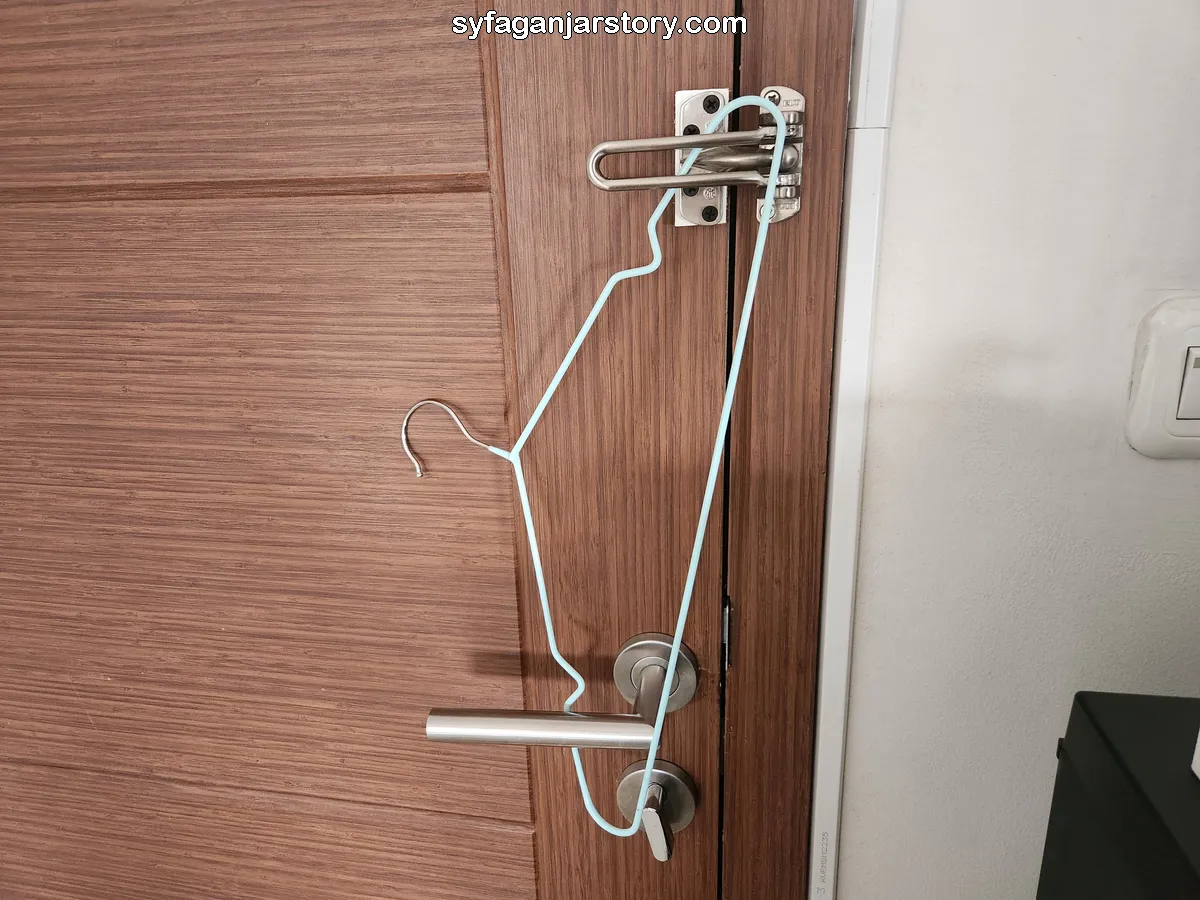
- Inspect the Door and Locks: Once you reach your room, take a moment to thoroughly inspect the door. Check for any signs of forced entry, such as scratches around the lock or frame. Test all the locks—the electronic card lock, the doorknob lock, and the deadbolt—to ensure they are functioning correctly. If anything seems amiss, do not hesitate to report it to the hotel front desk and request a room change. A reputable hotel will always prioritize guest safety.
- Understand the Latch and Chain: Familiarize yourself with the secondary security features, like the security chain and any additional latches. Understand how they operate and ensure they are sturdy.
Daily Security Practices
Consistency is key when it comes to security. These practices should become second nature during your stay.
- Always Engage the Deadbolt: This is perhaps the most critical step. Whenever you are in your room, and especially when you are sleeping, always engage the deadbolt. This provides a significant barrier against forced entry.
- Use the Security Chain/Latch: When answering the door for room service, unexpected visitors, or hotel staff (whom you should verify beforehand), use the security chain or latch. This allows you to communicate without fully opening the door.
- Never Leave Your Door Unlocked: Even if you are just stepping out for a moment to collect mail or speak to a neighbor, always lock your door. It takes only seconds for someone to slip into an unlocked room.
- Be Wary of Unsolicited Visitors: Hotel staff will always have identification. If someone claims to be from the hotel and you are not expecting them, ask for their ID and call the front desk to verify their identity and purpose before opening the door.
- Secure Your Balcony and Connecting Doors: If your room has a balcony, ensure the door is locked when you are not using it. Also, be aware of any connecting doors to adjacent rooms. While these are typically locked from both sides, it’s good practice to ensure they are secure, especially if they feel flimsy or appear to be tampered with.
Additional Security Measures and Gadgets
For travelers who prioritize an extra layer of security, or for those staying in less reputable establishments or areas, there are portable devices and simple tricks that can further bolster your hotel room’s defenses. These are particularly useful for solo travelers or those carrying valuable items.
Portable Door Locks
In recent years, a variety of portable door lock devices have become popular among travelers. These are designed to add an extra barrier to your hotel room door from the inside, making it much harder to force open.
- Addalock or Door Jammer: Devices like the Addalock or a door jammer are small, portable gadgets that brace against the door and the floor. When installed, they prevent the door from being opened inwards, offering robust protection against forced entry. They are easy to use, require no installation, and can be a significant deterrent.
- Portable Door Reinforcer: Other devices work by inserting into the door frame or latch mechanism, reinforcing it from the inside. These are often made of strong metal and can be very effective. Always ensure any portable lock you consider is lightweight, easy to pack, and simple to operate. Check hotel policies if you are concerned about using such devices, although they are generally accepted for personal security.
Using Your Own Belongings for Security
Sometimes, the most effective security measures are those you can improvise with everyday items.
- Wedge a Chair Under the Door: A simple but often effective method is to place a sturdy chair (with a back) under the doorknob. This can prevent the door from being opened inwards, acting as a makeshift deadbolt. Ensure the chair is stable and won’t easily topple.
- Luggage as a Barrier: For added security, especially while sleeping, you can strategically place your heavier luggage against the door. This can provide an audible warning if someone attempts to force entry and can slow them down.
- Door Alarm: Small, battery-operated door alarms can be placed on the inside of your door. If the door is opened, the alarm emits a loud siren, which can startle an intruder and alert others nearby. These are inexpensive, lightweight, and can be a highly effective deterrent.

Mindful Travel and Accommodation Choices
Beyond physical security measures for the door itself, your overall travel choices play a significant role in your safety. When choosing accommodations, particularly in unfamiliar cities or countries, do your research.
- Read Reviews: Online reviews for hotels can offer valuable insights into the safety and security of a property. Look for comments specifically mentioning the reliability of locks, the safety of the neighborhood, and any concerning incidents. Websites like TripAdvisor and booking platforms often have detailed review sections.
- Consider Location: The neighborhood in which your hotel is located is a crucial factor. Research the safety of the area, especially if you plan on walking around at night. For instance, a hotel in a well-lit, busy area of Rome might feel more secure than one in an isolated spot.
- Choose Reputable Chains: Major hotel chains often have more stringent security protocols and well-maintained facilities compared to independent establishments. While this isn’t always the case, it can be a general indicator of reliability. For example, staying at a Marriott or an InterContinental often comes with a baseline expectation of good security.
- Be Aware of Your Surroundings: Whether you are in your hotel room or out exploring, maintaining situational awareness is key. Trust your instincts. If a place or a person makes you feel uncomfortable, it’s usually best to remove yourself from the situation.
By combining the standard security features of your hotel room with these practical tips and portable solutions, you can significantly enhance your sense of security and enjoy your travels with greater peace of mind. Remember, proactive security is the best security.
LifeOutOfTheBox is a participant in the Amazon Services LLC Associates Program, an affiliate advertising program designed to provide a means for sites to earn advertising fees by advertising and linking to Amazon.com. Amazon, the Amazon logo, AmazonSupply, and the AmazonSupply logo are trademarks of Amazon.com, Inc. or its affiliates. As an Amazon Associate we earn affiliate commissions from qualifying purchases.