
Selling a vehicle privately in the Sunshine State can be a rewarding experience, allowing you to potentially secure a higher price than trading it in or selling to a dealership. However, navigating the process requires a thorough understanding of Florida’s specific regulations and best practices. This comprehensive guide will walk you through every step, from preparing your car for sale to completing the necessary paperwork, ensuring a smooth and legal transaction.
Preparing Your Vehicle for a Private Sale
Before listing your car, meticulous preparation is key to attracting buyers and commanding a fair price. A clean, well-maintained vehicle not only looks more appealing but also signals to potential buyers that the car has been cared for.
Deep Cleaning and Detailing
A thorough cleaning can significantly enhance your car’s perceived value. Start with a complete exterior wash and wax, paying attention to the wheels, tires, and glass. Inside, vacuum the carpets and upholstery, wipe down all surfaces, and clean the windows. Don’t forget to declutter the interior, removing any personal belongings. Consider a professional detailing service for an even more impressive finish, especially if your car has been subject to heavy use or has minor cosmetic blemishes. Odor removal, such as from smoke or pets, is also crucial for first impressions.
Mechanical Inspection and Maintenance
Honesty and transparency are paramount in private sales. Before listing your car, it’s advisable to address any minor mechanical issues. This might include replacing worn tires, fixing a rattling exhaust, or topping off essential fluids. A pre-sale inspection by a trusted mechanic can identify potential problems and give you a clear understanding of your car’s condition. You can then decide which repairs are cost-effective to undertake before the sale. Keeping maintenance records readily available provides buyers with confidence in your vehicle’s history.
Gathering Essential Documents
Having all necessary documentation organized will streamline the sales process and build trust with prospective buyers. This includes:
- Vehicle Title (Florida Certificate of Title): This is the most critical document. Ensure it is free of any liens. If you have a loan on the car, you’ll need to pay it off and obtain a lien release from the lender before you can transfer ownership. The title should be signed over by all registered owners listed on the document.
- Bill of Sale: While not always legally required by the Florida Department of Highway Safety and Motor Vehicles (FLHSMV) for private sales when a title is present, a Bill of Sale is highly recommended. It serves as a receipt for the buyer and a record for both parties, detailing the sale price, date, vehicle information (VIN, make, model, year), and names/addresses of the buyer and seller. You can find templates online or create your own.
- Maintenance Records: As mentioned, providing a history of your car’s upkeep demonstrates its reliability.
- Odometer Disclosure Statement: Florida law requires sellers to accurately disclose the vehicle’s mileage at the time of sale. This is typically done on the title itself or a separate odometer disclosure form provided by the FLHSMV.
Pricing Your Car and Marketing Effectively
Setting the right price and effectively marketing your vehicle are crucial for attracting interested buyers and achieving your desired sale price.
Determining the Market Value
Research is key to pricing your car competitively. Utilize online resources like Kelley Blue Book (KBB), NADA Guides, and Edmunds to get an estimate of your car’s value based on its make, model, year, mileage, condition, and options. Consider local market conditions and comparable sales in your area. Factor in any recent maintenance or upgrades you’ve made, as these can add value. It’s often wise to price slightly above your absolute minimum to allow for negotiation.
Creating a Compelling Listing
A well-crafted advertisement is your first impression on potential buyers.
High-Quality Photographs
Invest time in taking clear, well-lit, and numerous photographs of your car. Capture the exterior from all angles, highlighting any special features. Inside, photograph the dashboard, seats, trunk, and any unique interior elements. If there are minor imperfections, it’s better to show them honestly in photos rather than have a buyer discover them in person.
Detailed and Honest Description
Write a comprehensive description that includes:
- Vehicle Information: Year, Make, Model, Trim Level, Mileage, VIN.
- Key Features: Engine size, transmission type, fuel efficiency, any notable options (e.g., sunroof, navigation system, leather seats, premium sound system).
- Condition: Be transparent about any cosmetic flaws (scratches, dents) or minor mechanical issues. If you’ve recently performed maintenance, list it (e.g., new tires, recent oil change, new battery).
- Reason for Selling: Briefly explaining why you’re selling can sometimes build rapport.
- Contact Information: Your preferred method of contact.
Choosing the Right Platforms
Several platforms are available for selling a car privately in Florida:
- Online Marketplaces: Websites like Craigslist, Facebook Marketplace, and eBay Motors are popular choices. They offer broad reach and are generally free or low-cost to use.
- Local Classifieds: Local newspapers or community bulletin boards can still be effective for reaching buyers in your immediate area.
- Specialty Websites: If you have a classic or unique vehicle, consider niche websites dedicated to those types of cars.
When posting, be mindful of your safety and consider meeting potential buyers in public, well-lit locations.
Navigating the Sales Process and Finalizing the Transaction
Once you have interested buyers, the real work of negotiation and closing the deal begins.
Showing Your Car and Handling Test Drives
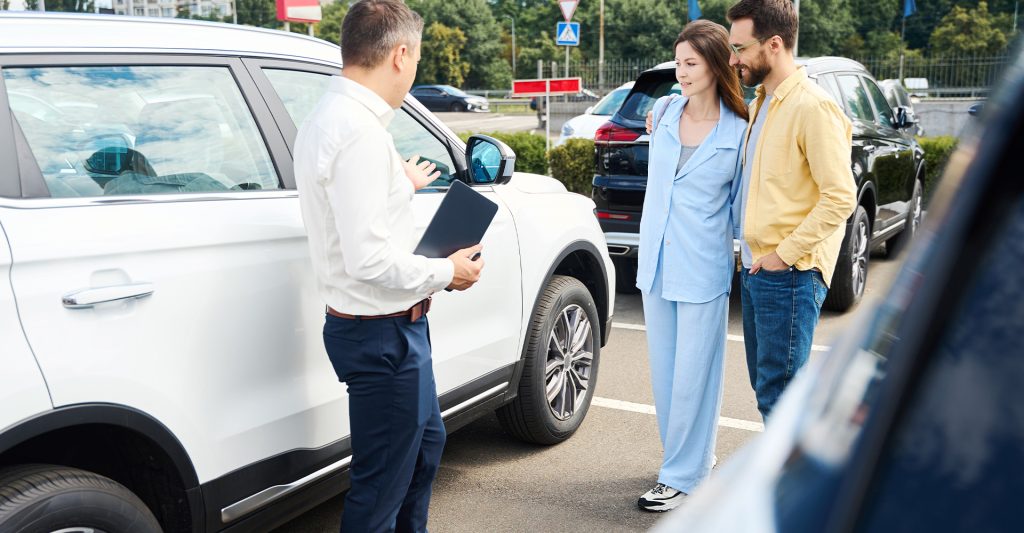
When a potential buyer expresses interest, arrange a convenient time and place for them to view the vehicle. As mentioned, public locations like a busy shopping center parking lot during the day are ideal for safety. Accompany the buyer on any test drives. Before they drive, confirm they have a valid driver’s license. During the test drive, observe their driving style and answer any questions they might have honestly.
Negotiating the Price
Be prepared for negotiation. Know your car’s value and your minimum acceptable price. Listen to the buyer’s offer and counter-arguments. If a buyer points out a flaw, assess if it’s a valid point and if it warrants a price reduction, especially if it’s something you hadn’t planned to fix. Be firm but fair. If negotiations stall, it’s okay to politely walk away; there will likely be other buyers.
Completing the Paperwork and Payment
Once a price is agreed upon, it’s time to finalize the transaction.
The Bill of Sale
Ensure a Bill of Sale is properly filled out with all details mentioned previously, including the agreed-upon price and date. Both you and the buyer should sign and date the document. It’s wise to make two copies, one for you and one for the buyer.
Title Transfer in Florida
This is the most critical step. You will need to transfer ownership of the vehicle to the buyer via the Florida Certificate of Title.
- Seller’s Signature: Sign your name on the designated line(s) for the seller on the title. If there are multiple owners listed with “and,” all must sign. If listed with “or,” only one needs to sign.
- Odometer Reading: Accurately record the vehicle’s mileage in the designated section of the title or on a separate odometer disclosure statement. Federal and state law requires this.
- Buyer’s Information: The buyer will need to complete their information on the title.
- Lien Release (if applicable): If there was a lien on the title, ensure the lienholder has signed off on the lien release section, or you have a separate notarized lien release document from them.
Payment
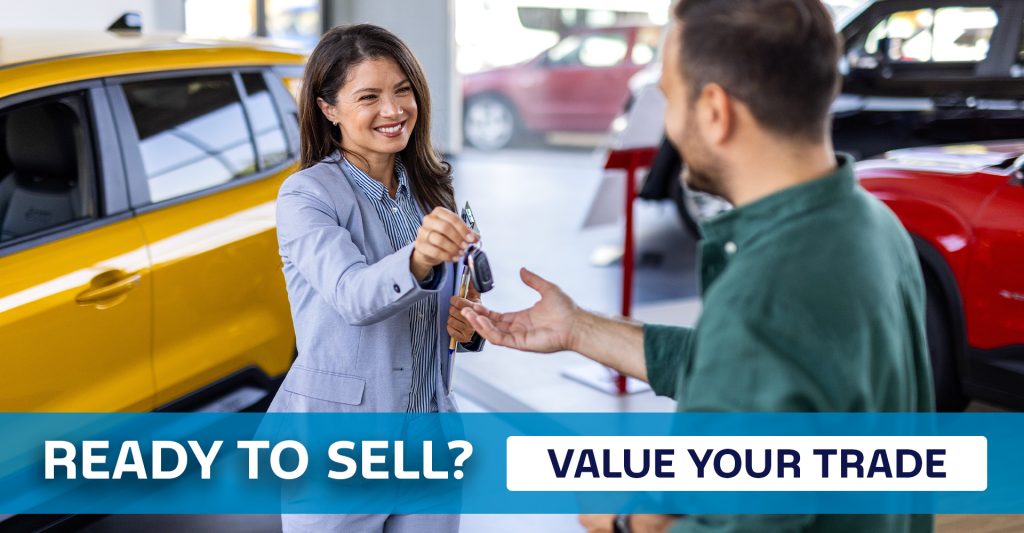
Always secure payment before handing over the keys and the signed title. Cash is often preferred for private sales, but be wary of large amounts of cash. For larger transactions, consider meeting the buyer at their bank to witness a cashier’s check being issued, or have them wire the funds directly to your account and wait for confirmation of the funds before completing the transfer. Avoid personal checks or money orders as they can be fraudulent.
Notifying the Florida DHSMV
After the sale, you have a few responsibilities:
- Vehicle Title Transfer: The buyer is responsible for taking the signed title to the Florida Department of Highway Safety and Motor Vehicles (FLHSMV) to register the vehicle in their name and pay applicable taxes and fees.
- Seller’s Notification of Sale: While not always strictly enforced for private sales with a title transfer, it is highly recommended that you notify the FLHSMV that you have sold the vehicle. This can help protect you from liability if the buyer is involved in an accident or traffic violation before they officially transfer the title. You can do this by submitting a Notice of Sale form, often available on the FLHSMV website. This form typically requires details about the buyer, the vehicle, and the sale date.
Post-Sale Responsibilities and Avoiding Common Pitfalls
Completing the transaction is not the end of your responsibilities. Taking a few final steps can prevent future headaches.
Removing License Plates
In Florida, license plates are generally transferable with the vehicle. However, if you wish to keep your license plate for a new vehicle, you should remove it before the buyer takes possession. You can then transfer it to your next vehicle or surrender it to the FLHSMV if it’s no longer needed.

Dealing with Potential Issues
While most private sales go smoothly, be aware of potential issues:
- “As-Is” Sale: It is standard practice in private vehicle sales to sell the car “as-is.” This means the buyer accepts the vehicle in its current condition, and you are generally not responsible for repairs after the sale, provided you have been truthful about the car’s condition. However, deliberate misrepresentation can lead to legal issues.
- Buyer Remorse: Once the sale is complete and the title is transferred, the buyer’s decision is final. You are not obligated to take the car back.
- Fraudulent Buyers: Be vigilant for signs of fraud, such as buyers who are overly insistent on specific payment methods or who try to rush the process.
By following these guidelines, you can confidently sell your car privately in Florida, ensuring a legal, transparent, and ultimately successful transaction. Thorough preparation, honest communication, and adherence to Florida’s regulations will pave the way for a positive outcome.
LifeOutOfTheBox is a participant in the Amazon Services LLC Associates Program, an affiliate advertising program designed to provide a means for sites to earn advertising fees by advertising and linking to Amazon.com. Amazon, the Amazon logo, AmazonSupply, and the AmazonSupply logo are trademarks of Amazon.com, Inc. or its affiliates. As an Amazon Associate we earn affiliate commissions from qualifying purchases.