
Selling a vehicle in the Beaver State involves navigating a specific set of regulations and best practices designed to ensure a smooth and legal transaction for both buyer and seller. Whether you’re a seasoned car dealer or an individual looking to offload a personal vehicle, understanding the requirements of the Oregon Department of Transportation (ODOT) and local nuances is paramount. This guide will walk you through the essential steps to successfully sell your car in Oregon.
Understanding Oregon’s Vehicle Title and Registration Requirements
The cornerstone of any vehicle sale is proper title and registration transfer. In Oregon, the ODOT handles these processes. Ensuring your documentation is in order before listing your car will prevent delays and potential legal complications.

The Oregon Title (Certificate of Title)
The title is the official proof of ownership for your vehicle. It contains vital information such as the vehicle identification number (VIN), make, model, year, and the current owner’s name.
- Locating Your Title: If you have a loan on the vehicle, your lender likely holds the title. You will need to pay off the loan to obtain it. If you own the vehicle outright, you should have received the title when you purchased it.
- Name Correction: If your name on the title is incorrect or has changed due to marriage or divorce, you’ll need to update it with the ODOT before you can transfer ownership. This usually involves submitting supporting documentation.
- Lost Title: If you’ve misplaced your title, you can apply for a duplicate from the ODOT. This process can take some time, so it’s best to address it well in advance of your planned sale.
- Seller’s Responsibilities: As the seller, you must properly complete the assignment of title section. This includes accurately recording the buyer’s name and address, the sale date, and the final sale price. You will also need to provide the odometer reading at the time of sale.
Registration and Plates
In Oregon, vehicle registration is handled by the DMV. When you sell a vehicle, you generally keep your license plates unless the plates are specifically tied to the vehicle.
- License Plates: Most Oregon license plates are transferable to a new vehicle you purchase or can be returned to the DMV. It’s crucial to confirm the specific rules regarding your plates. Do not leave the plates on the car you are selling.
- Lien Release: If there was a lien on your title (meaning you had a loan), you must obtain a lien release from your lender. This document, along with the title, is necessary for transferring ownership to the buyer.
Preparing Your Car for Sale
A well-prepared vehicle not only fetches a better price but also makes the sales process smoother. This involves cleaning, necessary repairs, and gathering all pertinent documentation.
Detailing and Minor Repairs
First impressions matter. A clean car signals that it has been well-maintained.
- Exterior Cleaning: Wash and wax the exterior. Clean the wheels, tires, and windows thoroughly. Address any minor scratches or dings if feasible and cost-effective.
- Interior Cleaning: Vacuum the carpets and seats. Wipe down the dashboard, door panels, and console. Remove any personal items and ensure the interior smells fresh. Consider a professional detailing if the car is particularly dirty or has stubborn stains.
- Mechanical Check-up: Address any minor mechanical issues. Ensure all lights are working, tires are properly inflated, and fluids are at the correct levels. Small repairs, such as replacing a burnt-out bulb or topping up essential fluids, can make a significant difference. For larger, more costly repairs, it’s often best to disclose the issue and adjust the price accordingly.
Gathering Essential Documents
Having all your paperwork ready demonstrates your professionalism and facilitates the buyer’s due diligence.
- Maintenance Records: Compile all service and repair records. This history provides buyers with confidence in the vehicle’s upkeep.
- Owner’s Manual: The owner’s manual is a valuable document that most buyers appreciate having.
- Warranty Information: If any part of the vehicle is still under warranty, gather those documents.
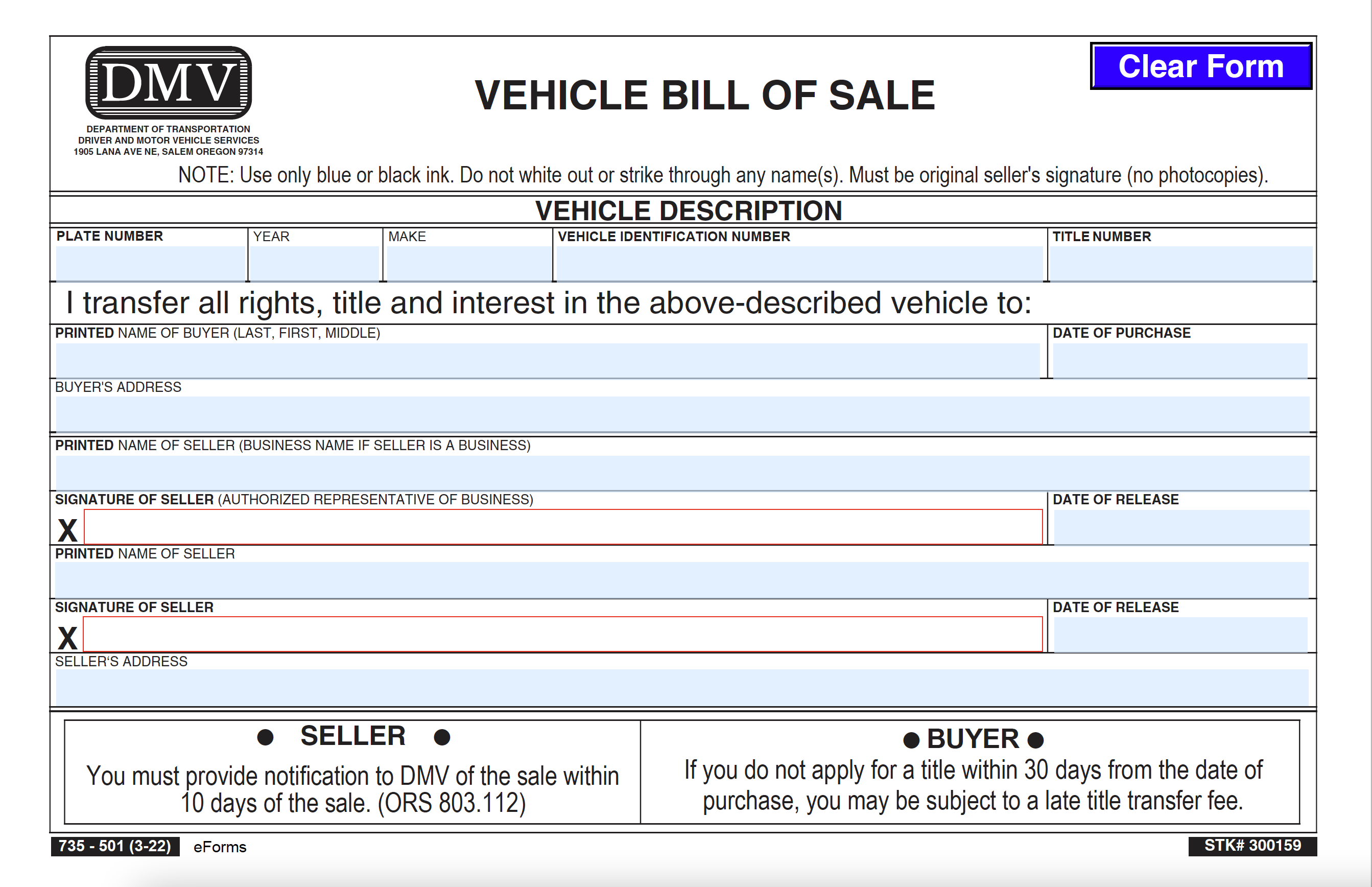
- Bill of Sale: While not always strictly mandatory for private sales if the title is properly signed over, a Bill of Sale is highly recommended. It serves as a receipt for the transaction and outlines the terms, including the sale price, date, vehicle details (VIN, make, model, year), and the names and addresses of both buyer and seller. It should also state that the car is being sold “as-is,” which is common in private sales.
Pricing Your Vehicle Effectively
Determining the right price is a delicate balance between maximizing your profit and ensuring a timely sale. Market research is key.
Researching Market Value
Several online resources can help you gauge your car’s worth.
- Online Valuation Tools: Websites like Kelley Blue Book (KBB), Edmunds, and NADA Guides provide estimated values based on your car’s year, make, model, mileage, condition, and features.
- Local Market Analysis: Browse online classifieds and local dealership websites to see what similar vehicles are selling for in your area. Pay attention to mileage, condition, and trim levels.
- Consider the “As-Is” Factor: In Oregon, private party sales are typically “as-is,” meaning the buyer accepts the vehicle in its current condition with no warranty. This should be reflected in your pricing.
Setting a Competitive Price
- Be Realistic: While you want to get the best price, an overly ambitious price will deter potential buyers.
- Factor in Negotiation: Most buyers expect to negotiate. Price your car slightly higher than your absolute minimum to allow for some wiggle room.
- Condition and Mileage: Higher mileage and poorer condition will necessitate a lower price. Conversely, a car in pristine condition with low mileage can command a premium.
Marketing and Selling Your Car
Once your car is prepped and priced, it’s time to find a buyer. A multi-faceted approach can yield the best results.
Online Advertising
Online platforms are the most popular way to reach a wide audience.
- Classified Websites: Popular options include Craigslist, Facebook Marketplace, and dedicated car selling websites like Autotrader or Cars.com.
- Compelling Listing:
- High-Quality Photos: Take clear, well-lit photos from various angles, including the interior, exterior, engine bay, and any notable features or flaws.
- Detailed Description: Be honest and thorough. Include all the specifications (year, make, model, mileage, VIN), any recent maintenance, features, condition (both good and bad), and why you are selling the car.
- Keywords: Use relevant keywords in your title and description to improve search visibility.
- Contact Information: Provide a reliable way for interested parties to reach you.
Private Viewings and Test Drives
Safety and professionalism are key during this stage.
- Screening Buyers: Be wary of offers that seem too good to be true or buyers who are unwilling to inspect the car in person.
- Safe Meeting Location: Arrange to meet potential buyers in a well-lit, public place. Consider a police station parking lot or a busy shopping center.
- Accompany Test Drives: Never let a potential buyer test drive the car alone. Accompany them and ask for their driver’s license before they get behind the wheel.
- Disclosure: Be upfront about any known issues with the vehicle. Honesty builds trust.
Negotiating the Sale
Be prepared to negotiate the price.
- Know Your Bottom Line: Have a minimum price in mind that you are willing to accept.
- Be Firm but Fair: Listen to the buyer’s offer, but don’t be afraid to counter if it’s too low.
- Avoid Pressure Tactics: Don’t feel pressured to accept an offer you’re not comfortable with.
Completing the Transaction and Paperwork
The final steps are crucial for a legal and complete sale. This is where the Oregon title transfer takes place.
The Sale and Payment
- Payment Methods: Cash is often preferred for private sales, but be cautious when accepting large sums. Consider a cashier’s check from a reputable bank or an escrow service for significant transactions. Verify the authenticity of checks before releasing the vehicle or title.
- Bill of Sale: As mentioned, a Bill of Sale is a vital document. Ensure both parties sign and retain a copy.
Transferring the Title and Registration
This is the most critical part of the transaction.
- Completing the Title: You, as the seller, must sign the title over to the buyer in the designated section. This includes entering the buyer’s name and address, the odometer reading, and the sale date and price.
- Odometer Disclosure: Oregon law requires accurate disclosure of the odometer reading at the time of sale. Tampering with or misrepresenting the odometer is illegal.
- Buyer’s Responsibility: The buyer is responsible for submitting the properly signed title to the Oregon DMV within 30 days of purchase to register the vehicle in their name and pay the applicable title and registration fees.
- Seller’s Notification of Sale: While not always mandatory, it’s a good practice to notify the ODOT that you have sold the vehicle. This can help protect you from liability if the buyer fails to register the car promptly. You can often do this online through the ODOT website.

Removing License Plates
Remember to remove your license plates from the vehicle before the buyer takes possession.
By following these steps, you can confidently navigate the process of selling your car in Oregon, ensuring a legal, fair, and satisfactory outcome for all parties involved.
LifeOutOfTheBox is a participant in the Amazon Services LLC Associates Program, an affiliate advertising program designed to provide a means for sites to earn advertising fees by advertising and linking to Amazon.com. Amazon, the Amazon logo, AmazonSupply, and the AmazonSupply logo are trademarks of Amazon.com, Inc. or its affiliates. As an Amazon Associate we earn affiliate commissions from qualifying purchases.