
Selling a car can be a significant undertaking, often signaling a shift in lifestyle, a planned adventure, or a strategic financial move. For those residing in the expansive and diverse landscape of Texas, understanding the nuances of the local market and legal requirements is paramount. Whether you’re preparing for an exciting international relocation, opting for a car-free urban exploration in cities like Austin or San Antonio, or simply freeing up capital to fund future travel dreams, a well-executed car sale can provide a substantial boost to your plans.
This comprehensive guide will navigate you through the process of selling a car in the Lone Star State, from initial considerations and market research to preparing your vehicle, handling paperwork, and finalizing the sale. We’ll also explore how the proceeds from your sale can unlock new possibilities for travel, accommodation, and enriching lifestyle experiences, transforming a logistical task into a gateway for your next grand adventure.
Understanding the Texas Car Market: A Traveler’s Perspective
The car market in Texas is as vast and varied as the state itself. From bustling metropolises like Houston and Dallas to rural stretches near Big Bend National Park, demand, pricing, and buyer preferences can differ significantly. For someone planning a significant life change, such as embarking on a long-term journey or downsizing their possessions, understanding these dynamics is crucial for securing the best possible return.
Initial Considerations: Why Sell Now?
Before diving into the mechanics of selling, reflect on the primary motivation behind your decision. Is it to simplify your life before a move to a walkable city center where public transport or ride-shares suffice? Perhaps you’re transitioning to a remote work lifestyle, making daily commutes obsolete, and you envision using the extra funds for a series of boutique hotel stays across Europe or a luxury resort experience on the Mexican Caribbean. Or maybe, you’re preparing for an extended period of budget travel, where every dollar saved or earned makes a difference in extending your journey.
Your reason for selling often dictates the urgency and the amount of effort you’re willing to invest. If time is of the essence due to an impending relocation or departure date, you might prioritize a quick sale through a dealership or trade-in, even if it means a slightly lower offer. However, if your timeline is flexible and your goal is to maximize profit to fund an ambitious travel itinerary, a private sale might be the most rewarding path. Consider the current market conditions in Texas as well; a seller’s market might encourage a faster and more profitable transaction, directly influencing your travel budget.

Market Research for Optimal Value
To ensure you price your vehicle competitively and fairly, thorough market research is indispensable. Start by exploring online platforms like Kelley Blue Book (KBB.com), Edmunds, and NADAguides to get an estimated value for your specific make, model, year, mileage, and condition. These resources provide a benchmark, but remember that local market demand in cities like El Paso or Corpus Christi can influence the final price.
Next, browse local listings on websites like Craigslist, Facebook Marketplace, and dealership inventories in your area of Texas. This will give you a real-world perspective on what similar vehicles are actually selling for. Pay attention to how other sellers describe their cars, the quality of their photos, and any unique features that might add value. This research not only helps you determine an asking price but also informs your strategy for highlighting your car’s best attributes. A well-priced car sells faster, allowing you to move on to your next adventure without delay, whether that’s a road trip through Guadalupe Mountains National Park or settling into a long-term apartment in a new city.
Navigating the Sale: Documentation and Legalities in the Lone Star State
Selling a car in Texas involves more than just finding a buyer; it requires meticulous attention to documentation and adherence to state laws. Ensuring all legal requirements are met not only protects you as the seller but also provides peace of mind for the buyer, streamlining the transaction and preventing future headaches. For those whose goal is to swiftly transition from car ownership to a nomadic lifestyle or a long-term stay in a new destination, understanding these steps is critical.
Essential Documents for a Smooth Sale
Gathering all necessary paperwork before listing your vehicle will make the selling process considerably smoother. Here’s a checklist of key documents you’ll need:
- Vehicle Title (Certificate of Title): This is the most crucial document, proving you are the legal owner of the vehicle. Ensure the title is in your name, free of liens, and readily available. If there’s an outstanding loan, you’ll need to pay it off to receive the lien-free title from your lender before you can transfer ownership. This might require careful financial planning, especially if the proceeds are earmarked for a significant travel experience or accommodation booking.
- Current Registration: While not strictly required for the sale, having the current registration demonstrates the vehicle’s roadworthiness and provides additional information about its history.
- Maintenance Records: A detailed history of oil changes, repairs, and preventative maintenance can significantly boost a buyer’s confidence and potentially the car’s value. Buyers, especially those planning long drives, appreciate knowing the car has been well-cared for. This can be particularly reassuring if the vehicle is being purchased for cross-country road trips or adventures in neighboring states like Oklahoma or New Mexico.
- Buyer’s Guide (if applicable): While primarily for dealerships, it’s good practice to be transparent about any known issues with the vehicle, especially if selling “as-is.”
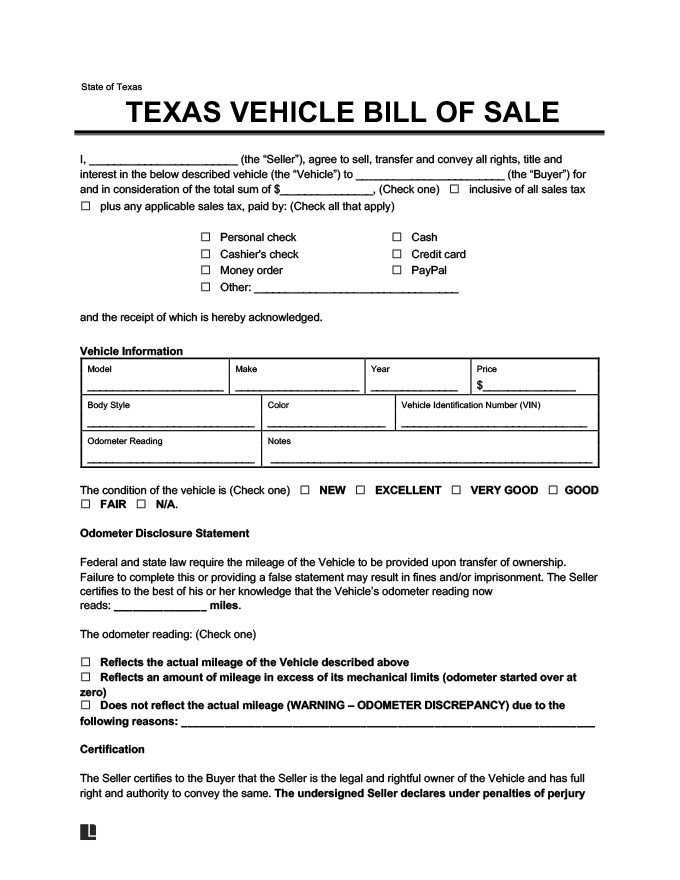
- Odometer Disclosure Statement: Texas law requires sellers to provide an accurate odometer reading to the buyer. This is typically done on the back of the title or on a separate form.
Having these documents organized and ready can significantly shorten the sales cycle, allowing you to quickly move on to booking that dream vacation or extended stay at a resort.
Protecting Yourself: The Legalities of Selling in Texas
Texas has specific regulations to protect both buyers and sellers in private vehicle transactions. Familiarize yourself with these to ensure a legally sound and stress-free sale:
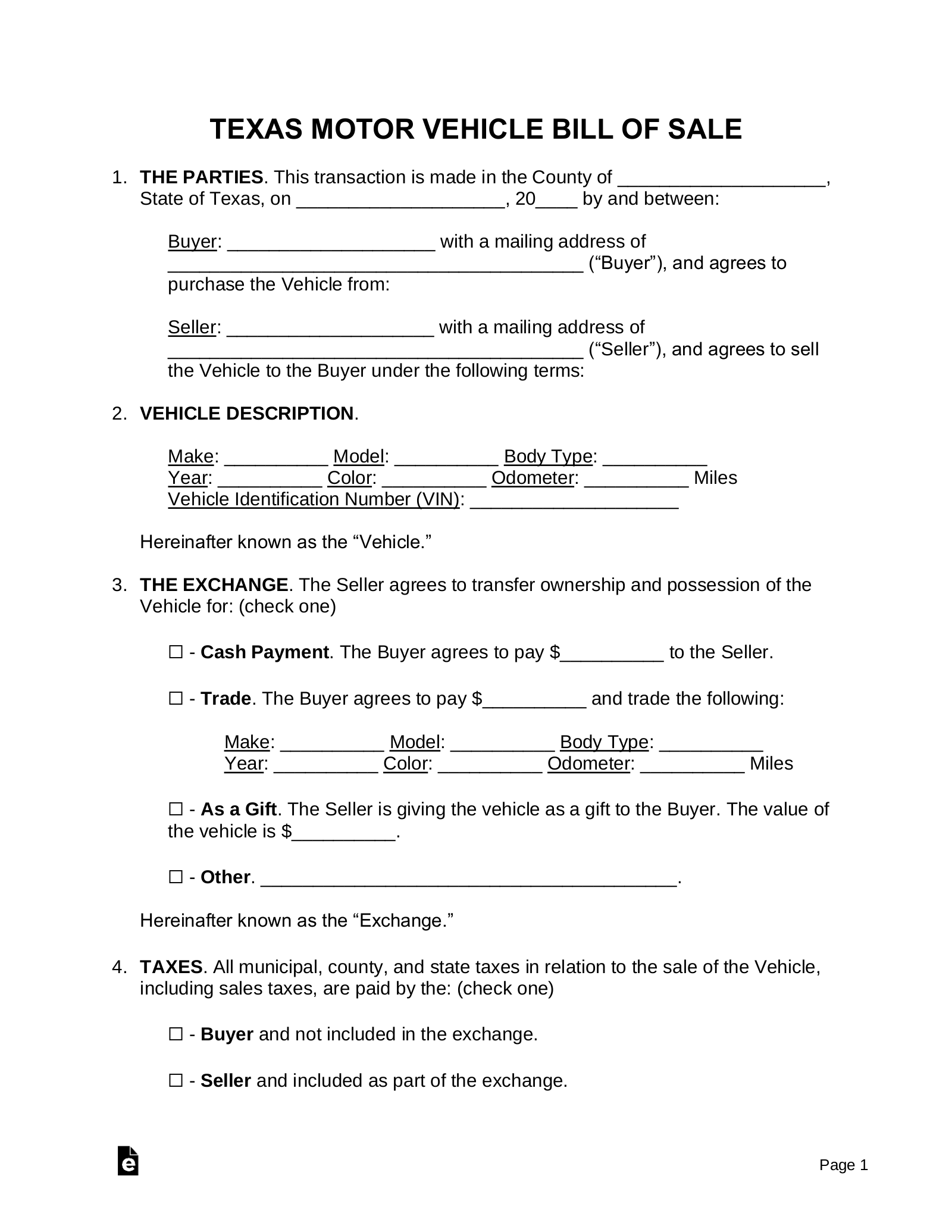
- Bill of Sale: While not legally required by the state of Texas for title transfer, a bill of sale is highly recommended. This document serves as a record of the transaction, detailing the vehicle information, sale price, date, and signatures of both buyer and seller. It protects you from liability once the car is no longer in your possession. Ensure it explicitly states the vehicle is sold “as-is,” if that’s the agreement, limiting your post-sale obligations.
- Release of Liability: Within 30 days of selling your car, you must submit a Vehicle Transfer Notification (Form VTR-346) to the Texas Department of Motor Vehicles (DMV). This crucial step formally releases you from liability for the vehicle regarding parking tickets, tolls, and future accidents. Neglecting this step could lead to significant legal and financial repercussions. This is especially important if you’re leaving Texas for an extended period, perhaps for a series of business stays or a leisurely family trip.
- License Plates: In Texas, the license plates belong to the seller, not the vehicle. You must remove your plates before the buyer drives off with the car. You can then transfer them to another vehicle you own or surrender them to your county tax assessor-collector’s office. This small detail is often overlooked but important.
- No Lemon Law for Private Sales: Be aware that Texas’s “lemon law” applies only to new vehicles purchased from licensed dealers. In a private sale, the principle of “caveat emptor” (buyer beware) generally applies, meaning the buyer is responsible for inspecting the vehicle before purchase. However, honesty and transparency about the car’s condition will always foster a better transaction experience.
By diligently adhering to these legal requirements, you can ensure a clean break from your vehicle, allowing you to fully embrace your next chapter, whether it involves exploring the local culture of San Antonio or embarking on a long-anticipated overseas adventure.
Preparing Your Vehicle: Presentation for Profit and Seamless Transitions
First impressions are everything, especially when selling a car. A well-presented vehicle not only commands a higher price but also signals to potential buyers that you’ve cared for it, instilling confidence. For those looking to fund luxury travel experiences or an extended stay in a comfortable hotel suite, maximizing your car’s appeal is a direct path to boosting your budget.
Detailing and Minor Repairs: Maximizing Appeal
Investing a little time and money into preparing your car can yield significant returns. Start with a thorough cleaning, both inside and out.
- Exterior: Wash, wax, and polish the exterior to restore its shine. Clean the wheels and tires, ensuring they look new. Address any minor scratches or dings with touch-up paint. Consider professional detailing if your budget allows; a gleaming car often sells faster and for more.
- Interior: Vacuum the carpets and upholstery, wipe down all surfaces, and clean the windows. Remove any personal belongings. Consider using an odor eliminator to ensure a fresh smell. A clean interior gives the impression of a well-maintained vehicle, which is a major selling point.
- Mechanical Check-up: Address any obvious mechanical issues, such as dashboard warning lights, squeaky brakes, or minor fluid leaks. Even small repairs can prevent potential buyers from walking away. If you’re not planning to fix a significant issue, be transparent about it. A pre-sale inspection by a trusted mechanic can also provide peace of mind for both you and the buyer, especially if they are planning to use the car for extensive travel within Texas or beyond.
These efforts not only help you get a better price but also demonstrate your respect for the buyer, making the transaction smoother and quicker.
Strategic Photography and Listing Creation
In today’s digital age, online listings are where most buyers first encounter your vehicle. High-quality photos and a compelling description are crucial for attracting serious interest.
- Photography:
- Lighting: Shoot in natural daylight, ideally on a sunny or overcast day. Avoid harsh shadows or direct sunlight that causes glare.
- Angles: Take photos from multiple angles – front, back, sides, and ¾ views. Capture both wide shots and close-ups.
- Details: Include clear photos of the interior (dashboard, seats, trunk), engine bay, tires, and any unique features like infotainment systems or sunroofs.
- Clean Background: Choose a neutral, uncluttered background that doesn’t distract from the car. A scenic Texas backdrop might be tempting, but a simple driveway or empty parking lot is often more effective.
- Quantity: Provide ample photos (15-20 is a good target) to give buyers a comprehensive view.
- Listing Description:
- Be Honest and Detailed: Include all relevant information: make, model, year, mileage, engine size, transmission type, trim level, and key features. Be upfront about any known flaws or repairs needed, as this builds trust.
- Highlight Selling Points: Emphasize what makes your car desirable. Is it fuel-efficient, perfect for family trips, or equipped with luxury upgrades?
- Maintenance History: Mention that you have detailed maintenance records available, as this is a strong indicator of a well-cared-for vehicle.
- Reason for Selling (Optional): Briefly explaining your reason (e.g., “moving out of state,” “downsizing for urban living,” “funding a gap year adventure”) can add a personal touch and context.
- Call to Action: Clearly state how interested buyers can contact you for questions or to schedule a viewing.
A well-crafted listing acts as a silent salesperson, attracting the right buyers and speeding up the process, bringing you closer to your next travel or lifestyle goal.
The Selling Process: From Listing to Handover
Once your vehicle is prepped and your listing is live, the selling process transitions to interacting with potential buyers, negotiating, and ultimately completing the sale. This phase requires good communication, smart negotiation tactics, and a clear understanding of the final steps to ensure a smooth transition.
Choosing Your Sales Channel
The decision of where to sell your car in Texas largely depends on your priorities: maximizing profit or minimizing hassle.
- Private Sale: Selling privately usually yields the highest return. Platforms like Craigslist, Facebook Marketplace, AutoTrader, and CarGurus are popular choices. This method gives you full control over pricing and negotiation, but requires more time and effort, including fielding inquiries, arranging test drives, and handling all paperwork yourself. This is ideal if you’re using the proceeds to fund specific travel destinations or a unique accommodation experience, as every extra dollar counts.
- Dealership Trade-In: If convenience is your top priority, trading your car in at a dealership when purchasing another vehicle is the easiest option. While you’ll likely receive less than a private sale, the process is streamlined, and the dealership handles all the paperwork. This can be a good option if you’re upgrading vehicles and want to avoid the complexities of a private sale.
- Cash-Offer Services: Websites like Carvana, Vroom, and local dealerships offering instant cash offers provide a quick sale with minimal effort. You input your car’s details online, receive an offer, and often they’ll even pick up the car. This is an excellent choice if you need to offload a vehicle quickly before an urgent relocation or an immediate departure for an overseas adventure.
Consider your timeline, desired profit, and willingness to manage the selling process when choosing the best channel for your situation in Texas.
Negotiation Tips and Finalizing the Deal
Once you start receiving inquiries, prepare for a series of interactions that will lead to a sale.
- Communication: Be prompt and courteous in responding to questions. Provide honest answers about the car’s condition and history. Schedule test drives in a safe, public location, and consider bringing a friend along.
- Negotiation:
- Set a Floor Price: Before you start, decide on the absolute lowest price you are willing to accept. This helps you avoid getting pushed below your comfort level.
- Be Flexible: Most buyers will try to negotiate. Be prepared to haggle a bit, but don’t feel pressured to accept an offer that’s too low.
- Highlight Value: Reiterate the car’s strong points, its excellent maintenance history, and any recent upgrades.
- Be Patient: Don’t rush into a deal. The right buyer will come along.
- Payment: For private sales, insist on secure payment methods. A cashier’s check from a reputable bank, verified in person, is generally safe. Avoid personal checks or promises of payment. Cash is also an option, but be cautious with large sums and consider meeting at a bank.
- Finalizing Paperwork: Once a price is agreed upon and payment is secured, complete the necessary paperwork:
- Sign the Title: On the back of the Texas title, fill out the assignment of title section, including the sale date, odometer reading, and your signature. The buyer will also need to sign.
- Bill of Sale: Complete and sign the bill of sale (if used), providing a copy to the buyer.
- Remove Plates: Detach your license plates from the vehicle.
- Vehicle Transfer Notification: Submit Form VTR-346 to the Texas DMV within 30 days.
By following these steps, you ensure a legal and stress-free handover, freeing you to focus on the exciting opportunities that lie ahead.
Post-Sale: Embracing Your New Texas Lifestyle or Next Adventure
The successful sale of your car in Texas marks more than just the end of a transaction; it’s often the beginning of a new chapter. Whether you’re staying in the state and adopting a new way of life or embarking on a grand journey, the proceeds and newfound freedom offer a world of possibilities.
Financial Freedom and Funding Your Travel Dreams
The money from your car sale can be a powerful catalyst for fulfilling your travel dreams. Imagine using that capital to book an extended stay in a villa in Italy, finance a whirlwind tour of Asian landmarks, or even secure a luxurious hotel suites for a month-long exploration of Paris. For those dreaming of luxury travel, the sale could cover premium flights or exclusive experiences. If budget travel is more your style, the funds could extend your backpacking adventure for months, allowing you to immerse yourself deeply in local culture from Mexico to Southeast Asia.
Beyond grand trips, the funds can also enhance your current lifestyle within Texas. Perhaps you’ve been eyeing a staycation at a top-rated resort in Galveston or a weekend getaway to a charming boutique hotel in Fredericksburg‘s Wine Country. The financial flexibility allows for these indulgences, turning what was once a depreciating asset into memorable experiences. It’s about converting tangible property into intangible riches – memories, experiences, and a broader perspective on the world.
Exploring Car-Free Texas Destinations
Selling your car doesn’t mean the end of exploration within Texas; it merely shifts how you experience it. Many Texas cities are increasingly pedestrian- and public-transport-friendly, offering unique ways to enjoy their tourism offerings.
- San Antonio: The iconic San Antonio Riverwalk is best explored on foot or via river barge. You can visit The Alamo and numerous historic missions, enjoy vibrant local culture, and dine at world-class restaurants, all without needing a car. Accommodation options along the Riverwalk range from charming boutique hotels like Hotel Emma to larger establishments like the Hyatt Regency San Antonio Riverwalk, putting you in the heart of the action.
- Austin: Known for its live music scene on Sixth Street and vibrant arts, Austin’s downtown area is highly walkable. Utilize ride-sharing services or the city’s CapMetro public transport system to explore attractions like Zilker Park, South Congress Avenue, and the Texas State Capitol. The proceeds from your car sale could cover an extended stay at a trendy hotel or even an apartment rental, allowing you to truly live like a local.
- Houston: While sprawling, Houston’s Museum District and Downtown areas are navigable without a personal vehicle. Explore Space Center Houston, enjoy the theater district, or visit the Houston Zoo using the METRORail and ride-shares. Consider booking a stay at the Omni Houston Hotel for convenient access to many city attractions.
- Dallas: Discover the Dallas Arts District, the Sixth Floor Museum at Dealey Plaza, and the lively neighborhoods of Deep Ellum and Uptown. The DART light rail system provides extensive coverage, making car-free exploration surprisingly convenient. A stay at the Hyatt Regency Dallas offers stunning city views and easy access to Union Station.
By selling your car, you open yourself up to a different kind of travel – one that’s often more immersive and less reliant on four wheels, encouraging deeper engagement with your surroundings and the people you meet.
Alternative Transportation for Future Explorations
Moving forward, your transportation options are diverse. For short-term needs, car rental services are readily available throughout Texas for specific road trips, like a coastal drive along Padre Island National Seashore or a cross-border adventure to Mexico or Louisiana. Public transportation, ride-sharing apps, bicycles, and even electric scooters are viable alternatives for daily commutes and urban exploration. For international travel, your reliance on a car decreases dramatically, with planes, trains, and efficient local transit systems becoming your primary modes of movement.
Selling a car in Texas is more than just a transaction; it’s a strategic decision that can significantly impact your personal finances and lifestyle. By approaching the process with preparation, legal awareness, and a clear vision for your future, you can ensure a smooth, profitable sale. This newfound capital and freedom can then be channeled into unforgettable travel experiences, comfortable accommodation, and a richer, more flexible way of living, proving that sometimes, letting go of a vehicle can pave the way for your most exciting journeys yet. Explore our travel guides for inspiration on how to spend your newfound freedom and funds.
LifeOutOfTheBox is a participant in the Amazon Services LLC Associates Program, an affiliate advertising program designed to provide a means for sites to earn advertising fees by advertising and linking to Amazon.com. Amazon, the Amazon logo, AmazonSupply, and the AmazonSupply logo are trademarks of Amazon.com, Inc. or its affiliates. As an Amazon Associate we earn affiliate commissions from qualifying purchases.