
Texas, a state synonymous with vast landscapes, rich history, and a distinctly independent spirit, is also a place where trucks are not just vehicles, but often a way of life. Whether you’re a seasoned rancher looking to upgrade, a contractor needing to downsize your fleet, or simply a resident ready to part with your reliable workhorse, selling a truck in the Lone Star State requires a strategic approach. This guide will navigate you through the essential steps, from preparing your vehicle to securing a fair price and completing the transaction, all while keeping in mind the unique aspects of the Texas market.

The process of selling a truck in Texas shares commonalities with selling any vehicle, but understanding local nuances, legal requirements, and buyer expectations can significantly streamline the experience and maximize your return. This isn’t just about a transaction; it’s about connecting your dependable vehicle with a new owner who will appreciate its capabilities, whether it’s for hauling on a sprawling Texas ranch, navigating the busy streets of Houston, or embarking on a weekend adventure to Big Bend National Park.
Preparing Your Truck for Sale
Before you even think about listing your truck, meticulous preparation is key. A well-presented vehicle, both mechanically and aesthetically, will command a higher price and attract more serious buyers. This stage is about showcasing your truck’s value and demonstrating its readiness for a new chapter of service.
Mechanical Inspection and Maintenance
Your truck’s mechanical condition is paramount. Buyers, especially those in Texas where trucks are often used for demanding tasks, will be looking for reliability.
- Full Service: Ensure all routine maintenance is up-to-date. This includes oil changes, filter replacements, tire rotations, and fluid checks. If your truck is due for any of these, get them done. A recent service record can be a strong selling point.
- Address Minor Repairs: Small issues like a rattling exhaust, a worn wiper blade, or a flickering dashboard light can detract from the perceived value. Address these minor problems before listing. Even if it seems insignificant to you, it might be a red flag for a buyer.
- Brakes and Tires: These are critical safety components. Ensure your brakes are in good working order and that your tires have sufficient tread. Replacing worn tires or having brake work done can be a worthwhile investment, as it’s a major concern for many buyers.
- Fluid Levels: Check and top off all essential fluids, including coolant, brake fluid, power steering fluid, and transmission fluid. A clean engine bay can also make a positive impression.
- Emissions Testing: In some counties in Texas, you may be required to pass an emissions test before you can transfer ownership. Research the requirements for your specific county. Failing to do so can complicate the sale and deter buyers.
Detailing and Presentation
The visual appeal of your truck plays a crucial role in first impressions. A clean and well-maintained exterior and interior can significantly influence a buyer’s perception of the truck’s overall condition and care.
- Exterior Wash and Wax: Give your truck a thorough wash, paying attention to wheel wells, undercarriage, and door jambs. A good quality wax will make the paint shine. Consider professional detailing if your budget allows, especially for more significant cosmetic issues.
- Interior Deep Clean: Vacuum all carpets and upholstery. Clean all surfaces, including the dashboard, door panels, and center console. Use appropriate cleaners for different materials. Don’t forget to clean out the glove box and any storage compartments.
- Odor Removal: Eliminate any lingering odors, such as smoke, pet smells, or strong air fresheners. Baking soda or specialized odor eliminators can be effective. A neutral, clean scent is always best.
- Minor Cosmetic Fixes: Address minor cosmetic issues like small scratches, dents, or faded trim. Touch-up paint can be used for minor paint chips. For more significant dents or scratches, consider if a professional repair is justifiable for the potential increase in sale price.
- Headlight Restoration: Cloudy or yellowed headlights can make a vehicle look older. Headlight restoration kits are readily available and can significantly improve the truck’s front-end appearance.
- Organize Documentation: Gather all your maintenance records, receipts for repairs, the truck’s title, and any warranty information. A well-organized binder or folder will impress buyers and demonstrate your diligence in maintaining the vehicle.
Pricing Your Truck Effectively
Determining the right price is a delicate balance. You want to attract buyers with a competitive price, but you also don’t want to undervalue your truck. Research is your most powerful tool here.
Market Research and Valuation Tools
Understanding the current market value for your specific make, model, year, mileage, and condition is crucial.
- Online Valuation Tools: Utilize reputable online resources like Kelley Blue Book (KBB), Edmunds, and NADA Guides. These tools provide estimated values based on your truck’s specifications and condition. Be honest about your truck’s condition to get the most accurate estimate.
- Local Market Analysis: Browse local listings on websites like Craigslist, Facebook Marketplace, and dealership websites. Look for similar trucks for sale in your area to gauge what buyers are paying. Pay attention to the asking prices and how long similar vehicles have been listed.
- Consider Texas Specifics: In Texas, trucks, especially heavy-duty models or those suited for off-road or agricultural use, can sometimes command a premium. Factors like four-wheel drive, towing capacity, and specific truck bed configurations (e.g., long bed, gooseneck hitch) are highly valued.
- Factor in Features and Condition: While valuation tools provide a baseline, your truck’s unique features (e.g., premium sound system, upgraded wheels, aftermarket accessories) and its overall condition can influence its market value. Conversely, any significant wear and tear or damage will lower its perceived worth.
- Set a Realistic Price Range: Based on your research, establish a realistic price range. You might want to set your initial asking price slightly higher than your absolute minimum to allow for negotiation.
Understanding Demand and Competition
The demand for trucks in Texas is generally strong, but this can vary depending on the specific type of truck and the current economic climate.

- Popular Models: Certain truck models, like the Ford F-150, Chevrolet Silverado, and Ram 1500, are perennially popular. If you’re selling one of these, you likely have a built-in audience.
- Specialty Trucks: Trucks designed for specific purposes, such as heavy-duty towing, off-roading, or agricultural use, might have a more niche market but can also fetch higher prices from the right buyer.
- Seasonal Factors: While trucks are year-round vehicles, the demand might fluctuate slightly. For instance, before hunting season or during periods of increased construction activity, demand might be higher.
- Economic Indicators: Broader economic trends can influence the used vehicle market. During economic downturns, some buyers may opt for used vehicles over new ones, potentially increasing demand for well-priced used trucks.
Listing and Advertising Your Truck
Once your truck is prepped and priced, it’s time to get the word out. Effective advertising will attract potential buyers and lead to a faster sale.
Creating a Compelling Listing
Your listing is your truck’s digital storefront. Make it as informative and appealing as possible.
- High-Quality Photos: Take numerous clear, well-lit photos from all angles. Include shots of the exterior, interior, engine bay, tires, and any unique features or aftermarket additions. Photos taken during the daytime, ideally with a clean backdrop, are best.
- Detailed Description: Be thorough and honest in your description. Include:
- Make, Model, Year, Trim Level: Be specific.
- Mileage: Clearly state the current mileage.
- Engine and Drivetrain: Specify engine size, type (e.g., V6, V8, diesel), and whether it’s 2WD or 4WD.
- Transmission: Automatic or manual.
- Key Features: List all significant features, such as leather seats, sunroof, navigation system, tow package, etc.
- Recent Maintenance: Highlight any recent repairs or maintenance performed.
- Condition: Be upfront about any minor flaws or imperfections to build trust.
- Reason for Selling: Briefly stating your reason for selling (e.g., “upgrading,” “no longer need”) can sometimes help.
- Keywords: Use relevant keywords that buyers might search for, such as “truck,” “pickup,” “heavy duty,” “tow package,” “4×4,” along with your truck’s specific make and model.
Choosing the Right Platforms
Where you list your truck can significantly impact the pool of potential buyers.
- Online Marketplaces:
- Craigslist: A widely used platform in Texas for private sales. Be prepared for a high volume of inquiries, some of which may not be serious.
- Facebook Marketplace: Very popular for local sales and offers a good way to reach a broad audience.
- Dedicated Automotive Sites: Websites like Cars.com, AutoTrader, and CarGurus can reach buyers specifically looking for vehicles. Some of these may have fees for private sellers.
- Local Advertising:
- Community Boards: Consider posting flyers at local businesses, community centers, or even at popular gathering spots if your truck is geared towards a specific audience (e.g., a farm supply store for an agricultural truck).
- Word-of-Mouth: Let friends, family, and colleagues know you’re selling. Personal recommendations can often lead to trusted buyers.
- Dealership Consignment (Optional): Some dealerships offer consignment services where they sell your truck on your behalf for a fee. This can be a hassle-free option if you prefer not to deal with the sales process directly.
Negotiating and Closing the Deal
Once you start receiving inquiries, the negotiation and closing process begins. This is where patience and clear communication are essential.
Handling Inquiries and Test Drives
Be prepared for a range of questions and interactions.
- Respond Promptly: Answer calls and messages in a timely manner. Be polite and professional.
- Screen Buyers: Try to gauge the seriousness of potential buyers. Ask questions that can help you determine their intent, such as whether they have financing in place or are looking to trade in another vehicle.
- Arrange Safe Test Drives: Always accompany potential buyers on test drives. Meet in well-lit, public places, especially if you’re meeting someone for the first time. Consider meeting at a local police station parking lot for added security.
- Pre-Sale Inspections: Be open to allowing buyers to have the truck inspected by their own mechanic. This can build trust and help alleviate any concerns they might have. Factor the cost of this inspection into your pricing strategy.
Negotiation Strategies and Completing the Sale
Negotiation is a standard part of selling a used vehicle.
- Know Your Bottom Line: Before you start negotiating, determine the lowest price you are willing to accept. Stick to this price as much as possible.
- Be Confident and Fair: Present your truck’s strengths and be prepared to justify your price based on your research and the truck’s condition.
- Payment Methods: In Texas, common payment methods for private sales include cash, cashier’s checks, or secure bank transfers. Be wary of personal checks, as they can bounce. It’s advisable to meet at your bank or the buyer’s bank to complete the transaction and verify funds.
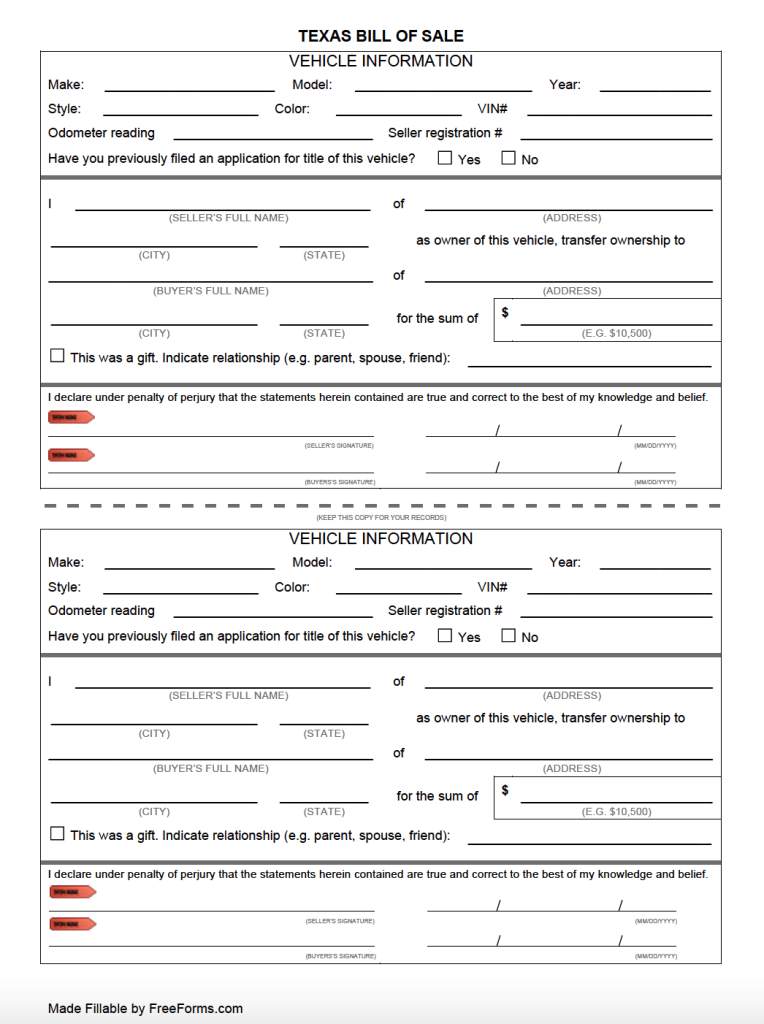
- Bill of Sale: Create a clear and comprehensive Bill of Sale. This document should include the buyer’s and seller’s names and addresses, the truck’s VIN, year, make, model, mileage, sale price, and the date of sale. Both parties should sign it, and it’s recommended to have it notarized for added legal protection.
- Transferring the Title: The seller must sign the title over to the buyer. You will need to provide the buyer with the signed title. It’s crucial to ensure the title is free of any liens. If there’s a lien on the title, you’ll need to have it satisfied and obtain a lien release from the lender before you can transfer ownership.
- License Plates: In Texas, license plates generally stay with the vehicle. However, if you wish to keep your plates, you must remove them before the buyer takes possession. You can then transfer these plates to another vehicle or surrender them to the Texas Department of Motor Vehicles (DMV).
- Notifying the DMV: As the seller, you should notify the Texas DMV that you have sold the vehicle. This can be done online or by mail using the “Vehicle Transfer Notification” form (Form VTR-346). This helps protect you from liability for any tickets or accidents that occur after the sale.
- Release of Liability: It is highly recommended to obtain a signed Release of Liability from the buyer, even if you’ve submitted a Vehicle Transfer Notification. This further documents that you are no longer responsible for the vehicle.
Selling a truck in Texas can be a rewarding experience when approached with preparation, research, and a clear understanding of the process. By following these steps, you can ensure a smooth transaction, attract genuine buyers, and get the best possible price for your valuable Texas truck. Whether your truck has been a loyal companion on dusty roads or a crucial tool for your livelihood, its next chapter awaits, and this guide aims to make that transition as seamless as possible.
LifeOutOfTheBox is a participant in the Amazon Services LLC Associates Program, an affiliate advertising program designed to provide a means for sites to earn advertising fees by advertising and linking to Amazon.com. Amazon, the Amazon logo, AmazonSupply, and the AmazonSupply logo are trademarks of Amazon.com, Inc. or its affiliates. As an Amazon Associate we earn affiliate commissions from qualifying purchases.