
California, the Golden State, beckons with its diverse landscapes, from the sun-drenched beaches of Southern California to the majestic redwood forests of the north. Whether you’re a seasoned traveler planning your next adventure or a local seeking to explore hidden gems, understanding how to navigate this vibrant state is key. And for many, that includes the practical matter of selling a car. While the title might suggest a purely transactional guide, let’s reframe this question within the context of enjoying California – perhaps you’re selling your current vehicle to fund a new road trip, upgrade for a different kind of exploration, or simply streamline your lifestyle to embrace more spontaneous travel. This article delves into the process of selling a car in California, weaving in elements of travel, lifestyle, and the rich tapestry of experiences this state offers, all with the aim of making your transition smooth and your California adventures even richer.

Preparing Your Vehicle for Sale: A Crucial First Step
Before you even think about listing your car, taking the time to prepare it properly can significantly impact its selling price and speed. This is akin to preparing your itinerary before a trip – a well-planned journey leads to a more enjoyable experience.
Cleaning and Detailing: Making a Stellar First Impression
Just as a sparkling clean hotel lobby sets a welcoming tone, a spotless car makes a powerful first impression. A thorough interior and exterior clean is non-negotiable. For the interior, focus on vacuuming carpets and upholstery, wiping down all surfaces, and removing any personal belongings. Don’t forget to clean the windows inside and out for maximum visibility, both for potential buyers and for your own future scenic drives. Consider a professional detailing service if your budget allows. This includes everything from a deep carpet shampoo to polishing the paintwork and cleaning the engine bay, making your vehicle look its absolute best. Think of it as polishing your travel gear before embarking on an adventure; it shows care and attention to detail.
Minor Repairs and Maintenance: Addressing Small Issues
Before a potential buyer inspects your car, it’s wise to address any minor issues. This could include fixing a cracked taillight, replacing worn-out wiper blades, or topping up essential fluids. These small fixes can prevent potential buyers from seeing them as major problems, which could lead to price negotiations. If your car is due for routine maintenance, such as an oil change or tire rotation, consider getting it done. A well-maintained car signals reliability and can instill confidence in a buyer. This is akin to checking the weather forecast and packing accordingly for your trip to the Yosemite National Park; addressing potential issues upfront ensures a smoother journey.
Gathering Documentation: Essential for a Smooth Transaction
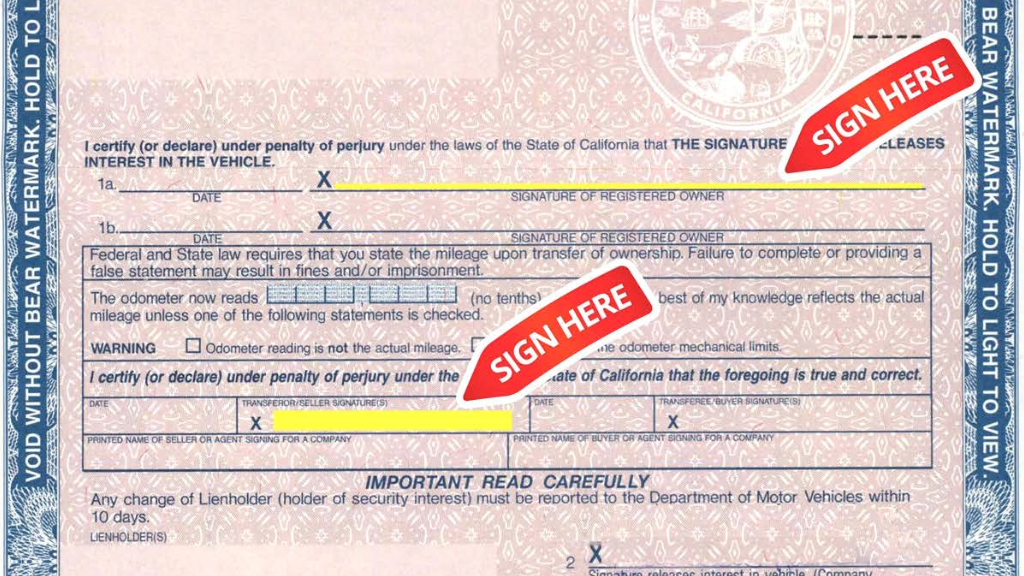
Having all your vehicle’s paperwork in order is as vital as having your passport and flight tickets for international travel. You’ll need your California Certificate of Title, which is the official document proving ownership. Ensure it’s signed and filled out correctly. You should also have your vehicle’s registration and smog certificate. California has strict emissions requirements, and a recent smog certificate is mandatory for most private party sales. If you have maintenance records or repair receipts, these can also be valuable to prospective buyers, as they provide a history of the vehicle’s care. Organizing these documents in advance will streamline the selling process and prevent any last-minute delays, much like having your hotel reservation details ready upon arrival in San Francisco.
Determining Your Car’s Value and Setting a Price
Just as you research hotel prices and flight deals before booking a vacation, understanding your car’s market value is crucial for setting a competitive yet profitable price.
Researching Market Value: Leveraging Online Tools
The digital age offers a wealth of resources to help you determine your car’s worth. Websites like Kelley Blue Book (KBB), Edmunds, and NADA Guides provide vehicle valuation tools. You’ll typically input your car’s make, model, year, mileage, condition, and features to get an estimated value. It’s advisable to check multiple sources to get a comprehensive understanding. Consider the “private party” value rather than the dealer retail value, as you are selling directly to another individual. This research is akin to exploring different tour operators and package deals before deciding on a trip to the Grand Canyon.
Factors Affecting Resale Value: What Buyers Look For
Several factors influence how much your car will sell for. Mileage is a significant factor; lower mileage generally commands a higher price. The overall condition of the vehicle, both mechanically and aesthetically, plays a crucial role. A car that has been regularly serviced and is free from major dents or rust will be more desirable. The model’s popularity and demand in the California market also matter. For instance, fuel-efficient vehicles are often in high demand due to California’s environmental consciousness and fluctuating gas prices. Similarly, cars with desirable features like a sunroof, leather seats, or advanced safety technology might fetch a higher price. Think of these as the “must-have” amenities when choosing a resort in Maui; they add value and appeal.
Setting a Realistic Asking Price: Balancing Profit and Speed
Once you have a good grasp of your car’s market value, you can set your asking price. It’s often recommended to price your car slightly above your desired selling price to allow for negotiation. However, don’t price it too high, as this can deter potential buyers. Consider the urgency of your sale. If you need to sell quickly, a slightly lower price might be more effective. Conversely, if you have time, you can afford to be a bit more firm on your price. Think of this as setting your budget for a trip to Disneyland; you have a target in mind, but you’re also open to slight adjustments for the right experience.
Marketing Your Vehicle: Reaching Potential Buyers
Effective marketing is key to attracting buyers and selling your car efficiently. This is akin to promoting a travel destination to attract tourists.
Creating a Compelling Listing: Highlighting Your Car’s Strengths
Your car listing is your primary sales tool. It needs to be informative, engaging, and honest. Start with a clear and attention-grabbing headline. In the description, detail your car’s make, model, year, mileage, and any significant features or upgrades. Be truthful about any existing damage or mechanical issues; transparency builds trust. Mention recent maintenance or repairs.
High-quality photographs are crucial. Take clear, well-lit pictures from various angles, including the interior, exterior, engine bay, and any specific features. Showcase the car in a clean and attractive setting, perhaps with a scenic California backdrop, like the Pacific Coast Highway, if weather permits. This is your digital storefront, so make it shine. This is comparable to creating a captivating brochure for a luxury resort in Laguna Beach, showcasing all its best features.
Choosing the Right Platforms: Where to List Your Car
There are numerous platforms available for selling your car in California. Online marketplaces like Craigslist, Facebook Marketplace, and OfferUp are popular for private party sales. These platforms are free to use and offer a wide reach. For a more specialized audience, consider automotive-specific websites or apps. If you’re looking for a quicker sale, you might explore options like Carvana or Vroom, which offer online appraisals and purchase options, though typically at a lower price than a private sale. Research which platforms are most active in your local area. This is like choosing between a bustling metropolitan market in Los Angeles or a charming roadside antique shop in Ojai – each has its own audience and purpose.
Screening Potential Buyers: Ensuring a Safe and Legitimate Sale
When dealing with private party sales, it’s essential to screen potential buyers to ensure their legitimacy and your safety. Be cautious of buyers who seem overly eager, pushy, or ask for personal information beyond what’s necessary for the sale. Avoid scams that involve overpayment with fake checks or requests to wire money. It’s a good practice to communicate primarily through the platform’s messaging system initially. When arranging viewings, choose a public, well-lit location, such as a busy shopping mall parking lot or a police station’s community parking area. Bringing a friend or family member along for the viewing can also provide an extra layer of security. This is similar to choosing reputable tour guides and booking through established travel agencies when exploring new territories; it ensures a safer and more reliable experience.
The Transaction Process: Completing the Sale Legally
Once you’ve found a buyer, the final steps involve completing the transaction legally and ensuring all paperwork is correctly handled. This is the critical final leg of your journey, ensuring a smooth arrival.
The Test Drive: Letting Them Experience the Ride
Allowing a potential buyer to test drive your vehicle is a standard part of the sales process. Before they get behind the wheel, verify their driver’s license and ensure they are accompanied by you at all times. Clearly communicate any limitations or specific instructions for the test drive. Pay attention to how they handle the vehicle and their general demeanor. A smooth and confident test drive, much like a well-planned road trip along the Pacific Coast Highway, can often seal the deal.
Payment Methods: Securing Your Funds Safely
When it comes to payment, prioritize secure and verifiable methods. Cash is often preferred for private party sales, but be wary of large amounts of cash and consider meeting at a bank to conduct the transaction, where the bills can be verified. Alternatively, a cashier’s check from a reputable bank is a common option, but always verify its authenticity with the issuing bank before handing over the keys. Personal checks are generally not recommended due to the risk of them bouncing. Avoid wire transfers unless you are absolutely certain of the buyer’s legitimacy and the platform’s security protocols. This is as important as securing your hotel booking confirmation; ensure the payment is legitimate before finalizing.

Transferring Ownership: The Legalities in California
Completing the ownership transfer correctly is crucial to avoid future liabilities. You’ll need to fill out the “Transfer of Title by Seller” section on the California Certificate of Title. This includes your signature, the buyer’s signature, the sale date, and the purchase price. You’ll also need to provide the buyer with a valid smog certificate (unless the vehicle is exempt).
Crucially, you must report the sale to the California Department of Motor Vehicles (DMV) within five days by submitting a Notice of Transfer and Release of Liability (NRL) online or by mail. This protects you from any tickets or legal responsibilities incurred by the vehicle after the sale. The buyer will then be responsible for registering the vehicle in their name and paying the applicable fees and taxes. This final step is like checking out of your accommodation after a wonderful stay in Napa Valley; you complete the necessary formalities to move on.
Selling your car in California can be a straightforward process when approached with preparation, a clear understanding of the market, and a focus on safe and legal transactions. By following these steps, you can successfully transition out of your current vehicle and open up new possibilities for your California adventures, whether it’s exploring the vibrant culture of Los Angeles, the natural beauty of Lake Tahoe, or the historic charm of San Diego.
LifeOutOfTheBox is a participant in the Amazon Services LLC Associates Program, an affiliate advertising program designed to provide a means for sites to earn advertising fees by advertising and linking to Amazon.com. Amazon, the Amazon logo, AmazonSupply, and the AmazonSupply logo are trademarks of Amazon.com, Inc. or its affiliates. As an Amazon Associate we earn affiliate commissions from qualifying purchases.