
For many who embrace a life of adventure, exploration, and global citizenship, securing one’s future and protecting valuable assets is paramount. Whether you’re a digital nomad exploring vibrant destinations, a seasoned traveler with properties across different states or countries, or simply someone who envisions a lifestyle rich with unique experiences, understanding how to manage your wealth is crucial. In the United States, one of the most effective tools for this is a trust, and setting one up in a strategically advantageous state like Texas can offer significant benefits.
Texas, with its booming economy, diverse culture, and appealing tax laws, has become a popular hub for those seeking both an enriching lifestyle and robust asset protection. From the bustling metropolitan areas like Dallas and Houston to the scenic beauty of the Texas Hill Country or the historic charm of San Antonio, the state offers a myriad of opportunities for investment, residence, and even as a base for your global adventures. Establishing a trust here can provide peace of mind, ensuring your hard-earned assets — be they investment portfolios funding your next grand tour, a luxury villa used for long-term stays, or a collection of valuable art acquired during your travels — are managed according to your wishes, both during your lifetime and beyond. This guide will explore how to set up a trust in Texas, specifically tailored to those who prioritize a dynamic, travel-rich lifestyle.
Securing Your Wanderlust: Why A Trust Is Essential For The Modern Traveler
For individuals whose lives are defined by movement, discovery, and a commitment to a certain quality of life, a trust isn’t just a legal instrument; it’s a foundation for continued freedom and security. It offers a sophisticated way to manage and distribute assets, providing layers of protection and control that are particularly beneficial for those with diverse holdings and a desire for flexible living. Imagine being able to embark on an impromptu safari in Africa or a serene cruise through the Caribbean, knowing that your financial affairs are meticulously handled back home in Texas.
Protecting Your Travel & Lifestyle Investments
One of the primary reasons to establish a trust in Texas is to safeguard the very assets that enable your desired lifestyle and travel aspirations. This could include a portfolio of stocks and bonds generating passive income for your next trip to Europe, a luxury apartment in Austin that serves as your home base between adventures, or even a vacation rental property in Galveston that provides supplementary income. By transferring ownership of these assets into a trust, you create a legal shield.
Consider an individual who owns a collection of high-value art pieces acquired during travels to Paris, Rome, and Kyoto. Placing these in a trust ensures their preservation and proper distribution, preventing them from being tied up in probate should something unexpected occur. Similarly, for someone who frequently enjoys stays at high-end resorts or hotels like a Four Seasons Hotel or a Ritz-Carlton, and has amassed significant wealth, a trust can protect these funds from creditors, lawsuits, or unforeseen circumstances, ensuring your future luxury travel experiences remain secure. This proactive step helps maintain the integrity of your wealth, allowing you to continue enjoying premium accommodation and unforgettable journeys without financial worry.
Seamless Transitions for Global Citizens
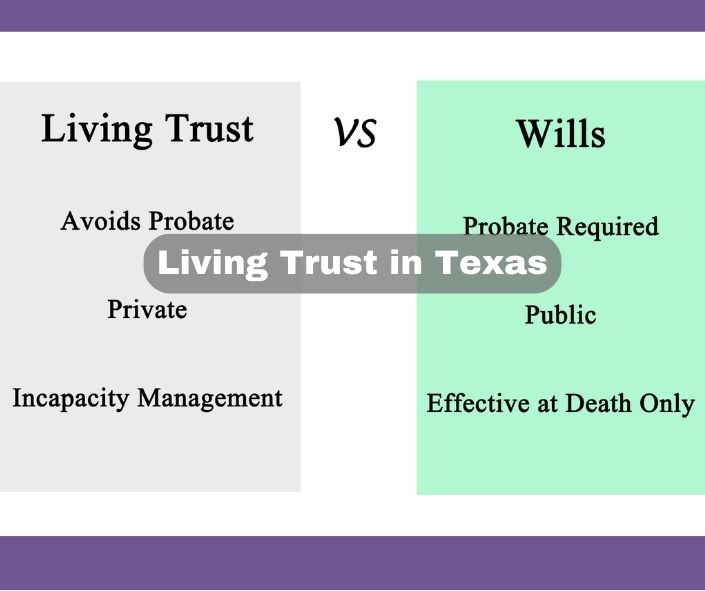
For those with a global mindset, often owning properties or having financial interests in various countries or even multiple states within the United States, estate planning can become incredibly complex. A trust can significantly streamline this process, avoiding the often lengthy and public probate court proceedings that could otherwise affect assets held solely in your name. If you own a villa in Miami, a ski chalet in Colorado, and a primary residence in Houston, without a trust, each of these properties could be subject to separate probate processes in their respective jurisdictions. This can lead to substantial delays, increased legal fees, and administrative headaches for your loved ones, especially if they are also travelers or reside internationally.
By placing these assets into a Texas trust, you consolidate their management under one comprehensive plan. This is particularly advantageous for individuals who prioritize swift and private transfers of wealth, allowing beneficiaries to access funds or properties without undue interruption. Imagine your family needing access to funds for an important trip or to maintain a beloved vacation home in Hawaii; a trust facilitates this process far more smoothly than traditional estate administration. This efficiency supports the seamless continuation of a travel-oriented lifestyle for your heirs, ensuring that your legacy of exploration and appreciation for tourism continues without logistical burdens.
Funding Future Adventures & Legacies
Beyond mere asset protection, trusts can be powerful tools for creating a lasting legacy that embodies your love for travel and unique experiences. You can structure a trust to fund specific future adventures for your beneficiaries, perhaps an educational tour of Europe for your grandchildren, a family reunion in a special destination like Mexico, or even an annual budget travel allocation to inspire wanderlust in younger generations.
For example, a trust could stipulate that funds be used to support cultural activities or visits to landmarks such as The Alamo in San Antonio or Space Center Houston, fostering a deeper appreciation for history and nature. You could even set aside funds for specific accommodation types, ensuring your family continues to enjoy the comfort of a Hyatt Regency or a bespoke villa experience you once cherished. This forward-thinking approach allows you to extend your passion for discovery to future generations, embedding travel and exploration into your family’s heritage. It’s a way to ensure that the joy of experiencing new cultures, foods, and sights, which has shaped your own life, continues to enrich the lives of your loved ones long after you’re gone.
Navigating The Lone Star State’s Legal Landscape: Types of Trusts for Your Texas Journey
When considering a trust in Texas, understanding the different types available is crucial. Each offers distinct advantages and serves varying objectives, especially for those whose assets and lifestyle are intertwined with travel and diverse experiences. Choosing the right type depends on your specific goals, whether it’s maintaining flexibility during your lifetime or establishing an unshakeable legacy.
Revocable Living Trusts: Flexibility for Life’s Itinerary
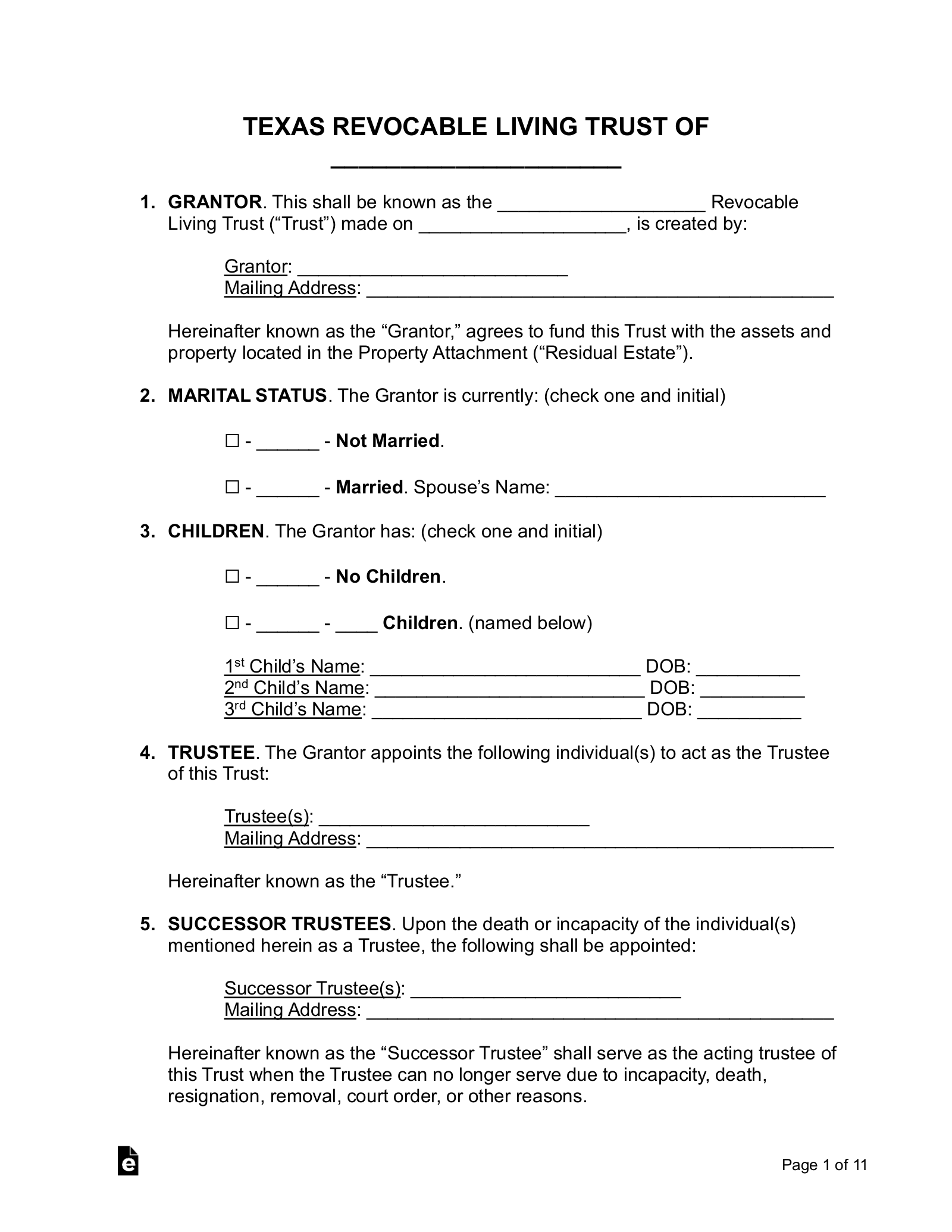
A revocable living trust is often the preferred choice for individuals who wish to maintain control over their assets while they are alive and capable. In Texas, you, as the grantor, can create, amend, or even revoke this type of trust at any point. This flexibility is invaluable for travelers whose financial situations or lifestyle needs might change over time.
For instance, if you decide to purchase a new vacation home in South America, sell an investment property in Dallas, or adjust your philanthropic plans after a transformational trip to Asia, a revocable trust allows you to easily update your asset distribution plan. It avoids probate upon your death, ensuring a swift and private transfer of assets to your beneficiaries. This means that funds intended for a family trip or the upkeep of a special accommodation like a family apartment can be accessed without delays, perfectly aligning with a fluid and dynamic lifestyle that values adaptability and ease of management.
Irrevocable Trusts: Anchoring Your Legacy with Certainty
In contrast, an irrevocable trust, once established in Texas, generally cannot be modified or terminated without the consent of the trustee and all beneficiaries. While this might seem less flexible, it offers significant advantages, particularly in terms of asset protection and tax planning. For those with substantial wealth, including properties that might be used for long-term stay or luxury travel accommodations, or a business generating income for extensive global tourism, an irrevocable trust can provide a robust anchor.
Assets placed in an irrevocable trust are typically removed from your taxable estate, potentially reducing estate taxes. More importantly for the globetrotter, these assets are shielded from creditors, lawsuits, and future judgments. If you own a series of highly sought-after vacation villas managed by a Hilton or Marriott chain, an irrevocable trust ensures that these valuable investments are preserved for your heirs, undisturbed by external claims. This type of trust is ideal for individuals who have a clear, long-term vision for their wealth and wish to ensure that their legacy, including the ability to fund future travel and experiences, remains secure and unchallengeable.
Special Needs Trusts: Ensuring Care Beyond Borders
For families whose lifestyle involves caring for a loved one with special needs, a special needs trust (SNT) in Texas is an indispensable tool. These trusts are specifically designed to provide for the financial well-being of a beneficiary with a disability without jeopardizing their eligibility for crucial government benefits like Medicaid or Supplemental Security Income (SSI).
For families who love to travel, an SNT ensures that resources are available to provide appropriate care, accessible accommodation, and specialized equipment, whether at home in North America or when exploring destinations abroad. Imagine planning a family trip to a renowned theme park or a serene nature retreat like Big Bend National Park or Guadalupe Mountains National Park. An SNT can fund the necessary support services, accessible transportation, or specialized hotels to make these experiences possible and comfortable. It allows you to plan future adventures with the assurance that your loved one’s needs will be met, preserving their quality of life and opportunities for meaningful travel and engagement with the world.
Your Roadmap To A Texas Trust: Key Players & Practical Steps
Setting up a trust in Texas involves a structured process, akin to planning a complex global itinerary. Just as a well-researched travel guide ensures a smooth journey, a knowledgeable legal professional will help you navigate the nuances of trust law. Understanding the key roles and steps involved is fundamental to establishing a trust that effectively supports your dynamic lifestyle and travel goals.
Defining Your Vision: Grantor, Trustee, Beneficiary
Every trust involves three fundamental parties, each playing a distinct role in ensuring your wealth continues to support your vision:
- The Grantor (or Settlor): This is you – the individual creating the trust. Think of the grantor as the chief architect of your life’s grand tour, mapping out the itinerary for your assets. You define the purpose of the trust, what assets will be included, and how they should be managed and distributed. For a global traveler, this involves articulating how your assets should support your future adventures, the upkeep of your favorite accommodation (hotels, villas, apartments), or even fund specific cultural experiences for your heirs.
- The Trustee: This is the individual or institution responsible for managing the assets held in the trust according to the grantor’s instructions. The trustee is like your trusted travel agent or personal guide, executing your plans with diligence and expertise. In Texas, a trustee can be an individual (a family member or trusted friend), or a professional entity like a bank or a trust company. For someone with complex international assets or a desire for professional, unbiased management of funds for luxury travel, a corporate trustee can offer invaluable expertise and continuity.
- The Beneficiary: These are the individuals or entities who will benefit from the trust’s assets, whether it’s through direct distributions, access to property, or funding for specific purposes. They are the fortunate travelers who will embark on the journeys or enjoy the lifestyle made possible by your foresight. This could be your children receiving funds for educational trips, your spouse continuing to enjoy long-term stays at preferred resorts, or a charitable organization supporting environmental tourism that you passionately supported during your life.
Crafting Your Trust Document: The Blueprint for Your Estate Journey
Once you’ve clarified these roles and your overall objectives, the next critical step is to draft the actual trust document. This comprehensive legal blueprint meticulously outlines every detail of your trust. Given the complexity and the specific requirements of Texas law, engaging an experienced estate planning attorney in Texas is non-negotiable.
Your attorney will help you:
- Define the specific terms and conditions: How will assets be managed? When and how will distributions be made? Are there specific conditions tied to travel or lifestyle choices for beneficiaries? For example, a trust might stipulate funds for an annual family trip to a culturally significant landmark, or support business stays for a budding entrepreneur.
- Appoint successor trustees: Essential for ensuring continuous management, especially for those who spend extended periods away from their primary residence. If you’re exploring Asia for six months, you need assurance that a trusted individual or institution can step in if the primary trustee becomes unavailable.
- Address contingencies: What happens if a beneficiary predeceases you or if circumstances change? A well-drafted trust anticipates various scenarios, providing clarity and preventing potential disputes.
- Align with your overall estate plan: The trust should seamlessly integrate with your will, powers of attorney, and other planning documents, creating a cohesive strategy for your wealth and lifestyle.
Funding Your Trust: Populating Your Asset Portfolio
After the trust document is legally established, the final crucial step is funding the trust. This involves formally transferring ownership of your chosen assets from your individual name into the name of the trust. This is not merely a symbolic gesture; it’s the action that gives the trust legal control over your assets and enables it to function as intended.
Assets you might consider funding your Texas trust with include:
- Real Estate: Your primary residence, vacation homes (whether in Texas, Mexico, or Europe), or investment properties (e.g., properties listed on Airbnb or managed by a company like Wyndham, Sheraton, or Westin) used for generating accommodation income. This typically involves preparing new deeds that transfer ownership to the trust.
- Bank Accounts and Investment Portfolios: Funds earmarked for travel expenses, luxury travel experiences, or ongoing lifestyle support should be retitled to the trust.
- Valuable Personal Property: High-value collectibles, art pieces, or even luxury vehicles that are integral to your lifestyle and legacy.
- Business Interests: Ownership stakes in businesses, especially those that support your travel or tourism-related ventures.
It’s important to note that certain assets, such as IRAs or 401(k)s, cannot be directly transferred to a trust without triggering tax consequences. However, the trust can be named as the primary or contingent beneficiary for these accounts, ensuring they are ultimately managed according to your trust’s provisions. Your attorney will guide you through the correct procedures for each asset type, ensuring all transfers are legally sound and your trust is fully operational, ready to safeguard your unique lifestyle and future adventures.
Establishing a trust in Texas is a strategic move for anyone desiring to protect their assets, streamline estate administration, and ensure their wealth supports a lifestyle rich with travel and meaningful experiences. Whether you’re planning your next excursion down the River Walk in San Antonio, dreaming of an apartment in Paris, or simply ensuring your family can continue their annual family trips, a well-structured Texas trust provides the security and flexibility you need. By working with experienced legal professionals, you can craft a trust that not only protects your financial future but also truly reflects your adventurous spirit and commitment to a life well-traveled.