
When planning any trip, understanding the local weather is paramount. It influences everything from the clothing you pack to the activities you can enjoy. For a city like Seattle, known for its dynamic climate and stunning natural beauty, this knowledge is even more crucial. Nestled between the Puget Sound and the Cascade Mountains, Seattle experiences a distinct four-season pattern, but with its own unique Pacific Northwest flavor. This guide will delve deep into Seattle’s weather, helping you prepare for your visit, whether you’re drawn by its vibrant urban attractions, its breathtaking natural landscapes, or its renowned culinary scene.
Understanding Seattle’s Climate Profile
Seattle’s climate is characterized by a mild, wet winter and a warm, dry summer. This is largely due to its geographic location in the Pacific Northwest, influenced by oceanic currents and prevailing westerly winds. The city experiences a temperate maritime climate, which means extreme temperature fluctuations are rare. However, it’s the precipitation patterns that often define the Seattle experience for many visitors.
The Role of Geography and Oceanography
The Puget Sound, a complex inlet of the Pacific Ocean, plays a significant role in moderating Seattle’s temperatures. The water absorbs and releases heat slowly, preventing drastic shifts between seasons. The Olympic Mountains to the west act as a rain shadow, somewhat shielding Seattle from the heavier rainfall of the coast, though the city still receives a considerable amount. To the east, the Cascade Mountains also influence weather patterns, sometimes directing storms or creating rain shadows depending on their orientation.
Average Temperature Ranges and Precipitation Patterns
Seattle is often perceived as a perpetually rainy city, and while it does receive a good amount of precipitation, it’s not as much as many other major cities. The key difference is that Seattle’s rain tends to be a gentle drizzle or light showers rather than torrential downpours. The city actually receives less annual rainfall than cities like New York City or Miami. However, the number of rainy days is high, particularly from autumn through spring.
Summers in Seattle are generally pleasant, with warm, sunny days and cool evenings. This is the driest period of the year, making it ideal for exploring the city’s many outdoor attractions. Winters are cool and damp, with occasional frost but rarely significant snowfall. Spring and autumn are transitional seasons, offering a mix of sunshine and rain, with temperatures that can be quite variable.
Seasonal Weather Breakdown in Seattle
To truly grasp Seattle’s weather, it’s essential to look at each season individually. This will allow you to tailor your visit to enjoy the city at its best, regardless of your interests, from exploring world-class museums like the Chihuly Garden and Glass to embarking on scenic hikes in nearby national parks.
Summer: The Golden Season (June, July, August)
Seattle’s summers are undeniably its most appealing season for many travelers. The months of June, July, and August boast long daylight hours and the driest weather of the year.
Temperatures: Average high temperatures typically range from the mid-70s Fahrenheit (around 24°C) in June and August, climbing into the high-70s to low-80s Fahrenheit (around 26-28°C) in July, the warmest month. Nights are cool and comfortable, usually dropping into the 50s Fahrenheit (around 10-15°C). Heatwaves, while uncommon, can occasionally push temperatures higher.
Precipitation: This is the driest period, with very little rainfall. Sunshine is abundant, making it perfect for activities like sailing on the Puget Sound, visiting Discovery Park, or enjoying outdoor cafes.
Activities: Summer is prime time for exploring Pike Place Market, taking a ferry to the nearby islands like Bainbridge Island, attending outdoor concerts, and enjoying the numerous parks and green spaces. The Seattle International Film Festival often takes place during the summer.
Autumn: A Colorful Transition (September, October, November)
As summer’s warmth fades, Seattle enters a period of beautiful transition with stunning fall foliage. This season offers a mix of crisp, sunny days and increasingly frequent rain showers.
Temperatures: September often retains some of summer’s warmth, with average highs in the low 70s Fahrenheit (around 22°C). As October and November arrive, temperatures gradually decrease, with average highs falling into the 50s Fahrenheit (around 10-15°C) and lows into the 40s Fahrenheit (around 4-9°C).
Precipitation: Rainfall begins to increase significantly in October and November. While there can still be sunny days, be prepared for overcast skies and wet conditions. Drizzle is common.
Activities: Autumn is a fantastic time to experience Seattle’s cultural attractions, such as the Museum of Pop Culture (MoPOP) or the Seattle Art Museum. It’s also a great time for cozying up in a coffee shop, enjoying the vibrant local food scene, and taking advantage of fewer crowds at popular spots. Fall colors can be seen in parks like Washington Park Arboretum.
Winter: Mild and Misty (December, January, February)
Seattle’s winters are generally mild, characterized by cooler temperatures and consistent dampness. Significant snowfall is rare, though it can occur and sometimes cause disruptions.
Temperatures: Average high temperatures hover in the low 40s Fahrenheit (around 4-6°C), with average lows in the high 30s Fahrenheit (around 3-4°C). Frost is not uncommon, but prolonged periods of freezing temperatures are unusual.
Precipitation: This is the wettest season in terms of the number of rainy days. Expect frequent overcast skies and light to moderate rain. Snowfall is infrequent, usually measured in inches rather than feet, and often melts quickly.
Activities: Winter is perfect for experiencing Seattle’s indoor attractions, from catching a show at the Paramount Theatre to exploring the Chihuly Garden and Glass. The city also offers festive holiday markets and decorations in December. A drive to the nearby Olympic National Park can be spectacular, even with the rain, offering a different kind of dramatic beauty.
Spring: Reawakening and Renewed Energy (March, April, May)
Spring in Seattle is a time of renewal, with the city slowly emerging from its winter slumber. The weather can be quite variable, ranging from crisp, sunny days to periods of persistent rain.
Temperatures: Temperatures begin to climb steadily. March often feels like an extension of winter, with average highs in the low 50s Fahrenheit (around 10-12°C). By May, average highs can reach the mid-60s Fahrenheit (around 18°C), with cooler evenings.
Precipitation: Rainfall is still common, especially in March and April, but it tends to decrease as May approaches. There are often periods of sunshine interspersed with rain.
Activities: Spring is a beautiful time to visit Seattle as the city’s gardens bloom. The Washington Park Arboretum and the Kubota Garden are particularly stunning. It’s also a great time to enjoy walking tours, explore neighborhoods like Ballard, and visit attractions like the Space Needle when the weather permits. The Seattle Cherry Blossom & Japanese Cultural Festival is a highlight of spring.
Packing Essentials for Seattle’s Weather
Given Seattle’s unpredictable nature, especially outside of the summer months, a well-planned packing list is essential. Layering is key to adapting to changing conditions throughout the day.
Clothing Recommendations for Every Season
- Rain Gear: A waterproof and windproof jacket with a hood is non-negotiable for most of the year. Waterproof pants can also be very useful, especially if you plan on spending a lot of time outdoors.
- Layering: Pack a variety of base layers (long-sleeved shirts, t-shirts), mid-layers (fleeces, sweaters), and a waterproof outer shell. This allows you to adjust your comfort level easily.
- Footwear: Comfortable, waterproof walking shoes or boots are highly recommended. You’ll likely be doing a lot of walking, and keeping your feet dry is crucial for comfort.
- Summer: Lighter clothing, shorts, t-shirts, and a light jacket or sweater for cooler evenings.
- Autumn/Spring: A mix of warmer and lighter layers, including sweaters, long-sleeved shirts, and a medium-weight jacket. An umbrella is also advisable.
- Winter: Warmer layers are essential, including thermal underwear, sweaters, and a heavy, waterproof coat. A hat, scarf, and gloves will be appreciated.
Essential Accessories
- Umbrella: While a good rain jacket is primary, an umbrella can be useful for city exploration.
- Reusable Water Bottle: Stay hydrated, especially during summer excursions.
- Camera: To capture the stunning scenery and city sights.
- Sunscreen and Sunglasses: Even on cloudy days, UV rays can be strong, and during the sunny summer months, they are essential.
- Backpack or Daypack: For carrying essentials while out and about.
Tips for Enjoying Seattle Despite the Weather
Seattle offers a wealth of experiences that can be enjoyed regardless of the weather. The key is to be flexible and embrace what each day brings.
Embracing the Indoors
When the rain is persistent, Seattle truly shines with its incredible indoor attractions. You can spend days exploring world-class museums like the Museum of Flight, delving into the wonders of the Pacific Science Center, or getting lost in the literary treasures of the Seattle Public Library. The city’s vibrant arts scene offers numerous theaters and live music venues, providing entertainment every night of the week. Don’t forget the culinary delights; Seattle’s food scene is renowned, offering everything from fresh seafood at waterfront restaurants to innovative cuisine in trendy neighborhoods.
Making the Most of Gray Skies
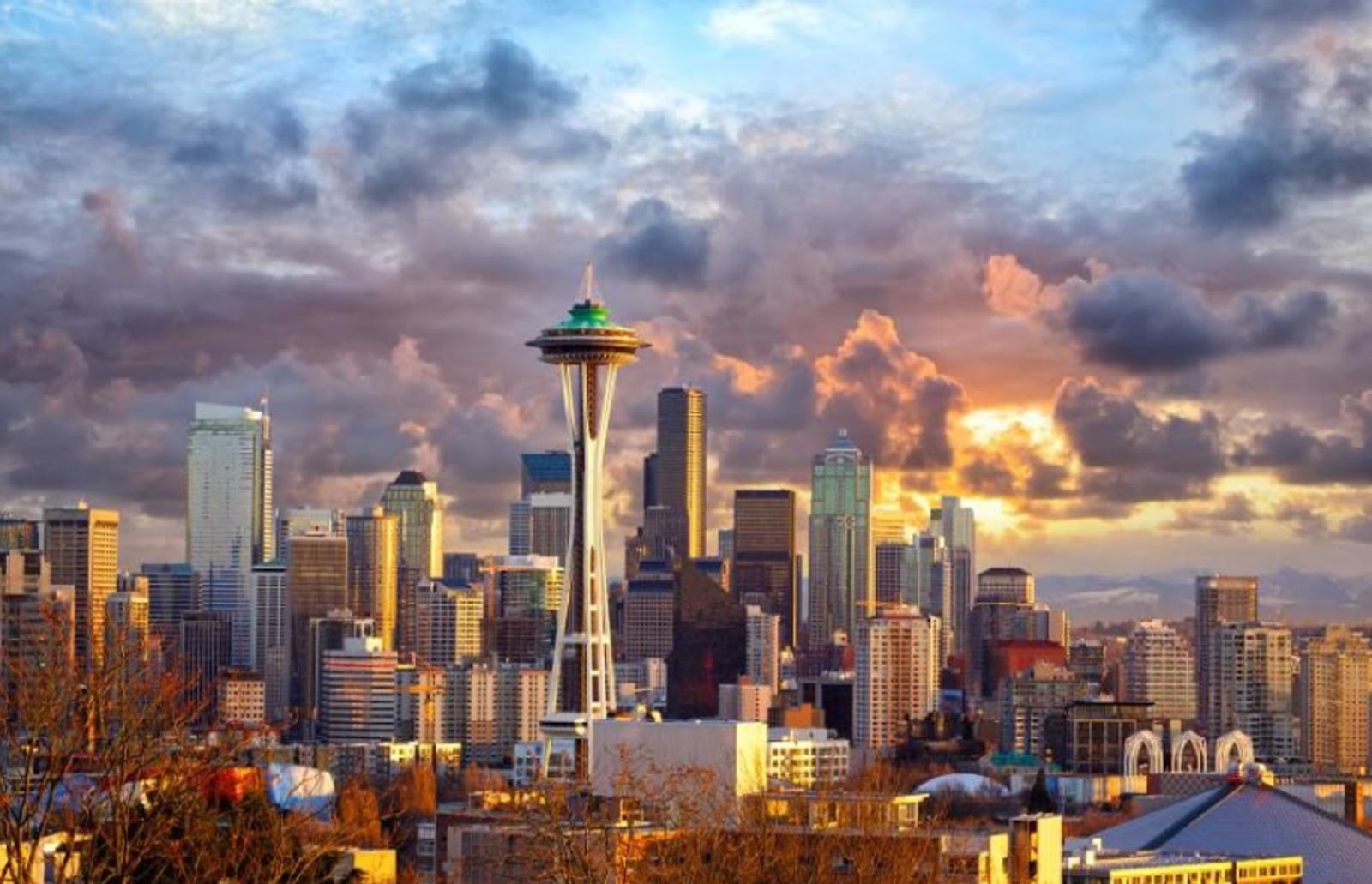
Even on a gray day, Seattle possesses a unique charm. The lush greenery thrives on the moisture, making parks and gardens still beautiful to behold. A drive to viewpoints like Kerry Park can offer dramatic, moody vistas of the city skyline often shrouded in mist. The ferry system across the Puget Sound provides a fantastic way to see the city from a different perspective and visit charming island towns like Gig Harbor or West Seattle, all while staying mostly dry. Embrace the cozy atmosphere of Seattle’s countless coffee shops; it’s the birthplace of Starbucks, after all, and the coffee culture is deeply ingrained in the city’s lifestyle.

Planning for Flexibility
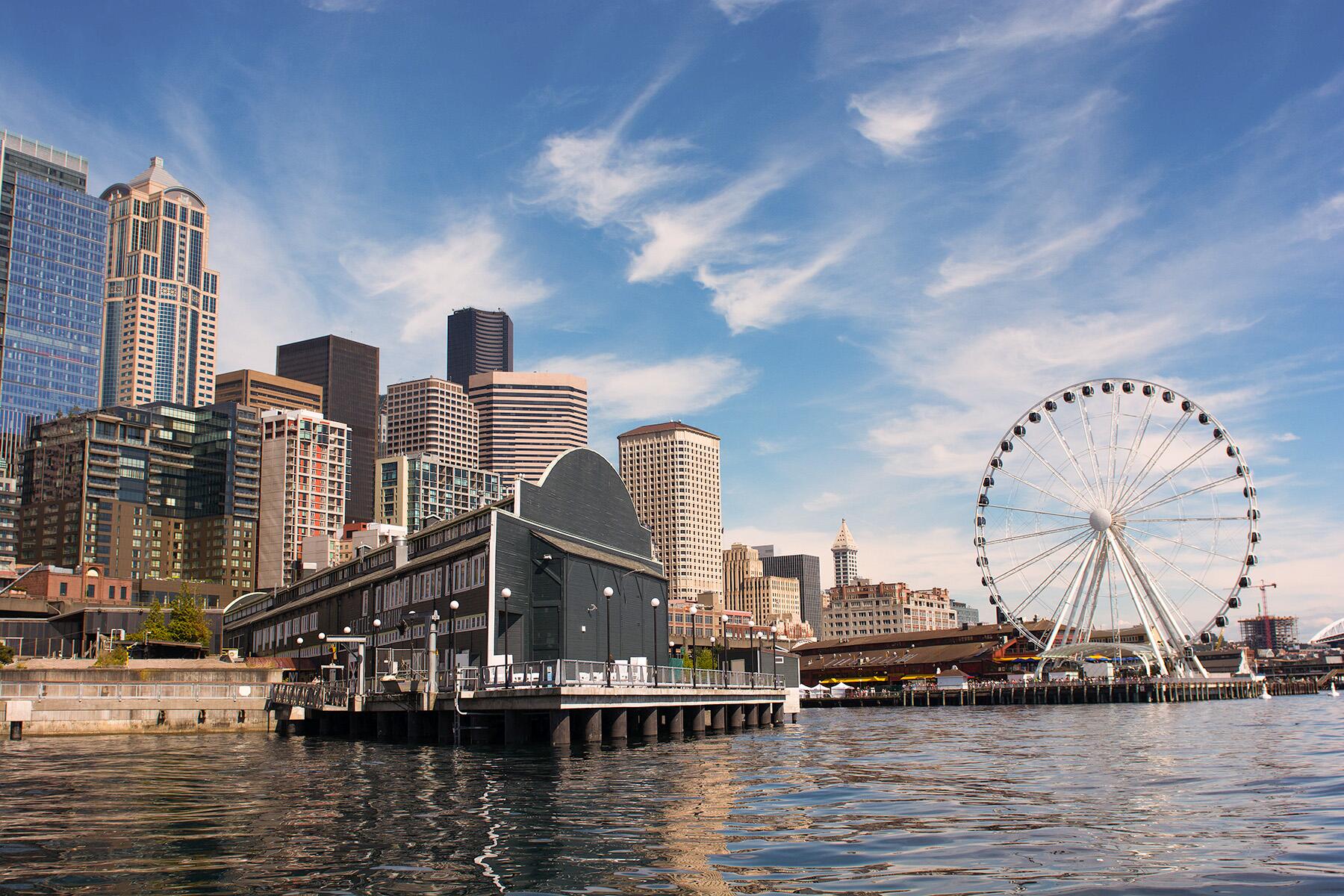
The most crucial tip for enjoying Seattle is to build flexibility into your itinerary. Have backup plans for outdoor activities in case of inclement weather. Many of Seattle’s most iconic experiences, like visiting Pike Place Market or riding the Great Wheel, can be enjoyed rain or shine. If you’ve planned a hike, have a museum or a cozy pub as a secondary option. The locals have a saying: “There’s no bad weather, only bad clothing,” and in Seattle, this sentiment rings particularly true. By packing wisely and maintaining a flexible attitude, you’re sure to have an unforgettable experience in this captivating Pacific Northwest gem.
LifeOutOfTheBox is a participant in the Amazon Services LLC Associates Program, an affiliate advertising program designed to provide a means for sites to earn advertising fees by advertising and linking to Amazon.com. Amazon, the Amazon logo, AmazonSupply, and the AmazonSupply logo are trademarks of Amazon.com, Inc. or its affiliates. As an Amazon Associate we earn affiliate commissions from qualifying purchases.