
The California Climate Credit is a crucial initiative designed to offset the financial impact of greenhouse gas emissions on the state’s residents, particularly those who are most vulnerable. It’s a tangible benefit stemming from California’s cap-and-trade program, a cornerstone of the state’s ambitious climate action strategy. For travelers, residents, and anyone interested in the Golden State’s approach to environmental sustainability, understanding this credit is key to appreciating how policy translates into real-world benefits.
The cap-and-trade program, officially known as the Cap-and-Trade Auction Revenue for Greenhouse Gas Reduction, aims to reduce California’s emissions by setting a declining limit, or “cap,” on the total amount of greenhouse gases that large polluters can emit. Companies that emit more than their allowance must buy allowances from those that emit less. This market-based approach incentivizes businesses to invest in cleaner technologies and practices, thereby lowering overall emissions.
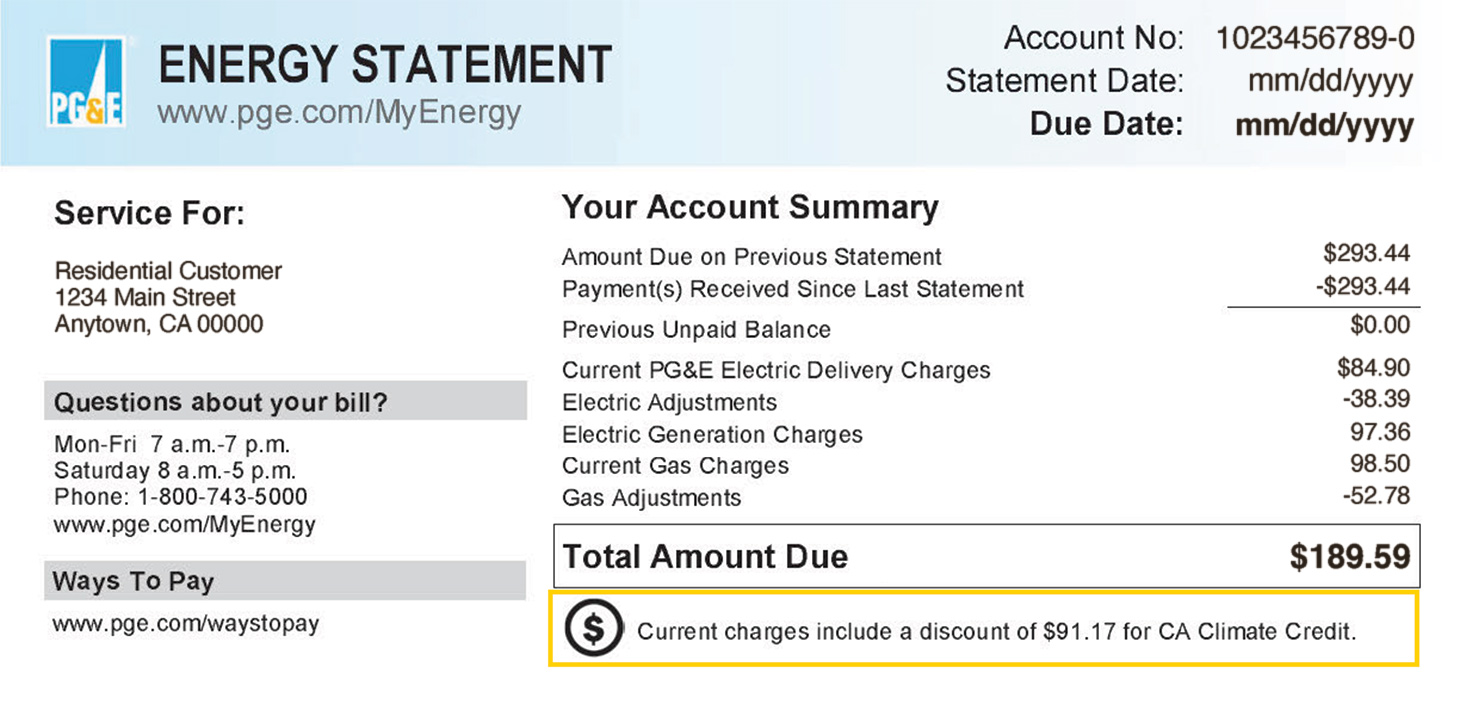
The revenue generated from the auction of these allowances is then reinvested into programs that further support the state’s climate goals. A significant portion of this revenue is directly returned to Californians through the Climate Credit. This makes the program not just a regulatory mechanism but also a source of financial relief and a driver for further climate-friendly initiatives.
Understanding the Cap-and-Trade Program and Its Revenue Generation
The California Climate Credit is a direct descendant of the state’s pioneering Cap-and-Trade program, a market-based system established to curb greenhouse gas emissions across various sectors. At its core, the program mandates that the largest emitters of greenhouse gases in California, including those in the electricity generation, industrial, and transportation fuel sectors, must either reduce their emissions to meet a declining limit or purchase allowances to cover their excess emissions.
How Allowances Are Allocated and Auctioned
The allowances, which represent the right to emit a certain amount of greenhouse gases, are distributed in two primary ways: through free allocation to certain industries, particularly those deemed at risk of “emissions leakage” (where companies might move to jurisdictions with less stringent regulations), and through quarterly auctions. The auctions are a critical revenue-generating mechanism for the state. Bidders, typically large businesses and financial entities, compete to purchase these allowances, driving their price and generating substantial funds for California.
The auction process is designed to be transparent and competitive. The revenue collected from these auctions forms the Greenhouse Gas Reduction Fund (GGRF), a dedicated pool of money used to finance a wide array of programs and initiatives that directly support California’s climate objectives. These programs are diverse, ranging from investments in clean transportation and renewable energy to affordable housing and natural resource protection.
The Link to Consumer Benefits: The Climate Credit
The California Climate Credit is a specific, highly visible component of how the GGRF is used. A portion of the revenue generated from the allowance auctions is earmarked for direct returns to residents and businesses. This is where the concept of “revenue recycling” comes into play, ensuring that the costs associated with the cap-and-trade program are, in part, offset for the public. The credit serves as a direct financial benefit, acknowledging that the transition to a low-carbon economy may have upfront costs for consumers.
For residents, this credit typically appears as a reduction on their electricity and natural gas bills, often during the spring months. For businesses, it might manifest as a reduction on their utility bills or as direct investments in energy efficiency projects. This direct benefit makes the abstract concept of climate policy more concrete and relatable for everyday Californians, fostering broader support for the state’s climate agenda. The program thus creates a virtuous cycle: businesses are incentivized to reduce emissions, generating revenue that is then used to support further emission reductions and provide direct relief to the very people who are affected by the broader economic landscape influenced by climate policies.
How the California Climate Credit Works for Consumers
The California Climate Credit is most directly felt by households and small businesses in the form of tangible savings on their utility bills. This direct remittance is a cornerstone of California’s strategy to ensure that the transition to a cleaner economy is equitable and does not disproportionately burden those with lower incomes.
Direct Benefits on Electricity and Natural Gas Bills
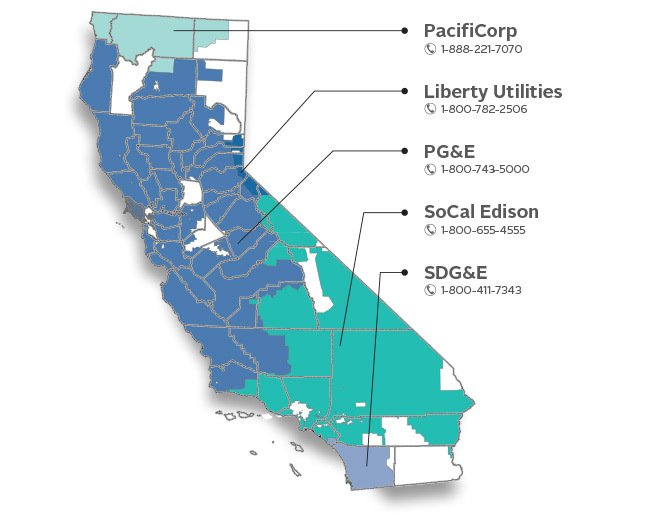
For most Californians, the Climate Credit arrives annually as a reduction on their electricity and natural gas bills. This credit is typically applied automatically by their utility providers, such as Pacific Gas and Electric Company (PG&E), Southern California Edison (SCE), and San Diego Gas & Electric Company (SDG&E), as well as natural gas providers like Pacific Gas and Electric (PG&E), Southern California Gas Company (SoCalGas), and San Diego Gas & Electric (SDG&E). The amount of the credit can vary slightly from year to year, depending on the total revenue generated by the Cap-and-Trade program and the specific allocations made for residential and small business rebates.
The credit is often applied in two installments, typically in the spring. This timing is strategic, often coinciding with increased energy usage for cooling during warmer months, providing some relief during periods of higher utility costs. The credit is generally a flat amount for residential customers, ensuring that everyone receives a similar benefit regardless of their energy consumption. However, there might be slight variations based on the type of dwelling (e.g., single-family home versus apartment).
For small businesses, the credit also appears as a reduction on their electricity and natural gas bills, though the amounts and application methods may differ. This ensures that small enterprises, which are vital to the California economy, also benefit from the state’s climate initiatives.
Eligibility and Application for Small Businesses
While residential customers automatically receive the Climate Credit, the process for small businesses may involve specific eligibility criteria and, in some cases, a more direct application process. Utility providers usually designate certain business accounts as eligible based on their energy usage and size. The goal is to provide relief to those businesses that are most likely to be impacted by rising energy costs associated with the cap-and-trade program.
It’s important for small business owners to verify their eligibility with their respective utility company. Information regarding eligibility, application deadlines (if any), and the exact credit amounts can be found on the websites of California’s major utility providers. These credits can contribute to a business’s bottom line, allowing for investment in energy efficiency upgrades or other operational improvements.
The California Public Utilities Commission (CPUC) oversees the implementation of the Climate Credit for investor-owned utilities, ensuring that the program is administered fairly and effectively. This regulatory oversight is crucial for maintaining public trust and ensuring that the intended benefits reach the intended recipients.
Beyond Bill Credits: Broader Impacts of the California Climate Credit Program
While the direct bill credit is the most visible manifestation of the California Climate Credit, the broader impacts of the program extend far beyond individual utility statements. The revenue generated by the Cap-and-Trade program fuels a wide range of initiatives that contribute to California’s climate goals and benefit communities across the state.
Investments in Community Programs and Environmental Justice
A significant portion of the revenue from California’s cap-and-trade auctions is directed towards programs aimed at reducing greenhouse gas emissions and promoting environmental justice. This includes significant investments in disadvantaged communities that have historically borne a disproportionate burden of pollution. These investments can take many forms, such as:
- Clean Transportation Initiatives: Funding for the expansion of public transportation, the development of electric vehicle charging infrastructure, and incentives for purchasing zero-emission vehicles, particularly in low-income areas.
- Renewable Energy Projects: Support for community-based solar projects, energy efficiency upgrades for affordable housing, and the development of clean energy technologies.
- Sustainable Agriculture and Forest Management: Investments in practices that reduce agricultural emissions, enhance carbon sequestration in natural lands, and improve resilience to climate change impacts like wildfires.
- Urban Greening and Water Conservation: Projects that increase tree canopy in urban areas, improve air quality, and promote water-efficient landscaping.
These investments are designed to create a more equitable transition to a sustainable future, ensuring that the benefits of climate action are shared broadly and that vulnerable populations are not left behind. The California Air Resources Board (CARB) plays a central role in overseeing these investments, working with various state agencies and community stakeholders to ensure that funds are used effectively to achieve meaningful environmental and social outcomes.
Driving Innovation and Economic Opportunities
The California Climate Credit program, as part of the larger cap-and-trade system, also acts as a catalyst for innovation and economic growth within the clean technology sector. By creating a market price for carbon emissions, the program incentivizes businesses to develop and adopt cleaner, more efficient technologies. This has led to California becoming a leader in areas such as renewable energy, energy storage, and electric vehicles.
The revenue generated from the auctions also funds research and development initiatives, supporting startups and established companies in their efforts to create next-generation climate solutions. This fosters a vibrant ecosystem of green businesses, creating new jobs and economic opportunities across the state. For instance, investments might support the manufacturing of components for electric vehicles or the deployment of smart grid technologies.
Furthermore, the focus on reducing emissions across multiple sectors encourages businesses to re-evaluate their operational efficiencies. This can lead to cost savings through reduced energy consumption, improved waste management, and more sustainable supply chains. In essence, the California Climate Credit and its supporting programs are not just about mitigating environmental risks; they are also about building a more resilient, innovative, and prosperous future for California. The state’s proactive approach positions it as a global model for how to address climate change while fostering economic vitality and ensuring that the benefits are shared by all its residents, from the bustling streets of Los Angeles to the serene coastlines of Big Sur.
LifeOutOfTheBox is a participant in the Amazon Services LLC Associates Program, an affiliate advertising program designed to provide a means for sites to earn advertising fees by advertising and linking to Amazon.com. Amazon, the Amazon logo, AmazonSupply, and the AmazonSupply logo are trademarks of Amazon.com, Inc. or its affiliates. As an Amazon Associate we earn affiliate commissions from qualifying purchases.