
Navigating the process of signing up for unemployment benefits in Florida can feel daunting, especially during challenging times. This comprehensive guide aims to demystify the procedures, requirements, and considerations involved in applying for unemployment benefits in the Sunshine State. Understanding these steps is crucial for individuals facing job loss, ensuring a smoother transition and access to vital financial support while they seek new employment opportunities. The Florida Department of Economic Opportunity (now Workforce Florida) oversees the unemployment insurance program, providing a system designed to assist eligible workers.
Understanding Florida Unemployment Insurance
Florida’s unemployment insurance system is designed to provide temporary financial assistance to individuals who have lost their jobs through no fault of their own. This means if you were laid off, your employer went out of business, or your hours were significantly reduced, you may be eligible. It’s important to note that if you quit your job or were terminated for misconduct, your eligibility might be affected. The program is funded by taxes paid by employers, and it serves as a crucial safety net for the state’s workforce.

Eligibility Requirements
To be eligible for unemployment benefits in Florida, you must meet several key criteria:
- Monetary Eligibility: You must have earned a sufficient amount of wages during your “base period.” The base period is a specific 12-month timeframe within the last 18 months prior to filing your claim. Your earnings in at least one quarter of this base period must meet a minimum threshold, and your total earnings during the base period must also meet a specified amount. The exact figures are subject to change and are determined by state law.
- Separation from Employment: You must have lost your employment through no fault of your own. This typically includes layoffs due to lack of work, company closures, or downsizing. If you voluntarily quit, you generally won’t be eligible unless you had “good cause” for leaving (e.g., unsafe working conditions, significant reduction in pay, harassment). If you were fired for misconduct, such as violating company policy or poor performance after warnings, you likely won’t qualify.
- Able and Available for Work: You must be physically able to work, available for work, and actively seeking employment. This means you are not incapacitated due to illness or injury and are ready to accept suitable job offers. You will be required to document your job search efforts.
- Residency and Work Authorization: You must be a legal resident of the United States and have the legal right to work in the United States.
The Base Period Explained
The concept of the “base period” is fundamental to determining your monetary eligibility. It’s a look-back period used to calculate your average weekly wage and total base period wages.
- Standard Base Period: This covers the first four of the last five completed calendar quarters before you file your claim.
- Alternate Base Period: If you do not have sufficient wages in the standard base period, the alternate base period (the last four completed calendar quarters before you file your claim) may be used.
The Department of Economic Opportunity uses your earnings from your W-2 wages during these periods to establish your eligibility and the amount of benefits you may receive.
Filing Your Unemployment Claim in Florida
The primary method for filing an unemployment claim in Florida is online through the state’s official unemployment portal. While phone assistance is available, the online system is generally the most efficient way to submit your application.
Step-by-Step Online Application Process
- Gather Necessary Information: Before you begin, ensure you have the following information readily available:
- Your Social Security number.
- Your driver’s license or state-issued identification number.
- Your mailing address and phone number.
- Your employment history for the past 18 months, including employer names, addresses, phone numbers, dates of employment, and your reason for leaving each job.
- If you were in the military, your DD Form 214.
- If you were a federal employee, your SF-8 and SF-50 forms.
- Your bank account and routing number if you opt for direct deposit of your benefits.
- Access the Online Portal: Visit the official website for Florida unemployment. You will typically find a link to “Apply for Benefits” or a similar designation.
- Create an Account: You will likely need to create a user account to access the system. This usually involves providing an email address and creating a secure password.
- Complete the Application: Fill out the online application form accurately and completely. Be truthful about your employment history and the reasons for your separation. Inaccuracies or omissions can lead to delays or denial of your claim.
- Submit Your Application: Once you have completed all sections, review your application for any errors and submit it electronically. You should receive a confirmation that your application has been received.
What to Expect After Filing

After you submit your application, the Department of Economic Opportunity will review it to determine your eligibility. This process can take several weeks.
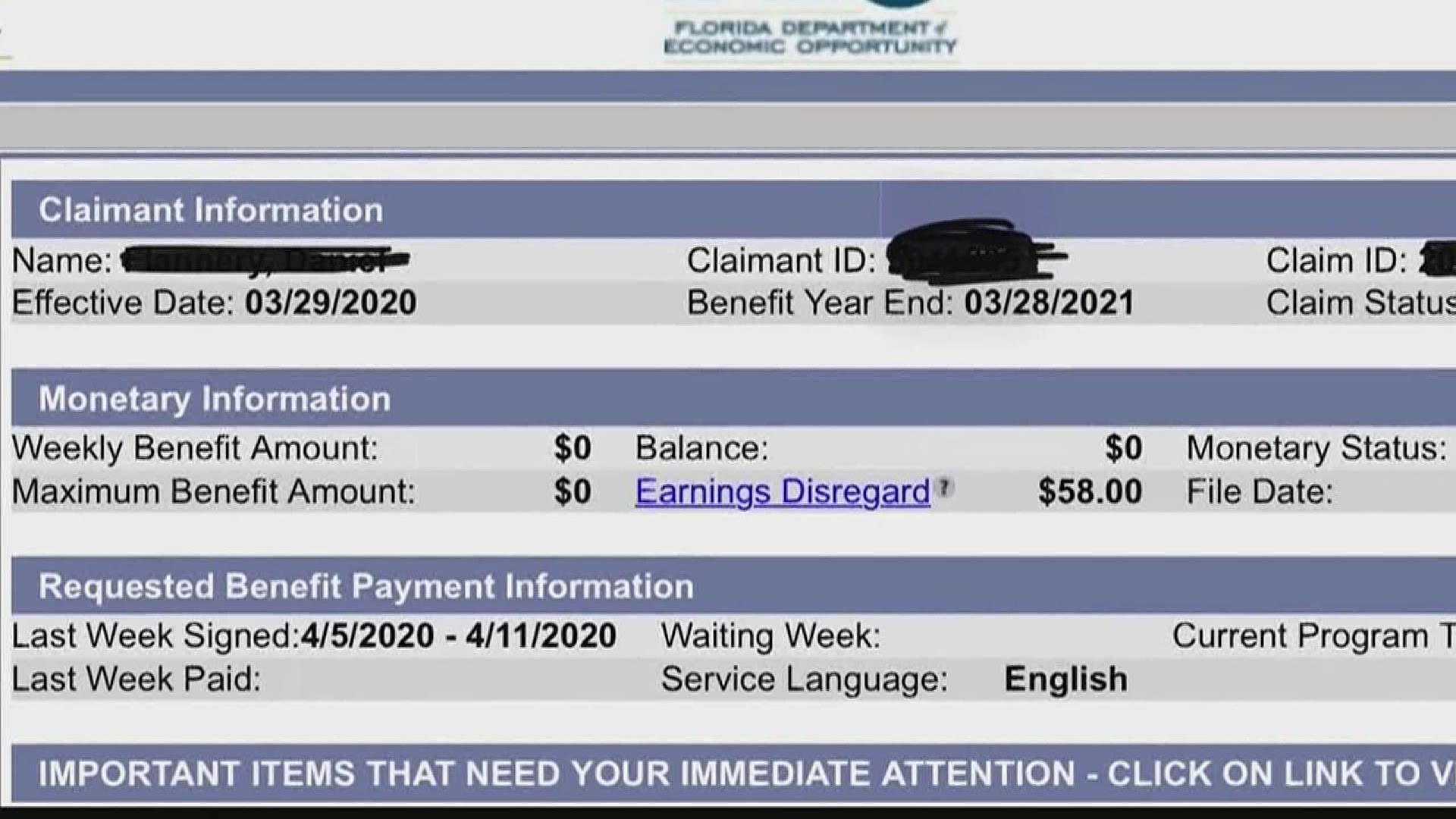
- Monetary Determination: You will receive a monetary determination letter detailing your potential weekly benefit amount and the duration for which you might be eligible, based on your base period wages.
- Non-Monetary Determination: The department will also investigate the reason for your separation from employment to ensure it meets the program’s requirements. They may contact your former employer for verification.
- Waiting Week: Florida has a one-week waiting period for which you will not receive benefits. This waiting week is usually the first week you are eligible for benefits.
- Potential Interviews: In some cases, you may be required to participate in a phone interview to clarify details about your claim, especially if there are discrepancies or questions regarding your reason for separation.
Maintaining Your Unemployment Claim
Successfully filing your claim is just the first step. To continue receiving benefits, you must actively manage your claim and adhere to ongoing requirements.
Weekly Claims and Job Search Requirements
- Weekly Certification: To receive payment for any given week, you must “certify” that you were able and available for work and actively seeking employment during that week. This is typically done online through the unemployment portal or by phone. You must do this within a specified timeframe each week. Failure to certify will result in no payment for that week.
- Active Job Search: You are required to actively search for suitable employment. Florida mandates a certain number of work search contacts per week, though this number can fluctuate based on economic conditions and specific program requirements. You must be prepared to document your job search activities, as the department may request this information at any time. This includes keeping a log of employers contacted, dates of contact, methods of contact, and the outcome.
- Reporting Earnings: If you find any part-time or full-time employment and earn wages while receiving benefits, you must report these earnings accurately when you certify for benefits each week. Failure to report earnings is considered fraud and can have severe consequences, including repayment of benefits and penalties.
- Work Availability: You must remain able and available to work. If you become ill or injured and cannot work, you must report this immediately and may need to suspend your claim until you are able to return to work. Similarly, if you are out of the United States or unavailable for work for any other reason, you must notify the department.
Appealing a Denied Claim
If your unemployment claim is denied, you have the right to appeal the decision. It is crucial to understand the appeals process and adhere to the deadlines.
- Review the Determination: Carefully read the denial notice to understand the specific reasons for the denial.
- Filing an Appeal: You will have a limited timeframe (usually 20 days from the mailing date of the determination) to file an appeal. Appeals are typically filed online or in writing.
- Appeal Hearing: If your appeal is accepted, you will likely have an opportunity to present your case at an appeal hearing. This hearing may be conducted by phone or in person. You can present evidence and witnesses to support your claim.
- Further Appeals: If you are unsuccessful at the initial appeal level, there are further stages of appeal, such as to the Florida Unemployment Appeals Commission.
Important Considerations and Resources
Navigating the unemployment system can be complex, and understanding the nuances can make a significant difference in your experience.
Common Pitfalls to Avoid
- Inaccurate Information: Providing incorrect or incomplete information on your application or during weekly certifications is one of the most common reasons for delays or denial. Always double-check your entries.
- Missing Deadlines: Failing to file your initial claim promptly or missing weekly certification deadlines can result in lost benefits.
- Not Actively Searching: Underestimating or neglecting your job search requirements can lead to your benefits being stopped.
- Not Reporting Income: Failing to report any earnings, no matter how small, is a serious offense.
- Misunderstanding “Good Cause” or “Misconduct”: These terms are critical. If you quit or were fired, consult the department’s guidelines or seek advice to understand if your situation qualifies.
Utilizing Available Resources
The Department of Economic Opportunity provides various resources to assist claimants:
- Online Portal and FAQs: The official unemployment website is a wealth of information, including frequently asked questions, guides, and updates.
- Customer Service: While call volumes can be high, customer service representatives can answer specific questions about your claim.
- CareerSource Florida: This network of regional centers offers free services to job seekers, including resume writing assistance, interview coaching, and job placement services. They are an invaluable resource for individuals actively seeking new employment. Visiting a local CareerSource center can provide personalized support.
- Workshops and Training: Many CareerSource centers offer workshops on job searching, career development, and other relevant topics.
By approaching the unemployment application process with careful attention to detail and a proactive mindset, individuals in Florida can effectively navigate the system and access the support they need during their transition to new employment.
LifeOutOfTheBox is a participant in the Amazon Services LLC Associates Program, an affiliate advertising program designed to provide a means for sites to earn advertising fees by advertising and linking to Amazon.com. Amazon, the Amazon logo, AmazonSupply, and the AmazonSupply logo are trademarks of Amazon.com, Inc. or its affiliates. As an Amazon Associate we earn affiliate commissions from qualifying purchases.