
The aroma of slow-smoked meat is an unmistakable call to adventure, a culinary journey that evokes images of sun-drenched Southern landscapes, lively backyard gatherings, and the rich tapestry of American culinary heritage. For many, embarking on the quest to perfectly smoke a Boston Butt is more than just cooking; it’s an immersive lifestyle experience, a deep dive into the art of patience, precision, and flavor. On our platform, we celebrate the myriad ways travel enriches life, and what could be more enriching than mastering a skill that transports you straight to the heart of regional culture, right from your own home or a well-equipped vacation rental?
The Boston Butt, despite its name, is not from Boston, nor is it a rear cut. It’s actually a specific cut of pork from the upper part of the pig’s shoulder, encompassing the shoulder blade bone. Its intriguing name is believed to have originated in pre-Revolutionary New England, where butchers would pack less prized cuts of pork into barrels called “butts” for storage and transport. This particular cut became known as the “Boston Butt” in the region. Over time, it traveled south, becoming the bedrock of incredible pulled pork, a staple of Southern cuisine throughout the United States.
Mastering the art of smoking a Boston Butt is akin to collecting a treasured travel memory. It’s a commitment to a slow process, a testament to the idea that the best things in life, much like memorable journeys, take time and careful cultivation. Whether you’re a seasoned pitmaster looking to refine your technique, or a culinary explorer eager to infuse your home with the tastes of a Southern road trip, this guide will walk you through every step, transforming a humble cut of pork into a succulent, smoky masterpiece.
Embarking on Your Smoking Journey: Essential Preparations
Before the first wisp of smoke curls into the air, the foundation for an unforgettable culinary experience must be laid. This initial phase is much like planning an exciting itinerary: selecting the right destination, gathering your gear, and preparing for the adventure ahead.
Selecting Your Star Ingredient and Tools
The journey to perfect pulled pork begins with the Boston Butt itself. Look for a bone-in cut, typically weighing between 7-10 pounds, with a good balance of meat and fat marbling. The bone helps to distribute heat evenly and adds a depth of flavor that boneless cuts often lack. Sourcing quality meat is a form of local exploration, akin to visiting a farmer’s market in Charleston or a specialty butcher shop in Nashville – it connects you to the provenance of your food.
Next, consider your smoking apparatus. The world of smokers is as diverse as global travel accommodations.
- Charcoal Smokers (e.g., Weber Smokey Mountain, offset smokers): These are perhaps the most traditional and often preferred by purists for the rich, authentic smoke flavor they impart. They require more attention to temperature management, much like navigating an off-the-beaten-path destination.
- Pellet Smokers (e.g., Traeger, Pit Boss): These offer convenience and consistent temperature control, ideal for those who prefer a more relaxed “resort-style” smoking experience. They make the process approachable for beginners.
- Electric Smokers: The easiest to operate, essentially “set it and forget it,” perfect for busy travelers or those with limited time, perhaps staying in an extended-stay hotel with a patio.
- Propane Smokers: Offer a good balance of convenience and control, similar to an all-inclusive package tour.
Regardless of your smoker type, essential tools include a reliable digital meat thermometer (probe and instant-read), good quality wood chunks or chips (never sawdust), a spray bottle for spritzing, and a drip pan.
Choosing the right wood is critical, as it infuses the meat with its signature smoky character. Different woods offer distinct flavor profiles, much like different regions offer unique cultural experiences:
- Hickory: The classic choice for pork in the American South, delivering a strong, bacon-like flavor.
- Oak: A versatile, medium-strength smoke, excellent for a balance of flavor.
- Apple/Cherry: Milder and fruitier, imparting a sweet, subtle smoke, perfect for those who prefer a less intense flavor.
- Pecan: A mellow, nutty smoke, a favorite in regions like Texas.
Crafting the Flavor Profile: Rubs and Brines
With your equipment ready and your Boston Butt selected, it’s time to impart the initial layers of flavor. This is where your culinary creativity, much like designing a bespoke travel itinerary, truly shines.
Start by trimming any excessively thick fat cap from the butt, leaving about a quarter-inch layer. This fat will render down, moistening the meat, but too much can prevent the rub from penetrating. Pat the pork thoroughly dry with paper towels; this ensures your rub adheres beautifully.
The dry rub is the heart of your flavor profile. While countless commercial rubs exist, crafting your own allows for personalization and reflects your taste. A basic but effective rub often includes:
- Brown sugar (for sweetness and bark formation)
- Paprika (for color and mild pepperiness)
- Salt (kosher or coarse sea salt)
- Black pepper (coarsely ground)
- Garlic powder
- Onion powder
- Cumin
- Cayenne pepper (for a hint of heat, optional)
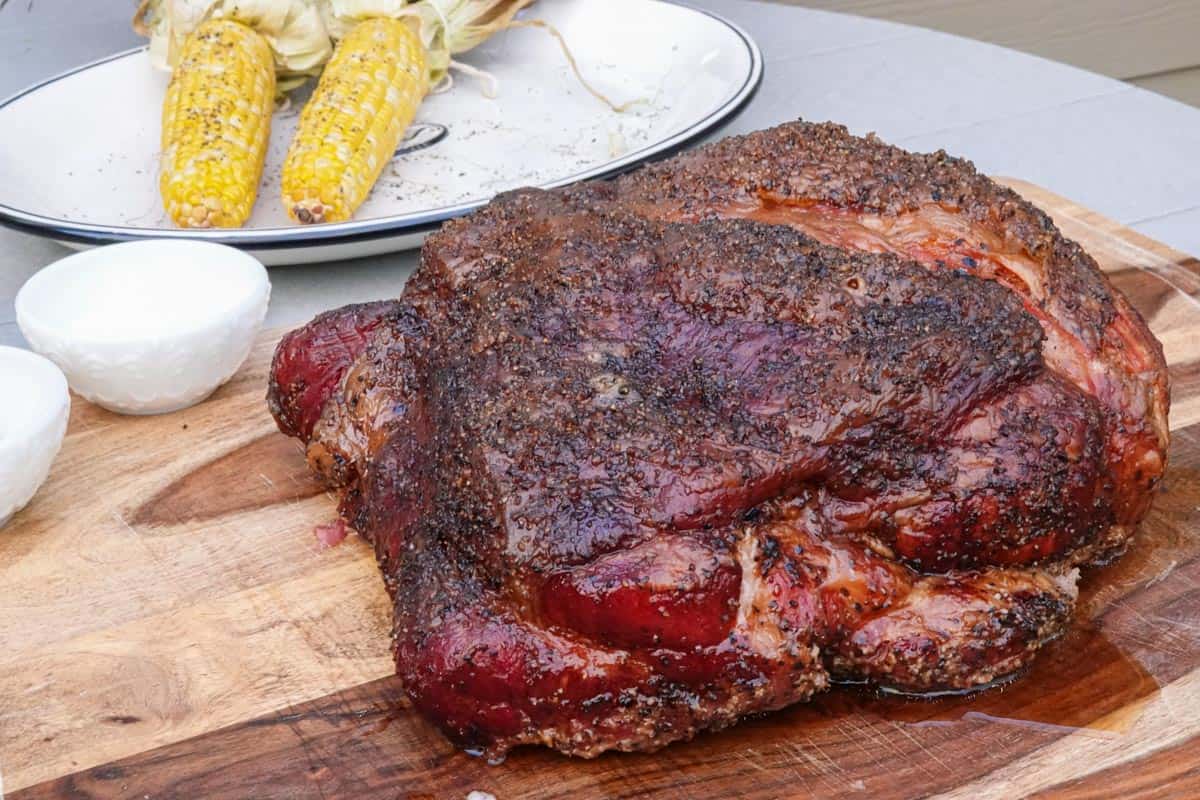
Mix your chosen spices thoroughly. Then, generously apply the rub to all surfaces of the Boston Butt, gently massaging it into the meat. Don’t be shy; you want a thick, even coating. Once rubbed, you can either smoke it immediately or, for deeper flavor penetration, wrap it tightly in plastic wrap and refrigerate for 4-12 hours, allowing the spices to meld. This “marination” period is like anticipating a long-awaited trip; the longer you wait, the more satisfying the reward.
An optional but highly recommended step for maximizing moisture and flavor is injecting the butt with a flavorful liquid. A simple injection solution can consist of apple juice, apple cider vinegar, water, and a touch of Worcestershire sauce or even a diluted version of your dry rub spices. Inject deeply into several spots across the meat, ensuring an even distribution.
The Art of the Low and Slow: Mastering the Smoke
This is the core of the smoking process, where patience and precision transform raw meat into tender, melt-in-your-mouth pulled pork. It’s an endurance challenge, much like a long-haul flight or an ambitious multi-country tour, but the destination is truly worth it.
Setting the Stage: Temperature and Technique
Preheat your smoker to a consistent temperature between 225°F and 275°F (107°C to 135°C). Aim for the lower end for a longer cook and more smoke penetration, or the higher end if you need to finish a bit quicker. Consistency is paramount, so learn your smoker’s quirks. Use a water pan in your smoker, if applicable, to help maintain a moist environment, which keeps the meat from drying out and helps stabilize temperatures.
Once your smoker is at temperature and producing clean, thin blue smoke (not thick, white acrid smoke), it’s time to place your Boston Butt inside. Position it fat-side up or down, depending on your preference and smoker design. Some believe fat-side up allows the fat to baste the meat as it renders, while others prefer fat-side down to protect the meat from direct heat. Insert your probe thermometer into the thickest part of the meat, avoiding the bone. Close the lid and resist the urge to peek! Every time you open the smoker, you lose heat and valuable smoke.
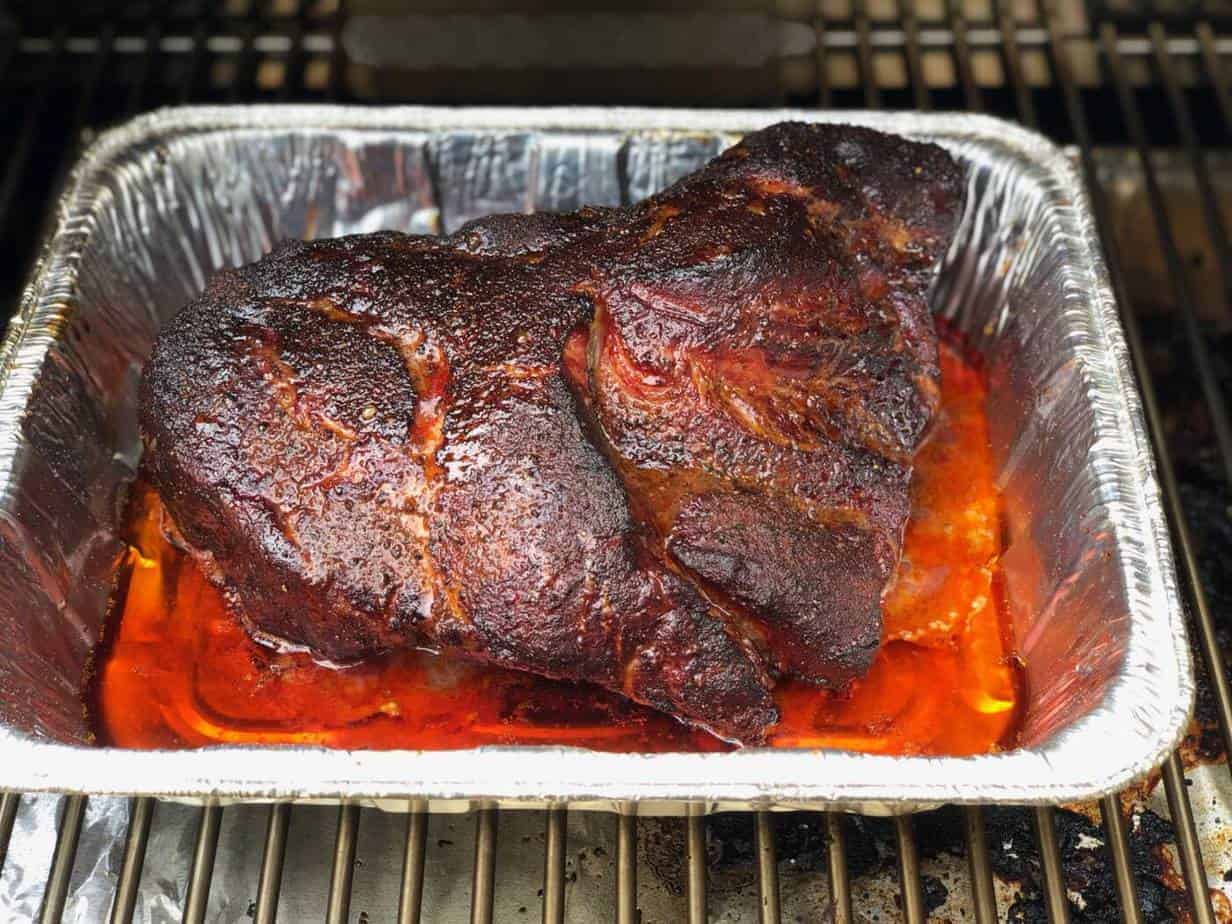
Over the next several hours, maintain your smoker’s temperature and periodically check on your meat. The initial phase is crucial for developing the “bark”—the flavorful, dark, crusty exterior that is highly prized in smoked meats.
Around the 3-4 hour mark, you can begin the spritzing ritual. This involves misting the butt with a liquid, typically apple cider vinegar, apple juice, or a mix of both. Spritzing every 45 minutes to an hour helps to keep the surface moist, prevents it from drying out, and encourages more smoke to adhere, enhancing that coveted bark. It’s a small, deliberate act, much like snapping photos of a famous landmark – each action contributes to the overall memory.
Navigating the Stall and the Finish Line
One of the most defining characteristics of smoking a Boston Butt is the stall. This phenomenon occurs when the internal temperature of the meat, after steadily rising, suddenly plateaus, often lingering between 150°F and 170°F (65°C to 77°C) for several hours. It can be perplexing for first-timers, feeling like a delay in your journey. The stall is caused by evaporative cooling: as moisture evaporates from the surface of the meat, it cools the meat, much like sweat cools your body.
Patience is the key here. Resist the urge to crank up the heat, as this can dry out the meat. Simply wait it out. Eventually, the moisture will dissipate enough for the temperature to start rising again. This period is a test of discipline, but it’s an essential part of the process, ensuring tenderness.
To push through the stall more quickly, or to simply accelerate the cook while preserving moisture, many pitmasters employ the wrap. Once the bark has formed to your liking (typically around 6-8 hours, or when the internal temperature reaches 160-170°F / 71-77°C), remove the butt from the smoker. Wrap it tightly in butcher paper (preferred for breathability and bark preservation) or heavy-duty aluminum foil. You can add a splash of apple juice or broth inside the wrap for extra moisture. Return the wrapped butt to the smoker. This is often referred to as the “Texas Crutch” and helps the meat power through the stall and tenderize significantly.
Continue smoking until the internal temperature reaches between 195°F and 205°F (90°C to 96°C). The exact temperature can vary, but the true indicator of doneness is probe tenderness. When you insert an instant-read thermometer or a skewer, it should slide in with very little resistance, feeling like “butter.” This signifies that the collagen has broken down, leaving you with wonderfully tender meat. The entire smoking process can take anywhere from 10 to 18 hours, depending on the size of the butt, the smoker, and the consistency of the temperature. It’s a marathon, not a sprint.
The Grand Finale: Rest, Pull, and Savor
After hours of watchful tending, the final steps are about maximizing the juiciness and flavor, culminating in a feast that celebrates your dedication and culinary adventure.
The Critical Rest: Unlocking Tenderness
Perhaps the most overlooked, yet crucial, step is the rest. Once the Boston Butt reaches its target temperature and is probe-tender, remove it from the smoker. While still wrapped (or re-wrap it if you didn’t earlier), place it in a cooler, wrapped in a towel, for a minimum of 1-2 hours, or even up to 4 hours. This resting period allows the muscle fibers to relax and reabsorb the juices that have been pushed to the center during cooking. Skipping this step will result in drier, less flavorful meat. Think of it as allowing your body to recover after a long journey, preparing it to fully enjoy the destination.
The Pull: From Slab to Shreds
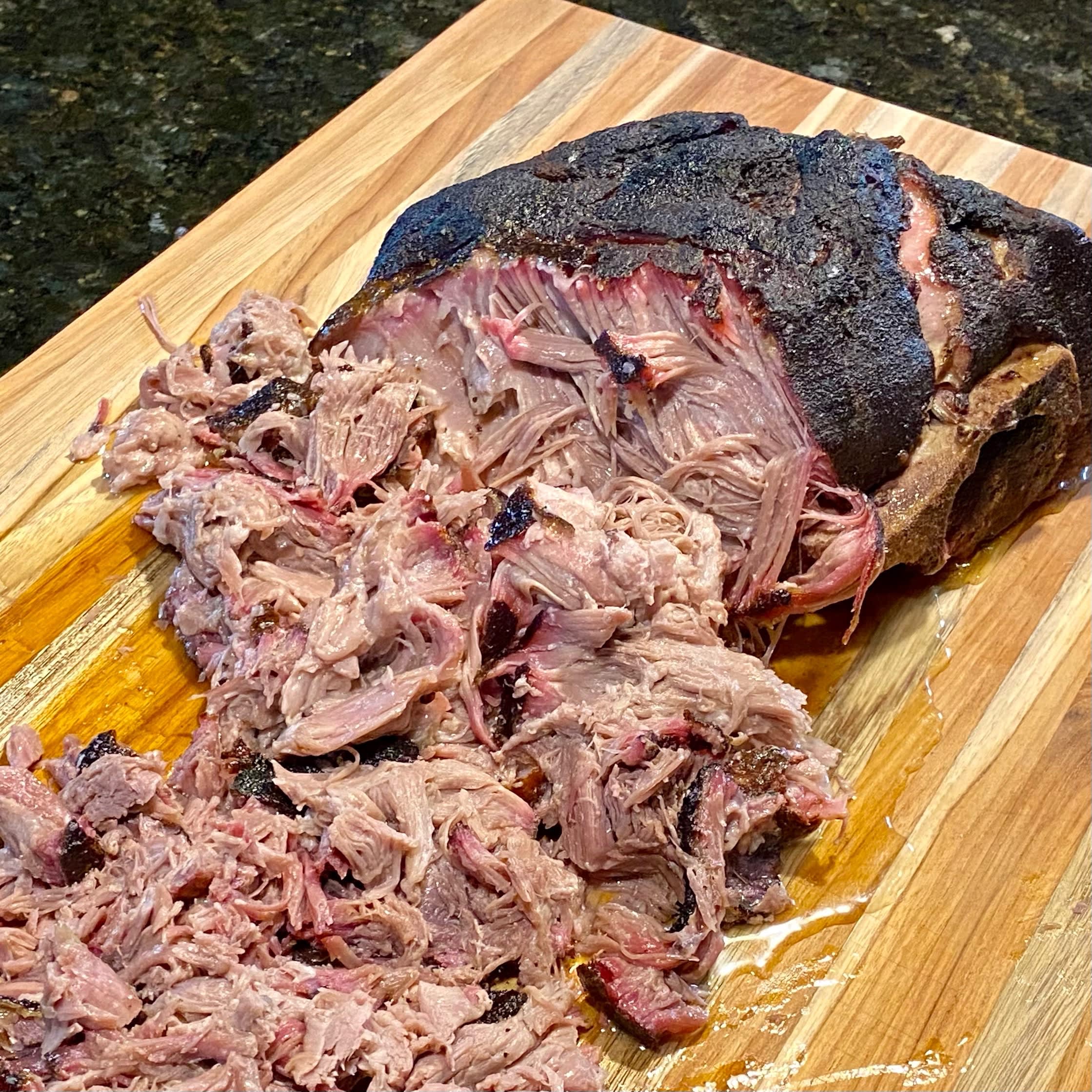
After resting, unwrap the butt and prepare for the satisfying task of pulling the pork. The bone should slide out effortlessly, a testament to a perfectly cooked butt. Using heat-resistant gloves or two meat claws, begin to shred the pork, separating the tender meat from any remaining fat or gristle. Mix the crispy bark pieces with the tender interior meat for a delightful textural contrast.
As you pull, you can mix in some of the rendered juices from the wrapping, and perhaps a splash of your favorite BBQ sauce. BBQ sauces are as regionally diverse as the United States itself, offering another layer of culinary exploration:
- Carolina Vinegar-Based: Tangy and thin, popular in parts of North Carolina.
- South Carolina Mustard-Based: A distinctive zesty and sweet sauce, particularly found around Columbia and the lowcountry.
- Kansas City Sweet and Thick: Tomato and molasses-based, a universally loved classic.
- Texas Spicy: Often thinner, with a peppery kick, designed to complement the smoky beef (though great on pork too).
Serve your pulled pork on soft buns with coleslaw, pickles, and perhaps a side of baked beans. It’s more than a meal; it’s a celebration, a culmination of hours of effort and a deep respect for culinary tradition.
Beyond the Plate: Integrating BBQ into Your Travel Lifestyle
The joy of smoking a Boston Butt extends far beyond the plate. It embodies a lifestyle, a connection to regional culture, and an opportunity for shared experiences, perfectly aligning with our philosophy of living life out of the box.
Culinary Road Trips: Exploring BBQ Trails
For the ultimate immersive experience, consider embarking on a BBQ road trip across the American South. Cities like Memphis, Kansas City, Austin, and countless small towns throughout Georgia, Alabama, and the Carolinas boast legendary BBQ joints, each with its own unique style and secret recipes. Rent a car, consult local guides, and taste your way through the regional variations of smoked meats, making it an epicurean adventure. This is a travel experience that engages all senses, a true reflection of the local culture.
Luxury Stays with a Smoker: Gourmet Vacation Rentals
Imagine booking a luxurious villa in Florida or a charming cabin in the Blue Ridge Mountains that comes equipped with a high-end smoker. Many luxury vacation rentals now cater to culinary enthusiasts, offering state-of-the-art outdoor kitchens. This allows you to combine the relaxation of an upscale getaway with the satisfaction of perfecting your pitmaster skills in a new, inspiring environment. It’s an example of how accommodation can enhance your lifestyle and facilitate unique experiences.
Bringing the World Home: Global Smoking Inspirations
While the Boston Butt is quintessentially American, the art of smoking meat is a global phenomenon. From the asado traditions of Argentina and the churrasco of Brazil to the various smoked fish and meats found across Europe and Asia, there’s a world of smoky flavors to explore. Learning to smoke a Boston Butt can be your gateway to experimenting with other international smoking techniques and ingredients, expanding your culinary repertoire and bringing a taste of global travel right to your backyard.
The Community Aspect: Sharing the Feast
Ultimately, smoking a Boston Butt is about sharing. It’s a focal point for gathering family and friends, much like a grand feast in a bustling marketplace or a cozy meal shared in a quaint village. The long cooking process allows for camaraderie, conversation, and the creation of lasting memories. It’s a perfect example of how food fosters community and enhances our lifestyle, turning a simple meal into an event.
Your Boston Butt journey is a rewarding adventure, a testament to the idea that some of the greatest pleasures in life are found in the low, slow, and deliberate pursuit of perfection. So fire up your smoker, embrace the process, and get ready to savor not just incredible pulled pork, but a rich, smoky taste of American culinary heritage and a truly enriching lifestyle experience.
LifeOutOfTheBox is a participant in the Amazon Services LLC Associates Program, an affiliate advertising program designed to provide a means for sites to earn advertising fees by advertising and linking to Amazon.com. Amazon, the Amazon logo, AmazonSupply, and the AmazonSupply logo are trademarks of Amazon.com, Inc. or its affiliates. As an Amazon Associate we earn affiliate commissions from qualifying purchases.