
Welcome to the Sunshine State! Florida is more than just a premier destination for travelers seeking sun, sand, and unforgettable experiences; it’s a vibrant hub for entrepreneurs looking to tap into its booming tourism and hospitality industries. From the dazzling beaches of Miami to the magical theme parks of Orlando, and the historic charm of Key West, Florida offers an unparalleled landscape for new businesses. Whether you dream of launching a boutique hotel, a luxury vacation rental service, an adventure tour company, a gourmet food experience, or an innovative travel agency, establishing the right legal structure is your first critical step.
For many aspiring business owners in Florida‘s dynamic travel and lifestyle sectors, a Limited Liability Company (LLC) stands out as an ideal choice. It perfectly balances personal liability protection with operational flexibility, making it a favorite for everything from solo entrepreneurs managing a single villa rental to small groups launching ambitious tourism ventures. This comprehensive guide will walk you through the essential steps of forming an LLC in Florida, tailored to the unique considerations of the travel, hotel, tourism, and accommodation industries. By the end, you’ll have a clear roadmap to secure your entrepreneurial journey in this tropical paradise.
Understanding the Benefits of an LLC for Your Florida Travel Business
Before diving into the mechanics of formation, it’s crucial to understand why an LLC is often the best fit for businesses in Florida’s travel and hospitality landscape. The unique challenges and opportunities within this sector make the specific advantages of an LLC particularly relevant.
Asset Protection for Your Florida Ventures
One of the most compelling reasons to form an LLC is the personal liability protection it offers. In the tourism and accommodation industry, interactions with the public are constant, and the potential for unforeseen incidents, accidents, or disputes is a real concern. Imagine operating a bustling tour group in the Everglades National Park or managing a luxury beachfront rental in South Beach. Without an LLC, if your business faces a lawsuit—perhaps due to a client injury, a property damage claim, or a contractual dispute—your personal assets, such as your home, car, and personal savings, could be at risk.
An LLC creates a legal separation between you (the owner) and your business. This means that, in most cases, your personal assets are shielded from business debts and liabilities. This peace of mind allows you to focus on providing exceptional experiences for your guests and clients, knowing that your personal financial well-being is safeguarded. For businesses that might involve physical activities, provide accommodation, or transport guests, this protection is invaluable. For example, if you own a few vacation rental properties in Naples and a guest slips and falls, a properly structured LLC could prevent your personal residence from being targeted in a lawsuit.
Tax Advantages and Flexibility
Beyond liability protection, LLCs offer attractive tax benefits and flexibility, which can be particularly advantageous for businesses in the travel sector. By default, the IRS treats a single-member LLC as a “disregarded entity” for tax purposes, meaning the business’s profits and losses are reported on the owner’s personal tax return (pass-through taxation). This avoids the “double taxation” common with C-corporations, where both the company’s profits and distributed dividends are taxed.
For multi-member LLCs, the default classification is a partnership, also enjoying pass-through taxation. However, LLCs have the unique flexibility to elect to be taxed as an S-corporation or even a C-corporation, depending on what best suits their financial structure and growth strategy. An S-corp election, for instance, can sometimes allow owners to save on self-employment taxes by paying themselves a “reasonable salary” and taking the remaining profits as distributions. This flexibility is a significant advantage, as your business grows and its financial needs evolve, especially if you’re reinvesting profits into expanding your fleet of tour vehicles, acquiring more rental properties, or developing new travel packages. Understanding these options with a tax professional can lead to substantial savings for your Florida travel business.
Credibility and Professionalism in the Tourism Market
In the highly competitive world of travel, hotels, and tourism, establishing credibility and a professional image is paramount. Potential clients, partners, and vendors often prefer to work with legally structured entities. An LLC signals that your business is serious, legitimate, and committed to long-term operations. This can be particularly important when:
- Securing Partnerships: Collaborating with larger resorts, travel agencies, or local attractions like Walt Disney World or Universal Studios Florida often requires a formally registered business.
- Obtaining Financing: Banks and investors are more likely to lend to or invest in an LLC than an unregistered sole proprietorship, as it demonstrates a clear business structure and commitment.
- Building Brand Trust: In an industry reliant on reviews and reputation, an LLC adds a layer of professionalism that can enhance customer trust and encourage bookings for your Clearwater Beach parasailing adventure or your Amelia Island luxury resort.
- Hiring Employees: As your business grows, attracting and retaining talent is easier when you operate as a recognized legal entity, offering a clear framework for employment.
Forming an LLC is a foundational step that projects an image of stability and professionalism, setting your Florida travel business apart in a bustling marketplace.
Step-by-Step Guide to Forming Your Florida LLC
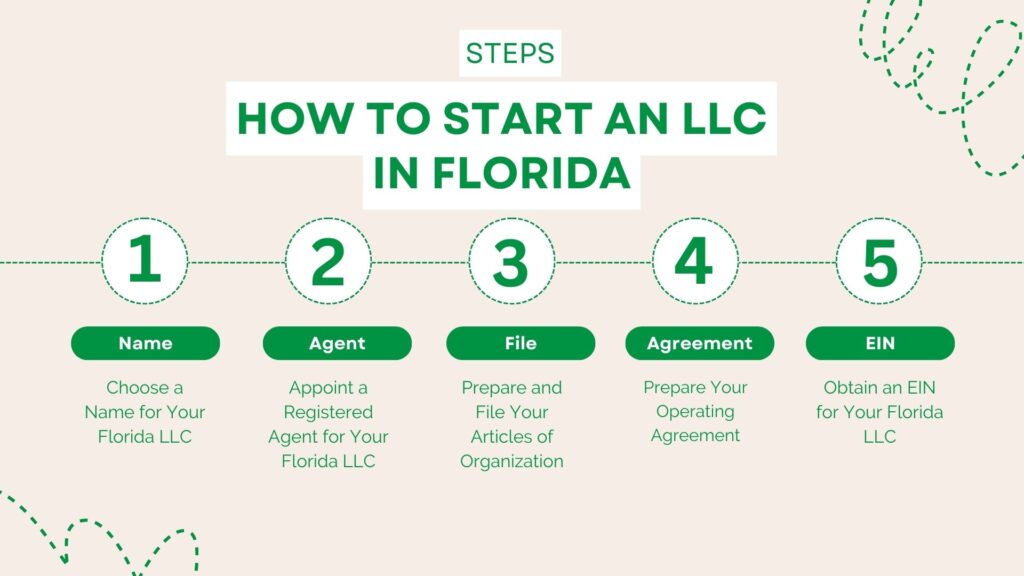
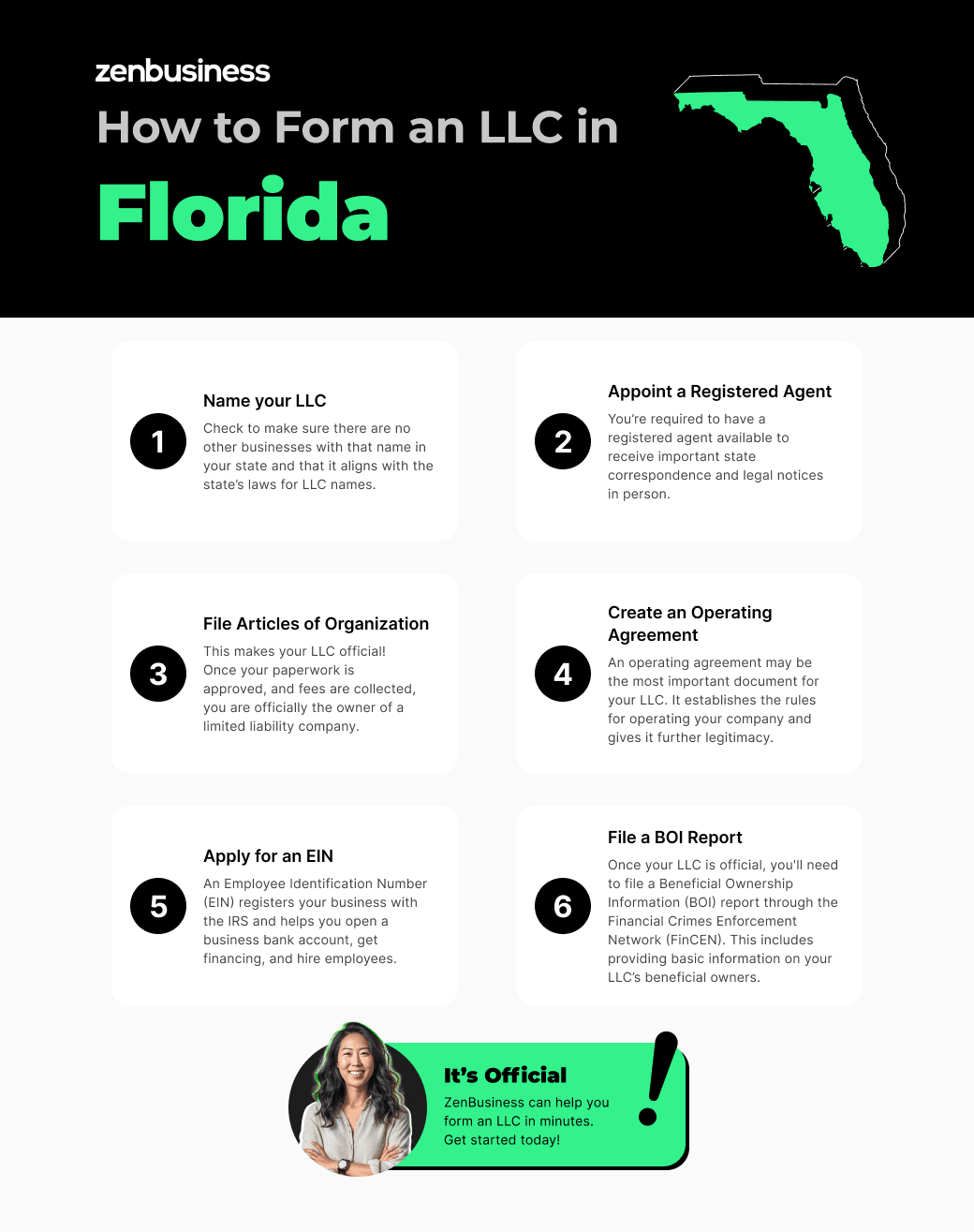
Once you’re convinced that an LLC is the right choice for your Florida travel and hospitality dream, it’s time to navigate the formation process. While seemingly daunting, breaking it down into manageable steps makes it straightforward.
Choosing a Unique Business Name (and why it matters for branding)
Your business name is often the first impression you make. In the travel and tourism industry, a memorable, descriptive, and unique name is crucial for branding and marketing. Consider names that evoke the essence of Florida, adventure, relaxation, or the specific niche you serve (e.g., “Gulf Coast Adventures LLC,” “Miami Boutique Stays LLC”).
Key considerations for your LLC name:
- Availability: The name must be distinguishable from other registered entities in Florida. You can check its availability through the Florida Department of State website, specifically their Division of Corporations.
- Legal Requirements: Your chosen name must include “Limited Liability Company,” “LLC,” or “L.L.C.”
- Branding and Domain: Check if the corresponding domain name (e.g., yourcompanyname.com) and social media handles are available. In the digital age of travel bookings, a strong online presence is non-negotiable.
- Trademark Search: While not mandatory for formation, a preliminary trademark search can prevent future legal issues, especially if you plan to expand nationally or internationally with your unique tours or luxury accommodation brands.
Once you’ve chosen a name, you might consider reserving it with the Florida Department of State while you complete other steps, ensuring no one else snags it.

Appointing a Registered Agent
Every Florida LLC is legally required to designate a registered agent. This individual or entity acts as your business’s official point of contact for legal and tax correspondence, including service of process (e.g., notification of a lawsuit).
The registered agent must:
- Have a physical street address in Florida (P.O. boxes are not allowed).
- Be available during normal business hours to accept mail and legal documents.
- Be either an individual Florida resident or a corporation authorized to conduct business in Florida (e.g., a registered agent service).
While you can technically serve as your own registered agent, many business owners, especially those frequently traveling for their hospitality ventures or living outside Florida part-time, opt for a professional registered agent service. This ensures compliance, maintains privacy (as your personal address won’t be public), and guarantees that critical legal documents are always received promptly.
Filing Your Articles of Organization with the Florida Department of State
This is the core legal step for forming your LLC. You must file “Articles of Organization” with the Florida Department of State. This document officially establishes your LLC’s existence.
The Articles of Organization typically require:
- Your LLC’s name and address.
- The name and address of your registered agent.
- The effective date of the LLC (often the filing date).
- The purpose of the LLC (can be a general statement like “to engage in any lawful act or activity”).
- The names and addresses of the LLC’s organizer(s).
You can file your Articles of Organization online via the Florida Department of State’s SunBiz website, which is usually the fastest method, or by mail. A filing fee will be required. Upon approval, the Florida Department of State will send you a certificate of formation, confirming your LLC is officially registered.
Creating an Operating Agreement
While Florida law does not strictly mandate an Operating Agreement for LLCs, it is an absolutely critical document that every LLC, even single-member ones, should have. Think of it as the foundational contract governing the internal operations of your LLC, much like bylaws for a corporation.
An Operating Agreement outlines:
- Ownership Percentages: How ownership is distributed among members (if multi-member).
- Management Structure: Whether the LLC is member-managed (owners directly run the business) or manager-managed (owners appoint managers to run the business). This is vital for hotel operations or tour companies with multiple partners.
- Voting Rights: How decisions are made, especially for significant business changes or investments in new Florida attractions.
- Profit and Loss Distribution: How profits and losses are allocated among members.
- Member Responsibilities: The duties and roles of each member.
- Procedures for New Members or Exits: How new partners can join or how members can leave the LLC.
- Dissolution Procedures: How the LLC would be dissolved if necessary.
Having a comprehensive Operating Agreement prevents disputes, provides clarity, and strengthens the legal separation between your personal and business assets. It’s particularly important for partnerships venturing into the lucrative Florida real estate or experiential travel markets.
Obtaining an EIN (Employer Identification Number)
An Employer Identification Number (EIN), also known as a Federal Tax Identification Number, is like a Social Security number for your business. It’s required for LLCs that:
- Have employees.
- Are taxed as a corporation or S-corporation.
- Have multiple members.
Even if you’re a single-member LLC with no employees, you might still need an EIN to open a business bank account or if you choose to be taxed as a corporation. You can obtain an EIN for free directly from the IRS website. The application is quick and can typically be completed online in one sitting. Having an EIN is a crucial step towards operating your Florida travel business professionally and in compliance with federal tax regulations.
Essential Post-Formation Steps for Your Travel & Hospitality LLC
Forming your LLC is a significant milestone, but it’s just the beginning. Several post-formation steps are vital to ensure your Florida travel or hospitality business operates smoothly, legally, and is ready to welcome its first guests.
Opening a Business Bank Account
One of the most crucial post-formation steps is opening a dedicated business bank account. This is not merely a recommendation; it’s a fundamental requirement for maintaining the liability protection that an LLC provides. Mixing personal and business finances (“commingling”) can lead to “piercing the corporate veil,” which means a court could disregard the LLC’s legal separation and hold you personally liable for business debts.
When opening your business bank account, you’ll typically need:
- Your LLC’s Articles of Organization.
- Your LLC’s EIN.
- Your Operating Agreement (especially for multi-member LLCs).
- Photo identification for the managing members.
Having a separate business account simplifies accounting, makes tax preparation easier, and reinforces your LLC’s distinct legal identity. For businesses handling payments from various international tourists or managing high-volume bookings, efficient financial management is paramount. Consider banks that understand the needs of small businesses and offer services beneficial to the hospitality sector.
Complying with Florida Business Licenses and Permits
The travel, hotel, and tourism industries in Florida are highly regulated, and your LLC will almost certainly need various licenses and permits at the local, county, and state levels. The exact requirements depend heavily on your specific business activities.
Examples of potential licenses and permits include:
- State Business Tax Receipt: Required for most businesses operating in Florida.
- Department of Business and Professional Regulation (DBPR) Licenses: If you operate a hotel, motel, vacation rental, restaurant, or offer specific professional services (e.g., real estate broker for short-term rentals), you’ll likely need licenses from the Florida DBPR.
- County and City Business Tax Receipts/Occupational Licenses: Many counties and cities, like Miami, Orlando, Tampa, or St. Petersburg, require their own local permits to operate.
- Sales Tax and Tourist Development Tax (TDT): If you collect sales tax on goods or services (e.g., merchandise sales, restaurant meals) or rent out accommodations for less than six months (which incurs TDT, often called “bed tax”), you’ll need to register with the Florida Department of Revenue to collect and remit these taxes. This is crucial for vacation rental owners or hotel operators.
- Food Service Licenses: If your hotel or tour company offers food and beverage services, you’ll need health permits and potentially alcohol licenses.
- Transportation Licenses: If you offer shuttle services or specialized tours (e.g., boat tours in Key West), specific transportation licenses may be required.
It’s essential to thoroughly research the specific license and permit requirements for your particular business type and location within Florida. Consulting with a local business attorney or using a professional license service can help ensure full compliance and avoid costly penalties.
Understanding Annual Report Requirements
To maintain your LLC’s active status and good standing with the Florida Department of State, you must file an annual report each year.
- Filing Period: The annual report is due between January 1st and May 1st of each year following the year of your LLC’s formation.
- Information Required: The report updates basic information about your LLC, such as your registered agent’s name and address, and the names of your managing members or managers.
- Filing Fee: A filing fee is associated with the annual report.
- Penalties: Failing to file by the May 1st deadline will result in a late fee and eventually lead to administrative dissolution of your LLC, meaning you lose your liability protection and legal standing.
Staying on top of this requirement is crucial for the continued legal operation of your Jacksonville travel agency or your Sarasota resort.
Securing Business Insurance for Tourism Operations
Given the inherent risks in the travel and hospitality industry, adequate business insurance is not optional—it’s imperative. It protects your LLC from financial devastation due to various claims and incidents.
Types of insurance to consider for your Florida travel business:
- General Liability Insurance: Covers claims of bodily injury, property damage, and advertising injury that occur on your business premises or due to your operations. Essential for hotels, tour operators, and rental properties.
- Property Insurance: Protects your physical assets (e.g., hotel buildings, rental homes, office equipment, tour vehicles) from damage due to fire, theft, or natural disasters, particularly relevant in hurricane-prone Florida.
- Commercial Auto Insurance: If your business uses vehicles for tours, shuttles, or transporting guests, this is critical.
- Workers’ Compensation Insurance: If you have employees, Florida law generally requires you to carry workers’ compensation insurance.
- Professional Liability (Errors & Omissions) Insurance: Important for travel agents or tour operators who provide advice or make bookings, covering claims of negligence or mistakes in their services.
- Cyber Liability Insurance: Especially important for businesses handling customer data, credit card information, and online bookings, protecting against data breaches and cyberattacks.
Work with an experienced insurance broker who understands the specific risks associated with the tourism and hospitality industries in Florida to tailor a comprehensive policy that safeguards your investments and operations, whether you’re running a charter fishing business from Fort Lauderdale or managing a luxury eco-lodge near Kennedy Space Center.
Embarking on an entrepreneurial journey in Florida’s captivating travel and lifestyle market is an exciting prospect. By methodically forming your LLC and adhering to these crucial post-formation steps, you lay a solid legal and operational foundation. This allows you to channel your energy into crafting unforgettable experiences for your guests, exploring the unique opportunities of the Gulf Coast or Atlantic Coast, and truly living the dream of a successful Florida business owner. With proper planning and diligent compliance, your Florida LLC will be well-equipped to thrive amidst the magic of Disney, the thrills of Busch Gardens, and the serene beauty of the state’s natural wonders.
LifeOutOfTheBox is a participant in the Amazon Services LLC Associates Program, an affiliate advertising program designed to provide a means for sites to earn advertising fees by advertising and linking to Amazon.com. Amazon, the Amazon logo, AmazonSupply, and the AmazonSupply logo are trademarks of Amazon.com, Inc. or its affiliates. As an Amazon Associate we earn affiliate commissions from qualifying purchases.