
Embarking on a business venture in the Land of Enchantment requires a solid foundation, and for many entrepreneurs, this means forming a Limited Liability Company (LLC). An LLC offers a compelling blend of flexibility, liability protection, and pass-through taxation, making it a popular choice for small businesses, startups, and even solo entrepreneurs in New Mexico. This guide will walk you through the essential steps to establish your LLC in New Mexico, ensuring a smooth and compliant launch for your enterprise.
Understanding the Benefits of an LLC in New Mexico
Before diving into the procedural aspects, it’s crucial to appreciate why an LLC is often the preferred business structure. The core appeal lies in its ability to separate your personal assets from your business debts and liabilities. This means that if your business faces legal action or accumulates debt, your personal savings, home, and other assets are generally protected. Furthermore, LLCs offer a streamlined management structure and avoid the double taxation often associated with traditional corporations. For those looking to explore business opportunities within the vibrant economies of cities like Albuquerque or Santa Fe, establishing an LLC provides a robust framework for growth and stability.
Liability Protection
The primary advantage of an LLC is its limited liability feature. This protection shields the personal assets of the LLC’s owners (known as members) from business debts and lawsuits. Imagine your business incurs significant debt or faces a lawsuit. Without an LLC, your personal assets, such as your house or savings, could be at risk. With an LLC, these personal assets are generally insulated. This separation is fundamental for entrepreneurial peace of mind, allowing you to focus on growing your business without the constant worry of personal financial exposure.
Tax Advantages
LLCs benefit from pass-through taxation. This means that the LLC itself does not pay federal income taxes. Instead, the profits and losses of the business are “passed through” to the individual members, who then report this income on their personal tax returns. This avoids the “double taxation” that C-corporations face, where profits are taxed at the corporate level and then again when distributed to shareholders as dividends. This tax structure can be particularly advantageous for small businesses, simplifying tax filings and potentially reducing the overall tax burden.
Flexibility in Management and Operations
Compared to corporations, LLCs offer significant flexibility in how they are managed and operated. There are no strict requirements for board meetings or extensive record-keeping that often burden corporations. Members can choose how to manage the company, whether through a member-managed structure (where all members are involved in daily operations) or a manager-managed structure (where designated managers, who may or may not be members, handle day-to-day decisions). This adaptability allows an LLC to evolve with the needs of the business.
Step-by-Step Guide to Forming Your LLC in New Mexico
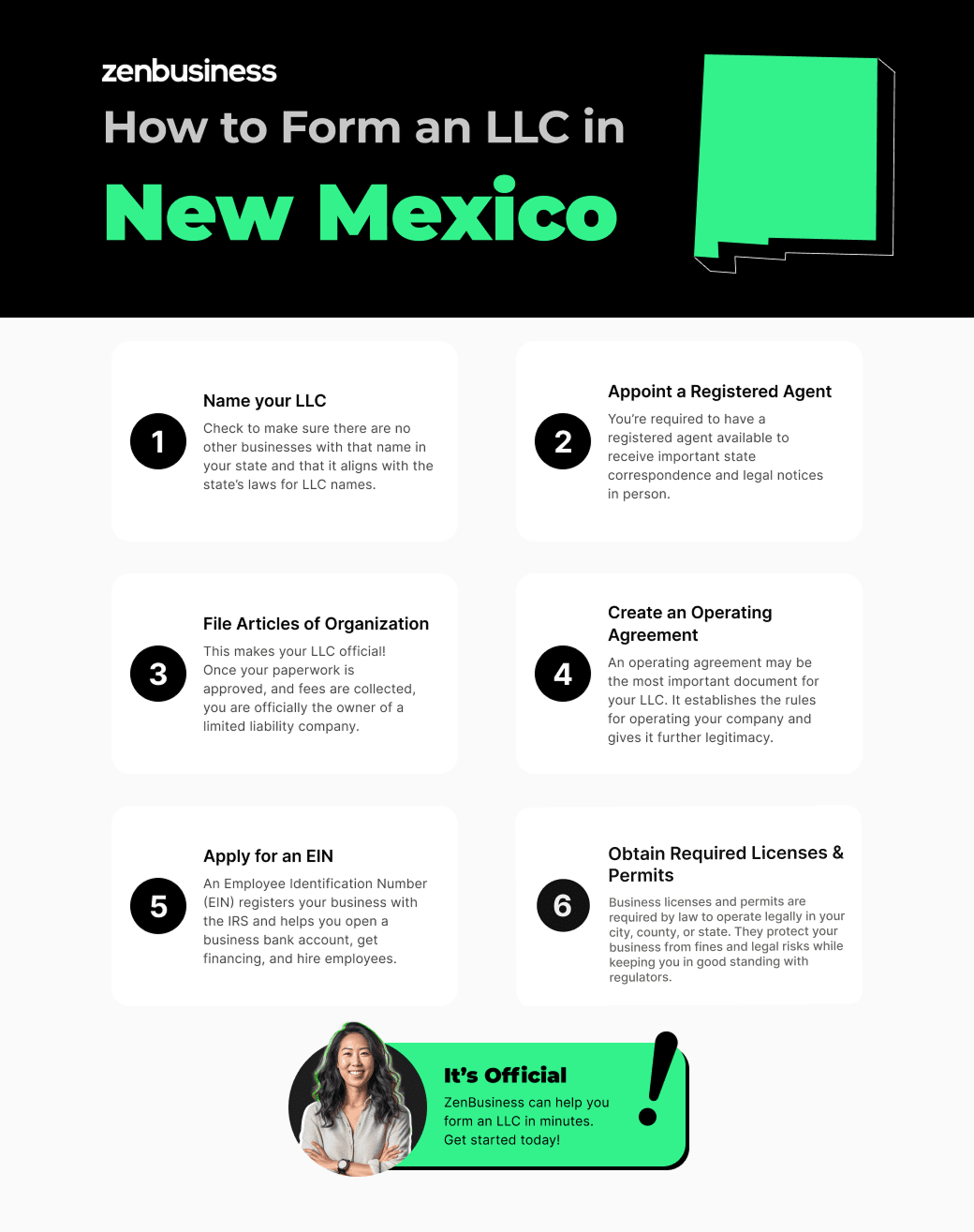
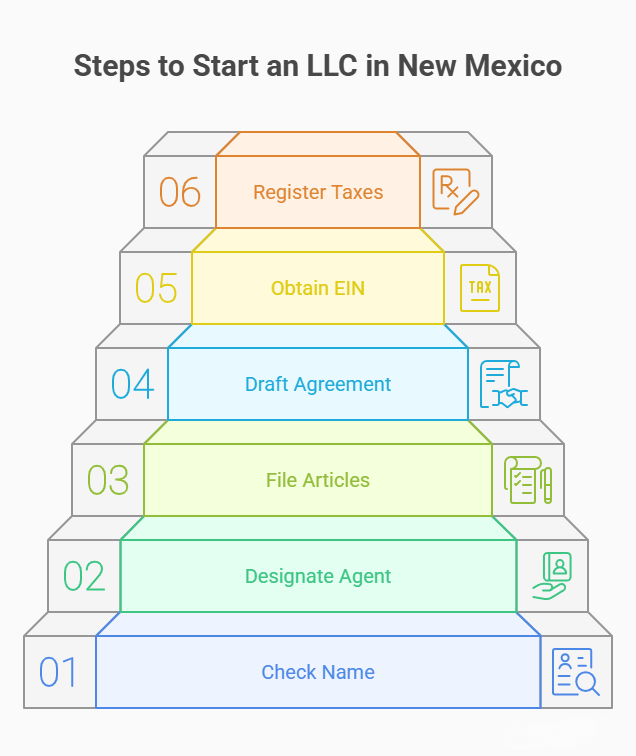
Forming an LLC in New Mexico involves a series of well-defined steps, each crucial for establishing a legally recognized entity. The primary governing body for business formations in the state is the New Mexico Secretary of State. Understanding these steps will demystify the process and empower you to navigate it with confidence.
1. Choose a Unique Business Name
The first step in forming your LLC is selecting a distinctive name. This name must be distinguishable from existing business names registered in New Mexico. Your chosen name must also comply with state naming rules, which typically require the inclusion of an LLC designator, such as “Limited Liability Company,” “LLC,” or “L.L.C.” It’s advisable to conduct a thorough name search on the New Mexico Secretary of State website to ensure your preferred name is available. You can also reserve a name for a limited period if you are not ready to file immediately.
Checking Name Availability
Before you get too attached to a business name, it’s essential to verify its availability. The New Mexico Secretary of State provides an online business name database that allows you to search for registered business entities. This search will tell you if your desired name, or a confusingly similar one, is already in use. It’s a good practice to search for variations of your name as well to avoid potential conflicts.
Adhering to Naming Requirements
New Mexico statutes outline specific requirements for LLC names. As mentioned, including a designator like “LLC” is mandatory. Additionally, your name cannot contain words that suggest the LLC is a government agency or a different type of business entity, such as “corporation” or “bank,” unless you have obtained proper authorization. Reviewing the New Mexico LLC Act or consulting with a legal professional can help ensure your chosen name meets all legal criteria.
2. Appoint a Registered Agent
A registered agent is a person or business entity designated to receive official legal and tax documents on behalf of your LLC. This agent must have a physical street address in New Mexico (a P.O. Box is not acceptable) and be available during normal business hours to accept service of process. You can appoint yourself as the registered agent if you meet these requirements, or you can hire a professional registered agent service. This is a critical role, as failure to maintain a registered agent can lead to the administrative dissolution of your LLC.
Who Can Be a Registered Agent?
The requirements for a registered agent are straightforward: they must be an individual residing in New Mexico or a business entity authorized to do business in the state, and they must have a physical address within New Mexico. This ensures that important documents can be physically delivered to your business.
The Importance of a Reliable Registered Agent
A reliable registered agent is more than just a mail recipient; they are a crucial point of contact for your LLC. They ensure that you are notified of any legal proceedings, tax notices, or other official correspondence promptly. This allows you to respond to such matters in a timely fashion, preventing potential legal issues or penalties that could arise from missed deadlines or ignored notices.
3. File the Articles of Organization
The cornerstone of forming your LLC is filing the Articles of Organization with the New Mexico Secretary of State. This document officially creates your LLC as a legal entity. You can typically find the necessary forms on the Secretary of State’s website. The Articles of Organization will require basic information about your LLC, including its name, the name and address of your registered agent, and the names and addresses of your LLC’s organizers.
Key Information Required
When filling out the Articles of Organization, be prepared to provide:
- The official name of your LLC.
- The name and street address of your registered agent in New Mexico.
- The names and addresses of the individuals or entities forming the LLC (the organizers).
- The effective date of the LLC’s formation (if not the date of filing).
Filing Fees and Methods
There is a filing fee associated with submitting the Articles of Organization. The exact amount is subject to change, so it’s best to check the New Mexico Secretary of State website for the current fee schedule. You can typically file your Articles of Organization online, by mail, or in person. Online filing is often the quickest and most convenient method.
4. Create an Operating Agreement
While not legally required by the state of New Mexico for all LLCs, an Operating Agreement is a vital internal document. This agreement outlines the ownership structure, member responsibilities, profit and loss distribution, and operational procedures of your LLC. It serves as a roadmap for how your business will be run and can prevent misunderstandings and disputes among members. For single-member LLCs, it clarifies the separation between personal and business affairs.
Contents of an Operating Agreement
A comprehensive Operating Agreement typically includes:
- The name and purpose of the LLC.
- The names and addresses of all members.
- The percentage of ownership each member holds.
- How profits and losses will be allocated.
- The rights and responsibilities of members.
- Procedures for admitting new members or the departure of existing members.
- Provisions for dissolution of the LLC.
Why an Operating Agreement is Crucial
Even if you are the sole member of your LLC, an Operating Agreement is highly recommended. It helps to solidify the separate legal identity of your business, which is crucial for maintaining liability protection. For multi-member LLCs, it provides a clear framework for decision-making, conflict resolution, and overall business governance, fostering a more harmonious and efficient operating environment.
Ongoing Compliance and Best Practices for Your New Mexico LLC
Once your LLC is officially formed, your responsibilities don’t end. Ongoing compliance and adherence to best practices are essential for maintaining your LLC’s legal standing and operational integrity. This includes managing your finances properly, fulfilling annual reporting requirements, and understanding your tax obligations.
Annual Reports and Fees
New Mexico requires LLCs to file an annual report and pay a corresponding fee. This report, typically filed with the New Mexico Secretary of State, provides an update on your LLC’s information. Failing to file your annual report or pay the associated fees can result in penalties or the administrative dissolution of your LLC. Mark your calendar to ensure you meet these deadlines each year.
Maintaining Separate Finances
To preserve the limited liability protection of your LLC, it is imperative to maintain strict separation between your personal and business finances. This means opening a dedicated business bank account and using it for all business transactions. Avoid commingling personal and business funds, as this can weaken the legal distinction between you and your LLC, potentially jeopardizing your liability protection in the event of a lawsuit.
Understanding Your Tax Obligations
As mentioned earlier, LLCs generally benefit from pass-through taxation. However, this does not exempt you from tax obligations. You will need to obtain an Employer Identification Number (EIN) from the IRS if your LLC has more than one member or if you plan to hire employees. You will also need to file appropriate federal and state tax returns for your business. Consult with a qualified tax professional to ensure you are meeting all your federal and New Mexico tax requirements, especially if you are operating in diverse sectors such as the burgeoning tech scene in Albuquerque or the tourism industry around Taos.

Expanding Your Business Horizons in New Mexico
Establishing an LLC in New Mexico is a significant step towards formalizing your entrepreneurial ambitions. By understanding the benefits, carefully following the formation steps, and committing to ongoing compliance, you can build a strong and resilient business. New Mexico’s business-friendly environment, coupled with the protective structure of an LLC, provides a fertile ground for innovation and growth. Whether you are launching a cutting-edge technology startup, a hospitality business near White Sands National Park, or a creative enterprise in the art scene of Santa Fe, a well-formed LLC is your partner in navigating the path to success.
LifeOutOfTheBox is a participant in the Amazon Services LLC Associates Program, an affiliate advertising program designed to provide a means for sites to earn advertising fees by advertising and linking to Amazon.com. Amazon, the Amazon logo, AmazonSupply, and the AmazonSupply logo are trademarks of Amazon.com, Inc. or its affiliates. As an Amazon Associate we earn affiliate commissions from qualifying purchases.